
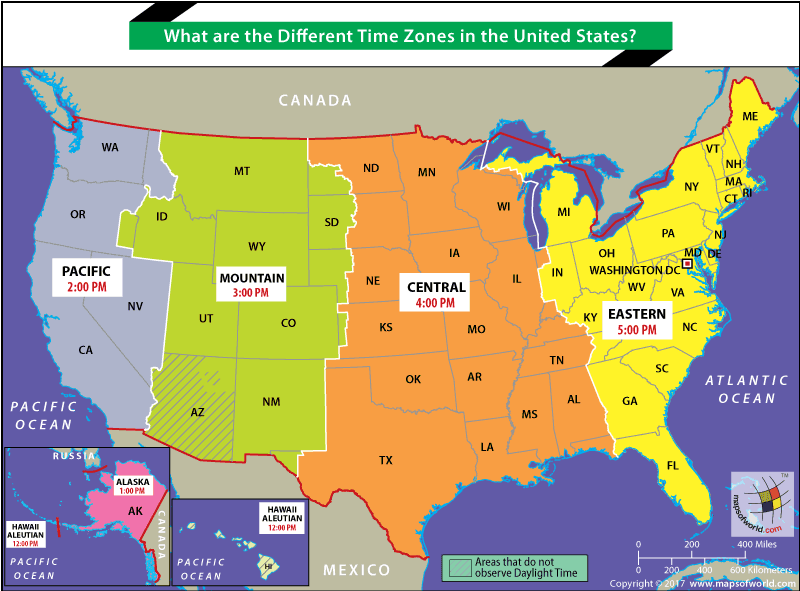
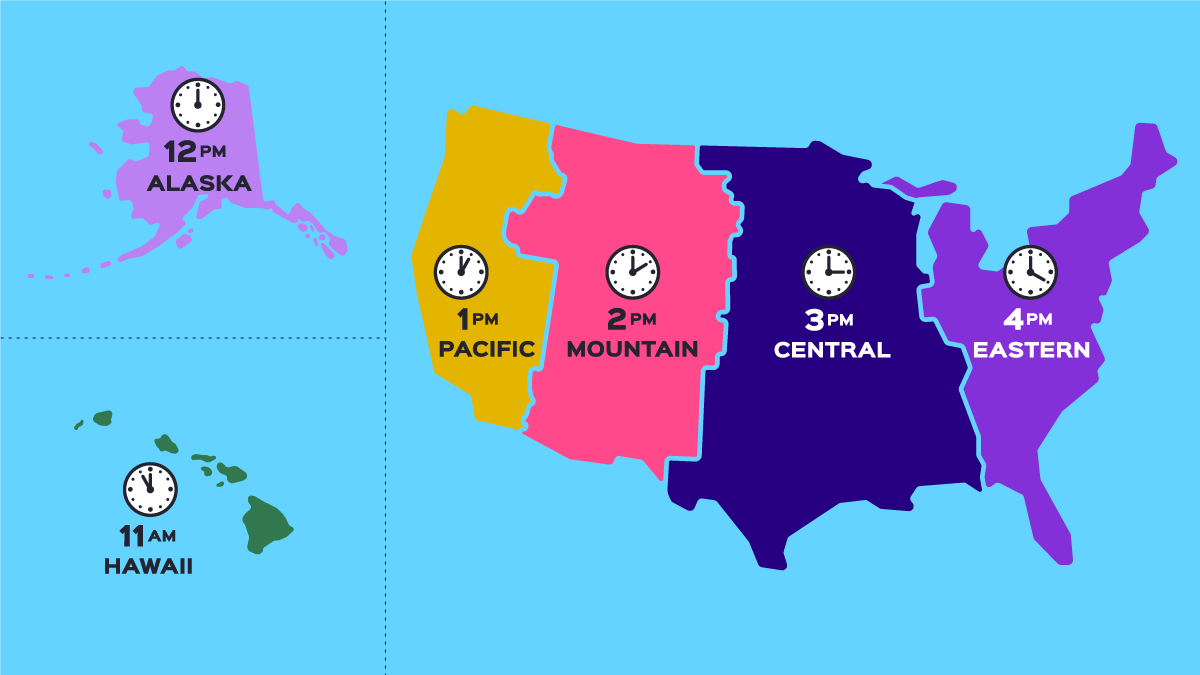
When planning a journey to the middle of the Pacific Ocean, logistics often take center stage. For many travelers coming from the United States mainland or international destinations like Japan or Australia, understanding the local clock is essential. A common question arises due to the sheer geographic span of the archipelago: does Hawaii have multiple time zones? The short answer is no. Despite the state stretching across hundreds of miles of ocean, every inhabited island follows a single, unified time standard. However, the nuances of how this time zone operates—especially in relation to the rest of the world—are vital for any tourist looking to master their itinerary.

One State, One Time Zone: The Mechanics of Hawaii-Aleutian Standard Time
The entire state of Hawaii operates under Hawaii-Aleutian Standard Time, often abbreviated as HST. This time zone is ten hours behind Coordinated Universal Time (UTC-10). While the name suggests a shared experience with the Aleutian Islands in Alaska, the two regions handle their clocks very differently throughout the year.
The Unified Clock Across the Archipelago
From the bustling streets of Honolulu on Oahu to the remote shores of Molokai and Lanai, the time remains consistent. Whether you are watching the first light of dawn on the Big Island or enjoying a late dinner in Poipu on Kauai, your watch will never need an adjustment as you hop between islands. This simplicity is a boon for tourism, ensuring that inter-island flights with carriers like Hawaiian Airlines or Southwest Airlines are easy to track without the confusion of crossing time boundaries.
Why Hawaii Does Not Observe Daylight Saving Time
One of the most distinct aspects of tourism in the islands is the rejection of Daylight Saving Time. Along with Arizona, Hawaii has chosen to keep its clocks permanent year-round. Because of the state’s proximity to the equator, the length of daylight does not vary significantly between summer and winter. In Honolulu, the difference between the longest and shortest day of the year is only about two and a half hours. Consequently, there is no practical or economic need to “spring forward” or “fall back.”
For the visitor, this means that while the time in Hawaii stays the same, its relationship to your home city likely changes. In the summer, when California is on Pacific Daylight Time, the difference is three hours. In the winter, when the mainland returns to Standard Time, that gap shrinks to just two hours. For those coming from New York or Florida, the jump can be as large as six hours, creating a significant shift in your internal rhythm.
Tourism Logistics and the Mastery of “Island Time”
In the world of travel, “Island Time” is more than just a phrase; it is a cultural philosophy. In Hawaii, the pace of life is dictated by the sun and the sea rather than the strict ticking of a clock. Understanding how to manage your schedule within this framework is key to a stress-free vacation.
Scheduling Your Morning Adventures
Because many visitors arrive from the Mainland United States, their internal clocks are often set several hours ahead. Smart tourists use this jet lag to their advantage. If you are waking up naturally at 4:00 AM, it is the perfect time to head to Haleakala National Park on Maui to witness the sunrise. This experience requires a reservation and a very early start, but for those still adjusted to East Coast time, it feels like a mid-morning excursion rather than a pre-dawn ordeal.
Similarly, early morning is the best time to visit Hanauma Bay Nature Preserve on Oahu. By arriving when the gates open, you avoid the heavy crowds and enjoy the clearest water for snorkeling. Managing your time in Hawaii often involves front-loading your day to align with the natural light, leaving your afternoons free for relaxation.
Afternoon Transitions and the Golden Hour
As the day progresses, the focus shifts toward the spectacular sunsets that define the Pacific Ocean experience. If you are staying at a resort in Waikiki or Kaanapali, timing is everything for dinner reservations. Many popular restaurants, such as Duke’s Waikiki or Mama’s Fish House, book up months in advance. To catch the “Golden Hour,” you must track the sunset times, which vary slightly depending on the season.
While Hawaii lacks multiple time zones, it does have diverse microclimates that can affect your perception of time. A sunset hike at Diamond Head State Monument might feel shorter because of the intense tropical sun, whereas a misty afternoon in the Waimea Canyon on Kauai invites a slower, more contemplative pace.
The Psychological Shift: Why Time Feels Different in Hawaii
Beyond the numbers on a digital display, time in Hawaii carries a different weight. This is rooted in the Polynesian history of the islands and the enduring influence of the Native Hawaiian culture.
The Aloha Spirit and Punctuality
For tourists, it is helpful to understand that while professional services like tours, flights, and formal dining operate with strict punctuality, social interactions often follow the Aloha Spirit. If you are attending a backyard Luau or a community event in a town like Hilo, don’t be surprised if things start a few minutes late. Embracing this shift is part of the tourism experience. Instead of checking your watch, look toward the Ko’olau Mountains or the horizon.
This cultural approach to time encourages visitors to disconnect from the hyper-scheduled lives they lead in North America or Europe. In places like North Shore Oahu, time is measured by the swell of the waves rather than hours. Surfers and beachgoers plan their days around tide charts, a natural clock that has governed life in the Sandwich Islands for centuries.
Inter-Island Connectivity and Travel Efficiency
When traveling between islands, the lack of multiple time zones simplifies the “commuter” feel of the region. A flight from Kona International Airport to Lihue Airport takes less than an hour, and because there is no time change, you can easily plan a day trip. Some ambitious travelers choose to stay on Oahu but take a morning flight to the Big Island to see Volcanoes National Park, returning by dinner. While this is a fast-paced way to see the State of Hawaii, the consistent time zone makes the logistics seamless.
Navigating Seasonal Time Differences for International and Mainland Visitors
While Hawaii remains stationary in its timekeeping, the rest of the world moves around it. This creates a rotating set of challenges for tourists trying to communicate with home or manage business obligations while on vacation.
The Widening Gap with the East Coast
For visitors from New York City or Boston, the time difference is at its most extreme during the summer months. When Eastern Daylight Time is in effect, Hawaii is six hours behind. This means that when it is noon in Manhattan, it is only 6:00 AM in Honolulu. This gap is often the hardest to bridge, as travelers may find themselves receiving work emails or family calls while they are still asleep. Conversely, by the time a traveler in Hawaii is ready for dinner at 7:00 PM, it is already 1:00 AM the next day on the East Coast.
Connecting with Asia and Oceania
Hawaii serves as a major bridge between the United States and Asia. For tourists from Tokyo or Seoul, crossing the International Date Line is the primary hurdle. When traveling from Japan to Hawaii, you actually “gain” a day, arriving at a time that is technically earlier than when you departed. This quirk of global timekeeping makes Hawaii a unique destination for international celebrations, as you can effectively celebrate the same calendar date twice in two different hemispheres.
Maximizing Your Stay: Practical Time-Management Tips for Travelers
To make the most of your time in the islands, a few strategic habits can help you align your personal clock with the rhythm of the Pacific.
Beating Jet Lag on Oahu and Beyond
The best way to adjust to Hawaii-Aleutian Standard Time is to stay awake until at least 9:00 PM local time on your first night. While the temptation to nap after a long flight over the Pacific Ocean is strong, push through by visiting an outdoor attraction. A walk along Waikiki Beach or a visit to the Polynesian Cultural Center provides the sunlight and movement needed to reset your circadian rhythm.
If you are staying at a luxury resort like the Grand Hyatt Kauai Resort and Spa or the Four Seasons Resort Maui at Wailea, take advantage of their morning fitness or yoga classes. These are often timed specifically to help travelers adjust to the local clock while enjoying the serene morning atmosphere.
Booking Popular Attractions in Advance
Because Hawaii is a bucket-list destination for many, time management also means booking ahead. The Pearl Harbor National Memorial is one of the most visited sites in the United States. Tickets for the USS Arizona Memorial are released on a strict schedule. Understanding the HST release times is crucial; if you are booking from California, you need to be online at the specific hour the tickets go live in Hawaii to secure your spot.
Similarly, if your goal is stargazing at Mauna Kea on the Big Island, you must account for the time it takes to drive from sea level to the summit. The transition through different elevations requires a period of acclimatization at the Visitor Information Station. In Hawaii, time spent waiting is rarely wasted; it is an opportunity to soak in the environment.
Whether you are navigating the historic sites of Lahaina or exploring the lush trails of the Na Pali Coast, the single time zone of Hawaii provides a stable foundation for your adventures. By understanding the absence of Daylight Saving Time and embracing the early-to-rise lifestyle of the islands, you can ensure that every hour of your stay is filled with the beauty and tranquility that only this Pacific paradise can offer.
LifeOutOfTheBox is a participant in the Amazon Services LLC Associates Program, an affiliate advertising program designed to provide a means for sites to earn advertising fees by advertising and linking to Amazon.com. Amazon, the Amazon logo, AmazonSupply, and the AmazonSupply logo are trademarks of Amazon.com, Inc. or its affiliates. As an Amazon Associate we earn affiliate commissions from qualifying purchases.