
The question “Does Hawaii have snakes?” often arises in conversations about this tropical paradise, and for good reason. Hawaii is famed for its unique and fragile ecosystem, pristine beaches, and vibrant culture, drawing millions of travelers seeking an escape into nature. Unlike many other global destinations, the islands of Hawaii boast a remarkably low presence of snakes, a fact that significantly contributes to its appeal as a safe and idyllic travel destination. While the simple answer is “very few, and none native,” the nuanced reality involves a fascinating tale of isolation, ecological preservation, and continuous vigilance. This distinctive characteristic is not merely a biological curiosity; it profoundly shapes the travel experience, influencing everything from outdoor activities to the overall sense of peace and security enjoyed by visitors and residents alike.
Understanding Hawaii’s relationship with snakes is crucial for anyone planning a trip to this exceptional archipelago. For those accustomed to the potential hazards of venomous reptiles in other tropical locales, the absence of such threats in Hawaii allows for an unparalleled sense of freedom and immersion in its natural wonders. From the lush rainforests of Kauai to the volcanic landscapes of the Big Island (officially Hawaii Island), and the bustling urban appeal of Oahu or the serene beaches of Maui, the ability to explore without this particular concern is a significant draw. This article delves into the ecological reasons behind Hawaii’s mostly snake-free status, the ongoing efforts to maintain it, and how this unique environmental factor enhances the overall tourism, accommodation, and lifestyle experience across the islands.
The Unique Ecosystem of Hawaii: A Serpent-Free Paradise (Mostly)
The Hawaiian Islands formed in the middle of the Pacific Ocean through volcanic activity, making them one of the most isolated island chains on Earth. This extreme isolation is the primary reason why Hawaii developed an incredibly unique and endemic flora and fauna. Only a select few species were able to successfully cross vast stretches of ocean and establish populations. Reptiles, particularly snakes, are not strong swimmers and typically require land bridges or large rafts of vegetation to spread across significant water bodies. Consequently, native snakes were unable to reach Hawaii prior to human colonization.
Native Species: A Rare Presence
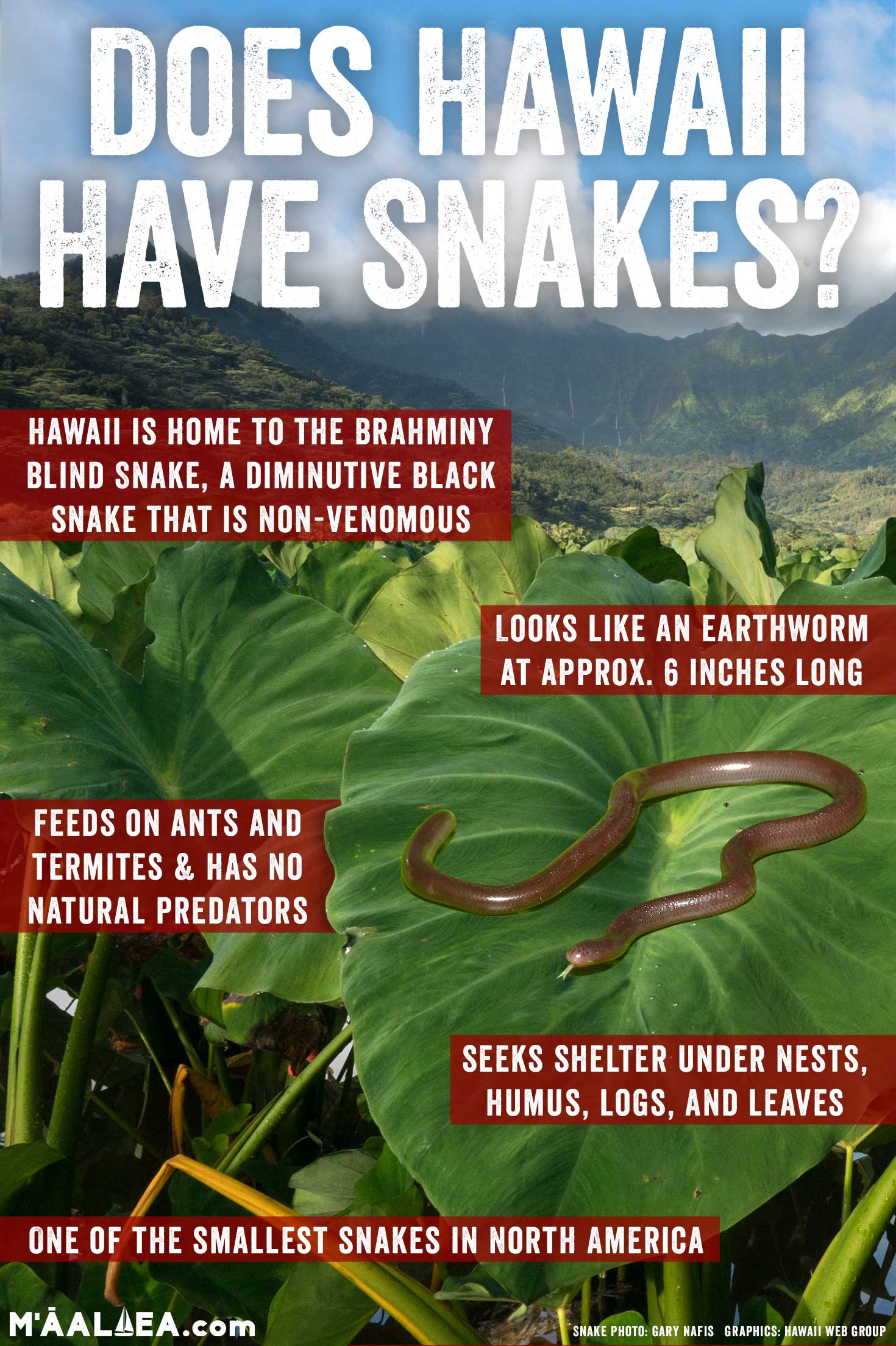
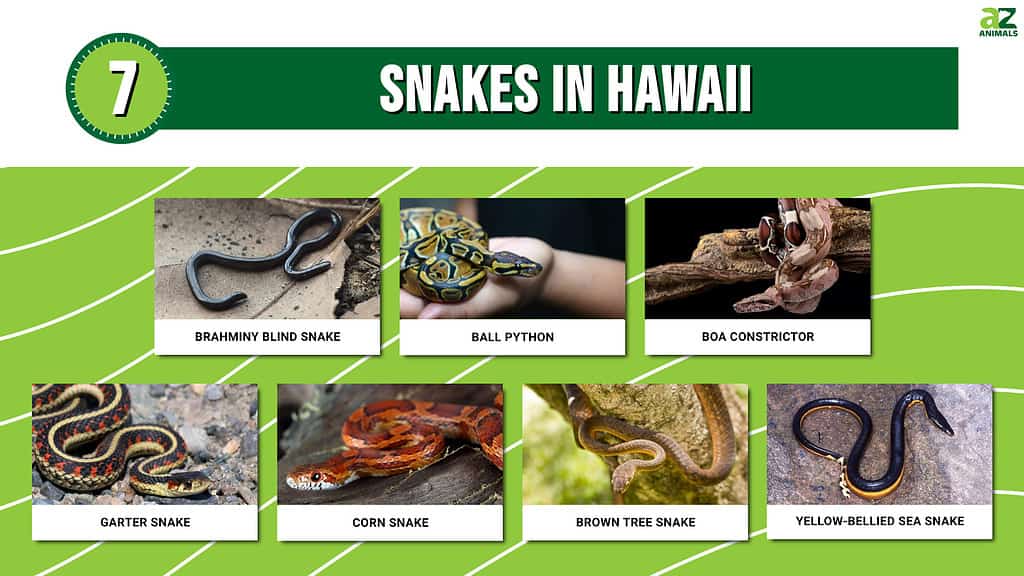
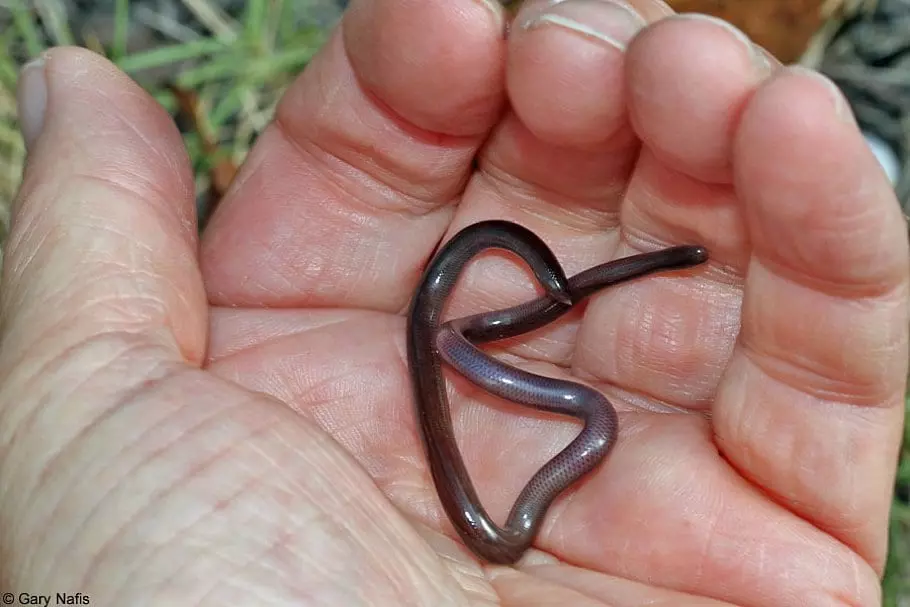
To be precise, Hawaii does have two species of “snakes” that are technically present, though they are rarely seen, non-native, and pose no threat to humans. The first is the Blind Snake (Ramphotyphlops braminus), also known as the flowerpot snake. This tiny, worm-like reptile, typically less than 6 inches long, is subterranean and often mistaken for an earthworm. It’s believed to have arrived in Hawaii accidentally in the soil of potted plants imported from other regions. It reproduces asexually (parthenogenesis), meaning a single individual can start a new population, which explains its widespread distribution in tropical and subtropical areas globally. It feeds on ants and termites and is completely harmless.
The second is the Yellow-bellied Sea Snake (Pelamis platura). This venomous marine snake is pelagic, living its entire life in the ocean. It occasionally washes ashore, particularly after storms, but it is not a resident species that breeds or lives permanently in Hawaiian waters. Encounters are exceedingly rare, and they are typically found in distress or deceased on beaches. While venomous, their fangs are small, and bites to humans are extremely uncommon and usually only occur if they are handled. These two species do not impact the terrestrial ecosystem or the visitor experience in any meaningful way.
The Threat of Invasive Species: A Constant Vigil
Despite the current low incidence, Hawaii’s snake-free status is not guaranteed and requires constant vigilance. The most significant threat comes from invasive species, particularly the Brown Tree Snake (Boiga irregularis). This highly destructive, venomous (though not considered dangerous to adult humans) nocturnal snake has decimated native bird populations on Guam since its accidental introduction after World War II. Its presence led to widespread power outages and significant ecological damage.
Recognizing the catastrophic potential of the Brown Tree Snake and other invasive reptiles, Hawaii maintains extremely strict biosecurity measures. The Hawaii Department of Agriculture (HDOA) and the U.S. Fish and Wildlife Service (USFWS), among other agencies, operate rigorous inspection programs at airports and seaports. Cargo, luggage, and even aircraft are routinely inspected for stowaway snakes. There have been several instances of these snakes being intercepted, often found in wheel wells of planes or in shipping containers, underscoring the continuous threat and the effectiveness of these preventative measures. This ongoing effort is crucial to protecting Hawaii’s irreplaceable biodiversity, which includes unique birds, insects, and plants that have evolved without natural predators like snakes.
Why Hawaii’s Snake-Free Status Matters for Travelers
For travelers, the absence of dangerous snakes profoundly enhances the appeal and experience of a Hawaiian vacation. It contributes to a sense of freedom and safety that is invaluable, especially for those seeking to fully immerse themselves in the islands’ natural beauty.
Unfettered Exploration: Hiking, Beaches, and Beyond
Hawaii’s landscape is a playground for outdoor enthusiasts. From hiking trails that wind through lush rainforests to volcanic craters, and pristine beaches perfect for snorkeling or sunbathing, exploration is central to the Hawaiian experience. The knowledge that one can wander through these natural environments without the concern of encountering a venomous snake or any terrestrial snake at all is incredibly liberating.
Imagine hiking the breathtaking trails of Hawaii Volcanoes National Park, exploring the vastness around Kīlauea or Mauna Loa, or traversing the dramatic cliffs of the Na Pali Coast on Kauai. Or perhaps you prefer a more leisurely stroll through botanical gardens like the Maui Nui Botanical Gardens or Lyon Arboretum on Oahu. The lack of snakes means less concern about where to step, less worry about children playing in natural areas, and an overall more relaxed engagement with the environment. This significantly boosts the appeal of activities such as jungle treks, camping, or even just picnicking in a secluded natural spot.
Beyond hiking, the pristine beaches like Waikiki Beach, Lanikai Beach, Kaanapali Beach, or Wailea Beach are enjoyed without the underlying anxiety that might exist in regions where snakes are common near water sources. This peace of mind allows visitors to truly unwind and soak in the natural splendor of the islands, whether they are learning to surf, snorkeling in a protected marine sanctuary like Hanauma Bay Nature Preserve, or simply relaxing on the sand.
Accommodation and Lifestyle: Peace of Mind
The snake-free status of Hawaii also plays a subtle yet significant role in the perception and enjoyment of accommodation and the overall island lifestyle. When booking a luxurious suite at a resort like the Grand Hyatt Kauai Resort & Spa, the Four Seasons Resort Maui at Wailea, or a family-friendly spot like Disney’s Aulani Resort, guests can be assured that their tropical setting will not be interrupted by an unwelcome slithering visitor.
This contributes to a serene and carefree atmosphere, which is a hallmark of the Hawaiian lifestyle. Whether staying in a bustling Honolulu hotel, a secluded villa on Maui, or a charming apartment on Kauai, the absence of a perceived threat from snakes allows for a deeper sense of relaxation and security. Children can play freely in resort gardens or explore nature trails without parents constantly worrying about reptilian encounters. This aspect is particularly attractive for family trips and those seeking a truly stress-free holiday.
From a lifestyle perspective, the ability to leave doors open, enjoy outdoor living spaces, and not worry about checking shoes or bags for snakes is a small but impactful detail that contributes to the relaxed and open island vibe. It’s a subtle luxury that differentiates Hawaii from many other tropical destinations, reinforcing its image as a pristine and welcoming haven for all types of travelers, from those on a budget to those indulging in luxury travel.
Safeguarding Paradise: Hawaii’s Strict Biosecurity Measures
The continued protection of Hawaii’s unique ecosystem from invasive species, particularly snakes, is a monumental and ongoing task. The islands’ biosecurity efforts are among the most stringent in the world, a testament to the high value placed on their natural heritage and the tourism industry that relies on it.
Agencies like the HDOA and USFWS employ a multi-faceted approach. This includes detector dogs specifically trained to sniff out snakes and other illegal animals at entry points such as Honolulu International Airport, Kona International Airport, Kahului Airport, and Lihue Airport. Extensive public awareness campaigns also educate residents and visitors about the dangers of invasive species and the importance of reporting any suspicious sightings. The penalty for introducing a snake to Hawaii can be severe, including substantial fines and imprisonment, reflecting the seriousness with which this threat is taken.
How Visitors Can Help: Responsible Tourism
Responsible tourism plays a vital role in supporting Hawaii’s biosecurity efforts. Visitors can contribute significantly by being mindful of their belongings and respecting local regulations.
- Inspect Luggage: Before departing for Hawaii and upon arrival, inspect your luggage, bags, and any outdoor gear for stowaways.
- Do Not Transport Unknown Animals: Never attempt to bring any live animal into Hawaii without proper permits and clearance. Even small creatures can pose a threat.
- Report Sightings: If you happen to see a snake, whether in an urban area like Honolulu or a rural setting near Lahaina or Hilo, do not approach it. Immediately report the sighting to the Hawaii Department of Agriculture’s pest hotline or local authorities. Your quick action could prevent an ecological disaster.
- Support Local Conservation: Consider visiting and supporting local conservation efforts, such as the various state parks, national parks, and botanical gardens that work tirelessly to protect Hawaii’s natural environment. Places like Waimea Valley on Oahu or Akaka Falls State Park on the Big Island offer insight into the islands’ unique biodiversity and the challenges it faces.
By adhering to these simple guidelines, travelers become active participants in safeguarding the very natural beauty that attracts them to Hawaii, ensuring future generations can also enjoy a truly serpent-free paradise.
Beyond the Myth: What You Will Discover in Hawaii
While the absence of snakes is a notable characteristic, it’s just one facet of what makes Hawaii an extraordinary travel destination. The islands offer an incredible diversity of experiences that cater to every type of traveler, from adventurers and history buffs to those simply seeking relaxation.
Instead of snakes, visitors will encounter a rich tapestry of life and culture. In the vibrant marine ecosystems, snorkelers and divers can swim alongside colorful reef fish, sea turtles, and even spinner dolphins. On land, the air is filled with the calls of native birds, many of which are found nowhere else on Earth. The lush landscapes are home to an astonishing array of unique plants and flowers.
Hawaii’s attractions are iconic. Explore the historical significance of Pearl Harbor and the USS Arizona Memorial. Hike to the summit of Diamond Head for panoramic views of Waikiki and Honolulu. Drive the scenic Road to Hana on Maui, navigating its countless turns to discover hidden waterfalls and breathtaking coastal vistas. On Kauai, marvel at the grandeur of Waimea Canyon, often called the “Grand Canyon of the Pacific,” or relax on the stunning Hanalei Bay. The Big Island offers the surreal experience of Hawaii Volcanoes National Park, where you can witness active volcanoes and explore lava tubes.
Cultural experiences abound, from learning about ancient Polynesia at the Polynesian Cultural Center to exploring the only royal palace in the U.S., Iolani Palace, in Honolulu. Sample the diverse and delicious local food scene, a fusion of indigenous Hawaiian, Asian, and Western influences. Resorts like the Hilton Hawaiian Village Waikiki Beach Resort or The Ritz-Carlton, Kapalua offer world-class amenities and access to these incredible sights. Whether it’s a luxury escape, a budget-friendly adventure, a family trip exploring attractions like the Dole Plantation or Maui Ocean Center, or a business stay at the Hawaii Convention Center, Hawaii delivers an unforgettable blend of natural beauty, vibrant culture, and unparalleled safety.
In conclusion, the answer to “Does Hawaii have snakes?” is overwhelmingly no, in any practical sense. This unique ecological characteristic is a testament to its isolation and aggressive conservation efforts. It’s a key factor that allows for a distinctively worry-free exploration of its natural wonders and contributes to the relaxed lifestyle and secure accommodation options across the islands. Visitors can confidently plan their Hawaiian adventures, knowing they will encounter an abundance of unparalleled beauty, culture, and hospitality, free from the concern of terrestrial snakes, making it a true paradise in every sense of the word.
LifeOutOfTheBox is a participant in the Amazon Services LLC Associates Program, an affiliate advertising program designed to provide a means for sites to earn advertising fees by advertising and linking to Amazon.com. Amazon, the Amazon logo, AmazonSupply, and the AmazonSupply logo are trademarks of Amazon.com, Inc. or its affiliates. As an Amazon Associate we earn affiliate commissions from qualifying purchases.