
When planning a dream getaway to the tropical paradise of Hawaii, many travelers consider various factors: the best beaches, luxurious resorts, thrilling activities, and the unique local culture. One question that often arises, especially for visitors from regions that observe it, is whether Hawaii observes Daylight Saving Time (DST). The straightforward answer is no, Hawaii does not observe Daylight Saving Time. This distinctive characteristic plays a significant role in the rhythm of island life and can subtly influence how travelers plan and experience their Hawaiian adventure.
For those accustomed to the biannual ritual of “spring forward” and “fall back,” the consistency of Hawaii’s time zone offers a refreshing change. This article will delve into Hawaii’s unique timekeeping, explore the historical context of its brief encounter with DST, and illuminate how this decision impacts travel, tourism, and the overall lifestyle on the islands. Understanding this aspect of Hawaiian life can help you better prepare for your trip, manage expectations, and fully immerse yourself in the natural beauty and tranquility that defines this extraordinary destination.
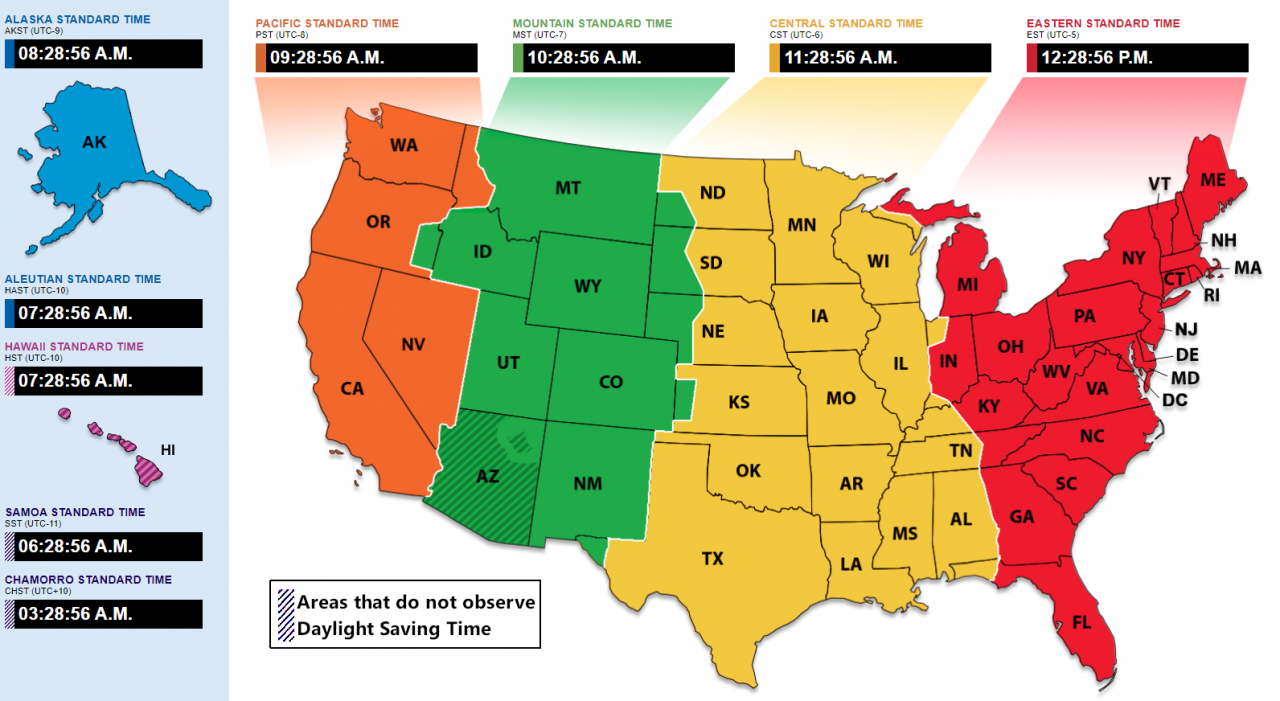
Hawaii’s Unique Time Zone: Hawaii Standard Time (HST)
Hawaii operates on Hawaii Standard Time (HST) year-round. This means that unlike the majority of the United States, there are no seasonal adjustments to the clocks. HST is consistently 10 hours behind Coordinated Universal Time (UTC-10). To put this into perspective relative to the mainland United States:
-
During Standard Time (roughly November to March), when most of the United States has “fallen back,” Hawaii is:
- 2 hours behind Pacific Standard Time (PST)
- 3 hours behind Mountain Standard Time (MST)
- 4 hours behind Central Standard Time (CST)
- 5 hours behind Eastern Standard Time (EST)
-
During Daylight Saving Time (roughly March to November), when most of the United States has “sprung forward,” Hawaii is:
- 3 hours behind Pacific Daylight Time (PDT)
- 4 hours behind Mountain Daylight Time (MDT)
- 5 hours behind Central Daylight Time (CDT)
- 6 hours behind Eastern Daylight Time (EDT)
This means that the time difference between Hawaii and the mainland United States shifts by an hour twice a year. For example, if you’re traveling from California to Hawaii in July, the time difference will be three hours. If you make the same trip in December, it will only be two hours. This constant time zone, free from the disruptions of DST, is shared with a few other United States territories, including American Samoa, Guam, the Northern Mariana Islands, Puerto Rico, and the U.S. Virgin Islands, as well as the states of Arizona (with some tribal exceptions) and parts of Indiana. Alaska, while not observing DST for its entire landmass, is largely exempt due to its far northern location.
The reason Hawaii has historically opted out of DST is primarily due to its geographic proximity to the equator. Unlike higher latitude regions where daylight hours fluctuate dramatically between seasons, Hawaii experiences relatively consistent day lengths throughout the year. Sunrise and sunset times vary only by about 1.5 hours between summer and winter. Moving the clocks forward an hour in spring would mean an earlier sunrise (around 5:00 AM) and an even later sunset (well past 7:00 PM), which is not particularly beneficial for a society that naturally aligns its daily rhythms with the sun’s consistent cycle. The consistency of HST ensures that the natural light patterns are respected, influencing everything from tourism activities to daily life for residents.
The Historical Context: A Brief Foray into DST
While Hawaii is well-known for not observing Daylight Saving Time, there was a brief period when the islands did experiment with it. In 1933, as part of a national push during the Great Depression to conserve energy and promote economic activity, Hawaii observed DST for a single year. The clocks were moved forward one hour from the last Sunday in April to the last Sunday in September. However, the experiment was met with widespread dissatisfaction and was quickly abandoned.
The reasons for its short-lived implementation and subsequent rejection are rooted in Hawaii’s unique tropical environment and lifestyle. Unlike temperate regions where longer summer evenings can be utilized for outdoor activities after work or school, Hawaii’s equatorial position means that daylight hours are already relatively stable and abundant. Pushing the clock forward resulted in extremely early sunrises, often before 5:30 AM, which many found disruptive to their sleep patterns and daily routines. Schoolchildren would be waiting for buses in near darkness, and many felt it didn’t align with the natural rhythms of the islands.
The primary arguments for DST – energy conservation and increased evening recreational time – simply didn’t hold the same weight in Hawaii. The state’s consistent daylight hours and its lifestyle, deeply connected to the natural environment, meant that the perceived benefits of DST were outweighed by the inconveniences. This historical anecdote underscores the state’s deep-seated preference for aligning with its natural solar clock, a choice that has endured for nearly a century and continues to shape the visitor experience today.
How No DST Impacts Travel and Tourism in Hawaii
The absence of Daylight Saving Time in Hawaii has several practical implications for travelers and significantly contributes to the unique tourism experience. It removes a layer of complexity and confusion that many experience when traveling between DST-observing and non-DST-observing regions.
Planning Your Hawaiian Getaway: Time Zones and Practicalities
One of the immediate effects for travelers is adjusting to the consistent time difference. When flying from the mainland United States, visitors will experience a time change that varies depending on the time of year. During the standard time months (winter), the difference is 2-5 hours. During DST months (spring/summer/fall), it’s 3-6 hours. This difference can be a double-edged sword:
- Jet Lag Management: For those traveling from the Pacific Ocean coast, the 2-3 hour difference is manageable, often resulting in minimal jet lag. Travelers from the East Coast, however, face a substantial 5-6 hour shift, which can lead to more significant jet lag. The good news is that upon arrival, your body will gradually adjust to the constant HST, without the added confusion of a mid-vacation clock change. Websites like
lifeoutofthebox.comoften provide excellent travel guides and tips on mitigating jet lag, which can be invaluable for a long-haul flight to Hawaii. - Communication with Home: Keeping in touch with family, friends, or colleagues back home requires careful planning, especially when the time difference shifts. During DST, when the gap widens, late-night calls for those in Hawaii might mean very early mornings for those on the East Coast. This can influence business travelers, for whom consistent communication with their mainland offices is crucial.
- Booking and Coordination: When booking flights, accommodation, and activities, always double-check the time zones. Most booking platforms will automatically adjust to your local time, but confirming that all times are displayed in HST once you’re on the islands is a good practice. Many of Hawaii’s top hotels and resorts, from the luxurious Four Seasons Resort Maui at Wailea to family-friendly options like Aulani, A Disney Resort & Spa on Oahu, are adept at guiding guests through time zone adjustments upon arrival.
The Rhythms of Island Life: Embracing Hawaii’s Natural Clock
The absence of DST profoundly influences the daily rhythm and lifestyle in Hawaii, contributing to its relaxed and natural vibe.
- Consistent Daylight: The stable sunrise and sunset times (around 6:00 AM and 6:30 PM, respectively, with minor seasonal variations) mean that the natural light cycle dictates daily activities. This allows for predictable planning of sunrise hikes up Diamond Head or sunset cruises off Maui’s coast. There’s no abrupt shift that pushes the sun’s peak activity later into the evening or makes mornings feel unnaturally dark.
- Outdoor Activities: Hawaii’s vibrant tourism industry thrives on its outdoor attractions. Surfing lessons, snorkeling tours at Hanauma Bay, hiking through lush rainforests on Kauai, or exploring the volcanic landscapes of Hawaii Volcanoes National Park on the Big Island all benefit from this predictable light. Restaurants, shops, and tour operators don’t have to adjust their hours according to an artificial clock change, leading to consistent operational schedules for tourists.
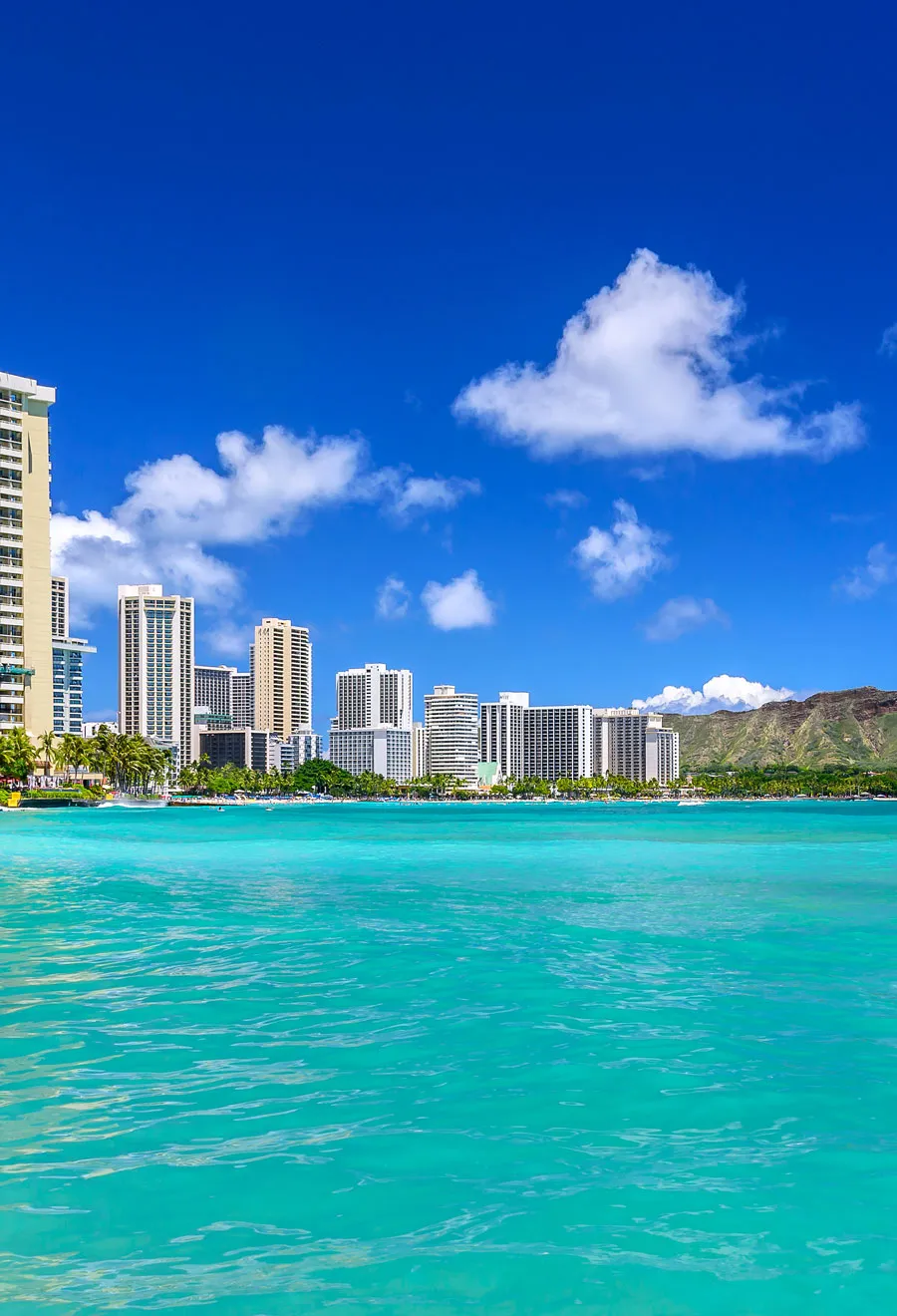
- Local Culture and Relaxation: The Hawaiian concept of mana (spiritual energy) and aloha (love, peace, compassion) is deeply intertwined with the natural environment. The consistent time zone fosters a sense of timelessness and connection to nature. Visitors can truly unwind and let their internal clocks align with the sun, moon, and tides, rather than a man-made adjustment. This consistency allows for a more authentic experience of the local culture and lifestyle, which emphasizes harmony with the environment. Whether enjoying a traditional luau at sunset or simply strolling along Waikiki Beach, the consistent natural light enhances the experience.
Exploring Hawaii Without the Time Change Hassle
The beauty of Hawaii’s non-DST policy is that it simplifies your travel experience, allowing you to focus on the myriad of wonders the islands have to offer. Without the concern of changing clocks, you can truly settle into the rhythm of paradise.
Popular Destinations and Activities Aligned with HST
Every island in Hawaii offers a unique slice of paradise, and the consistent HST ensures that your enjoyment of these destinations remains uninterrupted.
- Oahu: The Gathering Place: As the most populated island, Oahu boasts the capital city of Honolulu and iconic Waikiki Beach. Visitors can seamlessly transition from early morning surf sessions to exploring historical landmarks like Pearl Harbor or hiking Diamond Head for panoramic views. Accommodation options range from grand hotels like the Moana Surfrider, A Westin Resort & Spa and The Royal Hawaiian, a Luxury Collection Resort in Waikiki to family resorts on the leeward coast. The consistent daylight hours make planning day trips to the North Shore for big wave surfing or visiting the Polynesian Cultural Center straightforward.
- Maui: The Valley Isle: Famed for its stunning beaches, luxurious resorts in Wailea and Kaanapali, and the scenic Road to Hana, Maui beckons travelers seeking relaxation and adventure. Popular resorts such as The Ritz-Carlton, Kapalua and Four Seasons Resort Maui at Wailea offer unparalleled amenities. The consistent sunrise times are perfect for those who wish to catch the breathtaking dawn at Haleakala Crater, while predictable sunsets enhance the magic of a romantic dinner in Lahaina.
- Kauai: The Garden Isle: With its dramatic Na Pali Coast, lush valleys, and cascading waterfalls, Kauai is a haven for nature lovers and adventurers. Activities like helicopter tours, kayaking the Wailua River, or hiking the Kalalau Trail are easier to schedule without clock changes. Resorts like Koloa Landing Resort at Poipu, Autograph Collection provide an ideal base for exploration, ensuring consistent schedules for their tours and amenities.
- Big Island: Hawaii Island: Home to active volcanoes, black sand beaches, and the towering peak of Mauna Kea, the Big Island offers diverse landscapes. Exploring Hawaii Volcanoes National Park or stargazing from Mauna Kea is an unparalleled experience, with the natural light cycles consistently guiding the best viewing times. Whether you choose to stay in Kona or Hilo, the lack of DST ensures your tours and activities, from coffee farm visits to manta ray dives, adhere to reliable schedules.
Maximizing Your Hawaiian Vacation: Tips for Time Management
To make the most of your trip, consider these tips regarding Hawaii’s unique time zone:
- Embrace the Morning: With consistent early sunrises, Hawaii is a morning person’s paradise. Plan early activities like snorkeling, hiking, or surfing to beat the crowds and enjoy the cooler temperatures. Many local businesses, especially those catering to tourists, start operations quite early.
- Allow for Adjustment: Especially if traveling from the East Coast, give yourself a day or two to adjust. Don’t overschedule your first couple of days. Enjoy the hotel amenities, relax by the pool, or take a gentle stroll along the beach.
- Stay Hydrated and Active: Combating jet lag involves staying well-hydrated, avoiding excessive caffeine and alcohol on travel days, and exposing yourself to natural light upon arrival to help reset your circadian rhythm.
- Communicate Wisely: If you need to stay in touch with work or family on the mainland, be mindful of the significant time difference, particularly during DST on the mainland. Schedule calls during Hawaii’s mid-morning or early afternoon to align with their business hours or evenings.
- Utilize Technology: Your smartphone or smartwatch will automatically adjust to HST upon arrival. For seamless planning, use world clock apps to easily keep track of the time back home relative to Hawaii.
In conclusion, the fact that Hawaii does not observe Daylight Saving Time is more than just a trivial detail; it’s an integral part of what makes the islands so special. It contributes to a consistent, predictable environment that aligns with the natural beauty and relaxed pace of island life. This consistency simplifies travel planning, enhances the enjoyment of Hawaii’s myriad attractions, and allows visitors to truly disconnect from the hurried pace of the modern world. So, as you prepare for your journey to paradise, rest assured that the clocks will remain steady, allowing you to fully immerse yourself in the timeless magic of the Aloha State.
LifeOutOfTheBox is a participant in the Amazon Services LLC Associates Program, an affiliate advertising program designed to provide a means for sites to earn advertising fees by advertising and linking to Amazon.com. Amazon, the Amazon logo, AmazonSupply, and the AmazonSupply logo are trademarks of Amazon.com, Inc. or its affiliates. As an Amazon Associate we earn affiliate commissions from qualifying purchases.