
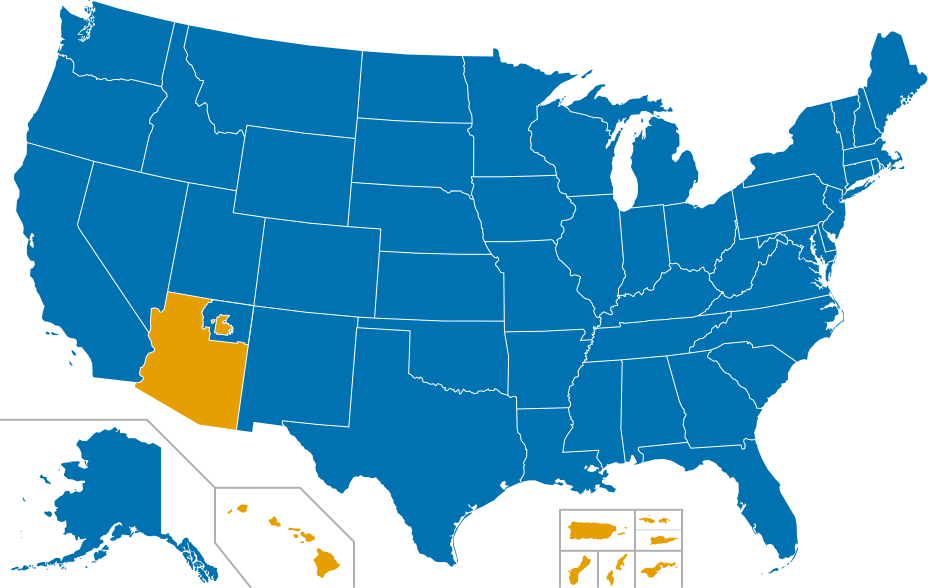
For many travelers planning a trip to the enchanting islands of Hawaii, understanding the local time can be a surprising point of confusion. Amidst the excitement of envisioning pristine beaches, volcanic landscapes, and vibrant culture, a fundamental question often arises: “Does Hawaii observe Daylight Saving Time?” The simple and unequivocal answer, which often brings a sense of delightful relief to those seeking a truly relaxed escape, is no. Hawaii does not use Daylight Saving Time, maintaining a consistent time year-round.
This fact is a cornerstone of the unique rhythm of life in the Aloha State. While most of the United States “springs forward” and “falls back” annually, Hawaii remains steadfast on Hawaii Standard Time (HST). This constant offers a subtle yet significant contribution to the islands’ laid-back atmosphere, allowing both residents and visitors to settle into a predictable daily flow unburdened by biannual clock adjustments. For anyone planning a luxurious resort stay, an adventurous exploration of natural wonders, or an immersive cultural experience, understanding this time zone consistency is key to a seamless and enjoyable journey.
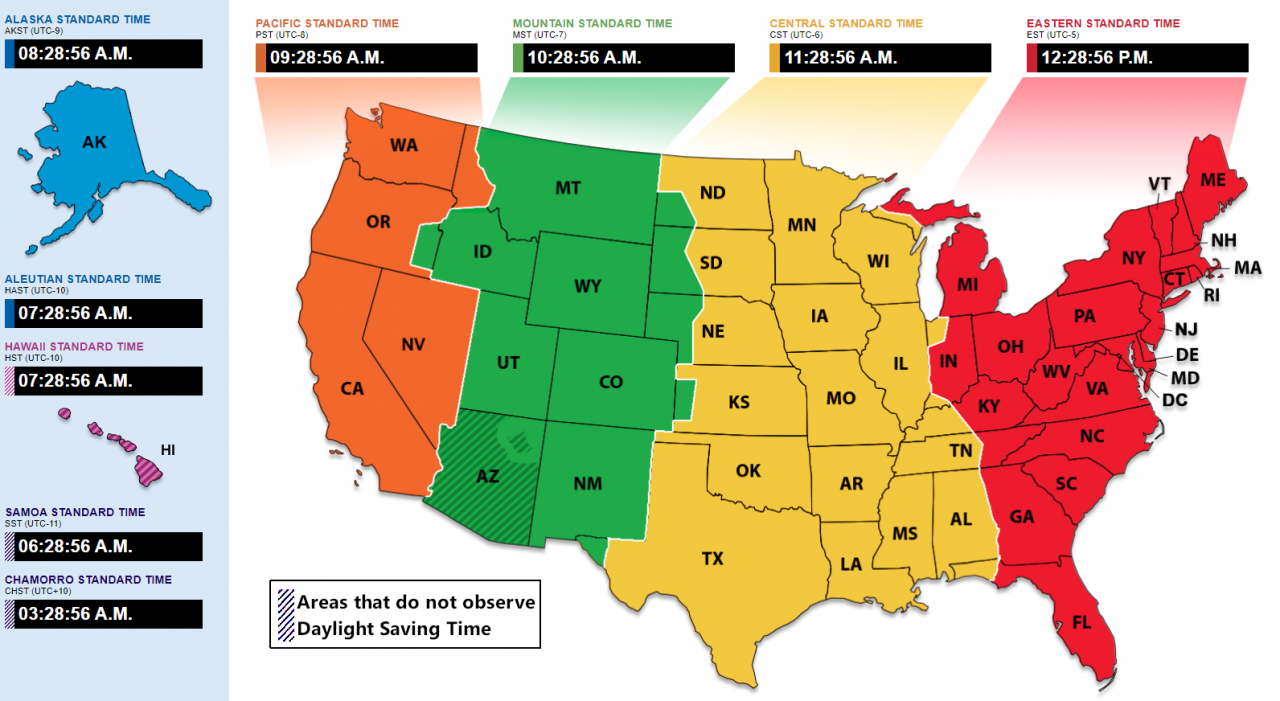
The Simple Answer: Hawaii Standard Time (HST)
The decision for Hawaii to opt out of Daylight Saving Time is rooted in a combination of geographical factors and legislative choice, making Hawaii Standard Time a unique constant in the ever-shifting global clock.
A Year-Round Constant: No DST for the Aloha State
Since 1967, two years after the United States passed the Uniform Time Act, Hawaii officially exempted itself from observing Daylight Saving Time. This means that unlike the vast majority of U.S. states, the clocks in Hawaii never change. From the bustling streets of Honolulu on Oahu to the tranquil shores of Maui, the lush landscapes of Kauai, and the volcanic expanses of the Big Island (also known as the Island of Hawaii), the time remains fixed on Hawaii Standard Time.
This consistency stands in stark contrast to mainland experiences, where the shift to and from Daylight Saving Time can disrupt sleep patterns, alter commuting schedules, and cause general disorientation for a few days or weeks. In Hawaii, however, the sun rises and sets at roughly the same local time throughout the year, offering a predictable rhythm that complements the islands’ natural beauty and relaxed lifestyle. This predictability is a subtle amenity, a part of the overall experience of escaping the rush and embracing the “mana” (spirit) of the islands. Whether you’re planning a morning surf session in Waikiki or an evening luau, you can count on the local clock to remain steady.
The Historical Context of Hawaii’s Time Zone Choice
The decision to forego Daylight Saving Time wasn’t arbitrary but rather a logical conclusion based on Hawaii’s unique geographical position. Situated much closer to the equator than most of the continental United States, the islands experience far less variation in daylight hours between summer and winter. In regions further north or south, Daylight Saving Time was introduced primarily to make better use of natural daylight, moving an hour of daylight from the morning to the evening during warmer months. This was seen as a way to save energy, extend productive daylight hours, and boost retail sales and outdoor activities.
However, in Hawaii, the longest day of the year (summer solstice) is only about two and a half hours longer than the shortest day (winter solstice). For example, in Honolulu, the sun might rise around 5:45 AM and set around 7:15 PM in summer, and rise around 6:50 AM and set around 5:50 PM in winter. These minor shifts mean there is simply no practical benefit to adjusting the clocks. Implementing Daylight Saving Time would only serve to confuse residents and visitors without providing any significant advantage in terms of energy savings or extended evening light. The islands’ consistent tropical climate and consistent day length make the traditional arguments for DST irrelevant, reinforcing Hawaii’s status as a timeless paradise.
Understanding Hawaii’s Unique Time Zone in Relation to the Mainland
For visitors from the mainland United States, the most significant impact of Hawaii not observing Daylight Saving Time is the shifting time difference throughout the year. This requires a little mental arithmetic, particularly when coordinating travel plans, business calls, or simply telling loved ones back home about your day.
Bridging the Time Gap: HST vs. Pacific, Mountain, Central, and Eastern Time
Because Hawaii remains on Hawaii Standard Time year-round, the time difference with the rest of the United States changes when those regions switch to or from Daylight Saving Time.
-
During Standard Time (typically November to March):
- Hawaii Standard Time (HST) is 2 hours behind Pacific Standard Time (PST). So, if it’s 10 AM HST, it’s 12 PM PST.
- HST is 3 hours behind Mountain Standard Time (MST). (Note: States like Arizona and some parts of Indiana do not observe DST, so their difference with Hawaii remains constant.)
- HST is 4 hours behind Central Standard Time (CST).
- HST is 5 hours behind Eastern Standard Time (EST).
-
During Daylight Saving Time (typically March to November):
- When the mainland switches to Daylight Saving Time (e.g., Pacific Daylight Time (PDT), Mountain Daylight Time (MDT), Central Daylight Time (CDT), Eastern Daylight Time (EDT)), the time difference with Hawaii increases by one hour.
- HST is 3 hours behind Pacific Daylight Time (PDT). So, if it’s 10 AM HST, it’s 1 PM PDT.
- HST is 4 hours behind Mountain Daylight Time (MDT).
- HST is 5 hours behind Central Daylight Time (CDT).
- HST is 6 hours behind Eastern Daylight Time (EDT).
This fluctuating difference means a little extra planning for anyone trying to sync up with the mainland, whether it’s for a family video call, a remote work meeting, or catching a live sporting event. It also means that inbound flights might arrive at a seemingly earlier time relative to your departure point.
Why the Aloha State Stands Apart: Geographical and Lifestyle Factors

Hawaii’s distinct approach to time is deeply intertwined with its geographical reality and the resulting lifestyle. Located in the middle of the Pacific Ocean, thousands of miles from the continental United States, the islands enjoy a tropical climate characterized by relatively stable daylight hours throughout the year. This equidistant relationship to the seasons, unlike temperate zones in North America, Europe, or Asia, negates the primary arguments for Daylight Saving Time.
Beyond the purely practical considerations, Hawaii’s timeless approach aligns perfectly with its cultural emphasis on “pau hana” (after work) relaxation, enjoying the natural environment, and living in harmony with the cycles of the sun and sea. The consistent daylight allows for predictable schedules for outdoor activities like surfing, snorkeling, hiking up Diamond Head, or exploring the Na Pali Coast. This unwavering rhythm enhances the feeling of stepping into a different world, one where the urgency of the mainland gives way to the gentle flow of island life. It supports the perception of Hawaii as an escape, a place where the stress of constantly checking time zones and adjusting to seasonal clock changes simply melts away.
Practical Implications for Travelers to the Hawaiian Islands
For most visitors, the fact that Hawaii does not observe Daylight Saving Time primarily impacts two key areas: managing jet lag and coordinating plans with people or businesses outside the islands. Understanding these nuances can significantly enhance your travel experience.
Navigating Jet Lag and Planning Your Hawaiian Adventure
Jet lag is an almost inevitable part of traveling across multiple time zones, and the significant time difference between Hawaii and the mainland United States means it’s a common experience for many visitors. When traveling west to Hawaii, you are effectively gaining hours, which can make you feel sleepy earlier in the evening and wake up earlier in the morning than usual. The lack of Daylight Saving Time means that this time difference is either 5 or 6 hours from the East Coast, 4 or 5 from the Central U.S., and 2 or 3 hours from the West Coast.
To minimize the effects of jet lag and maximize your enjoyment of Hawaii’s incredible attractions, consider these tips:
- Adjust Before You Go: A few days before your flight, try to gradually shift your sleep schedule closer to Hawaii Standard Time.
- Stay Hydrated: Drink plenty of water before, during, and after your flight.
- Embrace the Sun: Upon arrival in Honolulu, Kona, Hilo, or Lihue, expose yourself to natural light, especially in the mornings, to help reset your internal clock.
- Prioritize Sleep: Get good rest on your first few nights. Many Hawaii hotels and resorts are designed for ultimate comfort, offering luxurious bedding and tranquil environments conducive to restful sleep.
- Plan Low-Key First Days: Don’t overschedule your initial days. Instead, ease into island life with relaxing beach time, exploring your resort amenities, or enjoying a leisurely meal in Lahaina or Waikiki. This allows your body to adjust naturally before tackling more strenuous activities like hiking to the summit of Haleakala or exploring Pearl Harbor.
The Impact on Communication, Business, and Booking Activities
The consistent, year-round time zone in Hawaii simplifies local life, but it adds a layer of consideration for those needing to communicate or conduct business with the mainland United States or international destinations.
- Communicating with Home: When calling family or friends, always double-check the current time difference. Remember that the gap widens by an hour when the mainland observes Daylight Saving Time. This is especially relevant for remote workers enjoying a long-term stay in a Hawaii villa or apartment, who need to coordinate virtual meetings with colleagues in different time zones.
- Business Operations: For businesses operating between Hawaii and the mainland, meticulous scheduling is crucial. Flight schedules, supply chain logistics, and conference calls all need to account for the varying time differences throughout the year.
- Booking Activities and Tours: When booking tours, excursions, or dining reservations, it’s always based on Hawaii Standard Time. This simplifies things locally, as you never have to worry about the tour operator suddenly shifting their start times due to a clock change. From a sunrise viewing at Haleakala to a visit to the Polynesian Cultural Center or a dive trip to explore vibrant coral reefs, all timings are stable.
- Flight Schedules: When booking flights, ensure you understand arrival and departure times in local time. A flight departing Los Angeles at 9 AM Pacific Daylight Time and arriving in Honolulu 5.5 hours later will land at approximately 11:30 AM Hawaii Standard Time (9 AM PDT + 5.5 hours = 2:30 PM PDT; 2:30 PM PDT is 11:30 AM HST, due to the 3-hour difference). This can make a long journey feel deceptively shorter on the clock.
Embracing Hawaii’s Timeless Charm: Beyond the Clock
The decision for Hawaii to forgo Daylight Saving Time is more than just a legislative quirk; it’s an integral part of what makes the islands so uniquely appealing as a travel destination. It contributes to the relaxed cadence of life and subtly shapes the visitor experience.
The Consistent Rhythm of Hawaiian Days and Nights
Imagine waking up to the gentle sounds of the Pacific Ocean with the sun peeking over the horizon at a consistent time, day after day, regardless of the season. In Hawaii, this predictable rhythm fosters a sense of timelessness, a break from the temporal demands of the modern world. The natural light cycles become your primary guide, encouraging early mornings to catch the perfect surf or witness a spectacular sunrise, and evenings filled with tranquil sunsets and starlit skies.
This constancy affects everything from meal times to leisure activities. Resorts and hotels, like the Grand Hyatt Hotel or the Four Seasons Resort on Maui, operate on a predictable schedule, allowing guests to fully immerse themselves in the amenities, whether it’s a morning yoga session, an afternoon spa treatment, or an evening cultural show. The consistent daylight also means that planning outdoor excursions to natural landmarks like the active volcanoes of Kilauea or the pristine beaches is straightforward, without the need to factor in an annual clock shift. This contributes to the overall “pau hana” (end of work) culture, where the transition from work or activity to relaxation is fluid and dictated by nature’s clock, not an artificial adjustment.
Maximizing Your Experience in Paradise: Tips for a Seamless Trip
To truly embrace the timeless charm of Hawaii and ensure a seamless travel experience, keep these final tips in mind:
- Trust Local Time: Once you arrive, reset your watches and devices to Hawaii Standard Time and try to forget about other time zones. Immerse yourself in the local pace.
- Embrace Early Mornings: Due to the time difference, many visitors find themselves naturally waking up early. Embrace this! It’s the perfect opportunity to witness stunning sunrises, enjoy quiet beaches, or get a head start on popular attractions before the crowds arrive.
- Use Technology Wisely: Your smartphone and computer should automatically adjust to local time upon arrival, making it easier to track your schedule. However, always confirm meeting or booking times if they involve mainland contacts.
- Plan Communication: If you need to regularly communicate with family, friends, or colleagues on the mainland, establish a clear window of time that works for everyone, factoring in the time difference.
- Relax and Unwind: Perhaps the greatest tip is to let go of the rigid schedules and fast pace of home. Hawaii’s consistent time, combined with its breathtaking beauty and vibrant local culture, encourages a slower, more mindful approach to life.
In conclusion, Hawaii’s choice to remain on Hawaii Standard Time year-round is a defining characteristic of its identity. It simplifies the rhythm of daily life on the islands, contributing to the serene and predictable environment that draws millions of travelers seeking an escape. While it requires a slight adjustment for visitors from Daylight Saving Time-observing regions, this unique aspect ultimately enhances the feeling of truly being in paradise, where the sun and stars dictate the flow of time, and every moment can be savored without the artificial ticking of a biannual clock change. So, when you plan your next unforgettable journey to Hawaii, rest assured that one thing you won’t have to worry about is adjusting your watch. The islands are waiting, perfectly synchronized with nature’s clock.
LifeOutOfTheBox is a participant in the Amazon Services LLC Associates Program, an affiliate advertising program designed to provide a means for sites to earn advertising fees by advertising and linking to Amazon.com. Amazon, the Amazon logo, AmazonSupply, and the AmazonSupply logo are trademarks of Amazon.com, Inc. or its affiliates. As an Amazon Associate we earn affiliate commissions from qualifying purchases.