
When planning a getaway to the Gem State, travelers often focus on the breathtaking vistas of the Sawtooth Mountains or the adrenaline-pumping whitewater of the Salmon River. However, savvy travelers know that the most successful trip requires a firm grasp of the local economic landscape. Understanding the tax implications of your purchases—from a boutique souvenir in Ketchum to a hearty meal in Boise—is essential for effective budget planning.
The short answer is yes: Idaho does indeed have a state sales tax. While the state is often viewed as a destination for outdoor enthusiasts and those seeking affordable mountain luxury, it operates a standardized tax system that applies to most retail sales and taxable services.
Understanding the Idaho State Sales Tax Rate
Navigating the financial requirements of a new destination can be daunting, but Idaho maintains a relatively straightforward approach compared to some of its neighbors.
The Statewide Baseline
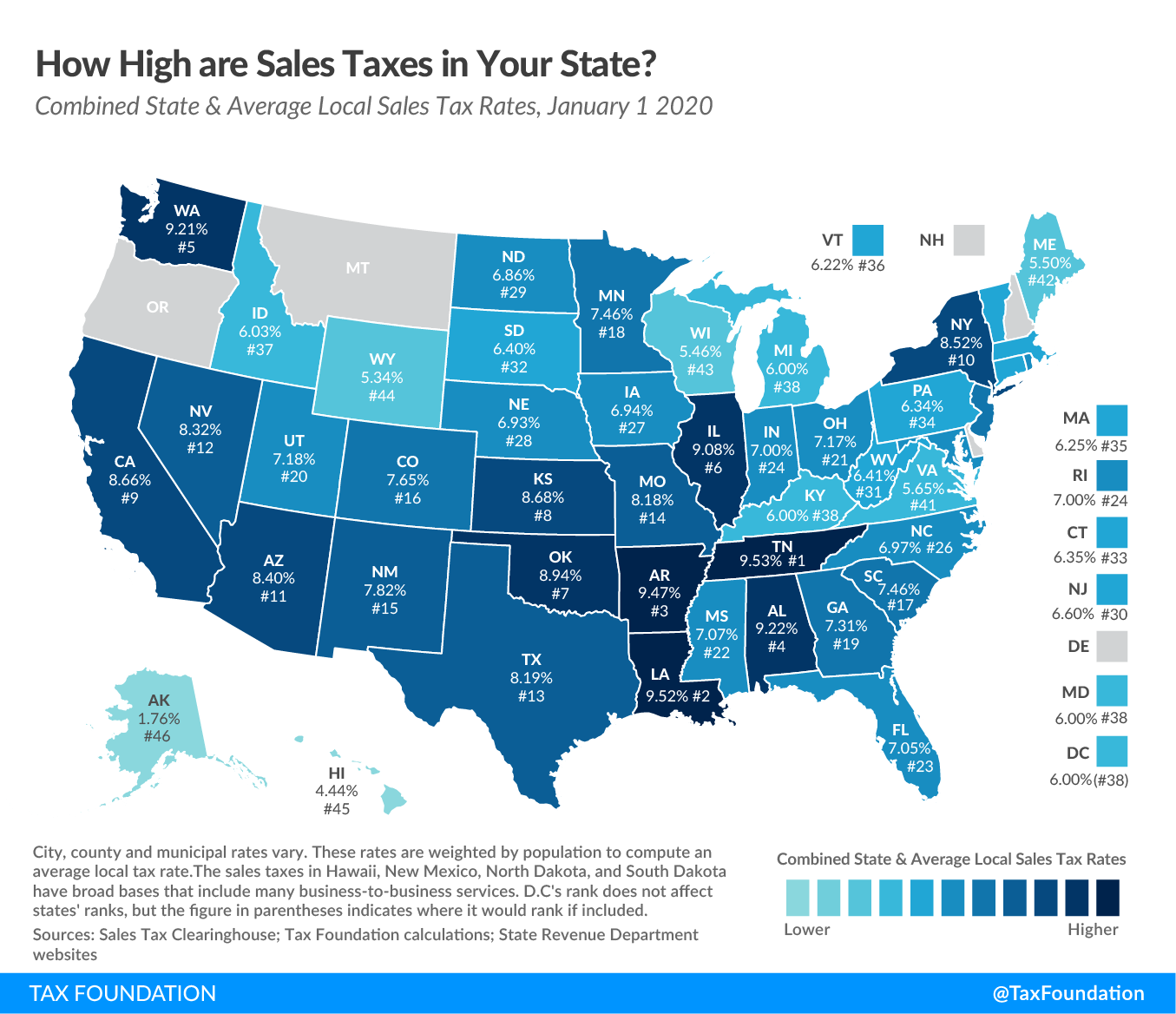
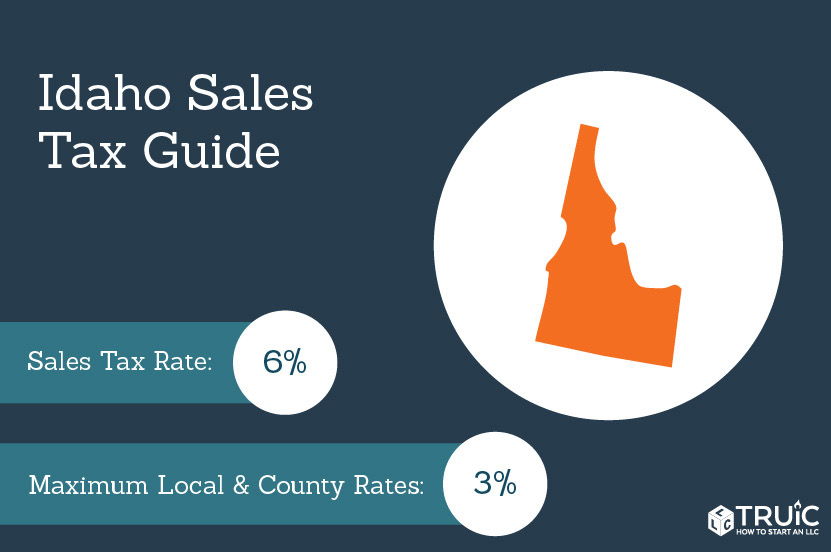
The statewide sales tax rate in the United States varies significantly by region, but Idaho anchors its rate at a flat 6%. This rate is applied to the sale price of most tangible personal property and specific services rendered within the state. Whether you are grabbing a quick coffee at a café in Coeur d’Alene or shopping for outdoor gear in Sun Valley, you will encounter this base rate at the point of sale.
Local Option Taxes
While the 6% rate is the statewide standard, visitors should be aware that local municipalities often levy additional “local option” taxes. This is particularly common in popular tourist hubs. In towns where tourism infrastructure requires significant investment, you may find an additional 1% to 3% added to your bill for specific items, such as restaurant meals or lodging. For instance, if you are staying at a lodge in Stanley, your final folio may reflect these local surcharges. Always check your receipt to understand how much of your total is going toward state versus local contributions.
Tax Implications for Travelers and Tourists
For the traveler, these taxes are not merely administrative hurdles; they are a factor in your total cost of travel. When budgeting for a trip to North America, factoring in these percentages ensures you aren’t surprised when checking out of a hotel or settling a restaurant bill.
Dining and Entertainment Expenses
In many states, food items are taxed differently than retail goods. In Idaho, prepared food—such as a meal at a bistro in Twin Falls—is generally subject to sales tax. If you are grocery shopping for a camping trip in McCall, you will find that most unprepared food items (groceries) are subject to the same tax laws, though specific exemptions may apply depending on the item.
Lodging and Rental Taxes
Lodging is perhaps the most significant area where tax impacts your wallet. Beyond the 6% state sales tax, many cities impose a “bed tax” or “tourism tax” on short-term rentals, hotels, and resorts. When booking a room at a high-end resort in Sandpoint, you should expect the advertised price to be exclusive of these cumulative taxes. Being prepared for these extra percentages at checkout helps maintain the integrity of your travel budget.
Maximizing Your Budget in the Gem State
Knowing that Idaho has a sales tax allows you to plan strategically. By understanding the fiscal environment, you can better allocate your funds for the experiences that matter most, whether that involves guided fishing trips or premium lodging.
Planning for the Total Cost of Ownership
When you look at a rental car agency or an adventure tour operator, always remember that the price quoted is rarely the final price. To avoid “sticker shock,” calculate an additional 6% to 9% on top of advertised rates to account for state and local taxes. This buffer is especially important for those traveling to Idaho Falls or Pocatello, where local option taxes might be more prevalent due to the high volume of visitors.
Exemptions and Niche Categories
Not everything in Idaho is taxed. It is useful to note that the state does not tax certain services, and there are specific exemptions for items that are considered necessities. While this rarely affects the casual tourist—as most of your spending will be on taxable items like lodging, meals, and souvenirs—it is helpful to know that if you are purchasing specific types of equipment or services for professional use, you might be exempt. For the average leisure traveler, however, expect to pay the tax on almost every transaction involving goods or hospitality.
Tips for Savvy Spending While Traveling
The goal of any well-planned trip to places like the Craters of the Moon National Monument and Preserve is to extract maximum value from every dollar spent.
- Check the Final Bill: Always review your bill for separate line items labeled “tax,” “local tax,” or “service fee.” If you see a charge that seems unusually high, inquire about the local option tax.
- Book in Advance: When booking online for stays in Moscow or Lewiston, use platforms that explicitly show the “taxes and fees” before you click confirm.
- Use Cash Wisely: In some smaller, remote towns in Idaho, small merchants may appreciate cash transactions. While this does not negate the sales tax, it can sometimes help you avoid secondary processing fees associated with credit cards.
- Research Municipalities: If you are debating between two destinations, check if one has a higher local option tax than the other. Sometimes, a slightly higher room rate in a town with lower local taxes ends up being cheaper than a lower room rate in a town with heavy tourism surcharges.
Conclusion: Preparing for Your Trip
Idaho is a destination of immense natural beauty and vibrant local culture. While the presence of a 6% state sales tax and potential local surcharges might seem like a small detail, acknowledging these costs at the outset allows you to focus on what truly matters: the experience.
From the volcanic landscapes surrounding Rexburg to the quiet, serene waters of Lake Coeur d’Alene, the state offers a wealth of opportunities for exploration. By arming yourself with the knowledge of how your travel dollars are distributed, you can enjoy your time in the Pacific Northwest with confidence, ensuring your finances remain as balanced as your itinerary. Remember to factor these costs into your overall travel budget, keep an eye on your receipts, and enjoy every moment of your adventure in the stunning wilderness of the Gem State. Whether you are passing through Nampa or settling into a long-term rental in Meridian, understanding the tax structure is just one more way to travel smarter and stay longer.
LifeOutOfTheBox is a participant in the Amazon Services LLC Associates Program, an affiliate advertising program designed to provide a means for sites to earn advertising fees by advertising and linking to Amazon.com. Amazon, the Amazon logo, AmazonSupply, and the AmazonSupply logo are trademarks of Amazon.com, Inc. or its affiliates. As an Amazon Associate we earn affiliate commissions from qualifying purchases.