
Mention the word “snow” in the same breath as “Florida,” and you’ll likely be met with chuckles, quizzical looks, or outright disbelief. The Sunshine State is globally synonymous with perpetual warmth, sun-drenched beaches, and a climate that perpetually beckons those escaping colder climes. Its identity is inextricably linked to balmy temperatures, swaying palm trees, and the constant hum of outdoor activities, even in the heart of winter. So, the question, “Does it ever snow in Florida?”, isn’t just a casual query; it delves into the very essence of its meteorological character and, by extension, its enduring appeal as a premier travel destination.
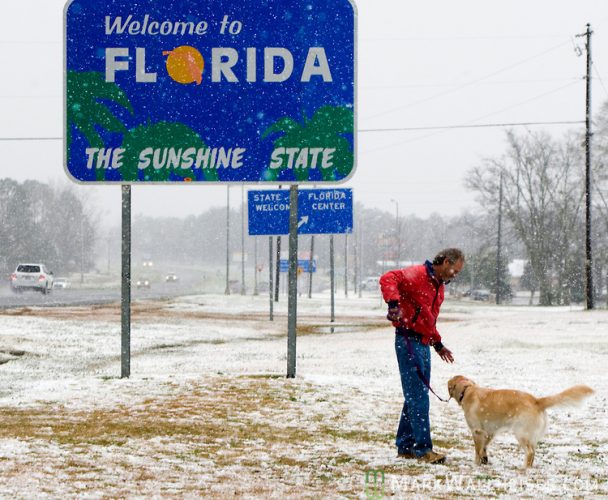
For countless tourists embarking on Florida trips and seeking the ultimate winter escape, the notion of encountering a flurry is as fantastical as spotting a yeti on South Beach. Yet, the answer, surprisingly, is yes – albeit with significant caveats. Snowfall in Florida is an exceedingly rare and often fleeting phenomenon, more a whisper of winter than a full-blown blizzard. It’s an event so uncommon that it typically makes national news and becomes a cherished, if brief, memory for those lucky enough to witness it. This article will explore the historical instances of Florida’s fleeting trysts with snow, delve into the meteorological reasons behind its scarcity, and, more importantly, highlight the true winter wonders that define the Sunshine State for travelers seeking warmth, adventure, and unparalleled experiences.
A Glimpse into Florida’s Rare Winter White: Historical Snowfall Events
While the image of a snow-covered Florida might seem like an oxymoron, history records several remarkable instances when the Sunshine State received a dusting, or even a measurable accumulation, of snow. These events are so infrequent that they are typically etched into local lore and talked about for decades. They serve as fascinating anecdotes for meteorologists and a stark reminder that even the warmest places can, under extraordinary circumstances, feel a momentary chill.
Tracing the Frosty Footprints: Notable Occurrences Across the Sunshine State
The most famous and widespread snowfall event in Florida’s modern history occurred on January 19, 1977. This was a truly unprecedented day when snow fell across virtually the entire state, reaching as far south as Homestead and Miami. It was the first time in recorded history that snow had been observed in Miami, causing widespread awe and disruption. Residents of Jacksonville, Orlando, and Tampa also woke up to a thin blanket of white, leading to surreal scenes of palm trees dusted with snow and bewildered locals experiencing a phenomenon they’d only ever seen on television. The National Weather Service confirmed accumulations, with some northern parts of the state seeing several inches.
Other notable, though less widespread, events include:
- February 13, 1899: This date holds the record for the coldest temperature ever recorded in Florida (–2°F in Tallahassee). It was accompanied by significant snowfall in northern and central Florida, with some reports of up to 4 inches in parts of the Panhandle.
- December 23, 1989: A severe cold snap brought snow flurries to much of northern Florida, including Jacksonville, just before Christmas. While accumulations were generally light, it provided a rare white Christmas for some lucky residents.
- March 1993 (The “Storm of the Century”): While primarily known for its devastating blizzard conditions in the northeastern United States, this massive storm also brought significant snowfall to parts of the Florida Panhandle. Pensacola reported several inches of snow, creating unusual scenes for a state so accustomed to warmth.
- January 9, 2010: A light dusting of snow was observed in several northern Florida cities, including Jacksonville, Tallahassee, and Gainesville, creating a minor sensation.
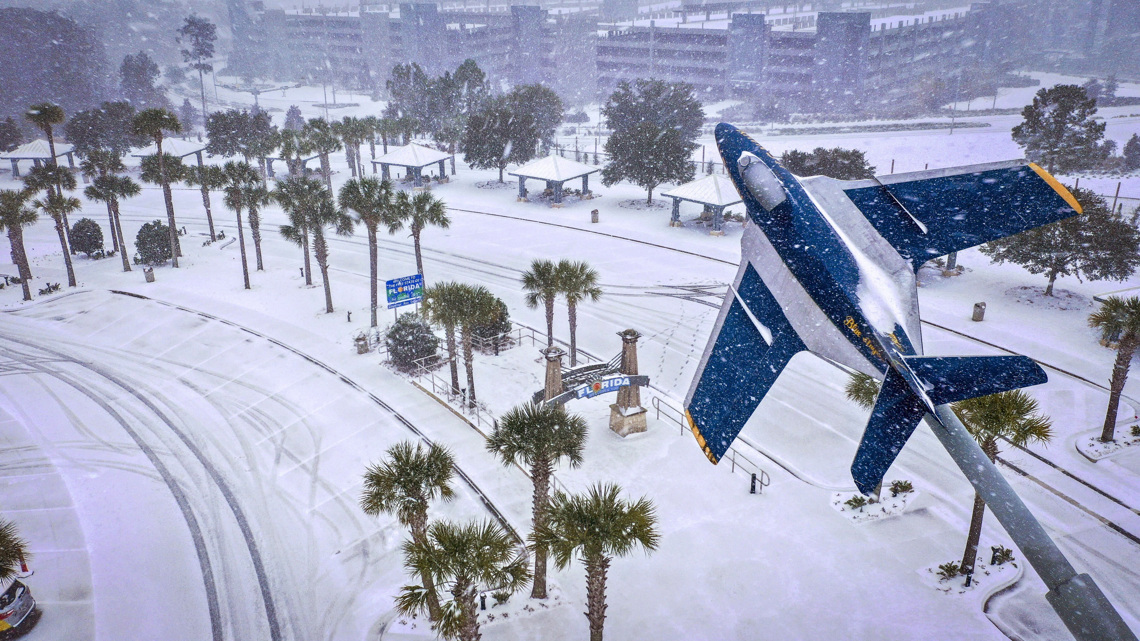
- January 3, 2018: This was another significant event, primarily impacting the Panhandle and parts of northern Florida. Tallahassee received its first measurable snowfall in nearly three decades, with reports of up to 0.1 inches. The capital city experienced school closures and widespread excitement as residents captured photos of snow on palm fronds.
These rare occurrences are powerful reminders that while snow is not a regular feature of Florida’s climate, it is not entirely impossible. For those considering accommodation options in Florida, it’s safe to say that a heated pool and air conditioning will be far more relevant amenities than a snow shovel.
The Science Behind the Scarcity: Why Snow is a Florida Anomaly
The primary reason snow is such a rare sight in Florida boils down to a fundamental meteorological requirement: temperature. For snow to form and reach the ground without melting, the entire atmospheric column, from the clouds to the surface, must be at or below freezing (32°F or 0°C). Florida’s geographical location makes this a rare alignment of conditions.
- Latitude: Florida is the southernmost state in the continental United States, stretching deep into the subtropics. Its low latitude means it receives a high angle of solar radiation year-round, contributing to warmer temperatures.
- Proximity to Water: The state is a peninsula, surrounded by the warm waters of the Gulf of Mexico to the west and the Atlantic Ocean to the east. These vast bodies of water have a moderating effect on temperatures, keeping them warmer in winter and cooler in summer compared to inland areas at similar latitudes. The Gulf Stream, a powerful ocean current carrying warm water from the Caribbean Sea, further contributes to Florida’s temperate climate, particularly along its eastern coast.
- Lack of Consistent Cold Air Masses: For snow to reach Florida, a significant and sustained blast of cold, dry air from the Arctic or northern Canada must push unusually far south. Even when cold fronts do reach Florida, they often lose much of their intensity and moisture by the time they arrive. Furthermore, the air mass typically picks up warmth and moisture as it travels over the Gulf of Mexico or the Atlantic, making it difficult for temperatures to remain below freezing through the entire atmospheric column for long enough to produce snow.
In essence, while the very northern reaches of Florida, particularly the Panhandle, occasionally experience temperatures cold enough for snow, the perfect confluence of a deep freeze, sufficient moisture, and appropriate atmospheric conditions is a truly exceptional event for the majority of the state. Travelers planning their Florida vacation can rest assured that packing for warmth is always the wisest choice.
Beyond the Blizzard Myth: Embracing Florida’s Year-Round Appeal
While the rare occurrence of snow in Florida offers a quirky historical footnote, it in no way defines the state’s winter experience. Instead, Florida’s true allure lies in its consistent warmth, vibrant outdoor activities, and a wealth of attractions that shine brightest during the cooler, drier months. For those seeking to escape the grip of northern winters, Florida represents an irresistible promise of sun, sand, and endless possibilities. This makes it a prime tourism hub, appealing to a wide range of lifestyles, from luxury travelers to budget-conscious adventurers and family trips.
Sun, Sand, and Seasonal Splendor: What Truly Defines Florida’s Winters
Forget the heavy coats and icy roads; a Florida winter is characterized by mild temperatures, abundant sunshine, and low humidity. Average daytime temperatures typically range from the low 60s to mid-70s Fahrenheit (15-24°C) across the state, making it ideal for everything from beach lounging to exploring nature trails. South Florida and the Florida Keys offer even warmer conditions, often staying in the comfortable 70s (°F) through much of the season.
This pleasant climate opens up a world of outdoor activities that are simply not feasible in colder regions:

- Beach Escapes: Miles of pristine coastline, from the white sands of Clearwater Beach and Siesta Key Beach to the vibrant shores of Miami and the tranquil beauty of Sanibel Island, invite visitors to swim, sunbathe, shell-collect, and enjoy water sports.
- World-Class Theme Parks: Winter is often considered one of the best times to visit Orlando’s iconic theme parks, such as Walt Disney World Resort, Universal Orlando Resort, and SeaWorld Orlando. The cooler temperatures make for more comfortable park navigation, and while crowds can still be significant during holiday periods, they are often less oppressive than in the scorching summer months.
- Nature and Wildlife Exploration: Florida’s diverse ecosystems truly come alive in winter. Explore the unique wetlands of Everglades National Park, kayak through mangrove tunnels, spot manatees in warm springs, or hike through state parks without the oppressive heat and humidity of summer. Places like Biscayne National Park and Dry Tortugas National Park offer unparalleled natural beauty accessible by boat.
- Cultural and Historical Discoveries: Winter is perfect for strolling through the historic streets of St. Augustine Historic District, America’s oldest continuously inhabited European-established settlement, or exploring the vibrant local culture and food scenes in cities like Tampa and Sarasota.
- Space Coast Adventures: A visit to the Kennedy Space Center Visitor Complex near Titusville is an awe-inspiring experience, offering a glimpse into America’s space exploration history, and winter provides perfect weather for rocket launches.
From relaxing by the pool at a luxurious resort to embarking on adventurous excursions, Florida’s winter offers a delightful array of experiences that cater to every type of traveler.
Planning Your Florida Escape: Accommodation and Activities for Every Traveler
The extensive range of accommodation options in Florida is as diverse as its landscapes, ensuring that every visitor can find the perfect place to stay, regardless of their budget or preference. From opulent luxury hotels with every conceivable amenity to charming boutique hotels, spacious villas ideal for family trips, and cost-effective apartments for long-term stays, the state caters to all.
When planning your Florida getaway, consider the kind of experience you’re seeking:
- Theme Park Enthusiasts: Staying at one of the Disney or Universal Resorts in Kissimmee or Orlando offers unparalleled convenience and immersive experiences. Many resorts boast incredible amenities like water parks, diverse dining options, and shuttle services to attractions.
- Beach Lovers: Hotels and resorts along the coast, from Naples to Fort Lauderdale, provide direct beach access and stunning ocean views. Many offer suites with kitchenettes, perfect for extended stays.
- Nature Seekers: Consider villas or smaller hotels near natural landmarks like the Everglades or the Florida Keys for easy access to outdoor activities such as fishing, kayaking, or diving.
- Urban Explorers: Cities like Miami, Tampa, and St. Petersburg boast a wide range of hotels, from upscale brands like the Ritz-Carlton or Four Seasons Hotels to more affordable options, providing excellent access to museums, dining, and nightlife. For those attending events or on a business stay, major chains like Marriott and Hilton offer reliable comfort and services.
Utilizing hotel comparison websites and reading reviews are invaluable steps in securing the best rates and ensuring your chosen accommodation perfectly matches your travel guides and expectations.
Preparing for Your Florida Adventure: Tips for a Seamless Experience
While the thought of snow in Florida is largely confined to historical records, planning your trip with a realistic understanding of its winter climate will enhance your travel experience. Florida’s winters are undeniably pleasant, but they do come with their own set of considerations, especially given the state’s popularity as a winter escape for those fleeing colder climates.
Packing Essentials and Climate Expectations
The golden rule for packing for a Florida winter trip is layers. While daytime temperatures are typically warm and sunny, evenings can bring a noticeable chill, especially in northern Florida or after sunset near the coast.
- Daytime Attire: Think light and airy – shorts, t-shirts, sundresses, and swimwear are staples. Don’t forget sunscreen, a wide-brimmed hat, and sunglasses, as the Florida sun is potent even in winter.
- Evening and Cooler Days: Pack a light jacket, a cardigan, or a sweatshirt. Long pants or jeans will also be comfortable for evenings out. If you plan to visit in late December or January, particularly in northern Florida (e.g., Tallahassee, Jacksonville, Gainesville) or during a rare cold snap, a slightly warmer jacket might be prudent.
- Footwear: Comfortable walking shoes are essential for theme parks and exploring, along with sandals or flip-flops for the beach or poolside.
- Rain Gear: While winter is generally Florida’s dry season, occasional rain showers can still occur. A light rain jacket or a small umbrella can be useful.
Remember, the goal is to enjoy the outdoor activities and comfortable climate, so pack practical items that allow you to adapt to slight temperature fluctuations without being weighed down by unnecessary heavy clothing. Your lifestyle of choice, whether it’s luxury travel with fine dining or budget travel exploring hidden gems, will influence your specific packing list, but the core principle of layering remains.
Navigating Peak Season: Booking and Budgeting Strategies
Florida’s winter, particularly from late November through April, is its peak tourism season. This period, often referred to as “snowbird season,” sees an influx of visitors, driving up demand for hotels, resorts, and attractions. Consequently, prices for accommodation and flights can be significantly higher than during the off-season.
To ensure a seamless and enjoyable trip:
- Book in Advance: For popular destinations like Orlando, Miami, or the Florida Keys, it is highly recommended to book your hotels, villas, or resorts several months in advance, especially if your travel dates coincide with holidays (e.g., Christmas, New Year’s, Spring Break). This secures your preferred choice and often better rates.
- Flexibility is Key: If your travel dates are flexible, consider visiting in early December (before the holiday rush) or late January/early February (after the new year but before Spring Break) for slightly fewer crowds and potentially better deals.
- Consider Alternative Accommodations: Beyond traditional hotels, explore apartments, vacation rentals, or suites with kitchen facilities, which can be more cost-effective for family trips or long-term stays.
- Budgeting for Activities: Factor in the cost of theme park tickets, excursions, and dining. Look for package deals or discounts available through your chosen hotel or resort. Tips on budget travel are plentiful for Florida, including free beaches, state parks, and less expensive dining options away from major tourist hubs.
- Transportation: Renting a car often offers the most flexibility for exploring, especially if you plan to visit multiple regions or landmarks. Booking in advance can secure better rates.
By planning ahead and being strategic with your booking and budgeting, you can fully embrace all the incredible experiences that Florida has to offer during its glorious winter season.
In conclusion, while the headline “Does It Ever Snow In Florida?” elicits a rare “yes,” it’s a fleeting phenomenon that serves more as a talking point than a defining characteristic of the Sunshine State. For millions of visitors each year, Florida’s winter truly represents a sunny, warm, and inviting escape from the colder realities elsewhere. It’s a season of vibrant activities, comfortable outdoor exploration, and boundless opportunities for relaxation and adventure. So, pack your swimsuits and light jackets, leave the snow boots behind, and prepare to discover the authentic winter wonderland that only Florida can provide.
LifeOutOfTheBox is a participant in the Amazon Services LLC Associates Program, an affiliate advertising program designed to provide a means for sites to earn advertising fees by advertising and linking to Amazon.com. Amazon, the Amazon logo, AmazonSupply, and the AmazonSupply logo are trademarks of Amazon.com, Inc. or its affiliates. As an Amazon Associate we earn affiliate commissions from qualifying purchases.