
The image of Hawaii conjures up visions of sun-drenched beaches, swaying palm trees, and vibrant floral leis. It’s a tropical paradise, a place where winter coats are shed for swimsuits and icy winds are replaced by gentle ocean breezes. So, it might come as a surprise to many that the answer to “Does it ever snow in Hawaii?” is a resounding, albeit infrequent, yes. While you won’t find snow-capped beaches or winter wonderlands in the traditional sense, the Aloha State does experience snowfall, but it’s an exclusive phenomenon reserved for its highest peaks.

This seemingly paradoxical reality is a testament to the diverse and often surprising geography of the Hawaiian Islands. Far from being a monolithic tropical destination, Hawaii is a land of dramatic elevation changes, creating microclimates that can dramatically differ from the coastlines. For travelers seeking to witness this unique aspect of Hawaii, understanding where and when to look is key. It’s a niche experience, certainly, but one that offers a profound connection to the island’s natural forces and a departure from the typical Hawaiian itinerary.
The Unexpected Winter Wonderland: Hawaii’s High Peaks
The magic of Hawaii’s snow is an exclusive club, accessible only to those who venture to its loftiest summits. This is not the fluffy, widespread snowfall that blankets continents; rather, it’s a delicate dusting or a more substantial accumulation on the volcanic peaks that pierce the sky. The conditions that allow for this are quite specific, requiring a confluence of altitude and weather patterns.
The Science Behind the Snowfall
For snow to fall, temperatures must drop below freezing (0° Celsius or 32° Fahrenheit). In Hawaii, this is achieved through elevation. The islands boast some of the tallest mountains in the world, measured from their base on the ocean floor. Specifically, the dormant volcanoes of Maui and the Island of Hawaii are the primary stages for this meteorological marvel.
Mauna Kea: A Celestial Snow Globe
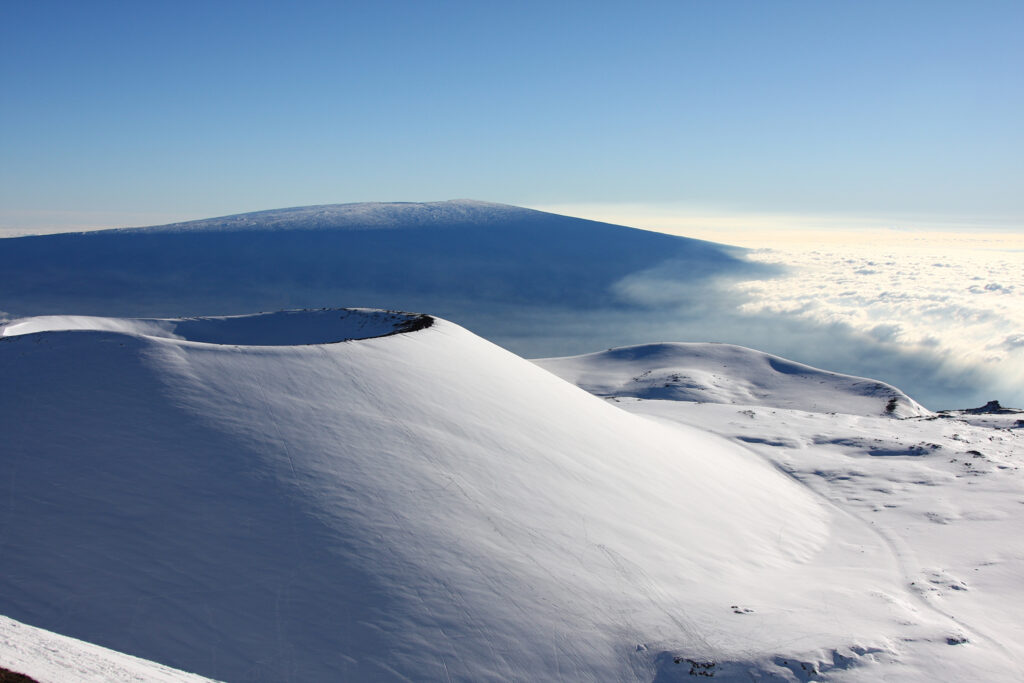
The undisputed king of Hawaii’s snowy peaks is Mauna Kea on the Island of Hawaii. Standing at an impressive 13,803 feet above sea level, Mauna Kea is not only one of the tallest mountains on Earth but also one of the coldest places in Hawaii. Its summit is frequently below freezing, especially during the winter months. The temperature can plummet significantly, creating an environment conducive to snowfall.
The snowfall on Mauna Kea is most common between November and March. While it might not always be a blizzard, accumulations can be significant enough to create a wintery landscape. For many visitors, the experience of seeing snow on the ground, juxtaposed with the stark volcanic terrain, is surreal. The summit is also home to several world-renowned astronomical observatories, and the clear, dry air at this altitude makes it an ideal location for stargazing. When snow falls, it adds an ethereal beauty to this already awe-inspiring setting.
Mauna Loa: A Neighboring Snowy Summit
Neighboring Mauna Kea is Mauna Loa, another massive shield volcano. While slightly lower in elevation at 13,679 feet, Mauna Loa also experiences freezing temperatures and snowfall during the winter months. Its vast, rugged slopes can be blanketed in white, offering a similar, albeit less frequently visited, snowy spectacle. Mauna Loa is one of the most massive volcanoes on Earth by volume, and its sheer size contributes to the potential for dramatic weather at its highest points.
Haleakala: Maui’s Lunar Landscape Turns White
On the island of Maui, the dormant volcano Haleakala also gets its share of winter precipitation in the form of snow. Rising to 10,023 feet, Haleakala’s summit crater offers a stark, almost lunar landscape. During the cooler winter months, especially after storms pass through, the higher elevations can be dusted with snow. The drive to the summit is a popular tourist activity, and catching a glimpse of snow here is an added bonus for those venturing to the island’s highest point. The sunrise and sunset views from Haleakala are legendary, and a snowy landscape can add an unforgettable dimension to these already breathtaking experiences.
When to Expect Snowfall
The winter months, from November to March, are the most likely period to witness snow in Hawaii. This is when weather systems from the north can bring colder air and increased precipitation to the islands. However, it’s important to remember that snowfall at these altitudes is still relatively rare compared to mainland destinations. A specific combination of cold air, sufficient moisture, and the right atmospheric conditions is required.
Even when snow is forecast or has recently fallen, it’s not guaranteed. The Hawaiian climate, while experiencing seasonal variations, is generally mild. Snowfall at the summits is a fleeting phenomenon, often melting quickly once the sun gains strength or the weather system moves on. Therefore, planning a trip specifically to see snow requires a degree of flexibility and a bit of luck.
Experiencing the Snowy Summits: Tips for Travelers
Witnessing Hawaii’s snow-capped peaks is an adventure that requires preparation and a different mindset than a typical beach vacation. It’s an experience that blends tropical expectations with the surprising reality of high-altitude conditions.
Planning Your Ascent

The most accessible way to experience the snowy summits is by driving. For Mauna Kea and Mauna Loa, there are paved roads leading close to the summits. For Haleakala, there is also a well-maintained road that takes visitors to the summit area.
Visiting Mauna Kea
The summit of Mauna Kea is accessible via the Mauna Kea Access Road, a steep and winding paved road. A 4WD vehicle is often recommended for the final stretch, though many rental companies have restrictions. It’s crucial to check road conditions and advisories before you go, as they can be closed due to weather or snow. The Onizuka Center for International Astronomy Visitor Information Station at 9,200 feet is a good stopping point to acclimatize and check conditions further up. The Summit itself is often reached by guided tours or experienced drivers. Be aware of the high altitude and the potential for altitude sickness.
Exploring Haleakala
The drive to the summit of Haleakala on Maui is part of the Haleakala National Park experience. While not as high as Mauna Kea, it still offers a significant elevation change. The road is paved and accessible for most vehicles. Arriving for sunrise or sunset is a popular activity, and booking reservations in advance is often required. Check the weather forecast for the summit specifically, as conditions can be very different from the coast.
What to Pack for a Snowy Hawaiian Adventure
Even though you’re in Hawaii, heading to the summits requires cold-weather gear.
- Warm Layers: Think fleece jackets, thermal underwear, and warm pants.
- Outerwear: A waterproof and windproof jacket is essential.
- Headwear and Gloves: A warm hat that covers your ears and insulated gloves will make a huge difference.
- Sturdy Footwear: Closed-toe shoes are a must, and waterproof boots are ideal if you plan to walk in any snow.
- Sun Protection: Even in cold weather, the sun’s rays are strong at high altitudes. Sunglasses and sunscreen are important.
- Water and Snacks: It’s a long drive, and amenities are limited at the summit.
- Camera: To capture the unique sight of snow against the Hawaiian landscape.
Safety First: Altitude and Weather Considerations
The Hawaiian volcanoes are imposing giants, and their summits demand respect.
- Altitude Sickness: Spending time at elevations above 10,000 feet can lead to altitude sickness. Symptoms include headache, nausea, dizziness, and fatigue. It’s recommended to ascend gradually, stay hydrated, and avoid strenuous activity upon arrival. If you experience severe symptoms, descend immediately.
- Driving Conditions: Roads can be icy or snow-covered. Drive cautiously and be aware of other vehicles. Check road status reports before you depart.
- Weather Changes: Mountain weather can change rapidly. Be prepared for wind, fog, and extreme cold, even if the forecast seems clear.
- Respect the Environment: Stay on marked paths and do not disturb the fragile volcanic ecosystems.
Beyond the Snow: The Enduring Allure of Hawaii’s Volcanic Landscapes
While the prospect of snow in Hawaii is a fascinating anomaly, it’s the volcanic landscapes themselves that are the true stars of these elevated regions. The snow, when it appears, is a temporary adornment on mountains that have shaped Hawaii’s history, culture, and environment.
The Cultural Significance of the Volcanoes
For the native Hawaiian people, the volcanoes are sacred. Mauna Kea is revered as a place of deep spiritual significance, the home of the snow goddess Poliʻahu. Haleakala is also a place of profound cultural importance, associated with the demigod Maui and the creation myths of the islands. Understanding this cultural context adds another layer of appreciation to the dramatic scenery, whether it’s dusted with snow or bathed in sunlight.
A Glimpse into Hawaii’s Geological Power
The volcanic summits offer a stark contrast to the lush rainforests and pristine beaches found at lower elevations. They are a powerful reminder of the geological forces that created Hawaii. Hiking through the solidified lava flows, witnessing the vast craters, and observing the unique flora and fauna that have adapted to these harsh environments are experiences that connect visitors to the raw power of nature.
Unique Activities at High Altitudes
Beyond the potential for snow, the high-altitude regions of Hawaii offer unique attractions. Mauna Kea’s summit is a premier stargazing destination due to its clear skies and minimal light pollution. Many visitors join guided tours to witness the cosmos like never before. Haleakala is renowned for its otherworldly sunrises and sunsets, a spectacle that draws thousands each year. The silence and the panoramic views from these heights are unparalleled, offering a sense of peace and wonder.
In conclusion, while Hawaii is primarily known for its tropical warmth and stunning beaches, the possibility of snow on its highest volcanic peaks adds a remarkable dimension to its diverse offerings. It’s a reminder that nature often surprises us, and that even within a seemingly consistent climate, extraordinary phenomena can occur. So, the next time you dream of Hawaii, remember that beneath the aloha spirit and the warm sun, there lies a cool, icy secret waiting to be discovered atop its majestic mountains.
LifeOutOfTheBox is a participant in the Amazon Services LLC Associates Program, an affiliate advertising program designed to provide a means for sites to earn advertising fees by advertising and linking to Amazon.com. Amazon, the Amazon logo, AmazonSupply, and the AmazonSupply logo are trademarks of Amazon.com, Inc. or its affiliates. As an Amazon Associate we earn affiliate commissions from qualifying purchases.