
Texas, the Lone Star State, is a vast and diverse expanse of land, renowned for its scorching summers and independent spirit. When many think of Texas, images of sun-baked ranches, vibrant cityscapes, and perhaps even the legendary heat of Houston or Dallas come to mind. Yet, a crucial question often arises for those planning a visit or considering a move: “Does it get cold in Texas?” The answer, like much of Texas itself, is complex and multifaceted. While Texas is predominantly associated with warm weather, a nuanced understanding reveals that cold spells, and even freezing temperatures, are indeed a reality, particularly in certain regions and during specific times of the year.
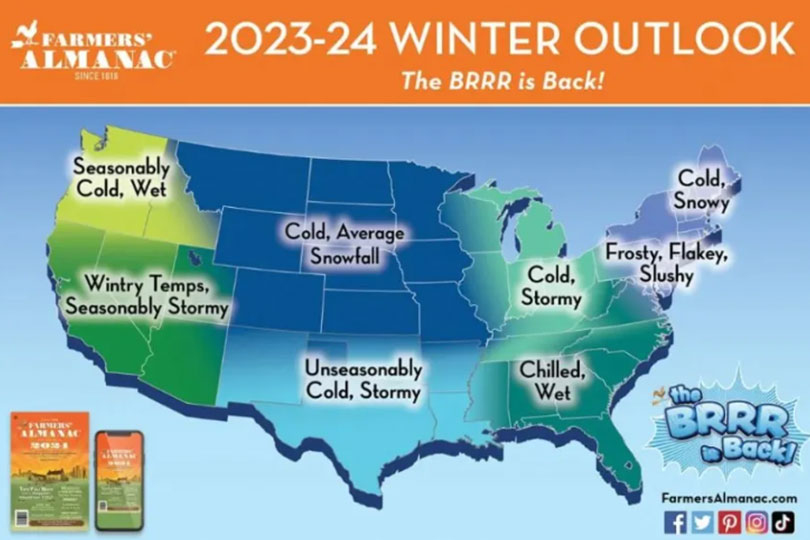
Texas experiences a wide spectrum of climates due to its immense size, stretching from the humid subtropical region of the Gulf Coast to the arid and semi-arid plains of West Texas. This geographical variation means that the experience of “cold” can differ significantly depending on where you are in the state. For instance, a winter day in El Paso might feel vastly different from a winter day in Galveston. Therefore, to truly answer the question of whether it gets cold in Texas, we must delve into the state’s climate patterns, regional differences, and the specific types of cold weather phenomena that can occur.
Understanding Texas’s Climate: More Than Just Heat
Texas’s climate is primarily characterized by its hot summers and mild winters. However, this is a broad generalization that doesn’t account for the subtle yet significant variations that can lead to genuinely cold conditions. The state’s position within North America plays a significant role. Proximity to the Gulf of Mexico influences the eastern and southern parts of the state, bringing humidity and moderating temperatures, while the western and northern regions are more susceptible to continental air masses.
Regional Climate Variations and Winter Weather
The sheer size of Texas, encompassing over 268,000 square miles, is the most critical factor in understanding its varied climate. This vastness allows for distinct climatic zones, each with its unique winter weather patterns.
North Texas and the Panhandle: Facing Winter’s Bite
The northern parts of Texas, including cities like Dallas and Fort Worth, as well as the Panhandle region surrounding Amarillo, experience the most pronounced winter conditions. Here, cold fronts originating from Canada can push southward with significant force, bringing with them frigid temperatures, icy winds, and even snowfall.
Dallas-Fort Worth Metroplex: While typically experiencing mild winters, the Dallas-Fort Worth area is not immune to cold snaps. Average January highs hover in the low 50s Fahrenheit (around 10-12°C), but overnight lows can frequently dip into the 30s (around 0-4°C) and occasionally drop below freezing. Snowfall is not a common occurrence but does happen, and when it does, it can cause significant disruptions due to the region’s limited infrastructure for handling snow and ice. Ice storms are a more frequent concern than heavy snow, creating hazardous driving conditions.
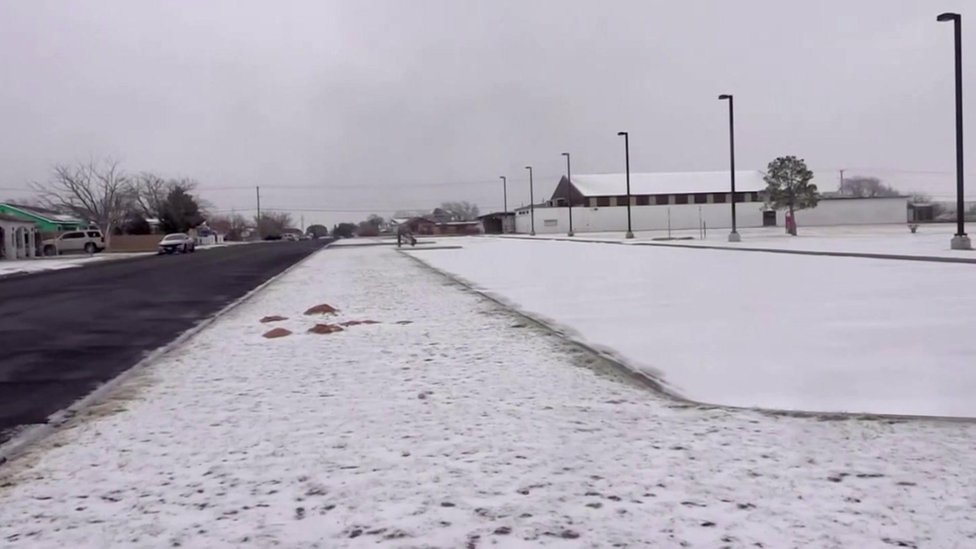
The Panhandle: Further north, the Panhandle of Texas, bordering Oklahoma and New Mexico, is the coldest region of the state. Amarillo, for example, sees average January temperatures in the upper 30s to low 40s Fahrenheit (around 3-6°C). Snowfall is more common here than in the southern parts of Texas, and extended periods of sub-freezing temperatures are not unusual. The landscape, with its rolling plains and canyons like Palo Duro Canyon State Park, can present a starkly beautiful winter scene when dusted with snow.
Central Texas: A Mix of Mild and Chilly
Central Texas, home to the state capital, Austin, and the popular tourist destination of San Antonio, experiences a climate that is a transition between the warmer southern and cooler northern regions. Winters here are generally mild, with average January highs in the 60s Fahrenheit (around 15-18°C). However, cold fronts can still make their presence felt.
Austin and San Antonio: These vibrant cities can experience days with temperatures in the 40s and 50s Fahrenheit (around 4-15°C), and overnight lows can dip below freezing several times during the winter months. Frost is common, and an occasional rare snowfall can occur, adding a touch of magic to the cityscape. The Texas Hill Country, a picturesque area west of Austin and San Antonio, can also experience cooler temperatures and occasional frost.
South Texas and the Gulf Coast: The Warmer Embrace
South Texas, including the Rio Grande Valley and the coastal cities like Corpus Christi and Galveston, enjoys the mildest winters in the state. Here, freezing temperatures are infrequent and usually short-lived.
The Rio Grande Valley: Cities like McAllen and Brownsville bask in warmer weather for most of the year. Average January highs are in the comfortable 70s Fahrenheit (around 20-23°C), with overnight lows rarely falling below the 50s (around 10-15°C). Snowfall is virtually unheard of. This region is a popular destination for “snowbirds” seeking refuge from colder climates.
Galveston and the Coast: The barrier island of Galveston, with its historic Strand District and beautiful beaches, also experiences mild winters. While cooler breezes from the Gulf can be felt, and temperatures can drop into the 40s and 50s Fahrenheit (around 4-15°C) during cold snaps, prolonged periods of freezing weather are rare. The humidity here can make cooler temperatures feel more pronounced.
Texas Winter Phenomena: Beyond the Ordinary Cold
While standard cold fronts are the most common cause of chilly weather, Texas can also experience more extreme winter phenomena that highlight the possibility of significant cold.
Freezing Rain and Ice Storms
One of the most disruptive forms of winter weather in Texas is freezing rain, which can lead to significant ice accumulation. This occurs when a layer of warm air hovers above a layer of sub-freezing air near the surface, causing precipitation to fall as rain but freeze upon contact with cold surfaces. Cities in North and Central Texas, such as Dallas and Fort Worth, are particularly susceptible to these events. Ice storms can paralyze transportation, bring down power lines, and create hazardous conditions for days. The Texas Department of Transportation often issues severe weather warnings for these events.
Arctic Outbreaks and Polar Vortex
Though rare, Texas can be impacted by severe Arctic outbreaks, where extremely cold air masses plunge southward. The most notable example of this in recent memory was the 2021 Texas freeze. This historic event brought prolonged periods of sub-freezing temperatures across the entire state, from the Panhandle to the Rio Grande Valley. Millions of Texans experienced widespread power outages due to the strain on the Electric Reliability Council of Texas (ERCOT) grid. This extreme event demonstrated that even the southern parts of Texas are vulnerable to severe cold, albeit infrequently.
Snowfall in Texas
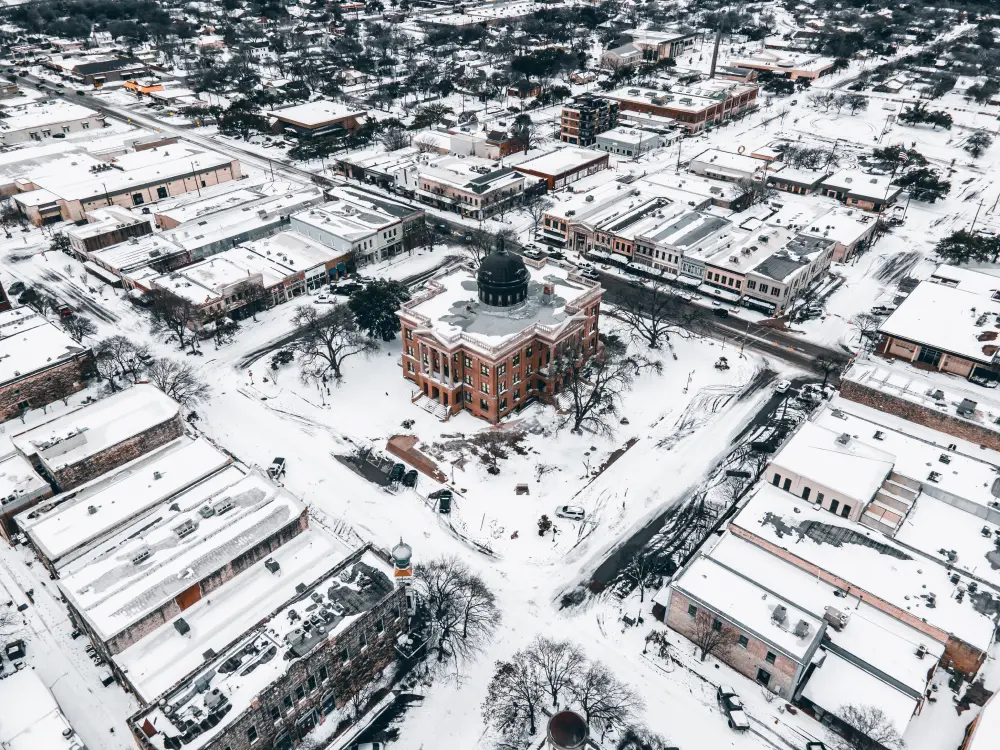
Snowfall in Texas is not a regular occurrence across the entire state, but it does happen, especially in the northern regions. The Panhandle often receives the most snow, with Amarillo experiencing several inches annually. Central Texas cities like Austin and San Antonio can see light snow, which often melts quickly. However, when heavier snow does fall, it can be a significant event, leading to school closures, traffic chaos, and a novelty for many residents. The beauty of a snow-dusted Texas landscape, from the Gruene Hall area to the rolling hills, is a unique sight.
Experiencing Texas in the Cooler Months
For travelers and residents alike, understanding Texas’s potential for cold weather is crucial for planning. While the majority of the year is warm, embracing the cooler months can offer a different, often equally rewarding, experience.
What to Pack and Prepare For
When visiting Texas during the fall and winter months, especially from November through March, packing layers is essential. Even in the warmer southern regions, evenings can become cool, and unexpected cold fronts can occur.
- Light to Medium Jacket: A versatile jacket that can be layered is ideal.
- Sweaters and Long-Sleeve Shirts: These provide warmth and can be worn under lighter jackets.
- Jeans and Comfortable Trousers: Standard for Texas casual wear.
- Closed-Toe Shoes: Essential for comfort and protection, especially if venturing into cooler or potentially icy conditions.
- Scarf, Gloves, and Hat: Particularly important for North Texas and the Panhandle, and for those sensitive to cold.
- Umbrella: For potential rain, which can accompany cold fronts.
For those looking for hotels or accommodations, consider the location. A stay in a downtown Hotel ZaZa in Dallas might offer a different winter experience than a beachfront resort in Galveston. Booking in advance is always recommended, especially during peak travel seasons.
Winter Activities and Attractions
Despite the potential for cold, Texas offers a wealth of activities during the cooler months that are often more enjoyable than in the summer heat.
- Exploring Cities: Cities like San Antonio, with its historic Alamo and the charming Riverwalk, are perfect for walking and exploring without the oppressive heat. Museums like the Perot Museum of Nature and Science in Dallas offer indoor enjoyment.
- Outdoor Adventures: Hiking in places like Big Bend National Park or Enchanted Rock State Natural Area is far more pleasant when the temperatures are cooler. The crisp air can make for invigorating hikes.
- Festivals and Events: Many of Texas’s renowned festivals and holiday events take place in the fall and winter. From the State Fair of Texas (though typically in early fall) to Christmas light displays across cities like Austin and Grapevine, there are ample opportunities for entertainment.
- Culinary Delights: Winter is a prime time to enjoy hearty Texas cuisine. Think slow-cooked barbecue, warm chili, and comforting Tex-Mex dishes. Exploring the diverse food scenes in Houston or Fort Worth is a treat.
- Winery Tours: The Texas Hill Country is home to a growing number of wineries, and a crisp winter day can be perfect for a wine-tasting excursion.
In conclusion, while Texas may not conjure images of perpetual winter like some northern states, it most certainly gets cold. The degree of cold, its frequency, and its accompanying phenomena vary significantly across this vast state. From the biting winds of the Panhandle to the occasional frost in the south, Texas offers a diverse range of winter experiences. Understanding these regional differences and being prepared for potential cold snaps will ensure a more comfortable and enjoyable visit, whether you’re seeking the warmth of the Gulf Coast or the rugged beauty of the West Texas plains. The Lone Star State, in its full diversity, offers a compelling experience year-round, even when the temperatures dip.
LifeOutOfTheBox is a participant in the Amazon Services LLC Associates Program, an affiliate advertising program designed to provide a means for sites to earn advertising fees by advertising and linking to Amazon.com. Amazon, the Amazon logo, AmazonSupply, and the AmazonSupply logo are trademarks of Amazon.com, Inc. or its affiliates. As an Amazon Associate we earn affiliate commissions from qualifying purchases.