
When the words “Arizona” and “rain” are spoken in the same breath, a common misconception often arises. Many envision a perpetually sun-baked desert landscape, where rainfall is a mythical event, a whisper carried on dry winds. The reality, however, is far more nuanced and, for those planning a visit or simply curious about this vibrant state, much more interesting. While Arizona is undeniably known for its arid beauty and vast expanses of desert, the question of “Does it rain in Arizona?” deserves a more detailed exploration, touching upon the diverse climates, seasonal patterns, and the vital role precipitation plays in sustaining its unique ecosystems and captivating attractions.
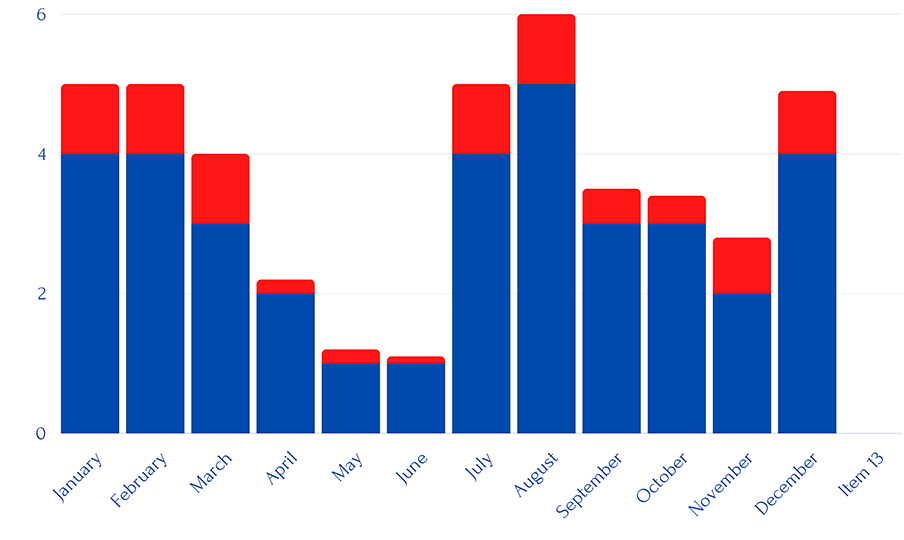
The answer, in short, is yes, it does rain in Arizona. However, the intensity, frequency, and timing of this rainfall vary dramatically depending on the region and the season. From the scorching heat of the Sonoran Desert to the cooler climes of the northern highlands, Arizona’s geography creates a tapestry of weather patterns that influence everything from the blooming of wildflowers to the flow of its rivers. Understanding these patterns is key to appreciating the full spectrum of experiences Arizona offers, whether you’re a traveler seeking adventure, a photographer capturing its natural splendor, or a resident enjoying its unique lifestyle.
Arizona’s Diverse Climates: More Than Just Desert
Arizona is a state of remarkable climatic diversity, a fact often overlooked by those who associate it solely with cacti and vast, empty spaces. This diversity is primarily driven by elevation and latitude, creating distinct climate zones that dictate rainfall patterns and overall weather conditions. Understanding these zones is crucial to answering the question of whether it rains in Arizona and how much.
The Southern Deserts: A Different Kind of Wet Season
The southern portion of Arizona, famously home to the iconic Saguaro cactus, experiences a climate characterized by extreme heat and relatively low annual rainfall. Cities like Phoenix, Tucson, and Yuma are nestled within the Sonoran Desert. Here, the annual precipitation is typically less than 15 inches, and much of it falls during a specific period.
The “monsoon season,” a term that might evoke images of tropical downpours, is a significant weather phenomenon in southern Arizona. From roughly June through September, this period brings a dramatic shift in the weather. Warm, moist air from the Gulf of California and the Pacific Ocean surges northward, leading to the development of intense thunderstorms. These storms can be spectacular, often accompanied by lightning, strong winds, and, yes, heavy rainfall. While these thunderstorms can be brief, they can also deliver a significant amount of rain in a short period, sometimes causing flash floods. The desert floor, parched for months, comes alive after these rains, with wildflowers blooming in a breathtaking display of color. This is a critical period for the desert ecosystem, replenishing water sources and supporting the diverse plant and animal life that call this arid region home.
For travelers, the monsoon season in southern Arizona offers a unique experience. While it can bring disruptions with sudden storms, it also provides a visual spectacle and a chance to witness the desert in a more dynamic state. Resorts in areas like Scottsdale might experience occasional rain showers, but the overall sunshine is still abundant, punctuated by these dramatic afternoon or evening storms.
The Northern Highlands: A Wetter, Cooler Reality
As you travel north and ascend in elevation, Arizona’s climate transforms. The high plateaus and mountain ranges of northern Arizona, including areas around Flagstaff, Sedona, and the Grand Canyon, experience a significantly different rainfall pattern and cooler temperatures. These regions receive considerably more precipitation than their southern counterparts.
The Mogollon Rim, a dramatic escarpment marking the southern edge of the Colorado Plateau, acts as a significant weather barrier. Areas north of the rim, particularly at higher elevations, experience more consistent rainfall throughout the year, with distinct wet periods. Snowfall is also a common occurrence during the winter months. Flagstaff, for instance, receives a substantial amount of snow, transforming the landscape into a winter wonderland. This makes the region a popular destination for winter sports and offers a stark contrast to the desert imagery often associated with the state.
The higher elevations also mean more frequent rain showers during the summer, often occurring in the afternoon as cooler air masses collide. These showers can be less intense than the monsoon thunderstorms of the south but are more widespread and consistent. The lush ponderosa pine forests that dominate these areas depend on this higher level of precipitation to thrive. For those visiting the Grand Canyon National Park, especially the North Rim which is at a higher elevation, rain is a more common, though not constant, occurrence, particularly during the summer months.
The Transition Zones: A Blend of Climates
Between the arid south and the wetter north lie transitional zones that exhibit characteristics of both. Areas like Sedona, with its stunning red rock formations, fall into this category. While it receives more rainfall than the southern deserts, it doesn’t experience the consistent moisture of the northern highlands. Its rainfall is often influenced by both monsoon patterns and the weather systems moving in from the north. This creates a dynamic climate where one can experience hot, dry spells followed by refreshing rain showers.
The diverse climate zones mean that the answer to “Does it rain in Arizona?” is not a simple yes or no, but rather a “it depends.” It depends on where you are, and when you are there. This climatic variety is a fundamental aspect of Arizona’s appeal, offering a wide range of natural beauty and activities throughout the year.
Understanding Arizona’s Rainy Seasons: When to Expect the Showers
To truly grasp the rainfall patterns in Arizona, it’s essential to delve into the specific seasons when precipitation is most likely. While rain can occur at any time of year in some parts of the state, there are distinct periods when the likelihood increases significantly.
The Summer Monsoon: A Desert’s Refreshment
As previously mentioned, the summer monsoon season, typically from July through September, is the most prominent rainy period for much of southern and central Arizona. This is when the atmosphere becomes unstable, fueled by rising temperatures and the influx of moisture. Thunderstorms are the hallmark of this season. They can develop rapidly, often in the late afternoon or early evening, bringing short, intense bursts of rain, gusty winds, and dramatic lightning displays.
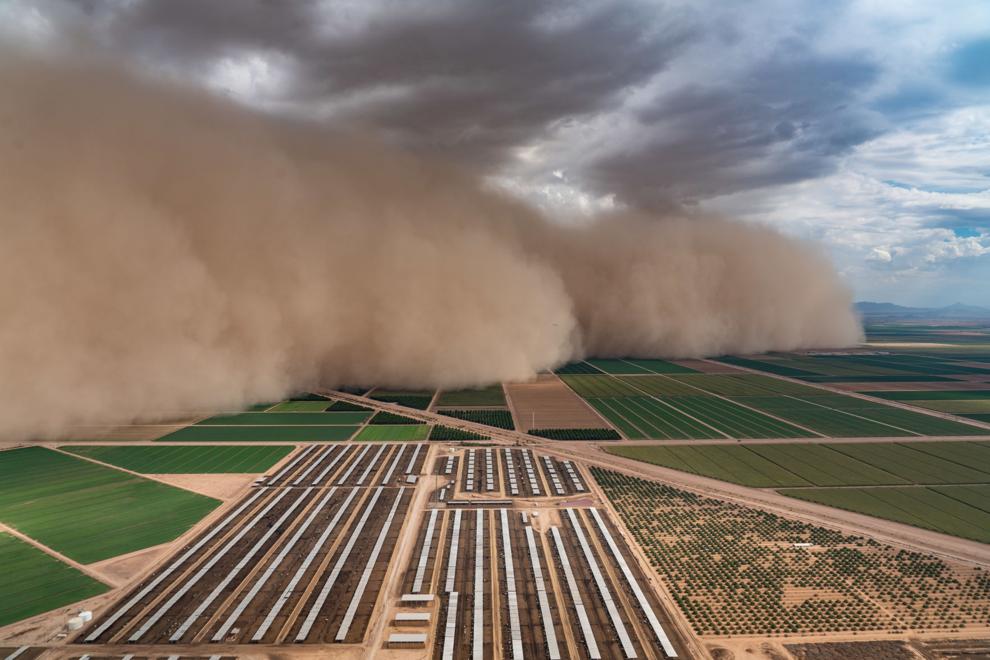
While these storms can be impressive, they are also crucial for replenishing the state’s water resources. Reservoirs fill, and the parched desert landscape rejuvenates. For visitors, this season offers a unique spectacle. However, it’s important to be prepared for potential disruptions, such as flash flood warnings and temporary closures of certain hiking trails due to safety concerns. Despite the potential for storms, much of the day still remains sunny and hot, making it a time for both caution and appreciation of nature’s power. Hotels in Phoenix and Tucson often see guests enjoying indoor amenities or venturing out after the storms have passed to experience the refreshed desert air.
The Winter Rains: A Gentler, More Widespread Phenomenon
While the summer monsoon is characterized by dramatic thunderstorms, the winter months, from December through March, bring a different kind of rainfall to Arizona, particularly to the northern parts of the state. This precipitation is often a result of Pacific storm systems moving across the western United States.
In the northern highlands, including areas around Flagstaff and the Grand Canyon, winter rain often falls as snow. This transforms the landscape into a picturesque winter scene, perfect for activities like skiing and snowboarding. Further south, in cities like Phoenix and Tucson, winter rainfall is generally less intense and more spread out than the summer monsoon. It tends to come in the form of steady, overcast skies or light showers that can last for hours or even days.
This winter rainfall is vital for the state’s water supply, as it replenishes groundwater and feeds the snowpack in the mountains, which in turn melt and provide water throughout the year. For travelers, the winter months offer pleasant temperatures, fewer crowds, and the chance to experience different facets of Arizona’s natural beauty, from snow-covered forests to the surprisingly lush desert after a gentle soaking. Many resorts and hotels in these regions cater to both winter sports enthusiasts and those seeking a milder climate.
Spring and Fall: The Transitional Months
The spring (April-May) and fall (October-November) months in Arizona are typically characterized by milder temperatures and less predictable rainfall. These are often considered the most pleasant times to visit for many, as the extreme heat of summer and the potential for disruptive storms or heavy snow of other seasons are absent.
However, these transitional periods can still see rain. Spring can sometimes experience lingering monsoon-like activity or early signs of Pacific storm systems. Fall can also bring some residual monsoon moisture or early winter systems. Overall, rainfall during these months is generally moderate and less impactful on travel plans. These seasons are ideal for exploring the state’s numerous attractions, from the red rocks of Sedona to the historic streets of Jerome, without the worry of extreme weather.
Experiencing Arizona’s Rain: From Desert Blooms to Mountain Snow
The presence, or absence, of rain profoundly shapes the experiences available in Arizona. Understanding when and where it rains allows travelers and locals alike to plan their adventures and appreciate the unique beauty that precipitation brings to this diverse state.
Witnessing the Desert Bloom: The Magic of Post-Rainfall
One of the most spectacular consequences of rainfall in Arizona, particularly in the southern deserts, is the phenomenon of the desert bloom. After sufficient rainfall, especially during or following the monsoon season, the seemingly barren desert floor bursts into vibrant life. Cacti flower prolifically, and a carpet of wildflowers, in shades of purple, yellow, red, and pink, emerges from the sand.
This transformation is a powerful reminder of the resilience of life in arid environments. For photographers and nature enthusiasts, this period is unparalleled. Locations like the Anza-Borrego Desert State Park (though primarily in California, similar blooms occur across the border in Arizona’s Sonoran Desert) become vibrant canvases. Even in urban areas like Phoenix and Tucson, parks and undeveloped land come alive. Staying at a resort during or shortly after a significant rainfall can offer a unique perspective, with the landscape transformed overnight. This spectacle is a direct result of timely and adequate rainfall, proving that rain in Arizona is not just about water, but about life.
Embracing the Snow: Winter Wonderlands in the North
In stark contrast to the desert blooms, the rain in northern Arizona during the winter months often arrives as snow. Areas around Flagstaff, the San Francisco Peaks, and the White Mountains are transformed into winter wonderlands. Ski resorts like Arizona Snowbowl and Sunrise Park Resort become popular destinations for those seeking to enjoy snow sports.
The snow transforms the ponderosa pine forests into breathtaking vistas, offering opportunities for snowshoeing, cross-country skiing, and simply enjoying the serene beauty of a snow-covered landscape. Even the Grand Canyon National Park can experience snowfall, adding a layer of ethereal beauty to its already majestic views. For those who prefer cooler climates and winter activities, the northern regions of Arizona offer a surprising and delightful experience, all thanks to the state’s capacity to receive rainfall and, consequently, snowfall. Hotels and lodges in these areas often offer cozy fireplaces and warm hospitality, perfect for escaping the chill after a day in the snow.
Flash Floods and Monsoon Storms: Respecting Nature’s Power
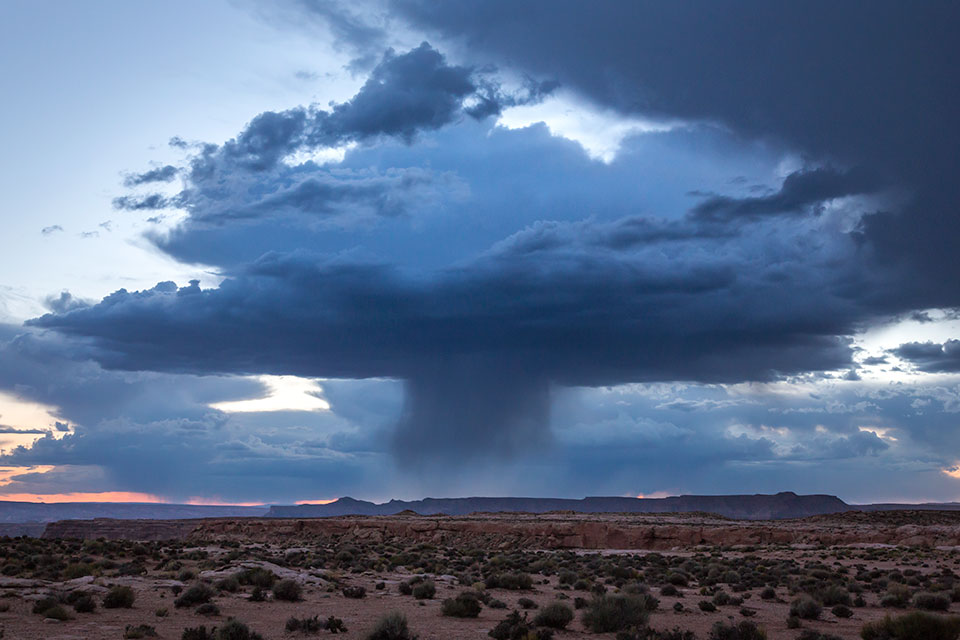
While rain brings life to Arizona, it also demands respect. The intensity of monsoon thunderstorms can lead to flash floods, particularly in low-lying areas and canyons. These sudden and powerful surges of water can be extremely dangerous. Visitors and residents are urged to be aware of weather conditions and heed all warnings.
The National Weather Service issues flash flood watches and warnings, and it is crucial to understand the risks, especially when hiking or driving in canyons and washes. Areas like Antelope Canyon are particularly susceptible to flash floods, and access can be restricted or closed during periods of heavy rainfall or storm risk. Understanding the weather patterns, including when it rains in Arizona, is not just about planning a pleasant trip; it’s about ensuring safety and appreciating the raw power of nature in this captivating state.
Ultimately, the question of “Does it rain in Arizona?” leads to a richer understanding of the state’s diverse geography and dynamic climate. From the life-giving monsoon showers that paint the desert with color to the snow that blankets the northern peaks, rain plays a vital role in shaping Arizona’s identity and offering a wealth of experiences for all who visit.
LifeOutOfTheBox is a participant in the Amazon Services LLC Associates Program, an affiliate advertising program designed to provide a means for sites to earn advertising fees by advertising and linking to Amazon.com. Amazon, the Amazon logo, AmazonSupply, and the AmazonSupply logo are trademarks of Amazon.com, Inc. or its affiliates. As an Amazon Associate we earn affiliate commissions from qualifying purchases.