
Embarking on a journey through the vast landscapes of Texas often involves the freedom and convenience that comes with your own vehicle. Whether you’re planning a road trip from Dallas to the Gulf Coast, exploring the vibrant culture of Austin, or simply navigating your daily commute in Houston, ensuring your car is properly registered is a fundamental step. This process, while seemingly straightforward, involves a series of fees and considerations that can impact your overall budget. Understanding these costs upfront will help you prepare and avoid any unexpected expenses as you enjoy your Texas adventures.
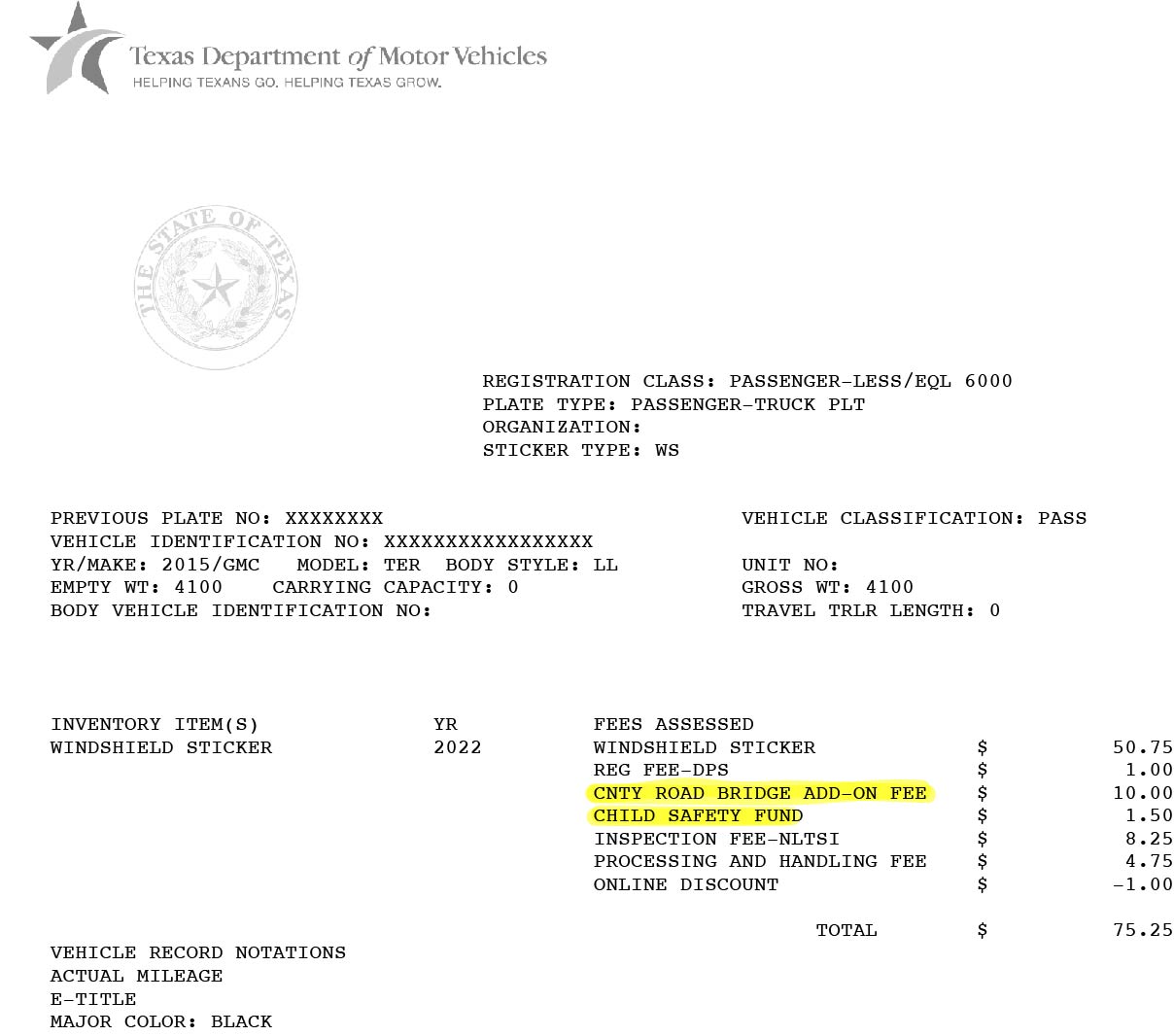
Registering a vehicle in Texas is managed by the Texas Department of Motor Vehicles (TxDMV). The primary costs associated with registration are the title fee, registration fee, and the county user fee. However, these can vary based on several factors, including the type of vehicle, its age, and the county in which you reside. Beyond these core fees, other potential costs might arise, such as inspection fees and late penalties if you miss your renewal deadline. This comprehensive guide will break down these components, offering clarity on how much you can expect to pay to get your car legally on Texas roads.
Understanding the Core Registration Fees
The initial registration of a vehicle in Texas involves several mandatory fees that contribute to the state’s transportation infrastructure and administrative processes. These fees are designed to be consistent across the state, though minor variations can occur due to county-specific additions.
The Vehicle Title Fee
The first hurdle in registering a car, especially if it’s a new purchase or a vehicle being brought into Texas from another state, is obtaining a title. The title serves as the legal proof of ownership. The fee for a title transfer is generally modest.
- Standard Title Fee: For most passenger vehicles, the title fee is typically around $28.50. This fee helps cover the administrative costs of processing and issuing the official title document.
- Transferring a Title from Out of State: If you’re moving to Texas with your existing vehicle, you will need to transfer its title. The fee for this process is the same as for a new Texas title, $28.50. You will also need to surrender your out-of-state title and provide proof of ownership.
It’s important to note that these fees are subject to change by the Texas Legislature. Always check the official TxDMV website for the most current fee structure.
The Annual Registration Fee
This is the most significant recurring cost associated with keeping your vehicle legally on the road in Texas. The annual registration fee is primarily determined by the gross weight of your vehicle. Heavier vehicles generally incur higher registration fees due to their potential impact on road infrastructure.
-
Passenger Vehicles (Under 18,000 lbs Gross Weight): For the vast majority of personal passenger vehicles, including sedans, SUVs, and light trucks, the registration fee is determined by a tiered system based on weight.
- 2,000 lbs. or less: The fee is typically $20.25.
- 2,001 lbs. to 3,000 lbs.: The fee is typically $22.25.
- 3,001 lbs. to 4,000 lbs.: The fee is typically $24.25.
- 4,001 lbs. to 5,000 lbs.: The fee is typically $26.25.
- 5,001 lbs. to 6,000 lbs.: The fee is typically $28.25.
- 6,001 lbs. to 7,000 lbs.: The fee is typically $30.25.
- 7,001 lbs. to 8,000 lbs.: The fee is typically $32.25.
- 8,001 lbs. to 18,000 lbs.: The fee is typically $34.25.
-
Larger Vehicles and Commercial Trucks: For vehicles exceeding 18,000 lbs gross weight, the registration fees increase significantly and are calculated on a different scale, often based on specific weight classes.
-
Motorcycles: Motorcycles have a separate, lower registration fee, typically around $19.25.
-
Trailers: The registration fees for trailers vary based on their gross weight, from small utility trailers to large cargo trailers.
The County User Fee
In addition to the state-mandated registration fee, most counties in Texas assess a County User Fee. This fee is intended to support local road maintenance and improvements within the county.
- Standard County User Fee: This fee is generally $5.00 per year for most passenger vehicles. This amount is added directly to your annual registration renewal cost.
Therefore, for a typical passenger car weighing between 4,001 and 5,000 lbs, the combined annual registration and county user fee would be $26.25 (registration) + $5.00 (county user fee) = $31.25.
Additional Costs and Considerations
Beyond the fundamental fees, several other factors can influence the total cost of registering your car in Texas, or incur additional expenses if not managed properly. These include inspection requirements, potential discounts, and penalties for late registration.

The Vehicle Inspection Requirement
Texas has a mandatory vehicle inspection program to ensure that vehicles meet safety and emissions standards. This inspection is a prerequisite for registration renewal.
- Safety Inspection: All vehicles registered in Texas must pass an annual safety inspection. The cost for this inspection can vary by station but is typically in the range of $15 to $25. Some counties may also require an emissions test, especially in more populated metropolitan areas.
- Emissions Testing: Designated counties in Texas, including parts of the Dallas-Fort Worth metroplex, Houston, and El Paso, require an annual emissions test in addition to the safety inspection. The cost for an emissions test is generally around $15 to $30, depending on the vehicle type.
- Combined Inspection Fee: Many inspection stations offer a combined safety and emissions inspection, with the total cost reflecting both components.
- Inspection Renewal: You must have a valid inspection certificate before you can renew your vehicle registration. The inspection must be performed within 90 days of your registration expiration date.
It is important to budget for this annual inspection fee as it is a necessary step before you can complete your registration renewal.
Potential Discounts and Exemptions
While most vehicle owners will pay the standard fees, certain situations may qualify for discounts or exemptions.
- Disabled Veterans: Texas offers registration fee exemptions or reduced fees for disabled veterans. The specifics depend on the degree of disability and the type of vehicle.
- Electric Vehicles: In some cases, electric vehicles might have different registration fee structures or potential incentives, though these can change with legislative updates.
- Antique Vehicles: Vehicles that are at least 25 years old and have been maintained in their original or restored condition may qualify for antique vehicle registration plates, which often come with a reduced fee and less frequent inspection requirements.
Penalties for Late Registration
Registering your vehicle in a timely manner is crucial. Failure to renew your registration by the expiration date can result in penalties and fines.
- Late Registration Penalty: Texas imposes a penalty for late registration. The penalty is typically $10 for the first month of delinquency, increasing by $5 for each subsequent month, up to a maximum penalty of $25.
- Driving with Expired Registration: Operating a vehicle with expired registration is a traffic violation. This can lead to citations, fines, and even potential impoundment of the vehicle, especially if the registration is significantly overdue. The fines for driving with expired tags can be substantial.
To avoid these penalties, make sure to mark your registration expiration date on your calendar and complete the renewal process well in advance.
How to Register Your Car in Texas
The process of registering your car in Texas can be completed through several convenient methods, each with its own set of requirements. Understanding these options will help you navigate the process smoothly, whether you’re a new resident or an existing one renewing your registration.
Renewing Your Registration
Most Texas residents renew their vehicle registration annually. The renewal process is typically initiated by mail or online, with a renewal notice sent out by the TxDMV before the expiration date.
- Online Renewal: This is often the quickest and most convenient method. You can visit the official TxDMV website or a designated online renewal portal. You will need your license plate number, a valid credit card, and proof of a current vehicle inspection.
- Mail-in Renewal: If you prefer to renew by mail, you can fill out the renewal notice provided by the TxDMV and mail it along with a check or money order for the total fees. Ensure you include proof of inspection.
- In-Person Renewal: You can also renew your registration in person at a local county tax assessor-collector’s office. This option allows you to pay with cash, check, money order, or sometimes a debit/credit card. Bringing your renewal notice, driver’s license, proof of insurance, and inspection certificate is recommended.
Initial Registration for New Vehicles or Out-of-State Vehicles
Registering a vehicle for the first time in Texas, whether it’s a brand-new purchase from a dealership or a vehicle you’ve moved from another state, involves a few more steps.
- New Vehicle Purchase (from a Dealership): When you purchase a new vehicle from a Texas dealership, they typically handle the titling and registration process for you. The fees will be included in your purchase price, and you will receive temporary tags and then your permanent license plates and registration sticker shortly after.
- Out-of-State Vehicle: If you’ve moved to Texas with a vehicle you previously owned and registered in another state, you’ll need to:
- Obtain a Texas vehicle title. This requires surrendering your out-of-state title.
- Get a Texas vehicle inspection (safety and emissions if applicable).
- Visit your local county tax assessor-collector’s office to complete the registration and pay the required fees, including the title fee, registration fee, and county user fee. You will also need to provide proof of Texas auto insurance.
Proof of Insurance
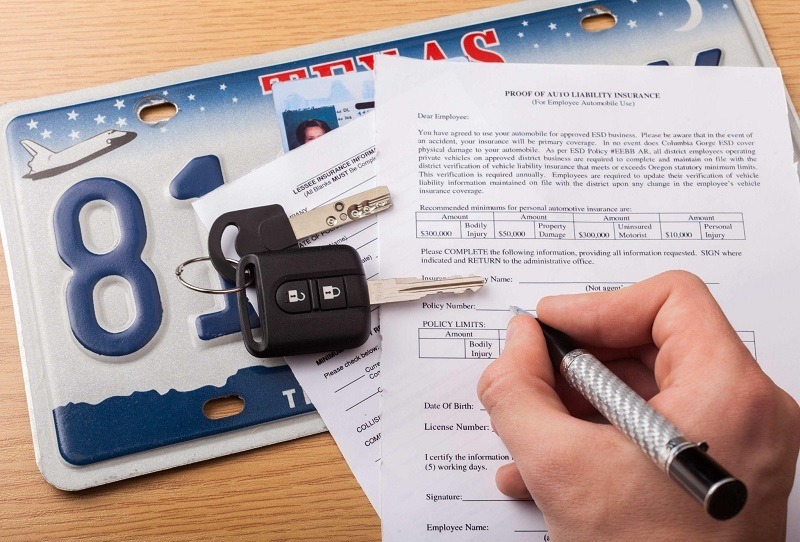
Regardless of how you register or renew your vehicle, carrying valid proof of auto insurance is a legal requirement in Texas. The state requires minimum liability coverage. Failure to provide proof of insurance can result in fines and registration issues. You’ll typically need to present your insurance card or policy details during the registration process.
By understanding these various fees, inspection requirements, and registration methods, you can efficiently manage the cost of registering your car in Texas and ensure you’re always compliant with state laws, allowing you to freely explore all that the Lone Star State has to offer, from the historic Alamo to the bustling streets of San Antonio.
LifeOutOfTheBox is a participant in the Amazon Services LLC Associates Program, an affiliate advertising program designed to provide a means for sites to earn advertising fees by advertising and linking to Amazon.com. Amazon, the Amazon logo, AmazonSupply, and the AmazonSupply logo are trademarks of Amazon.com, Inc. or its affiliates. As an Amazon Associate we earn affiliate commissions from qualifying purchases.