
The shimmering mirage of Las Vegas conjures images of perpetual sunshine, vibrant nightlife, and world-class entertainment. For many, the very idea of rain in this desert oasis seems almost paradoxical. Yet, the question “Does It Rain In Las Vegas?” is a valid one, especially for travelers planning their itineraries. While not known for its downpours, Las Vegas does experience precipitation, albeit with a distinct desert pattern. Understanding the climate of Las Vegas is key to maximizing your travel experience, whether you’re seeking thrilling attractions, luxurious accommodations, or immersive local culture.
Understanding the Desert Climate of Las Vegas
Las Vegas, situated in the Mojave Desert, experiences an arid climate characterized by hot summers and mild winters. This means that rainfall is generally scarce and unpredictable. The average annual rainfall is quite low, typically hovering around 4-5 inches. This limited precipitation is concentrated in specific periods, making it a noteworthy event when it does occur.

When Does Rain Typically Fall?
The majority of Las Vegas‘s rainfall occurs during the winter months, from December to February, and again during the late summer monsoon season, from July to September.
Winter Rains: A Gentle Drizzle
During the winter, Las Vegas can experience light to moderate rain. These showers are often a welcome change from the dry heat, bringing a refreshing coolness to the air. While it’s unlikely to disrupt plans for extended periods, packing a light jacket and an umbrella is always a sensible precaution for visitors arriving between November and March. These winter rains can occasionally bring cooler temperatures and overcast skies, but they rarely persist for more than a day or two.
Summer Monsoons: The Spectacle of Thunderstorms
The late summer monsoon season is when Las Vegas is most likely to experience significant rainfall, often in the form of dramatic thunderstorms. These storms are a common phenomenon in desert regions during this time of year. They are characterized by sudden downpours, gusty winds, lightning, and thunder. While these storms can be intense, they are usually short-lived, often passing through within an hour or two. The advantage of these summer storms is that they can sometimes clear the air, leaving behind a cooler, more pleasant atmosphere for the evening.
Factors Influencing Rainfall
Several geographical and atmospheric factors contribute to Las Vegas‘s unique rainfall patterns.
The Mojave Desert’s Aridity
The primary reason for Las Vegas‘s low rainfall is its location within the Mojave Desert. This desert is characterized by its extreme dryness, a result of its position in a rain shadow created by the surrounding mountain ranges, including the Sierra Nevada and the Spring Mountains. These mountains block moisture-laden air masses from reaching the Las Vegas Valley, leading to arid conditions.
Pacific Storms and Their Impact
During the winter months, Pacific storms can bring some moisture to southern Nevada. However, by the time these storms reach the Las Vegas Valley, they have often lost a significant portion of their precipitation over the California coast and the mountain ranges. Consequently, the rainfall that does arrive is usually in the form of lighter, less consistent precipitation.
The Monsoon Effect
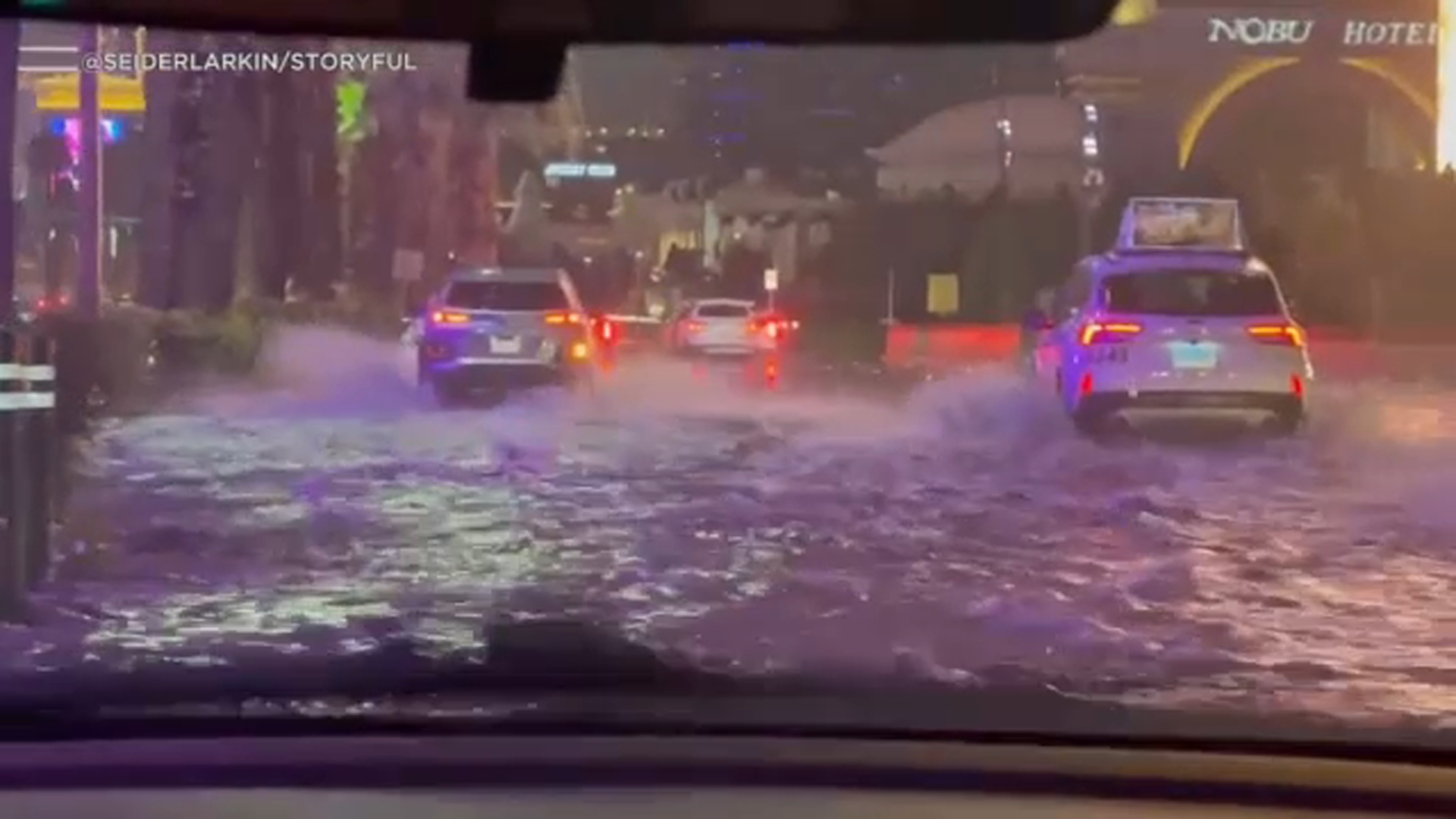
The summer monsoon season is a bit more complex. It involves moisture being drawn northward from the Gulf of California and the Pacific Ocean, creating an influx of humid air into the desert Southwest. When this moist air interacts with the hot desert surface and the elevated terrain, it can lead to the development of towering cumulonimbus clouds, which produce thunderstorms. These storms can be quite localized and unpredictable, meaning one part of the valley might experience a heavy downpour while another remains dry.
Preparing for the Weather: Travel Tips for Las Vegas
Knowing when rain is most likely to occur in Las Vegas can significantly enhance your travel experience. It allows for better packing choices and flexibility in planning your activities.
Packing Smart for Any Weather
Regardless of the season, it’s always wise to be prepared for unexpected weather changes.
- Lightweight Rain Gear: A compact, foldable umbrella and a lightweight, waterproof jacket are essential for any time of year, especially during the winter and monsoon seasons. These are easy to pack and can be quickly deployed if a shower arises.
- Comfortable Footwear: You’ll be doing a lot of walking, whether exploring the Las Vegas Strip, visiting Fremont Street, or enjoying a show. Ensure your footwear is comfortable and, if possible, water-resistant, especially if you’re traveling during a period with a higher chance of rain.
- Layers: Las Vegas weather can fluctuate, especially during shoulder seasons like spring and fall. Layering your clothing allows you to adapt to changing temperatures, whether it’s the cool desert evenings or the warmth of indoor venues.
Adapting Your Itinerary
While rain might not be a frequent visitor, a sudden downpour can still impact outdoor plans. Here’s how to adapt:
- Indoor Attractions: Las Vegas excels in indoor entertainment. The Strip is lined with world-class casinos, dazzling shows, renowned restaurants, and impressive shopping malls like the Forum Shops at Caesars and The Grand Canal Shoppes at The Venetian. These are perfect havens during any inclement weather.
- Museums and Galleries: For a dose of culture, consider visiting the Neon Museum (which has an indoor component) or exploring the art installations scattered throughout the city.
- Spa and Relaxation: If the weather turns sour, a spa day at one of the many luxurious resorts, such as The Bellagio or Wynn Las Vegas, can be a perfect way to unwind and escape the elements.
- Casinos: Of course, the casinos themselves offer endless indoor entertainment. A bit of luck at the tables or a spin of the slots can be a fun way to spend an hour or two if the weather isn’t cooperating.
Beyond the Rain: The Allure of Las Vegas
While the question of rain is important for practical planning, it’s crucial to remember that Las Vegas offers an unparalleled experience regardless of the weather. The city is a testament to human ingenuity and entertainment, thriving in its desert environment.
The Ever-Present Sunshine
For the vast majority of the year, Las Vegas boasts abundant sunshine. This makes it an ideal destination for those seeking outdoor activities and sun-drenched days. Visitors can enjoy swimming pools at iconic resorts like Mandalay Bay and The Cosmopolitan, explore nearby natural wonders like Red Rock Canyon National Conservation Area and Hoover Dam, or simply soak up the vibrant atmosphere of the Strip under clear blue skies.

Year-Round Entertainment
The true magic of Las Vegas lies in its ability to provide world-class entertainment and experiences around the clock, every day of the year.
- Shows and Performances: From Cirque du Soleil extravaganzas to headline musical acts and magic shows, there’s always a performance to captivate audiences.
- Culinary Delights: Las Vegas has become a global culinary capital, boasting an array of celebrity chef restaurants and diverse dining options that cater to every palate and budget.
- Nightlife and Clubs: The city’s vibrant nightlife scene offers everything from sophisticated lounges to energetic nightclubs, ensuring the party continues long after the sun sets.
- Shopping: Indulge in retail therapy at luxury boutiques and diverse shopping centers, offering a vast selection of goods.
In conclusion, while the question “Does It Rain In Las Vegas?” might suggest a possibility of disruption, the reality is that rainfall is a minor aspect of the Las Vegas experience. The city is designed to be an indoor playground, offering an abundance of attractions and activities that are unaffected by the elements. So, pack for sunshine, but keep a light rain jacket handy, and prepare to be captivated by the unforgettable energy and excitement that is Las Vegas.
LifeOutOfTheBox is a participant in the Amazon Services LLC Associates Program, an affiliate advertising program designed to provide a means for sites to earn advertising fees by advertising and linking to Amazon.com. Amazon, the Amazon logo, AmazonSupply, and the AmazonSupply logo are trademarks of Amazon.com, Inc. or its affiliates. As an Amazon Associate we earn affiliate commissions from qualifying purchases.