
The Pacific Northwest is renowned for its lush greenery, dramatic coastlines, and a generally temperate climate. Cities like Seattle, Portland, and Vancouver are often associated with frequent rain, but the question of snow can be more nuanced, especially for a city like Eugene, Oregon. Nestled in the Willamette Valley, Eugene benefits from a unique microclimate influenced by its geography, creating a distinct winter experience. So, does it snow in Eugene, Oregon? The answer, like many things in Oregon, is a little more complex than a simple yes or no.
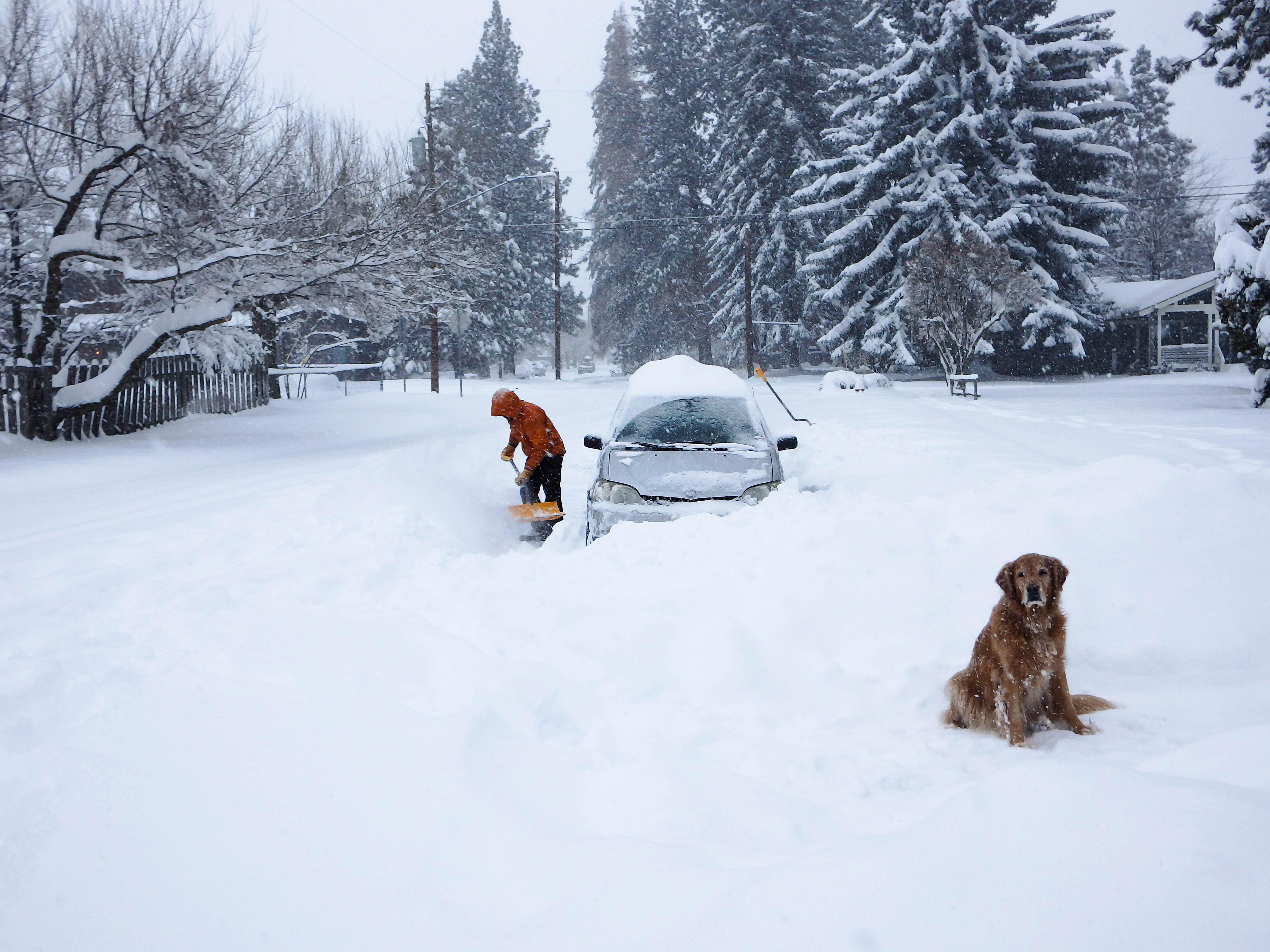
While Eugene doesn’t typically experience the heavy, persistent snowfall seen in mountainous regions or further north, it does receive snow. However, these snowy events are often characterized by their fleeting nature. You might wake up to a picturesque dusting that blankets the city for a few hours, transforming the familiar streets and parks into a temporary winter wonderland, only for it to melt away by lunchtime due to rising temperatures or the ubiquitous Oregonian rain. This intermittent snowfall is part of Eugene‘s charm, offering glimpses of a white Christmas without the significant disruptions that heavy snow can bring to travel and daily life.
Understanding Eugene’s Winter Climate
To truly understand Eugene‘s relationship with snow, we need to delve into its climatic influences. The Willamette Valley is a broad, fertile valley situated between the Oregon Coast Range to the west and the Cascade Mountains to the east. This geographical positioning plays a crucial role in moderating the weather.
The Influence of the Cascades and the Coast Range
The Cascade Mountains, with their significant elevation, act as a natural barrier. During winter, storms often bring heavy precipitation to the western slopes of the Cascades, which can manifest as substantial snowfall, particularly at higher elevations like Mount Hood or Willamette Pass. This is where you’ll find prime skiing and snowboarding opportunities near Eugene. However, the valley floor, where Eugene is located, often sits below the freezing mark for shorter periods. The Oregon Coast Range, while not as tall, also influences the weather by blocking some of the colder air masses from the east and moderating the maritime influence from the Pacific Ocean.
This interplay means that Eugene can receive snow, but it’s often a mix of the moisture that makes it over the mountains and the specific temperature conditions at the time of arrival. If the air temperature is hovering just above freezing, any snow that falls is likely to be wet and melt quickly. Colder air masses are necessary for snow to accumulate and persist.
Precipitation Patterns in Eugene
Eugene is known for its rainy winters. The average annual rainfall is substantial, making the city one of the rainier spots in the United States. This consistent moisture, however, doesn’t always translate to snow. When temperatures drop below freezing, this moisture can indeed fall as snow. The frequency of these sub-freezing temperatures is the key differentiator between Eugene and cities that experience prolonged winter snow cover.
On average, Eugene sees a few days of snowfall each year. These events can range from light dustings to several inches of accumulation. When significant snowfall does occur, it can bring a festive atmosphere to the city, encouraging outdoor activities like snowball fights and snowman building. However, residents and visitors alike are usually prepared for the possibility of rapid changes, with rain often returning to wash away the snow within a day or two.
Experiencing Winter in Eugene: Activities and Attractions
Despite the variable snow conditions, winter in Eugene offers a unique set of experiences for travelers and locals. The city and its surroundings provide ample opportunities to enjoy the cooler months, whether you’re seeking a snowy adventure or embracing the cozy, rain-kissed ambiance.
Embracing the Snow (When It Arrives)
When Eugene does get a decent snowfall, the city transforms. Parks like the Owen Rose Garden and the Alton Baker Park become beautiful canvases for winter photography. Children and adults alike can be seen building snowmen, having snowball fights, and enjoying the rare spectacle.
For those looking for more dedicated snow activities, the Cascades are within driving distance. Willamette Pass Ski Area is a popular destination for skiing, snowboarding, and snowshoeing. Even a day trip to these higher elevations can provide a quintessential winter experience. The drive itself, through snow-dusted forests, is often a scenic highlight.
Beyond the Snow: Winter Tourism in Eugene

Even in the absence of significant snow, Eugene offers a wealth of attractions and activities during the winter months. The city’s vibrant cultural scene, its renowned culinary offerings, and its proximity to natural beauty ensure that there’s always something to do.
Cultural Delights and Culinary Adventures
Eugene is a hub for arts and culture. The Hult Center for the Performing Arts hosts a variety of performances, from theater and dance to musical concerts. Museums like the Jordan Schnitzer Museum of Art at the University of Oregon offer enriching experiences for art enthusiasts.
The city’s food scene is a major draw, and winter is a fantastic time to explore its diverse offerings. From farm-to-table restaurants showcasing seasonal ingredients to cozy cafes perfect for escaping the chill, Eugene satisfies a range of palates. Don’t miss the chance to sample local craft beers and wines, which are abundant in the Willamette Valley.
Exploring the Outdoors (Rain or Shine)
The McKenzie River Trail, while perhaps more renowned for its summer hiking and biking, remains a stunning destination in the winter. The lush mosses and towering trees take on a different kind of beauty under a misty sky. Spencer Butte, a prominent landmark overlooking the city, offers panoramic views, and hiking to its summit, even in cooler weather, can be a rewarding experience. Remember to pack appropriate gear for wet conditions.
For those interested in the region’s natural history and biodiversity, the Cascades offer opportunities for wildlife viewing even in winter. Birdwatching can be particularly rewarding during these months.
Accommodation and Travel Tips for Winter in Eugene
Planning a trip to Eugene during the winter months requires a bit of foresight, especially concerning weather and accommodation. Understanding the typical winter conditions will help you pack appropriately and choose the best places to stay.
Choosing Your Winter Stay
Eugene offers a diverse range of accommodation options to suit every traveler’s needs and budget. Whether you’re looking for a luxurious resort experience, a comfortable hotel, or a more secluded apartment for a longer stay, you’ll find it here.
For those seeking upscale amenities and a pampered experience, The Graduate Eugene offers a stylish and comfortable stay. If you prefer the convenience of an apartment or a longer-term option, various rental platforms provide numerous choices throughout the city. For families or groups, exploring villas or larger apartments can be an excellent way to experience Eugene like a local. When booking, consider properties that offer amenities like heated pools or on-site dining, which can be particularly appealing during cooler, wetter days.
Travel Considerations for Winter
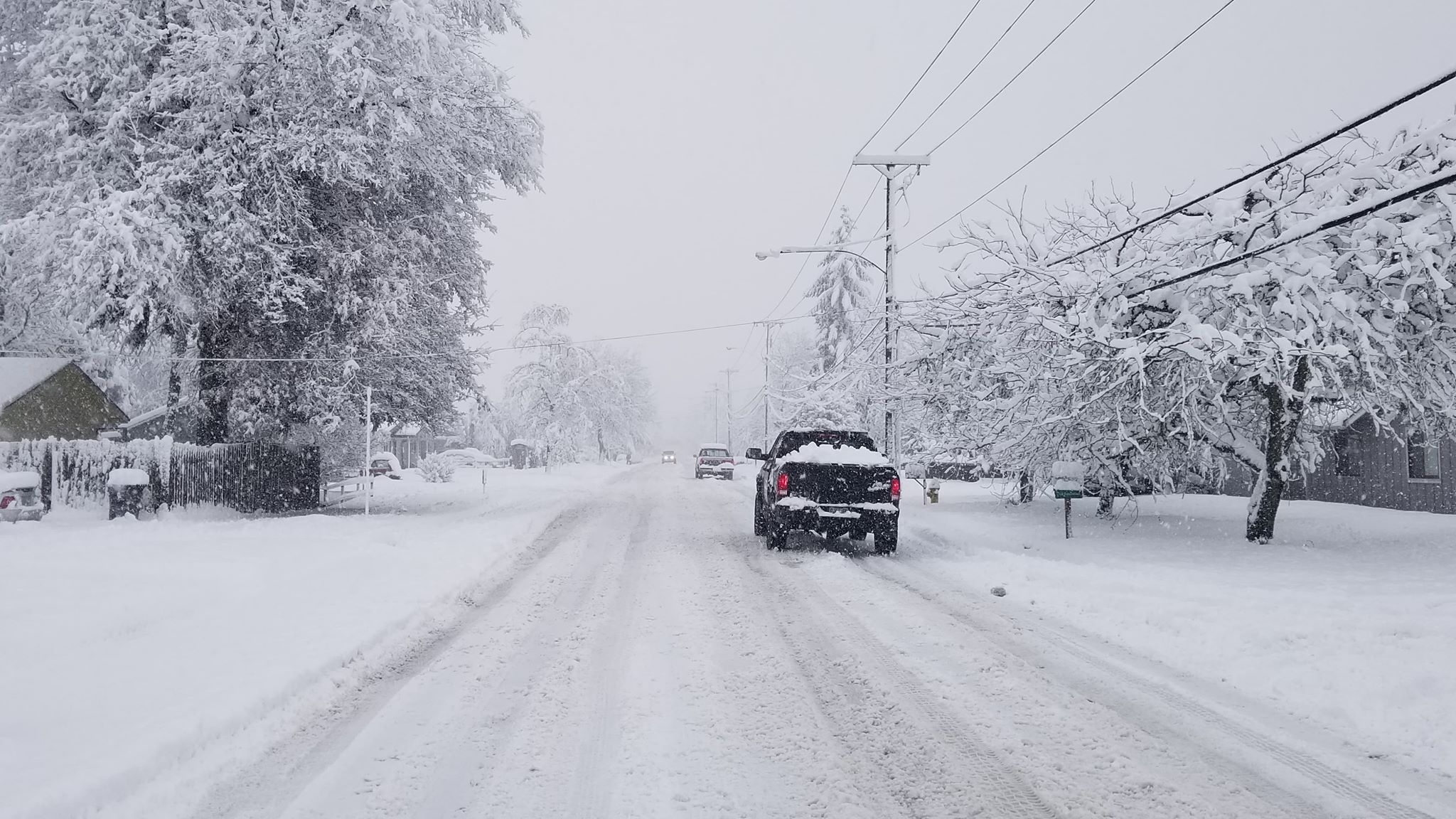
When traveling to Eugene in winter, it’s wise to be prepared for varying weather conditions. While the city itself rarely experiences significant travel disruptions due to snow, driving in the surrounding areas, especially in the Cascades, can be impacted.
Packing Essentials: Layers are key for Oregon winters. Bring waterproof and windproof outerwear, comfortable walking shoes that can handle wet conditions, and warm layers like fleece or wool. An umbrella is a must. If you plan to venture into the mountains for snow activities, ensure you have appropriate gear, including waterproof boots and potentially traction devices for your car, especially if driving over mountain passes like Santiam Pass.
Transportation: Eugene is served by the Eugene Airport (EUG), with connections to major hubs. Within the city, a car is generally recommended for exploring at your own pace, though public transportation options are available. If you are driving yourself, always check road conditions, especially if traveling to higher elevations. The Oregon Department of Transportation (ODOT) provides real-time updates on highway conditions.
In conclusion, while Eugene, Oregon, may not be a winter wonderland synonymous with heavy snowfalls, it certainly experiences its fair share of snowy days. These often brief but magical occurrences, coupled with the city’s rich cultural tapestry, culinary scene, and accessible natural beauty, make Eugene a compelling destination year-round. Whether you’re hoping for a dusting of snow to enhance the picturesque charm or simply seeking a vibrant city experience amidst the cool, damp beauty of the Pacific Northwest, Eugene is ready to welcome you.
LifeOutOfTheBox is a participant in the Amazon Services LLC Associates Program, an affiliate advertising program designed to provide a means for sites to earn advertising fees by advertising and linking to Amazon.com. Amazon, the Amazon logo, AmazonSupply, and the AmazonSupply logo are trademarks of Amazon.com, Inc. or its affiliates. As an Amazon Associate we earn affiliate commissions from qualifying purchases.