
While the iconic image of Texas often conjures up visions of vast, sun-drenched plains and scorching summer heat, the reality of its climate, particularly in cities like Fort Worth, can be more nuanced. The question of whether it snows in Fort Worth is not a simple yes or no, but rather an exploration of its meteorological patterns, the frequency of winter precipitation, and the impact it has on this vibrant North Texas metropolis. Understanding these elements is crucial for travelers planning a visit during the cooler months, offering insights into packing, activities, and the unique charm that winter can bring to the Lone Star State.
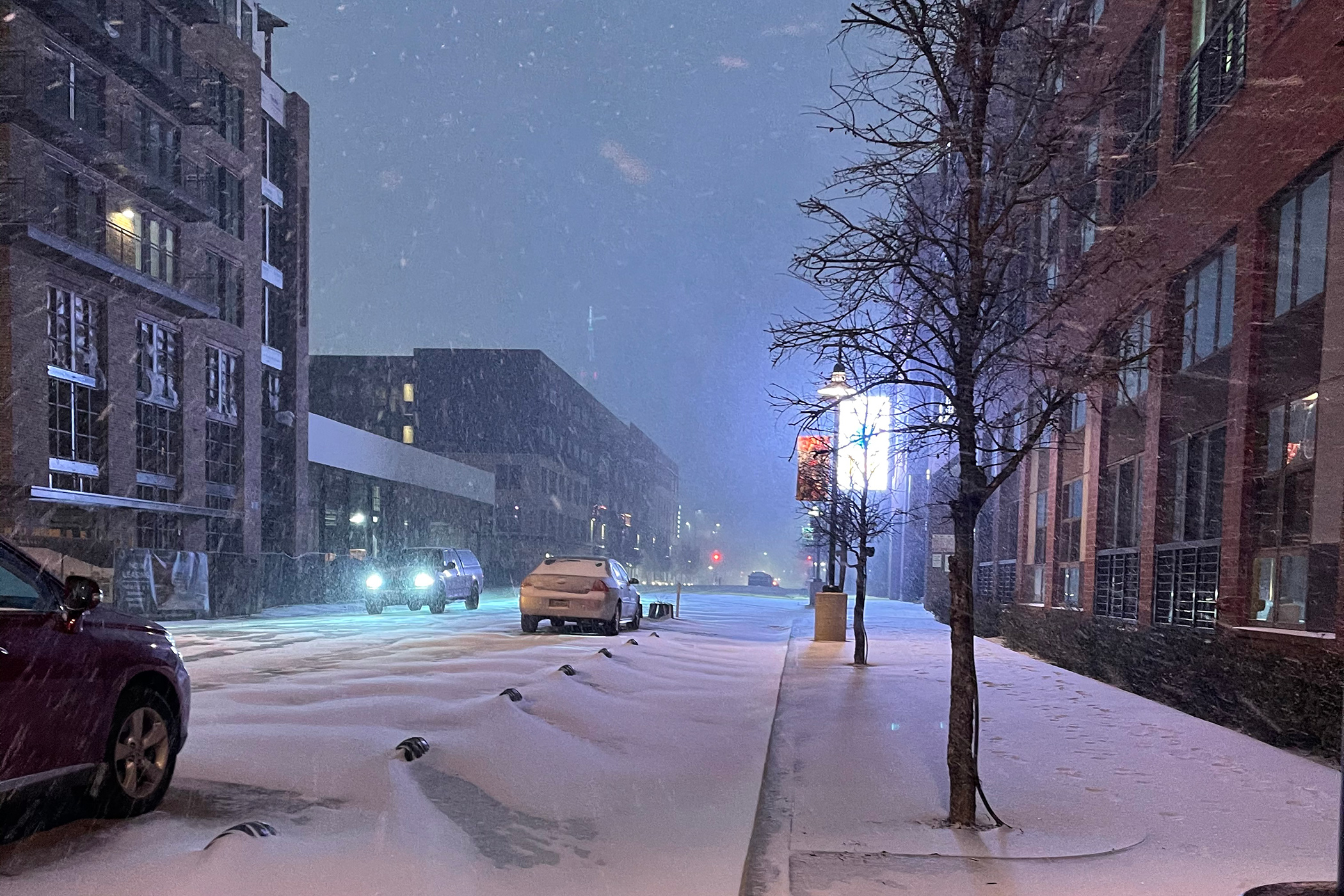
Winter Weather Patterns in North Texas
Fort Worth, situated in North Central Texas, experiences a humid subtropical climate. This means it generally enjoys hot summers and mild winters. However, its geographic location places it in a transitional zone, susceptible to the influence of both warm, moist air from the Gulf of Mexico and cold, dry air masses from Canada and the Rocky Mountains. This atmospheric interplay is key to understanding its winter weather.
Temperature Fluctuations
During winter, Fort Worth typically sees average high temperatures in the 50s Fahrenheit (around 10-15°C) and average lows in the 30s Fahrenheit (around 0-5°C). However, these are just averages. The city is prone to significant temperature swings. Cold fronts can sweep through, dropping temperatures dramatically for several days, sometimes bringing freezing conditions. Conversely, brief periods of unseasonably warm weather can occur, pushing temperatures into the 60s or even 70s Fahrenheit (15-25°C).
Precipitation Types
Winter precipitation in Fort Worth can manifest in several forms. The most common are:
- Rain: Gentle to moderate rainfall is frequent during the cooler months, often associated with the passage of weather systems.
- Freezing Rain: This occurs when rain falls and freezes upon contact with surfaces that are at or below freezing. It can create hazardous ice accumulation on roads, trees, and power lines.
- Sleet: Sleet is essentially frozen raindrops that have solidified before hitting the ground. It bounces upon impact and can also create slippery conditions.
- Snow: True snowfall, where flakes accumulate and persist for a period, is less common but certainly not unheard of in Fort Worth.
The specific type of precipitation is highly dependent on the exact temperature profile of the atmosphere from the cloud base to the ground. Even if the temperature aloft is cold enough for snow, a slightly warmer layer near the surface can melt the flakes into rain or cause them to freeze into sleet or freezing rain.
The Likelihood and Impact of Snow in Fort Worth
While Fort Worth doesn’t receive the consistent, heavy snowfall seen in many northern cities, its winter precipitation can still have a significant impact. The infrequent nature of snow, coupled with the infrastructure’s preparedness, often means that even a modest accumulation can cause disruptions.
Frequency of Snowfall
On average, Fort Worth sees measurable snowfall only a few times a year. The probability of significant accumulation is even lower. Some years might experience no snow at all, while others might see a couple of minor events. When snow does fall, it is often light and melts quickly, especially if the ground temperatures are not consistently below freezing. The city’s most memorable snow events are typically those that defy the odds, delivering a rare, picturesque dusting or even a few inches that transform the urban landscape.
Impact on Daily Life and Travel
When snow or icy conditions do occur in Fort Worth, they can bring the city to a standstill.
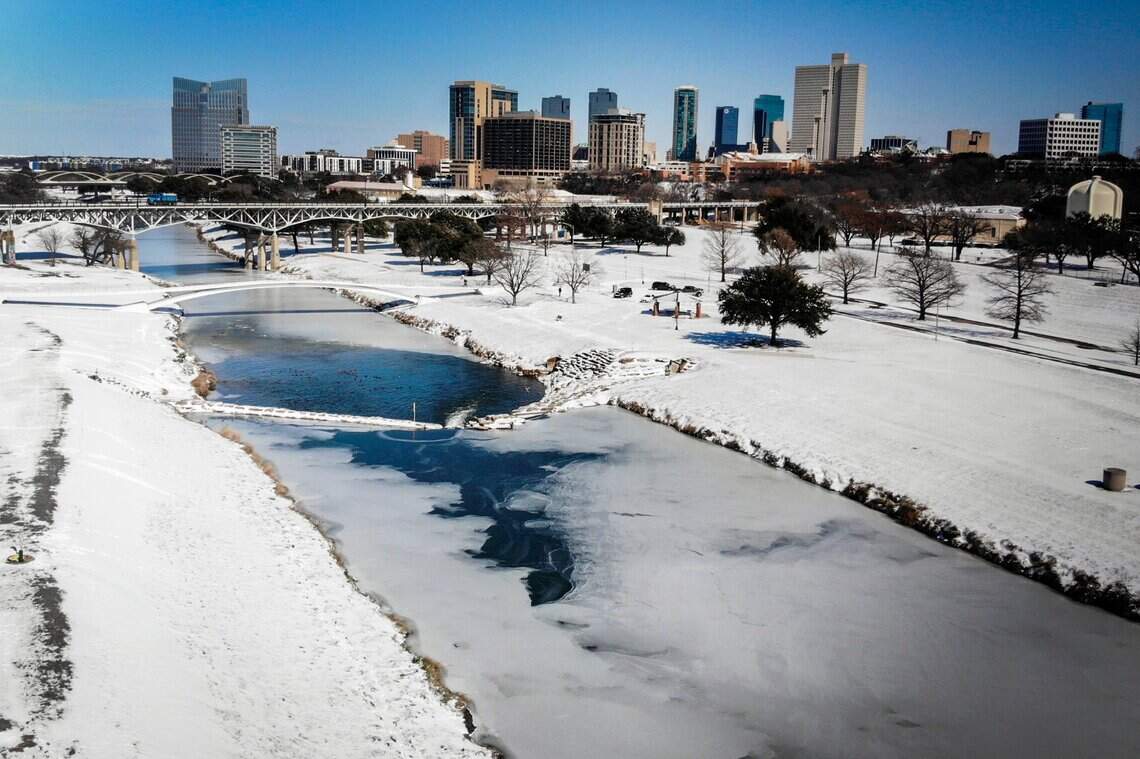
- Transportation: Roadways, particularly bridges and overpasses, become extremely hazardous due to ice accumulation. The local transportation department may not have the same extensive snow-removal infrastructure as regions accustomed to regular snow. This means that driving can become dangerous, leading to traffic delays and cancellations of school and work. Travelers should always check local road conditions before venturing out.
- Activities: While snow might deter some outdoor activities, it can also create unique opportunities. Parks and open spaces can be transformed into temporary winter wonderlands. Children might build snowmen, and some residents might venture out for short walks to appreciate the unusual sight. However, many typical Fort Worth attractions, such as the Fort Worth Stockyards or the Kimbell Art Museum, might have altered hours or reduced accessibility during severe winter weather.
- Atmosphere: A rare snowfall can imbue Fort Worth with a quiet, magical charm. The normally bustling city takes on a different character, with residents often enjoying the novelty of the weather. It’s a time when many find themselves looking out their windows, appreciating the unexpected beauty.
Preparing for a Winter Visit to Fort Worth
For travelers considering a trip to Fort Worth between November and March, it’s prudent to pack with a range of weather possibilities in mind. While the chances of being caught in a blizzard are slim, encountering chilly temperatures, rain, and potentially icy conditions is more probable.
Packing Essentials
- Layers: The key to comfortable winter travel in Fort Worth is layering. Pack thermal base layers, sweaters, and a medium-weight, water-resistant jacket. This allows you to adjust your clothing according to the fluctuating temperatures throughout the day.
- Footwear: Waterproof shoes or boots with good traction are essential. If ice or sleet is in the forecast, consider bringing slip-on grips or crampons for added safety, especially if you plan on exploring on foot.
- Accessories: A warm hat, gloves, and a scarf are vital for warding off the chill during colder spells. Even on milder days, the wind can make it feel colder than the thermometer indicates.
- Umbrella and Rain Gear: Given the possibility of rain, a compact umbrella and a waterproof outer layer will be invaluable.
Checking Forecasts and Staying Informed
Before and during your trip, it’s crucial to stay updated on the weather forecast. Local news channels and weather apps provide real-time updates. If significant winter weather is predicted, be prepared for potential adjustments to your itinerary. Many of Fort Worth’s cultural attractions, like the Fort Worth Zoo or the Modern Art Museum of Fort Worth, have indoor components that offer excellent refuge from inclement weather.
Beyond the Snow: Fort Worth’s Winter Charm
Even in the absence of snow, winter in Fort Worth offers a distinct travel experience. The cooler temperatures make it an ideal time for exploring the city’s numerous attractions without the intense heat of summer.
Indoor Attractions and Cultural Experiences
Fort Worth boasts a rich cultural landscape that is perfect for indoor enjoyment during cooler months. The Cultural District, home to the renowned Kimbell Art Museum, the Modern Art Museum of Fort Worth, and the Amon Carter Museum of American Art, offers world-class art collections. The Sundance Square area provides a vibrant hub of shops, restaurants, and entertainment venues.
The Fort Worth Stockyards National Historic District remains a must-visit, offering a glimpse into the city’s Western heritage with its daily cattle drives and historic buildings. While the outdoor elements are a draw, many saloons, shops, and the Stockyards Championship Rodeo provide indoor activities.
Culinary Delights
Winter is a perfect time to indulge in Fort Worth’s diverse culinary scene. From authentic Texas barbecue to upscale dining in areas like Sundance Square and the charming Camp Bowie district, there are countless opportunities to savor local flavors. Cozy restaurants and bars offer warm and inviting atmospheres to escape any winter chill.

Festive Seasons
The holiday season, leading into winter, brings its own unique celebrations to Fort Worth. The city often hosts elaborate Christmas light displays, holiday markets, and special events at attractions like the Fort Worth Botanic Garden. These festivities add an extra layer of magic to a winter visit.
In conclusion, while Fort Worth, Texas, might not be synonymous with heavy snowfall, winter precipitation, including snow, sleet, and freezing rain, is a distinct possibility. Understanding these patterns allows travelers to better prepare for their visit, ensuring a comfortable and enjoyable experience. More importantly, it highlights that Fort Worth possesses a unique winter charm, offering a wealth of indoor attractions, culinary delights, and festive experiences that make it a compelling destination year-round. The occasional dusting of snow simply adds an unexpected, delightful chapter to the story of this dynamic North Texas city.
LifeOutOfTheBox is a participant in the Amazon Services LLC Associates Program, an affiliate advertising program designed to provide a means for sites to earn advertising fees by advertising and linking to Amazon.com. Amazon, the Amazon logo, AmazonSupply, and the AmazonSupply logo are trademarks of Amazon.com, Inc. or its affiliates. As an Amazon Associate we earn affiliate commissions from qualifying purchases.