
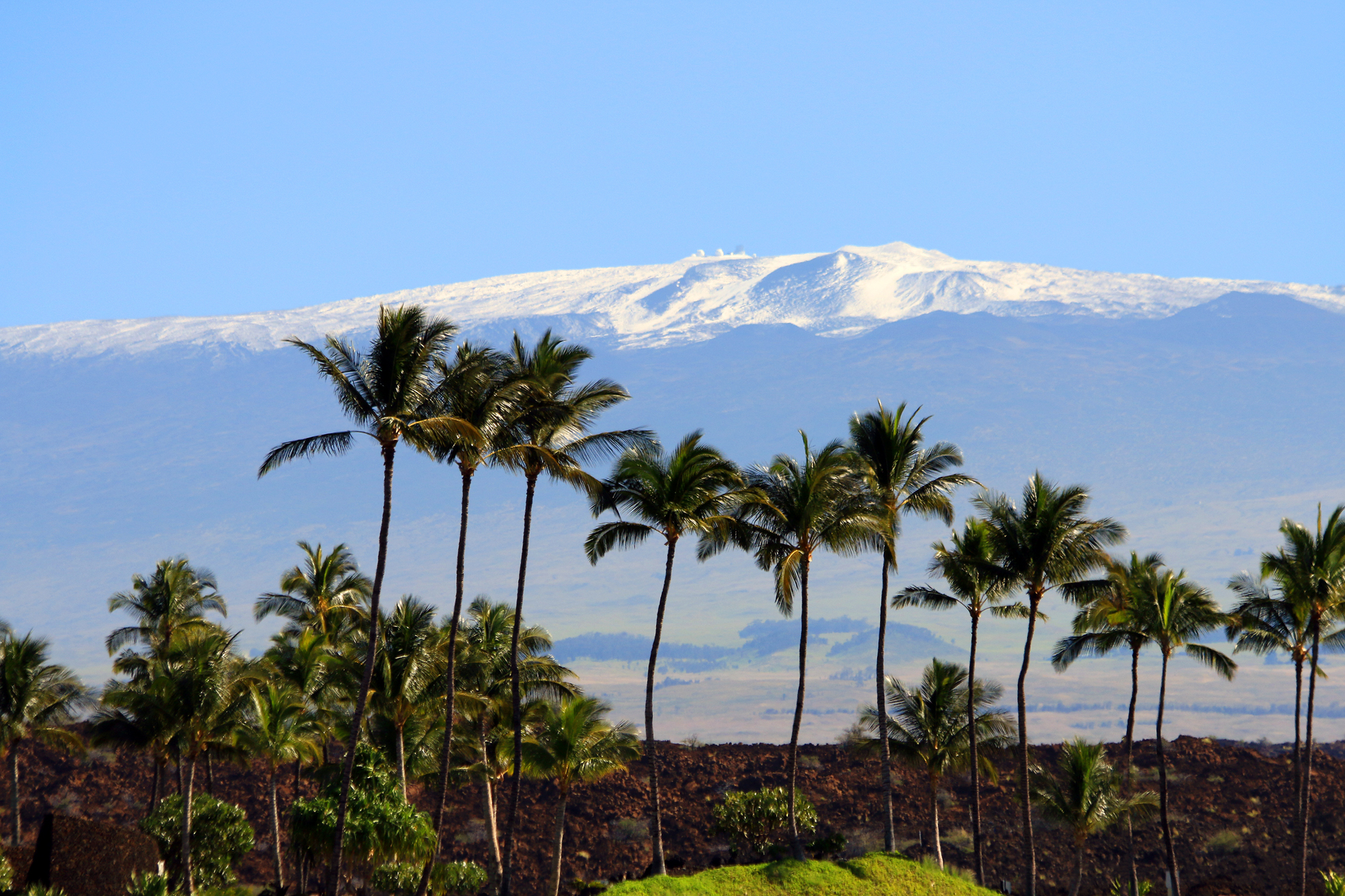
For many, the very idea of snow in Hawaii is a paradox, a tropical illusion that seems utterly impossible. Visions of pristine white-sand beaches, swaying palm trees, and the warm embrace of the Pacific Ocean are deeply ingrained in our collective imagination of the Aloha State. Yet, the surprising truth is that yes, it absolutely does snow in Hawaii. This unexpected meteorological phenomenon adds another fascinating layer to the islands’ already rich tapestry of diverse landscapes, offering a unique travel experience unlike any other in the United States.
Understanding this tropical paradox requires looking beyond the postcard-perfect beaches and delving into the volcanic heart of the islands. Hawaii is not just a collection of low-lying atolls; it is home to some of the world’s tallest mountains when measured from their base on the ocean floor. These colossal peaks rise so high into the atmosphere that they regularly reach elevations where temperatures plummet below freezing, making snowfall a predictable, albeit infrequent, occurrence during the colder months. This incredible juxtaposition of snow-capped summits and sun-drenched shores is a testament to Hawaii’s extraordinary geological and climatic diversity, presenting unparalleled opportunities for travelers seeking truly unique destinations and experiences.

The Tropical Paradox: Where Snow Meets Sunshine
The magic of Hawaii’s climate lies in its dramatic elevation changes. While the coastlines bask in year-round warmth, the interior of the islands hosts towering volcanoes that pierce the cloud line, creating distinct microclimates. This unique geographical feature is the key to understanding how snow can exist just a short drive from lush rainforests and vibrant coral reefs.
Unveiling Hawaii’s Snowy Peaks
The primary locations for snowfall in Hawaii are the highest peaks on the Big Island and, less frequently, on Maui.
On the Big Island, the twin giants of Mauna Kea and Mauna Loa are the most reliable spots for winter snow. Mauna Kea, a dormant volcano, is the highest point in Hawaii, reaching an impressive 13,803 feet (4,207 meters) above sea level. From its base on the ocean floor, it measures over 33,000 feet, making it the tallest mountain in the world. Its summit is frequently dusted with snow, particularly from December to February. This landmark is not only significant for its height but also for its cultural importance to Native Hawaiians and its scientific value, hosting some of the world’s most powerful Mauna Kea Observatories. Visitors to the summit will find themselves above the clouds, often experiencing a stark contrast to the tropical climate found just a few thousand feet below.
Just across the island, Mauna Loa, the largest subaerial volcano in both mass and volume, also frequently receives snowfall on its higher elevations. Though not as frequently visited by tourists for snow viewing due to its active status and more challenging access, its sheer size contributes significantly to the Big Island’s diverse topography.

On Maui, the majestic dormant volcano Haleakala, which means “House of the Sun,” occasionally sees light snowfall on its summit, reaching 10,023 feet (3,055 meters). While less common than on the Big Island’s higher peaks, witnessing snow on Haleakala is a truly rare and memorable event, adding to the island’s allure as a destination for diverse attractions and experiences. The dramatic drive up to the Haleakala crater is a popular tourist activity, renowned for its breathtaking sunrise and sunset views, even without the presence of snow.
When and How Often Does it Snow?
Snowfall in Hawaii is predominantly a winter phenomenon, occurring most reliably between December and February. However, it’s not unheard of for snow to make an appearance in late autumn or early spring, though these occurrences are less frequent and typically less substantial. The amount of snow varies greatly from year to year. Some winters might see several significant snowfalls, blanketing the summits in a respectable layer, while others might only experience light dustings or none at all. The unpredictable nature of mountain weather means that conditions can change rapidly, with clear skies giving way to snow flurries and vice-versa within hours. For those hoping to catch a glimpse of Hawaii’s snow, flexibility and a keen eye on weather forecasts are crucial.
Planning Your High-Altitude Hawaiian Adventure
Experiencing snow in Hawaii is an adventure that requires careful planning, especially when considering the unique challenges of high-altitude travel on a tropical island. From navigating mountain roads to preparing for extreme weather, a well-thought-out itinerary ensures a safe and unforgettable journey.
Getting to the Summits: Essential Travel Tips
Accessing the snowy peaks, especially Mauna Kea on the Big Island, is an adventure in itself. The summit road, known as Mauna Kea Summit Road, is unpaved and steep after the Visitor Information Station, making a 4×4 vehicle absolutely essential. Rental car agreements often prohibit driving standard vehicles on this portion of the road, so checking with your rental company is vital.
Altitude sickness is a serious concern. The air at 13,803 feet is significantly thinner, and symptoms can include headaches, nausea, dizziness, and fatigue. It is highly recommended to spend at least 30 minutes at the Mauna Kea Visitor Information Station (at 9,200 feet) to acclimate before proceeding to the summit. Visitors with heart or respiratory conditions, pregnant women, and young children (under 13) are generally advised against ascending to the summit.
Weather conditions on the mountains can be extreme and change rapidly. Even if it’s warm and sunny at sea level, the summit can be freezing, windy, and even experience blizzard-like conditions. Proper attire is critical: layers of warm clothing, including hats, gloves, and waterproof outer shells, are a must. Always check the latest weather forecasts and road conditions before embarking on your journey, as summit roads can be closed due to snow, ice, or high winds. Information is usually available from official observatories or local park services, crucial for effective travel planning.
Beyond the Snow: Unique Experiences at Altitude
While the allure of snow is a strong draw, the high-altitude regions of Hawaii offer much more than just fleeting flurries. The summits of Mauna Kea and Haleakala are iconic landmarks that provide incredible panoramic views and unique cultural and scientific experiences.
Mauna Kea, in particular, is renowned as one of the best stargazing sites in the world. The clear, dry air and minimal light pollution make it an unparalleled location for astronomical observation. Many visitors opt to drive up for sunset, watching the sky transform into a canvas of vibrant colors before millions of stars emerge. The Mauna Kea Observatories at the summit are a testament to global scientific collaboration, and while access inside the observatories is restricted, the sheer scale of the domes is impressive. Guided stargazing programs are often available at the Visitor Information Station, offering a deeper dive into the cosmos.
Culturally, these mountains hold immense significance for Native Hawaiians. Mauna Kea, in particular, is considered sacred, a place of gods and ancestors, a spiritual realm where the earth meets the heavens. Understanding and respecting this cultural heritage is an integral part of visiting these powerful natural landmarks. For example, Puu Wekiu, the highest peak of Mauna Kea, is especially revered.
Activities around the snowy areas, when conditions allow, might include informal sledding or snowball fights – a truly bizarre experience given the typical Hawaiian climate. Photography is, of course, a major draw, capturing the surreal beauty of white landscapes against a backdrop of distant tropical shores. This unique blend of activities makes for memorable travel experiences and incredible photo opportunities, solidifying Hawaii as a destination that continually surprises and delights.
Accommodating Your Hawaiian Journey: From Beach to Summit
Planning a trip to Hawaii with the intention of seeing snow means thinking about accommodation that balances the typical tropical experience with practical access to the mountains. The islands offer a vast array of hotels, resorts, and other forms of accommodation, catering to every lifestyle, from luxury travelers to budget adventurers and families.
Where to Stay: Hotels and Resorts for Every Lifestyle
For those focusing on the Big Island and its snowy peaks, the main hubs are Kona on the dry western coast and Hilo on the wetter eastern side.
In Kona, you’ll find a concentration of upscale resorts and hotels, perfect for luxury travel and family trips. Options like the Four Seasons Resort Hualalai offer unparalleled amenities, exquisite dining, and access to beautiful beaches, ideal for relaxing after a day of mountain exploration. There are also numerous mid-range hotels, vacation apartments, and villas available through services like Airbnb, providing flexible accommodation options for different budgets and longer stays. Kona is closer to Mauna Kea for an early start to the summit drive, although the drive itself is substantial. Kona International Airport provides convenient access to the west side.
Hilo offers a different vibe, with a more local feel and proximity to the lush rainforests and waterfalls of the eastern side. While it has fewer luxury resorts, it provides a good selection of comfortable hotels, boutique stays, and budget-friendly accommodations. Hilo is closer to the base of Mauna Kea via the scenic Saddle Road, making it a practical base if your primary goal is summit access. Hilo International Airport serves this side of the island. Staying in Hilo also allows for easy exploration of Hawaii Volcanoes National Park and the verdant Hamakua Coast, adding more diverse attractions to your tourism agenda.
On Maui, if you’re hoping for a rare glimpse of snow on Haleakala, you’ll likely base yourself in popular tourist areas like Wailea or Lahaina. Wailea is known for its upscale resorts, such as the Grand Wailea, A Waldorf Astoria Resort, and beautiful beaches, offering a quintessential luxury travel experience. Lahaina, a historic whaling town, provides a mix of hotels and apartments, along with a lively atmosphere. Both locations offer convenient access to Kahului Airport and the road leading up to Haleakala, though the drive to the summit can still take a couple of hours. These areas also boast a wealth of tourism activities, from snorkeling and surfing to exploring local culture and cuisine.
For those looking for something truly unique, consider a stay in smaller, more rural towns like Waimea on the Big Island, a paniolo (Hawaiian cowboy) town known for its ranches and cooler climate, offering a different kind of accommodation and lifestyle experience away from the bustling coastal resorts.
The Ultimate Hawaiian Lifestyle: Combining Tropics and Tundra
The ability to experience both tropical warmth and alpine chill within a single trip is perhaps Hawaii’s most distinctive offering. Imagine waking up to the sound of crashing waves, enjoying a morning surf session or a leisurely breakfast by the beach, and then embarking on an afternoon drive to a snow-covered volcano summit to watch the sunset over a sea of clouds. This extraordinary contrast is what makes travel to Hawaii so captivating and positions it as a premier destination for those seeking diverse experiences.
For family trips, this duality offers something for everyone: beach fun for the kids, hiking and exploration for adventurous adults, and unique photo opportunities for all. Budget travel is also possible, perhaps by opting for more affordable accommodation like vacation rentals or camping on lower elevations, and then doing day trips to the mountains. Luxury travel, of course, can combine opulent resort stays with guided private tours to the summits, ensuring comfort and convenience every step of the way.
Packing for such a trip requires thoughtful consideration. While your suitcase will undoubtedly be filled with swimwear, sandals, and light clothing for the beaches of Waikiki on Oahu or Poipu on Kauai, you’ll also need to include warm layers, a waterproof jacket, sturdy shoes, and perhaps even a hat and gloves for your mountain excursions. This preparation aligns with the best tips for diverse travel, ensuring you’re ready for any climate Hawaii throws your way.
In conclusion, the answer to “Does it snow in Hawaii?” is a resounding yes, revealing a side of the islands that challenges preconceived notions and invites a deeper exploration of its natural wonders. From the sacred peaks of Mauna Kea and Mauna Loa on the Big Island to the occasionally dusted summit of Haleakala on Maui, these high-altitude landscapes offer a truly unique dimension to Hawaiian tourism. Whether you’re chasing the thrill of seeing snow in the tropics, marveling at the stars from an astronomical observatory, or simply seeking to combine beach relaxation with mountain adventure, Hawaii delivers an unparalleled blend of experiences. It’s a destination that promises not just beautiful scenery, but unforgettable memories, affirming its status as one of the world’s most fascinating and diverse travel destinations.
LifeOutOfTheBox is a participant in the Amazon Services LLC Associates Program, an affiliate advertising program designed to provide a means for sites to earn advertising fees by advertising and linking to Amazon.com. Amazon, the Amazon logo, AmazonSupply, and the AmazonSupply logo are trademarks of Amazon.com, Inc. or its affiliates. As an Amazon Associate we earn affiliate commissions from qualifying purchases.