
Las Vegas, Nevada, is globally renowned as the Entertainment Capital of the World, a glittering oasis famous for its vibrant nightlife, world-class resorts, gourmet dining, and endless sunshine. The city conjures images of scorching desert heat and shimmering swimming pools, not frost-kissed landscapes or snow-covered streets. So, when the question arises, “Does it snow in Las Vegas, Nevada?”, the initial reaction for many is often a surprised “No way!”
However, the surprising reality is that yes, it does snow in Las Vegas. While a significant snowfall on the iconic Las Vegas Strip is an exceptionally rare and fleeting event, the surrounding region, particularly its majestic mountain ranges, experiences a generous blanketing of white each winter. This creates a fascinating duality: a desert metropolis celebrated for its warmth, sitting just a short drive from legitimate winter wonderlands. This article delves into the nuances of snow in and around Las Vegas, exploring where and when it falls, how visitors can experience it, and what unique travel and lifestyle opportunities this unexpected phenomenon presents.

The Surprising Reality of Snow in the Mojave Desert
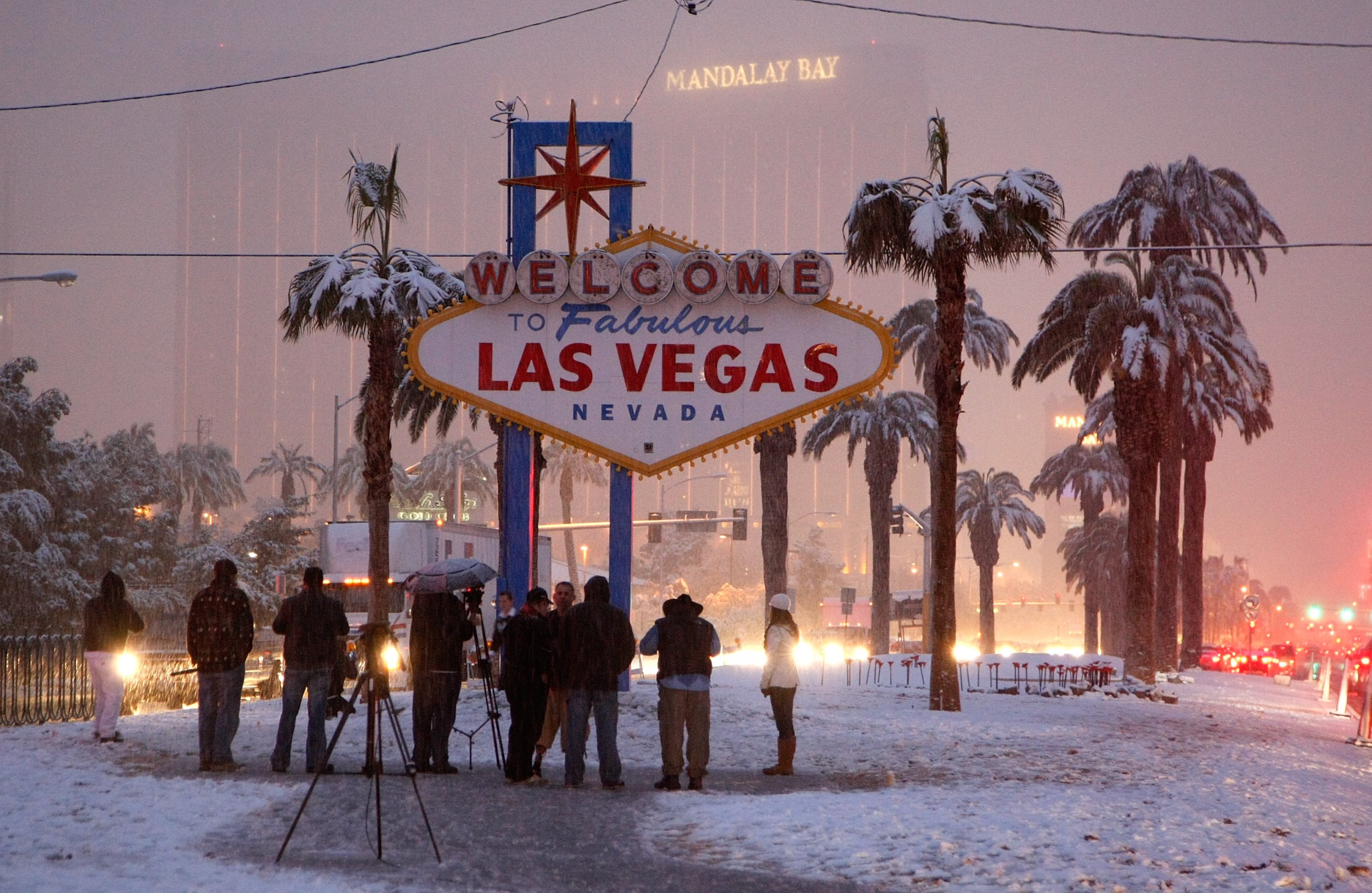
The image of palm trees dusted with snow might seem like something out of a surreal painting, but it’s a genuine, albeit rare, occurrence in Las Vegas. Understanding this phenomenon requires looking beyond the immediate city limits and appreciating the diverse topography of Southern Nevada.
Where Snow Really Falls in the Las Vegas Area
The key to understanding snow in the Las Vegas region lies in elevation. The city itself sits at an average elevation of about 2,000 feet (610 meters) above sea level, nestled within the vast Mojave Desert. This relatively low elevation, combined with its arid climate, makes widespread snow accumulation a statistical anomaly.
However, just a short drive from the bustling city, the landscape dramatically transforms into towering peaks. The Spring Mountains, a majestic range that includes Mount Charleston, rise to over 11,900 feet (3,600 meters). These higher elevations routinely receive substantial snowfall throughout the winter months, typically from November through April. Mount Charleston is so consistently snow-covered that it hosts Lee Canyon (formerly known as the Las Vegas Ski & Snowboard Resort), a fully operational ski resort just an hour’s drive from the Las Vegas Strip. This natural landmark provides a stark contrast to the city, offering a completely different type of experience for travelers seeking diverse attractions and experiences.
Even closer, the vibrant red sandstone cliffs of Red Rock Canyon National Conservation Area, another popular destination for hiking and outdoor enthusiasts, occasionally receive light dustings of snow. While not enough for skiing, these brief snowfalls create breathtaking photographic opportunities, enhancing the already stunning geological formations with a delicate white sheen. For those interested in nature-based tourism, Red Rock Canyon offers a unique perspective during the cooler months, with crisp air and fewer crowds.
The Rare Occurrences on the Las Vegas Strip
While the mountains are reliably snowy, the sight of snow on the actual Las Vegas Strip or in Downtown Las Vegas is a truly rare spectacle. When it does occur, it’s usually a light dusting that melts within hours, often before noon. Significant accumulations are even rarer, making national news when they happen. For example, Las Vegas saw its heaviest snowfall in over a decade in December 2008, with some areas receiving a few inches, creating temporary disruption and a frenzy of excitement among locals and tourists alike. Another notable event occurred in February 2019, when the city received a few inches, covering palms and golf courses in white.
These events are typically caused by a confluence of specific weather conditions: an unusually cold air mass descending into the valley combined with sufficient moisture. Given the Mojave Desert’s arid nature, the latter element is often the missing piece. When snow does fall in the urban core, it becomes an instant novelty. People rush outside to take pictures, sharing the surreal sight of snow against the backdrop of world-famous resorts like Caesars Palace or Bellagio. The impact on travel and tourism is generally minimal, as the snow rarely lasts long enough to disrupt flights or major road travel within the city. Instead, it becomes a memorable, once-in-a-lifetime experience for those fortunate enough to witness it.
A Desert Climate with a Winter Twist: Understanding Las Vegas Weather
To truly appreciate the rarity of snow in urban Las Vegas and the contrast with its snowy peaks, it’s essential to understand the city’s typical climate patterns and how they shift during the winter months.
Typical Las Vegas Climate Patterns
Las Vegas is characterized by a subtropical hot desert climate. This means incredibly hot, dry summers and mild, relatively dry winters. From June to September, daily high temperatures often exceed 100°F (38°C), making it a haven for those seeking intense heat and sunshine.
Winters, however, bring a welcome respite. From December to February, average daytime high temperatures typically range from the mid-50s to low-60s Fahrenheit (13-18°C), with overnight lows often dipping into the upper 30s or low 40s Fahrenheit (3-7°C). While these temperatures are cool, they are generally not consistently cold enough to sustain snowfall, especially given the low humidity and infrequent precipitation. When precipitation does occur, it is usually in the form of rain. The occasional cold snap might bring temperatures below freezing, but without enough moisture, snow simply doesn’t form at lower elevations. This mild winter climate is a significant draw for many travelers, allowing comfortable exploration of Las Vegas attractions, whether strolling the Las Vegas Strip or enjoying outdoor activities.
Preparing for Las Vegas Winters – What to Pack
Even if you’re not planning a trip to the snowy mountains, a winter visit to Las Vegas requires thoughtful packing. While the days can be pleasantly mild and sunny, the evenings and nights become surprisingly chilly, especially after sunset. The arid air can make the cold feel more penetrating than in humid climates.
For a comfortable and enjoyable winter stay, visitors should pack layers. During the day, light jackets, sweaters, or long-sleeved shirts are usually sufficient. However, for evenings out – attending shows, dining at outdoor restaurants, or simply walking between resorts – a warm coat, gloves, and perhaps a hat are highly recommended. Resorts like Bellagio and Wynn Las Vegas often have beautiful outdoor areas that are best enjoyed with appropriate cold-weather gear. While rain is infrequent, a small umbrella or light rain jacket can also be useful for unexpected showers. If you plan to venture up to Mount Charleston or Lee Canyon, proper snow gear, including waterproof jackets, pants, boots, and insulated layers, is absolutely essential. Many outfitters in the city or near the mountain offer rentals for skis, snowboards, and even clothing, making it easy for travelers to spontaneously decide on a winter adventure.

Embracing Winter Wonders: Activities Beyond the Strip
While the bright lights and warmth of the Las Vegas Strip are a primary draw, the winter months unveil a different side of the Las Vegas experience, offering unique attractions and activities for those willing to explore beyond the city center.
Skiing and Snowboarding at Mount Charleston
One of the most remarkable aspects of winter in the Las Vegas area is the proximity of a legitimate ski resort. Lee Canyon (formerly Las Vegas Ski & Snowboard Resort) on Mount Charleston is a full-service resort offering skiing, snowboarding, and snow tubing. It boasts several lifts, a variety of trails suitable for all skill levels, a ski school, and rental facilities for equipment and apparel. The drive from the Las Vegas Strip to Lee Canyon is typically less than an hour, making it an ideal day trip for both seasoned snow sports enthusiasts and those looking to try something new.
For many, the idea of skiing in the morning and enjoying a world-class show on the Las Vegas Strip in the evening is an irresistible and unique travel experience that few other destinations in the United States can offer. This kind of luxury travel experience, blending desert glamour with alpine adventure, truly epitomizes the diverse lifestyle options available in the Las Vegas region. The resort also offers a range of family-friendly activities, making it a perfect addition to a family trip itinerary.
Scenic Drives and Hiking in Snowy Landscapes
Even for those not interested in skiing, the higher elevations around Las Vegas offer stunning winter scenery. The Mount Charleston Loop is a breathtaking scenic drive that winds through pine forests, offering panoramic views and access to various hiking trails. In winter, these trails transform into a serene wonderland, with snow-laden trees and crisp mountain air. Visitors can enjoy snowshoeing, cross-country skiing, or simply taking a leisurely hike, provided they are properly equipped and check trail conditions beforehand.
Red Rock Canyon also provides a spectacular winter backdrop. While heavy snow is rare, even a light dusting clinging to the red rocks creates an incredibly dramatic and photogenic landscape. The cooler temperatures make for more comfortable hiking than in the summer, allowing visitors to explore the area’s famous landmarks and natural beauty without the intense heat. This blend of desert and occasional snow adds a fascinating dimension to the outdoor tourism offerings, appealing to adventure seekers and nature lovers alike.
Experiencing Festive Las Vegas – Winter Events and Attractions
Even when the city itself remains snow-free, Las Vegas fully embraces the festive spirit of winter and the holiday season. Many resorts transform into dazzling displays of lights and decorations, offering unique winter-themed attractions. The Bellagio Conservatory & Botanical Gardens, for instance, unveils an elaborate and enchanting holiday display that changes annually. The Venetian Resort Las Vegas often features festive decor and entertainment, while The Cosmopolitan of Las Vegas transforms its Boulevard Pool into an outdoor ice skating rink, complete with holiday tunes and seasonal treats.
Beyond these specific attractions, the overall ambiance of the city shifts during winter. The cooler weather encourages more outdoor strolling, and the numerous shows, concerts, and world-class dining experiences continue to thrive, often with special holiday programming. From intimate lounges to grand performance venues, Las Vegas provides an array of indoor activities perfect for escaping the evening chill. This ensures that whether you’re looking for luxury travel, a family trip, or even a budget-friendly getaway, the winter season in Las Vegas offers a wealth of choices to suit every lifestyle and preference.
Planning Your Las Vegas Winter Getaway: Accommodation and Logistics
A winter trip to Las Vegas combines the best of both worlds: the vibrant energy of the city and the serene beauty of nearby snowy landscapes. Thoughtful planning for accommodation and logistics can enhance this unique experience.
Choosing Your Winter Stay: From Strip Resorts to Mountain Cabins
Las Vegas offers an unparalleled variety of accommodation options, and winter is a fantastic time to explore them.
- Las Vegas Strip Resorts: For those primarily focused on the city’s entertainment, dining, and nightlife, staying at one of the iconic resorts like Caesars Palace, Bellagio, or Wynn Las Vegas is the quintessential Las Vegas experience. These luxury hotels offer suites, amenities like heated pools and spas, and easy access to all the indoor attractions. Booking in advance, especially around holiday weekends, is crucial.
- Downtown Las Vegas: For a different vibe, Downtown Las Vegas provides a more historic and often more budget-friendly option, with unique attractions like the Fremont Street Experience and a burgeoning arts scene.
- Off-Strip Hotels: Numerous hotels slightly off the main Las Vegas Strip offer competitive rates and excellent amenities, often catering to families or those seeking a slightly quieter experience.
- Mount Charleston Cabins: For a truly immersive winter experience, consider renting a cabin on Mount Charleston. This offers a rustic escape, perfect for enjoying the snowy landscapes, often with cozy fireplaces and stunning natural views. It’s a stark contrast to the city’s luxury resorts, providing a diverse accommodation comparison for travelers. Availability is limited, so early booking is highly recommended.
When planning your accommodation, consider what kind of lifestyle and travel experience you’re seeking. Do you prefer the bustling energy of the city or the tranquil beauty of a mountain retreat? Or perhaps a split stay, enjoying both worlds?
Essential Tips for Winter Travel to Las Vegas
- Booking Flights and Accommodation: While winter is generally less crowded than the peak summer months, popular holiday periods like Thanksgiving, Christmas, and New Year’s Eve see a massive influx of tourists. Booking flights and hotels well in advance for these times is essential, as prices for luxury suites and resorts can skyrocket. For off-peak winter weeks, you might find some excellent deals, making it a great time for budget travel.
- Transportation: A rental car is highly recommended if you plan to explore beyond the Las Vegas Strip, especially for trips to Mount Charleston or Red Rock Canyon. Always check road conditions before heading to higher elevations, as chains or four-wheel drive might be required during heavy snow. Within the city, ride-shares, taxis, and public transportation (monorail, buses) are efficient ways to navigate.
- Flexibility and Awareness: While snow on the Las Vegas Strip is rare and quickly melts, heavy snowfall in the Spring Mountains can sometimes lead to road closures on Mount Charleston. Stay informed about local weather forecasts if you plan mountain excursions.
- Embrace the Contrast: The magic of Las Vegas in winter lies in its contrasts. Be prepared to enjoy both the mild desert days and the crisp evenings, and the possibility of transitioning from a sunny pool deck to a snowy mountain trail in less than an hour. This duality offers unique experiences and makes for compelling travel guides.
In conclusion, while significant snowfall on the Las Vegas Strip is indeed a rare and celebrated event, the question of whether it snows in Las Vegas, Nevada, is unequivocally “yes” when considering its broader metropolitan area. The towering Spring Mountains provide a reliable and accessible winter wonderland, complete with skiing, snowboarding, and breathtaking snowy vistas, just a short drive from the desert city. This unique geographic feature transforms Las Vegas from merely a hot desert playground into a destination of surprising seasonal diversity. Whether you’re seeking the warmth and glitz of the city or the serene beauty of a snowy mountain escape, a winter visit to Las Vegas offers an unforgettable and multifaceted travel experience, proving that this iconic city truly has something for everyone, even those dreaming of a white winter.
LifeOutOfTheBox is a participant in the Amazon Services LLC Associates Program, an affiliate advertising program designed to provide a means for sites to earn advertising fees by advertising and linking to Amazon.com. Amazon, the Amazon logo, AmazonSupply, and the AmazonSupply logo are trademarks of Amazon.com, Inc. or its affiliates. As an Amazon Associate we earn affiliate commissions from qualifying purchases.