
Miami, Florida. The very name conjures images of sun-drenched beaches, vibrant nightlife, and an ever-present warmth that seems to permeate every aspect of life. It’s a city synonymous with tropical allure, a place where flip-flops and swimsuits are often the prescribed attire. Given this ingrained perception, the question itself, “Does it snow in Miami, Florida?” might seem almost preposterous to many. Yet, the allure of the unexpected, the rare anomaly, often sparks curiosity. So, let’s delve into the climate of this iconic South Florida metropolis and explore the very rare instances, if any, where snowflakes might have graced the Magic City.
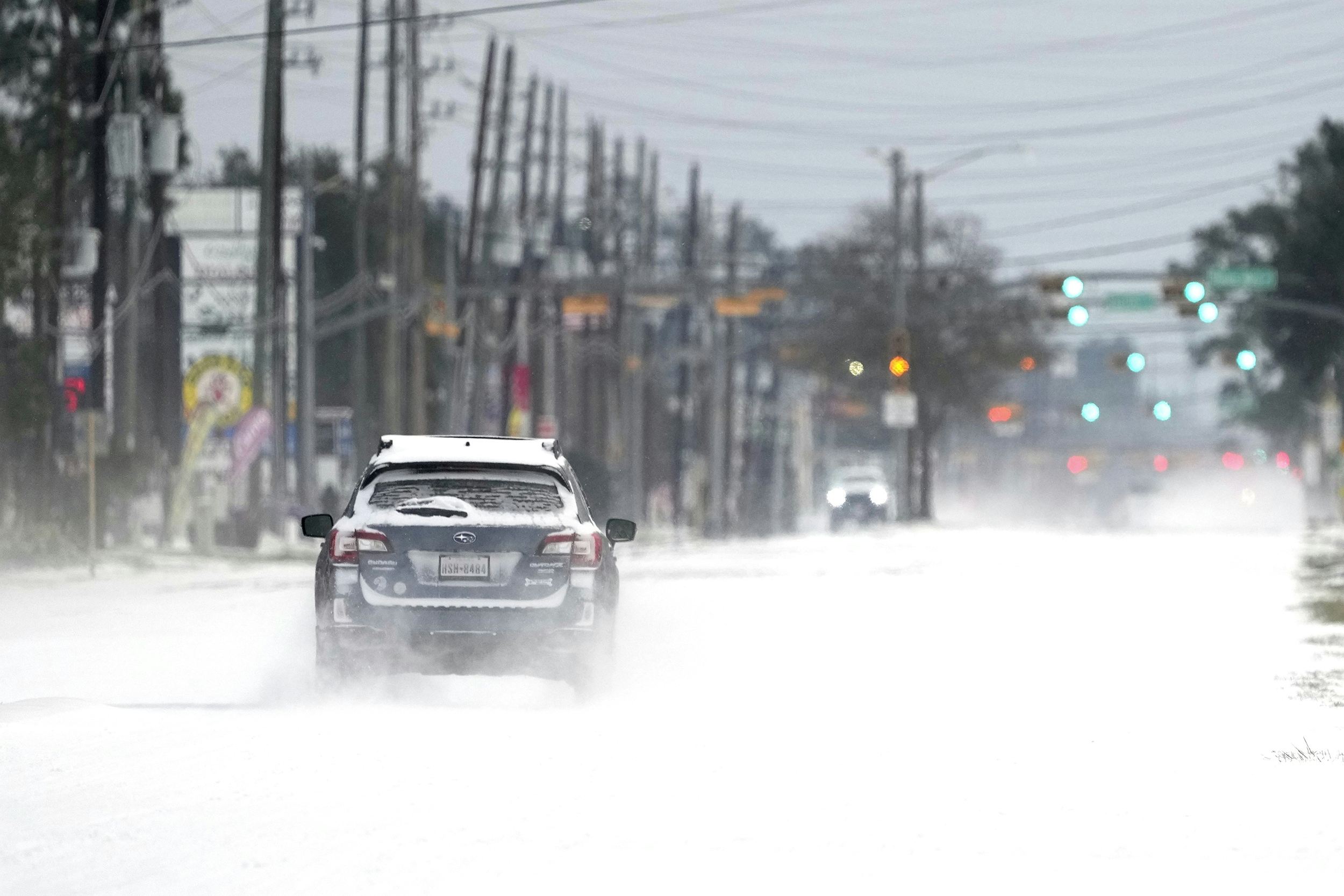
The short, direct answer is an emphatic no, it does not snow in Miami, Florida, in any regular or significant way. Miami’s climate is classified as a tropical monsoon climate, characterized by hot, humid summers and warm, dry winters. The average annual temperature hovers around 77°F (25°C), with daytime highs in the summer frequently exceeding 90°F (32°C) and nighttime lows rarely dipping below 60°F (15.5°C). This consistently warm environment makes the formation and persistence of snow virtually impossible.
However, climate is a complex system, and while statistically improbable, extremely rare meteorological events can occur. To understand why snow is so unlikely, we need to look at the fundamental requirements for snowfall: freezing temperatures in the atmosphere and at ground level, coupled with sufficient moisture.
The Tropical Climate: A Formidable Barrier to Snow
Miami’s geographical location is the primary determinant of its climate. Situated on the southeastern tip of Florida, it’s surrounded by the warm waters of the Atlantic Ocean and Biscayne Bay. These bodies of water act as moderating influences, preventing extreme temperature fluctuations. The Gulf Stream, a powerful ocean current, also plays a significant role, bringing warm water from the tropics northward and contributing to Miami’s mild winters.
Understanding Winter in Miami
While many parts of the United States experience the biting cold and heavy snowfall of winter, Miami’s winters are a stark contrast. From December to February, the city enjoys its “dry season,” marked by lower humidity, less rainfall, and pleasant temperatures. Daytime highs typically range from the low 70s to the mid-70s Fahrenheit (around 21-24°C), and nighttime lows can occasionally drop into the 50s Fahrenheit (10-15°C). While this might feel cool to those accustomed to the peak summer heat, it’s still far above freezing.
For snow to fall, temperatures need to be at or below 32°F (0°C) from the cloud where the snow forms all the way down to the ground. In Miami, even on the coldest winter mornings, the air temperature rarely approaches this critical threshold. The oceanic influence and the city’s southern latitude create a persistent thermal buffer that keeps the mercury stubbornly above freezing.
The Infamous Freeze of 1977: A Rare Glimpse of Winter’s Edge
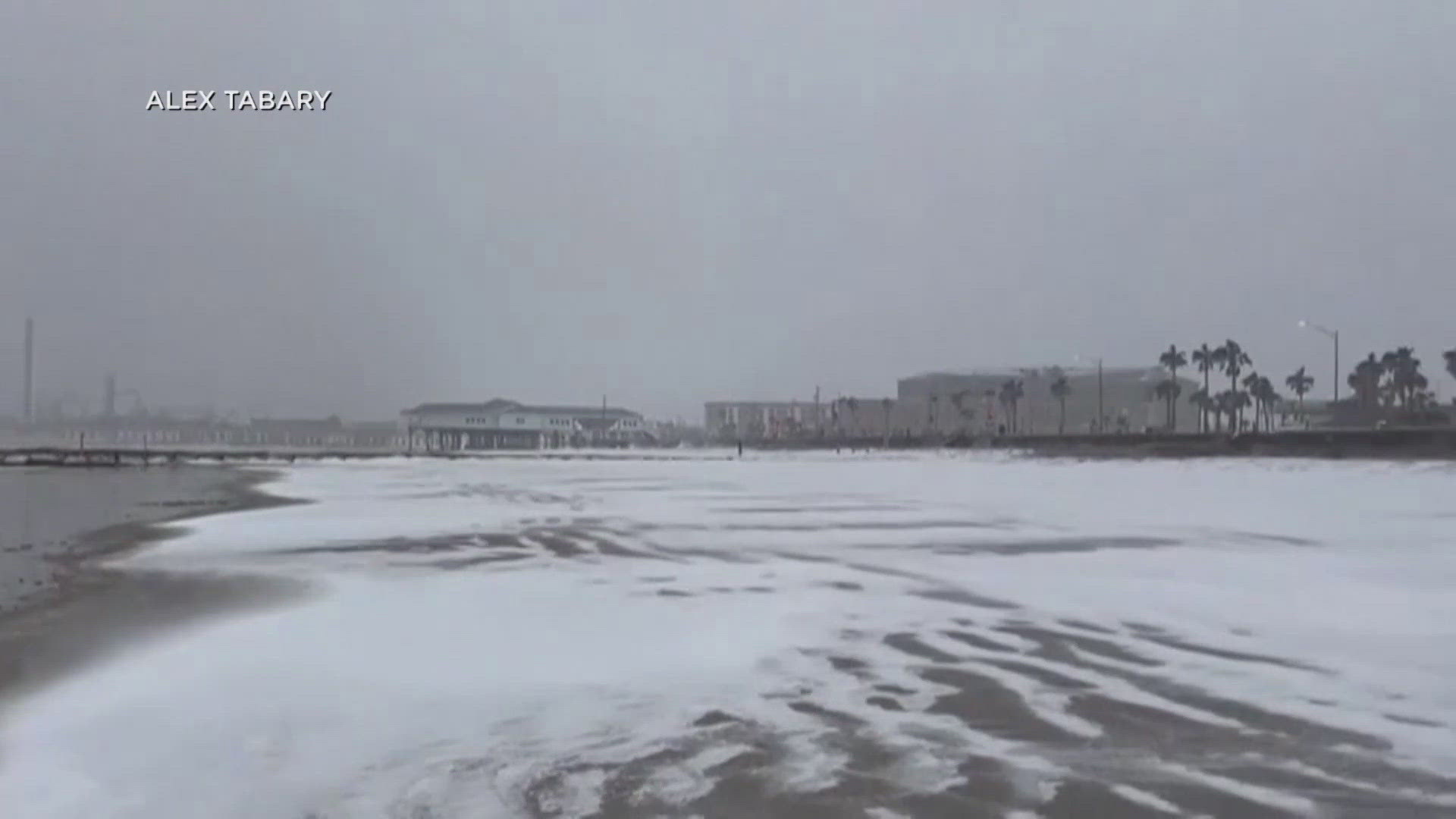
Despite the overwhelming evidence against snowfall, history does record one, and only one, highly unusual event where a trace of snow was reported in Miami. This occurred on January 19, 1977, during a severe cold snap that affected much of the eastern United States. This event was so extraordinary that it’s often cited as the only time snow has been officially recorded in Miami’s history.
This cold spell was a truly anomalous weather pattern. A powerful low-pressure system moved down from Canada, dragging extremely cold air far south. This system brought frigid temperatures to Florida, and on that particular morning, the temperature in Miami dipped to an astonishing 30°F (-1°C), with a wind chill making it feel even colder.
What Exactly Happened in 1977?
It’s crucial to understand what constituted “snow” during the 1977 event. It wasn’t a blizzard or a picturesque snowfall covering the ground. Instead, witnesses and weather reports describe a very light dusting, almost like sleet or ice pellets, that melted almost immediately upon contact with the ground. Some residents reported seeing a few flakes, while others saw little to nothing. The flakes were tiny and fleeting, more a meteorological curiosity than a true winter wonderland experience.
The impact of this event was more psychological than physical. For a city that never experiences snow, even the faintest possibility was cause for significant discussion and wonder. Many long-time residents who were present recall the event vividly, not for the accumulation, but for the sheer novelty of the cold air and the fleeting flakes.

Why Snowfall Remains a Near Impossibility
The 1977 event serves as a testament to the extreme rarity of the conditions required for even a trace of snow in Miami. For snow to form and reach the ground, several specific meteorological conditions must align perfectly:
- Freezing Temperatures Aloft: The temperature within the cloud layer where precipitation forms must be at or below freezing. This is usually the most consistent condition for snow in colder climates.
- Freezing Temperatures Through the Atmospheric Column: The air temperature from the cloud to the ground must remain at or below freezing. If the air between the cloud and the ground is above freezing, snowflakes will melt and turn into rain or sleet before reaching the surface. This is the primary hurdle for Miami.
- Sufficient Moisture: There must be enough moisture in the atmosphere to form clouds and precipitation.
In Miami, the crucial missing ingredient is consistently cold air from the cloud layer all the way to the ground during periods of sufficient moisture. While cold fronts can push south and bring cooler temperatures, they rarely bring the prolonged and deep cold required for snow to materialize. The warm ocean currents and the city’s latitude typically prevent the atmosphere from cooling sufficiently at lower altitudes.
The Role of Cold Fronts
Occasionally, a strong cold front will sweep through South Florida. These events can bring chilly air, sometimes causing temperatures to dip into the 40s and occasionally the 30s Fahrenheit (around 4-9°C and even lower). When these fronts coincide with a system carrying moisture, there’s a theoretical possibility of precipitation. However, even in these rare conjunctions, the air is almost always too warm near the surface for snow to form and survive. Instead, this scenario typically results in rain, sometimes heavy, or if temperatures are marginal, potentially sleet or freezing rain – but not snow.
What Travelers Can Expect: The Real Miami Winter
For anyone planning a trip to Miami, Florida, the expectation of snow should be firmly set aside. Instead, travelers can look forward to a delightful winter season that offers a welcome respite from colder climates.
Traveling to Miami in Winter
The period from November through April is generally considered the peak tourist season in Miami. This is due to the pleasant weather, making it an ideal escape for those seeking sunshine and warmth.
- Temperatures: Expect daytime highs in the 70s Fahrenheit (21-26°C) and comfortable evenings.
- Humidity: Humidity levels are significantly lower than in the summer months, making the weather feel more pleasant and less oppressive.
- Activities: This is the perfect time for outdoor activities. Think exploring the vibrant streets of South Beach, lounging on the pristine sands of Miami Beach, visiting iconic landmarks like the Art Deco Historic District, or enjoying the natural beauty of Everglades National Park.
- Accommodation: Hotels and resorts, from luxury options like the Fontainebleau Miami Beach to charming boutique hotels in neighborhoods like Wynwood, are popular year-round, but booking in advance is always recommended, especially during peak season. Consider options like The Betsy South Beach for a unique stay.
- Food Scene: Miami’s diverse culinary landscape, from fresh seafood to authentic Cuban cuisine, is a major draw. You can explore fantastic eateries in areas like Little Havana or enjoy fine dining experiences.
The “Cold Snap” Experience
Even the most significant “cold snaps” in Miami are relative. While a dip into the 40s Fahrenheit (around 4-9°C) might feel chilly, especially if you’re dressed for typical Miami warmth, it’s far from freezing. Locals might even pull out a light jacket or sweater. This is the extent of Miami’s winter chill.
Packing for Miami in Winter
When packing for a trip to Miami during its “winter” months, think light layers. You’ll want swimwear, shorts, t-shirts, sundresses, and perhaps a light sweater or jacket for the evenings. Comfortable walking shoes are a must for exploring attractions like Vizcaya Museum & Gardens.
In conclusion, the question of whether it snows in Miami, Florida, is a fascinating exploration of climate extremes. While the 1977 anomaly stands as a historical footnote, it reinforces the overwhelming reality: Miami is a tropical paradise where snow is an almost impossible meteorological event. Its enduring appeal lies in its consistent sunshine, warm waters, and vibrant culture, making it a dream destination for those seeking a true escape from winter’s embrace. The Magic City, indeed, operates on a different kind of magic, one powered by the sun and the sea, not by snowflakes.
LifeOutOfTheBox is a participant in the Amazon Services LLC Associates Program, an affiliate advertising program designed to provide a means for sites to earn advertising fees by advertising and linking to Amazon.com. Amazon, the Amazon logo, AmazonSupply, and the AmazonSupply logo are trademarks of Amazon.com, Inc. or its affiliates. As an Amazon Associate we earn affiliate commissions from qualifying purchases.