
The vibrant, soulful city of New Orleans, Louisiana, is synonymous with jazz music, delicious Creole cuisine, historic architecture, and the endless revelry of Mardi Gras. It’s a destination that conjures images of humid summers, mild winters, and lively street scenes bathed in perpetual sunshine. So, the question, “Does it snow in New Orleans?” often elicits a chuckle from locals and a raised eyebrow from visitors. While it’s certainly not a common occurrence, the answer isn’t a definitive “no.” Snowfall in New Orleans is a rare, almost mythical event, a fleeting whisper of winter that occasionally graces the subtropical landscape, turning the familiar into something unexpectedly magical.
For anyone planning a trip to this unique Louisiana gem, understanding its climate is key to packing appropriately and enjoying all the city has to offer. While you might pack light jackets for cooler evenings, leaving your heavy snow boots at home is almost always a safe bet. However, the allure of New Orleans extends beyond its weather. It’s a city of layers, of deep history, and a culture so rich it feels like a living, breathing entity. Exploring its iconic neighborhoods, from the historic French Quarter to the elegant Garden District, or savoring the flavors of Commander’s Palace and Café Du Monde, offers an unforgettable experience regardless of the mercury’s reading. This article will delve into the city’s climate, explore the rare instances of snowfall, and offer insights for travelers on what to expect from New Orleans’s unique winter season.

The Subtropical Climate of New Orleans: A World Away from Winter Wonderlands
To truly grasp the rarity of snow in New Orleans, one must first understand its prevailing climate. The city is situated on the Mississippi River, not far from the Gulf of Mexico, placing it firmly in a humid subtropical zone. This geographical positioning is the primary determinant of its weather patterns, which are characterized by hot, humid summers and mild to warm winters.
Temperatures in the colder months, typically from December to February, generally hover between 45°F (7°C) and 65°F (18°C). While occasional cold fronts can push temperatures lower, freezing conditions are usually short-lived. The abundance of moisture in the air, a hallmark of the Gulf Coast region, combined with these milder temperatures, means that precipitation almost exclusively falls as rain. Heavy rain showers are a far more common winter sight than any icy flakes. This consistent warmth is one of the reasons New Orleans remains a popular travel destination year-round, with tourists flocking to enjoy outdoor events, explore historic Jackson Square, or simply stroll through Audubon Park even in the depths of winter. The city’s thriving tourism sector benefits immensely from this pleasant climate, allowing hotels, resorts, and local businesses to operate without the disruptive force of harsh winter weather.
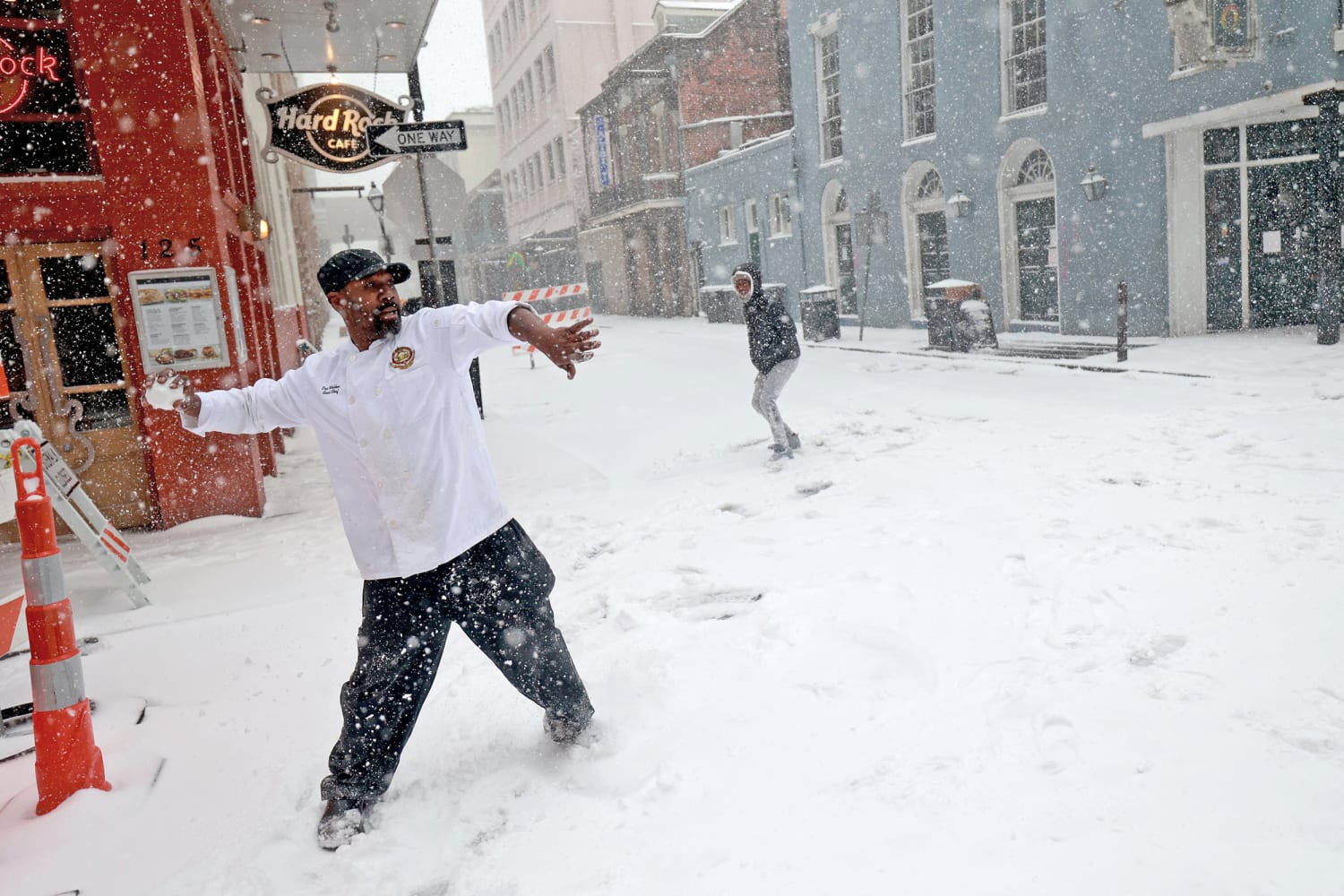
The Mississippi River itself plays a crucial role in moderating the city’s temperatures. Its vast body of water retains heat, helping to keep the surrounding areas warmer than inland regions during colder spells. This maritime influence, coupled with the typically southward trajectory of cold air masses that tend to lose much of their frigid bite by the time they reach New Orleans, makes sustained freezing temperatures and the conditions necessary for snow a statistical anomaly. Therefore, while you might witness a morning frost on your visit, dreaming of a white Mardi Gras is largely a fantasy.
Understanding the Factors that Prevent Frequent Snowfall
Several meteorological factors converge to make snow an exceptionally rare event in New Orleans. Firstly, the average winter temperatures are simply too high. For snow to fall and accumulate, ground temperatures need to be at or below freezing (32°F or 0°C), and the atmospheric column from the clouds to the ground must also sustain freezing temperatures. In New Orleans, even when a cold front pushes air temperatures down, the ground often retains enough warmth from the preceding mild days to melt any potential snowflakes on contact, turning them into sleet or rain.
Secondly, cold air masses typically originate from the Arctic and travel southward across the continental United States. By the time these air masses reach the Gulf Coast, they have often been modified and warmed considerably by traversing warmer land and water. For snow to occur, a strong, deep cold air mass must penetrate unusually far south, and crucially, sufficient moisture must be present to form precipitation within this cold air. This perfect confluence of extremely cold air and adequate moisture, sustained throughout the atmosphere, is a very infrequent occurrence in New Orleans.
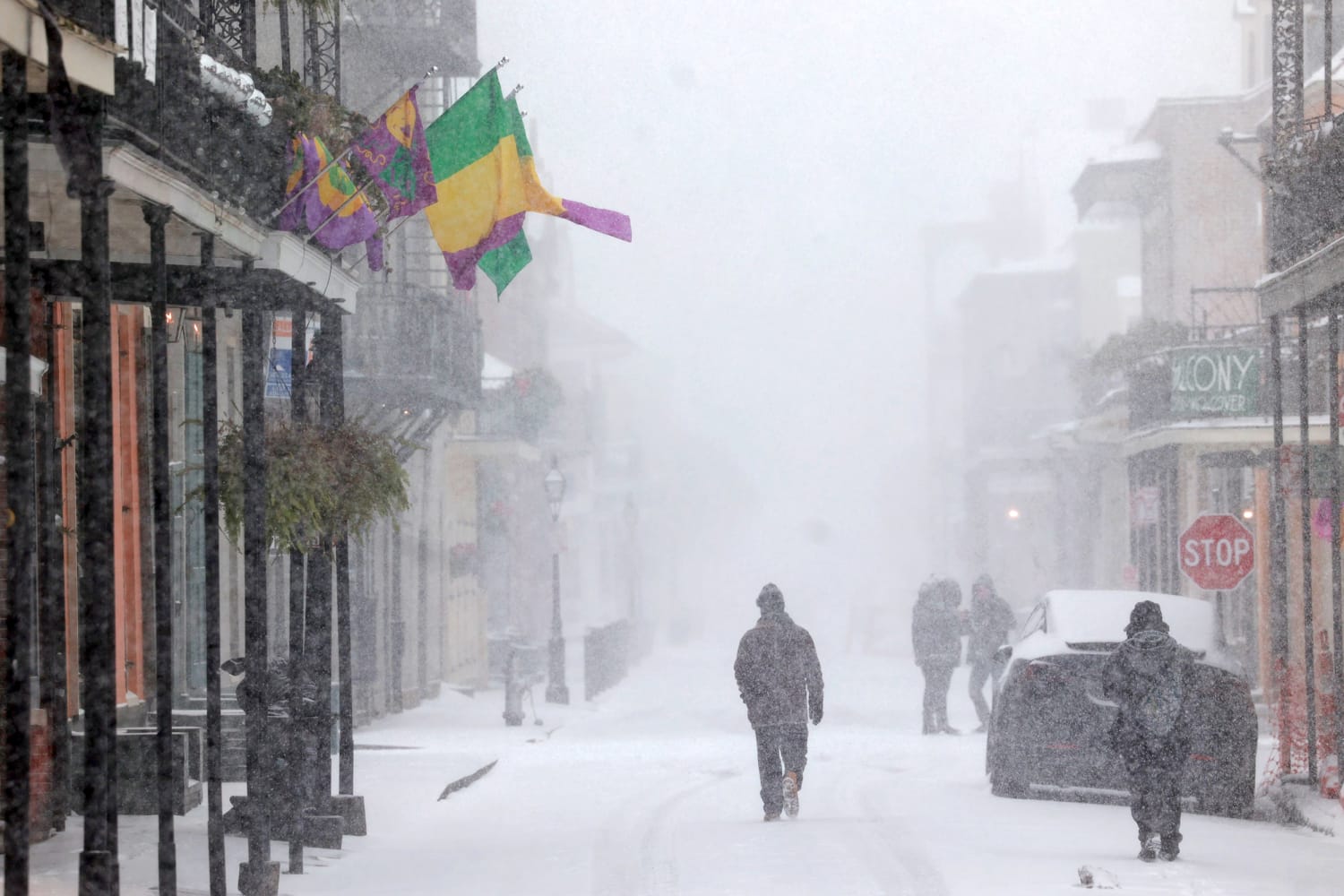
Lastly, the city’s low elevation and proximity to the vast, relatively warm waters of the Gulf of Mexico further contribute to its lack of snow. The Gulf acts as a heat sink, tempering extreme cold and making it challenging for persistent freezing conditions to take hold. While it does contribute moisture, that moisture typically falls as rain given the warmth. These combined factors mean that when New Orleans does experience wintry precipitation, it’s usually in the form of freezing rain or sleet rather than soft, fluffy snow.
A Glimpse into New Orleans’ Rare Snowfall Events
Despite the odds, New Orleans has, on occasion, witnessed the enchanting spectacle of snowfall. These events are so unusual that they become ingrained in local memory and folklore, talked about for generations. It’s not just a weather phenomenon; it’s a cultural moment, a break from the norm that transforms the city’s familiar landscape into something entirely new and almost unbelievable.
Historically, significant snowfall events have been few and far between. One of the most famous occurrences was the “Great Snow of 1895,” which blanketed the city with over 8 inches of snow, an unprecedented amount. This event shut down the city and remains a benchmark for rare weather. More recently, measurable snow fell in December 1989, accumulating a few inches and providing a memorable, if brief, white Christmas for some residents. Children, many seeing snow for the very first time, rushed outside to play, while adults marveled at the quiet beauty of the snow-dusted palm trees and historic ironwork of the French Quarter.
Other notable, though often trace, snowfalls have occurred in January 2008 and December 2017. The 2017 event, in particular, saw a dusting that quickly melted but still managed to capture the city’s imagination, with countless photos shared across social media depicting delicate snowflakes on vibrant Bourbon Street balconies or the lush greenery of the city’s parks. These fleeting moments of winter wonder offer a stark contrast to the typical images of New Orleans and serve as a reminder of nature’s unpredictable artistry.
The Impact of a “White Christmas” on Local Life and Tourism
When snow does fall in New Orleans, even a light dusting, it creates a unique atmosphere that ripples through local life and briefly impacts tourism. For residents, it’s an immediate cause for celebration and novelty. Schools might close, encouraging children to experience a rare outdoor delight. Locals flock to popular spots like City Park or the Audubon Zoo to witness the transformation, snapping photos of iconic landmarks dusted with white. It’s a collective experience, a rare shared memory that brings the community together in a moment of childlike wonder.
From a tourism perspective, a snowfall event, however small, becomes an instant draw. Travelers who happen to be in the city during such a rare occurrence consider themselves incredibly lucky. It offers a unique narrative for their travel stories and an opportunity for extraordinary photographs that defy the typical perception of New Orleans. Hotels and local businesses, while not equipped for sustained winter conditions, often embrace the novelty, with restaurants offering special “snow day” menus or bars concocting themed cocktails. However, it’s important to note that the city is not built for snow. Roads can become slick even with a light dusting, and public transportation might face minor delays. Tourists should exercise caution if walking or driving during such rare events, prioritizing safety over the allure of a snowy photoshoot.
The city’s infrastructure is designed for managing heavy rainfall, not icy conditions. Therefore, while beautiful, even a minimal amount of snow can lead to temporary disruptions. Nevertheless, the charm of a snow-covered New Orleans is undeniable, turning landmarks like St. Louis Cathedral or the historic homes of the Garden District into postcard-perfect scenes straight out of a festive movie.
Planning Your New Orleans Winter Escape: What to Expect Beyond Snow
Even though snow is an unlikely companion for your New Orleans trip, visiting during the winter months (roughly December to February) offers a distinct and often preferred experience compared to the sweltering heat of summer. The milder temperatures create ideal conditions for exploring the city’s countless attractions on foot, without the intense humidity. This period also hosts some of the city’s most iconic events, making it a prime time for a memorable visit.
Winter in New Orleans is a lively season, from the festive decorations that adorn the French Quarter during the holidays to the electric energy leading up to Mardi Gras. Travelers can enjoy events like the Celebration in the Oaks at City Park, a spectacular display of holiday lights, or attend one of the many jazz festivals or culinary events that punctuate the calendar. The weather is generally comfortable for swamp tours, riverboat cruises on the Mississippi River, or leisurely walks through the historic cemeteries. Accommodation options range from luxury hotels like The Roosevelt Hotel New Orleans to charming boutique hotels and guesthouses, many offering attractive rates outside of peak Mardi Gras season.
When packing for a winter trip, think layers. A light jacket or sweater will suffice for most days, but a warmer coat might be welcome for cooler evenings or unexpected cold snaps. Scarves and hats can add warmth without taking up too much luggage space. Comfortable walking shoes are essential, as much of New Orleans’s charm is discovered by exploring its streets and alleys. While the chance of snow is almost negligible, being prepared for occasional rain showers is a sensible precaution.
Essential Tips for a Winter Visit
- Embrace the Mild Weather: Enjoy walking tours of the French Quarter, Garden District, and Faubourg Marigny without the summer heat. This is also a perfect time for leisurely exploration of attractions like the National WWII Museum or the New Orleans Museum of Art.
- Attend Winter Festivals: Beyond Mardi Gras, New Orleans hosts various culinary and music festivals throughout the cooler months. Check the city’s event calendar for unique cultural experiences that celebrate local food, music, and art.
- Indulge in Warm Comfort Food: Winter is the perfect excuse to savor hearty Creole and Cajun dishes. Think rich gumbo, spicy jambalaya, or warm beignets from Café Du Monde with a hot cup of coffee. Many restaurants, from fine dining establishments like Brennan’s to casual eateries, offer cozy atmospheres ideal for a cool evening.
- Book Accommodations in Advance (especially for Mardi Gras): If your visit coincides with Mardi Gras (which typically falls in February or early March), booking your hotel or apartment far in advance is crucial. Popular choices like The Ritz-Carlton, New Orleans or charming boutique options will fill up quickly and significantly increase their rates. For those seeking a long-term stay or a more residential feel, consider serviced apartments or villas in areas like the Warehouse Arts District.
- Explore Indoors: On cooler or rainy days, New Orleans offers a wealth of indoor activities. Visit the Aquarium of the Americas, explore the historic homes, or delve into the city’s voodoo and ghost lore with an indoor tour.
- Consider a Swamp Tour: While it might seem counterintuitive for winter, swamp tours are fantastic in cooler weather. The wildlife, especially alligators, are often more visible basking in the sun, and the absence of summer’s humidity makes for a more comfortable experience.
In conclusion, while the idea of snow in New Orleans remains a captivating rarity, it’s not something travelers should expect. Instead, prepare for mild, pleasant winter weather that provides an ideal backdrop for experiencing the city’s unparalleled culture, history, and vibrant lifestyle. From its iconic landmarks to its culinary delights, New Orleans in winter promises a charming and unforgettable adventure, sans the snow boots.
LifeOutOfTheBox is a participant in the Amazon Services LLC Associates Program, an affiliate advertising program designed to provide a means for sites to earn advertising fees by advertising and linking to Amazon.com. Amazon, the Amazon logo, AmazonSupply, and the AmazonSupply logo are trademarks of Amazon.com, Inc. or its affiliates. As an Amazon Associate we earn affiliate commissions from qualifying purchases.