
For many envisioning a trip to the Sunshine State, the thought of snow is often the furthest thing from their minds. Florida conjures images of white sand beaches, warm ocean breezes, and endless sunshine, not frosty landscapes. This perception holds largely true, especially for coastal cities like Pensacola, nestled in the northwestern tip of the Florida Panhandle. While the prospect of snow falling in Pensacola, Florida, might seem like a whimsical fantasy to some, or a practical concern for others planning their winter escape, the reality is a nuanced tale of subtropical warmth with extremely rare, fleeting flirtations with wintery precipitation. Understanding Pensacola’s unique climate profile is essential for any traveler preparing to visit this charming Gulf Coast destination, ensuring they pack appropriately and set realistic expectations for their sojourn, regardless of the season.

The Climate Profile of Pensacola, Florida
Pensacola’s location along the northern coast of the Gulf of Mexico significantly shapes its weather patterns, dictating a distinct climate that is far removed from the snowy scenes often associated with other parts of the United States. Travelers coming to this part of Florida need to understand these influences to fully appreciate the local environment and plan their activities effectively.
Subtropical Influences and Gulf Coast Weather
Pensacola enjoys a humid subtropical climate, a characteristic shared with much of the southeastern United States. This means long, hot, and humid summers, typically extending from May to September, with average daily temperatures often soaring into the high 80s and low 90s Fahrenheit (around 30-35°C). The proximity to the Gulf of Mexico is a dominant factor, moderating temperatures and providing a consistent source of moisture. During summer months, this leads to frequent afternoon thunderstorms, which, while intense, are usually brief and help to cool things down slightly. For travelers, this implies packing light, breathable clothing, and preparing for sudden downpours, often accompanied by brilliant sunshine before and after.
Typical Winter Conditions: Mild and Sunny
When winter arrives in Pensacola, it’s a far cry from the frigid conditions experienced further north. The winter months, generally from December to February, are characterized by mild temperatures, abundant sunshine, and significantly lower humidity compared to summer. Daytime highs typically range from the low 60s to low 70s Fahrenheit (16-22°C), while overnight lows rarely dip below freezing for extended periods, usually hovering in the 40s (4-9°C). These pleasant conditions make Pensacola an attractive destination for those seeking a reprieve from harsh northern winters. Travelers during this season can expect comfortable weather ideal for outdoor exploration, though a light jacket or sweater will be useful, especially in the evenings or on cooler days.
Rainfall Patterns and Humidity
Rainfall in Pensacola is fairly evenly distributed throughout the year, though there are often slight peaks during the late summer/early fall due to tropical activity, and another in late winter/early spring. The city receives an average of about 60-65 inches of rain annually. While humidity is a constant companion during the warmer months, making temperatures feel even hotter, it drops considerably in winter, contributing to the crisp, clear days that are so appealing to visitors. Understanding these patterns helps travelers prepare, whether that means packing a rain jacket for summer trips or enjoying the dry, comfortable air of a Pensacola winter.
A Rarity, Not a Regularity: Pensacola’s Snow History
Despite its subtropical classification, Pensacola has, on extremely rare occasions, witnessed snowfall. These events are so infrequent and often so fleeting that they become local legends, spoken of with a mixture of awe and disbelief by residents who were fortunate enough to witness such an anomaly. For travelers, this reinforces the idea that snow is not a factor to consider when planning a visit.
Historical Occurrences: Glimpses of White
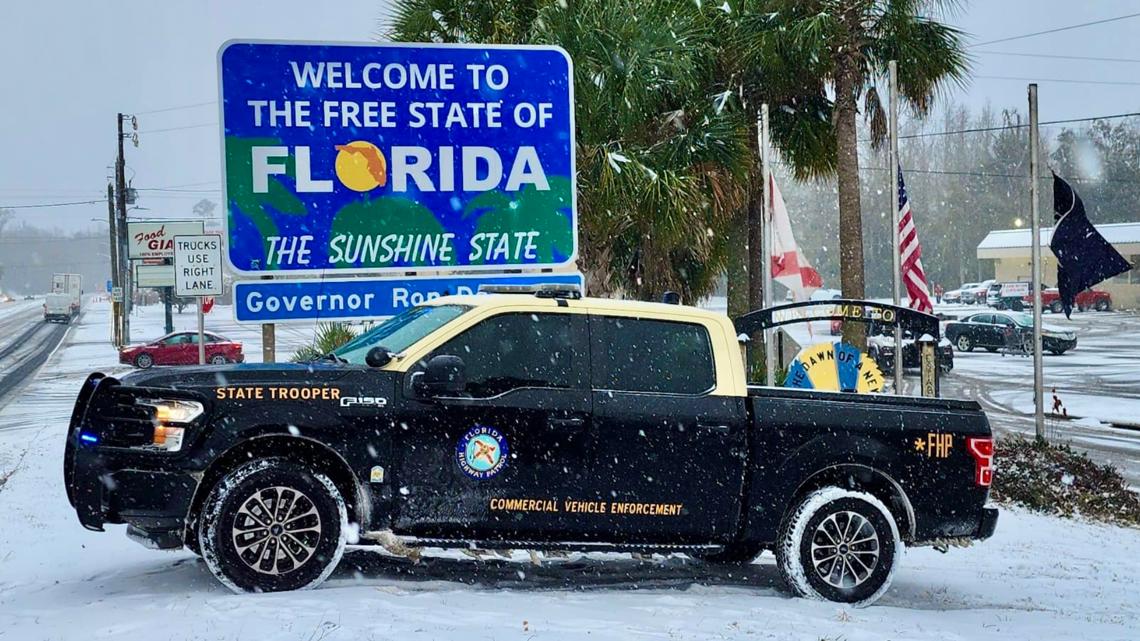
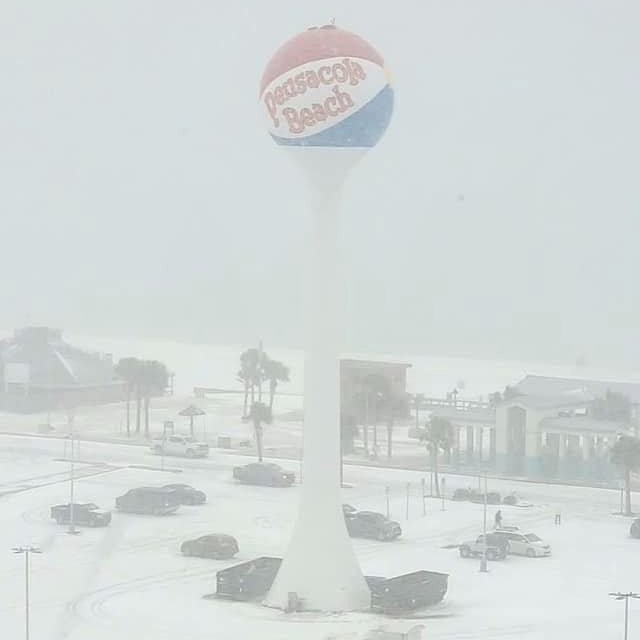
The historical records show that significant snowfall in Pensacola, Florida, is a remarkably uncommon event. While light flurries might occur every few decades, accumulating snow is even rarer. One of the more memorable snowfalls occurred in January 1977, when a significant cold snap brought several inches of snow to the region, creating a surreal landscape of white-dusted palm trees and sugar-white beaches. More recently, in January 2018, a rare winter storm brought a dusting of snow and ice to parts of the Florida Panhandle, including Pensacola. These events are noteworthy precisely because of their extreme infrequency, often occurring decades apart and usually lasting only a day or less before melting.
The Science Behind Snow’s Scarcity
For snow to fall and accumulate, a specific set of meteorological conditions must align perfectly. First and foremost, temperatures throughout the atmosphere, from the clouds to the ground, must be at or below freezing (32°F or 0°C). While surface temperatures in Pensacola can occasionally dip to freezing or slightly below, sustained cold air through the entire column of the atmosphere, coupled with sufficient moisture, is extremely rare. The warm waters of the Gulf of Mexico typically moderate winter temperatures, preventing the sustained deep freezes necessary for widespread snowfall. When cold fronts do push far enough south, they often lose much of their moisture or are warmed by the Gulf before reaching the coast, resulting in rain, not snow.
The Uniqueness of a Pensacola Snowfall
When snow does fall in Pensacola, it’s truly a unique spectacle. Residents and visitors alike typically react with excitement and curiosity, as it’s a phenomenon most people in the region rarely experience. Schools might close, and daily routines briefly pause as people rush out to capture photographs of snow-covered palm trees or build miniature snowmen on the beach. For a traveler, witnessing such an event would be an extraordinary, once-in-a-lifetime experience, completely defying the typical perception of a Florida vacation. However, relying on this for your travel plans would be akin to hoping to win the lottery – highly improbable and not a sensible basis for expectations.
What Travelers Should Expect When Visiting Pensacola in Winter
Understanding that snow is an extreme anomaly, travelers can confidently plan a winter trip to Pensacola expecting mild weather and plenty of opportunities for enjoyment. The winter season offers a distinct charm, free from the intense heat and crowds of summer, making it an ideal time for a relaxed getaway.
Packing for a Mild Winter Getaway
Given the mild winter temperatures, travelers to Pensacola should pack layers. Daytime often calls for light long-sleeved shirts, or even short sleeves on particularly sunny days, paired with jeans or comfortable trousers. However, as the sun sets, temperatures can drop quite quickly, making a medium-weight jacket, a sweater, or a fleece essential. A light scarf can also be useful for cooler evenings. There’s no need for heavy winter coats, snow boots, or thermal wear, unless you are exceptionally sensitive to cold, as these items would be largely unnecessary and cumbersome. Don’t forget comfortable walking shoes, as the pleasant winter weather encourages exploring on foot.
Enjoying Outdoor Activities Year-Round
One of the great advantages of Pensacola’s mild winters is the ability to enjoy outdoor activities almost year-round. The sugar-white sands of Pensacola Beach remain inviting for long walks, shell collecting, or simply soaking up the sun’s gentle warmth. Golfers will find the conditions ideal, with comfortable temperatures and less humidity than in summer. Fishing, kayaking, and paddleboarding are still popular, especially on calmer days. Pensacola also boasts numerous parks and nature trails, such as those at the Gulf Islands National Seashore, which are perfect for hiking or birdwatching without the oppressive heat or swarms of summer insects.
Seasonal Events and Festivities
The winter months in Pensacola are far from dormant. The city often hosts a variety of seasonal events and festivities that cater to both locals and visitors. From holiday light displays around Christmas and New Year, to vibrant Mardi Gras celebrations that typically kick off in late January and continue into February, there’s always something happening. Many local restaurants and shops on Palafox Street embrace the festive spirit, offering unique dining experiences and local crafts. Checking the local event calendar before your trip will help you discover unique cultural experiences and make the most of Pensacola’s charming winter atmosphere.
Beyond the Snow Question: Why Pensacola Charms Visitors
While the question of snow is an interesting climatic query, it ultimately pales in comparison to the myriad reasons why Pensacola, Florida, has become a beloved destination for travelers. Its unique blend of natural beauty, rich history, and vibrant culture offers a captivating experience far removed from any concerns about winter precipitation.
The Allure of Sugar-White Beaches
The primary draw for most visitors to Pensacola is undoubtedly its stunning coastline. The city is renowned for its sugar-white quartz crystal sand beaches, stretching for miles along the Gulf of Mexico and the Emerald Coast. These pristine shores, with their calm, emerald-green waters, consistently rank among the best beaches in the United States. Pensacola Beach, just a short drive from downtown, offers ample space for relaxation, swimming, sunbathing, and watersports. Even in winter, the beaches provide a serene escape, perfect for long strolls or simply enjoying the peaceful coastal ambiance without the summer crowds.
Rich History and Cultural Attractions
Pensacola proudly holds the title of “America’s First Settlement,” with a history that dates back to 1559. This deep heritage is palpable throughout the city, offering a fascinating journey through centuries of influence from five different flags – Spanish, French, British, Confederate, and American. Travelers can explore the Historic Pensacola Village, a living history museum featuring beautifully preserved homes and buildings. The National Naval Aviation Museum, one of the world’s largest aviation museums, offers an awe-inspiring collection of aircraft and exhibits, including the chance to watch the Blue Angels practice overhead. Historic forts like Fort Barrancas provide glimpses into military history, while art galleries and theaters add to the cultural tapestry.
Culinary Delights and Local Flavors
A visit to Pensacola would be incomplete without indulging in its diverse culinary scene. Reflecting its coastal location, fresh seafood is a staple, with numerous restaurants offering everything from casual fish shacks to upscale dining experiences. Gulf shrimp, oysters, and fresh catches like snapper and grouper are local favorites. Beyond seafood, Pensacola boasts a vibrant food culture with influences from Southern comfort food, international cuisine, and trendy gastropubs. Exploring the eateries along Palafox Street in downtown Pensacola provides a taste of the city’s dynamic gastronomic landscape, ensuring every traveler finds something to savor.
Planning Your Perfect Pensacola Escape
Given the clear understanding that snow is not a typical feature of a Pensacola vacation, planning your trip can focus on the many delightful aspects the city has to offer. Whether you seek relaxation, adventure, or cultural immersion, Pensacola has a season that will suit your travel preferences.
Best Times to Visit for Optimal Weather
For travelers keen on enjoying warm weather and the full beach experience, the late spring (April-May) and early fall (September-October) offer ideal conditions. During these shoulder seasons, temperatures are comfortably warm, humidity is lower than in peak summer, and the crowds are thinner. Summer (June-August) is perfect for those who thrive in hot weather and don’t mind the higher humidity and occasional thunderstorms, often paired with lively beach scenes. As discussed, winter (December-February) is excellent for travelers seeking mild temperatures, outdoor activities without the heat, and a more relaxed pace. Each season has its unique charm, catering to different travel styles.
Making the Most of Pensacola’s Unique Appeal
To truly experience Pensacola, travelers should consider a balanced itinerary that blends beach time with historical exploration and culinary adventures. Start your mornings with a walk on Pensacola Beach, spend your afternoons delving into the past at the Historic Pensacola Village or the National Naval Aviation Museum, and dedicate your evenings to sampling the diverse flavors of downtown Pensacola. Whether you’re a history buff, a beach bum, or a foodie, Pensacola offers a rich tapestry of experiences. Engage with locals, explore beyond the main tourist hubs, and immerse yourself in the laid-back, yet vibrant, atmosphere that defines this gem of the Florida Panhandle.
In conclusion, while the question “Does it snow in Pensacola, Florida?” can be answered with a resounding “extremely rarely,” it opens the door to a deeper appreciation of this destination’s true allure. Pensacola promises travelers warm, inviting experiences year-round, characterized by stunning beaches, captivating history, and a delightful local culture – ensuring that any trip here will be memorable, with or without a dusting of improbable snow.
LifeOutOfTheBox is a participant in the Amazon Services LLC Associates Program, an affiliate advertising program designed to provide a means for sites to earn advertising fees by advertising and linking to Amazon.com. Amazon, the Amazon logo, AmazonSupply, and the AmazonSupply logo are trademarks of Amazon.com, Inc. or its affiliates. As an Amazon Associate we earn affiliate commissions from qualifying purchases.