
The mere thought of snow in San Diego, California, conjures an image that seems almost oxymoronic. San Diego, the jewel of Southern California, is universally celebrated for its idyllic, year-round sunshine, golden beaches, and a climate so famously mild it’s practically a cornerstone of its identity. For many, San Diego represents the quintessential escape from winter’s chill, a sun-drenched haven where palm trees sway and ocean breezes are a constant companion. So, when the question arises, “Does it snow in San Diego, California?”, the answer for most who envision the city’s iconic coastline and vibrant urban core is a resounding no. And, for the vast majority of visitors and residents alike, that perception holds true.
While the prospect of building a snowman on Coronado Beach or seeing snowflakes drift over Balboa Park might make for a whimsical postcard, it bears little resemblance to San Diego’s climatic reality. This article delves into the fascinating truth behind San Diego’s relationship with snow, dispelling myths and guiding travelers on what to genuinely expect from a visit to this captivating Southern California city, even if their dream vacation involves a touch of winter magic.
The Myth and Reality of San Diego’s Climate
San Diego’s reputation as a fair-weather paradise is not merely anecdotal; it’s deeply rooted in its geographical location and meteorological patterns. Understanding these factors is key to grasping why snow is such an extraordinary event here.
A Mediterranean Oasis
San Diego enjoys a semi-arid, Mediterranean climate, characterized by warm, dry summers and mild, wet winters. This climate type is highly sought after by travelers and typically found in only a handful of regions worldwide. Average daytime temperatures hover comfortably between the mid-60s and mid-70s Fahrenheit (18-24°C) for much of the year, with coastal areas benefiting from the moderating influence of the Pacific Ocean. Winter days are typically sunny and mild, inviting outdoor activities, while evenings cool down, necessitating a light jacket but rarely anything more substantial. The city’s consistent sunshine, often exceeding 300 days a year, defines the San Diego experience, making it a prime destination for those looking to escape harsh winters elsewhere.
Why Snow Is a Rarity
The primary reasons for the scarcity of snow in San Diego proper are its low elevation and proximity to the vast Pacific Ocean. The ocean acts as a massive thermal regulator, keeping coastal temperatures consistently moderate and preventing the extreme cold necessary for snow formation at sea level. Furthermore, San Diego is situated within a subtropical high-pressure zone, which typically keeps storm systems carrying cold air and moisture at bay, especially during the winter months. For snow to fall and accumulate, temperatures near the ground and throughout the atmospheric column must be at or below freezing (32°F or 0°C), conditions that are virtually non-existent at San Diego’s low elevations, even during the coldest winter storms.
Historical Anecdotes: Glimpses of a White San Diego
While snow is virtually unheard of in downtown San Diego, it is not entirely unprecedented to see a few flakes. These instances, however, are so rare they become local legends. The most notable snowfall events in San Diego’s recorded history occurred in January 1967 and February 2007. In 1967, a very unusual cold snap brought enough snow to dust some parts of the city, causing widespread excitement and minor disruptions. In 2007, residents in higher elevations within the county, but still near the coast, reported seeing trace amounts of snow that melted almost immediately upon contact with the ground. These events are exceptional, short-lived, and do not lead to any accumulation, serving more as a novelty than a genuine winter phenomenon. Travelers visiting San Diego with hopes of encountering snow should adjust their expectations accordingly; the odds are astronomically low.
Chasing Winter in Southern California
For travelers who genuinely desire a winter wonderland experience with snow-capped peaks and crisp, cold air, Southern California does indeed offer options. These destinations, however, require a short drive inland and into higher elevations, proving that even a state renowned for its sunshine holds diverse microclimates.
Ascending to Higher Elevations
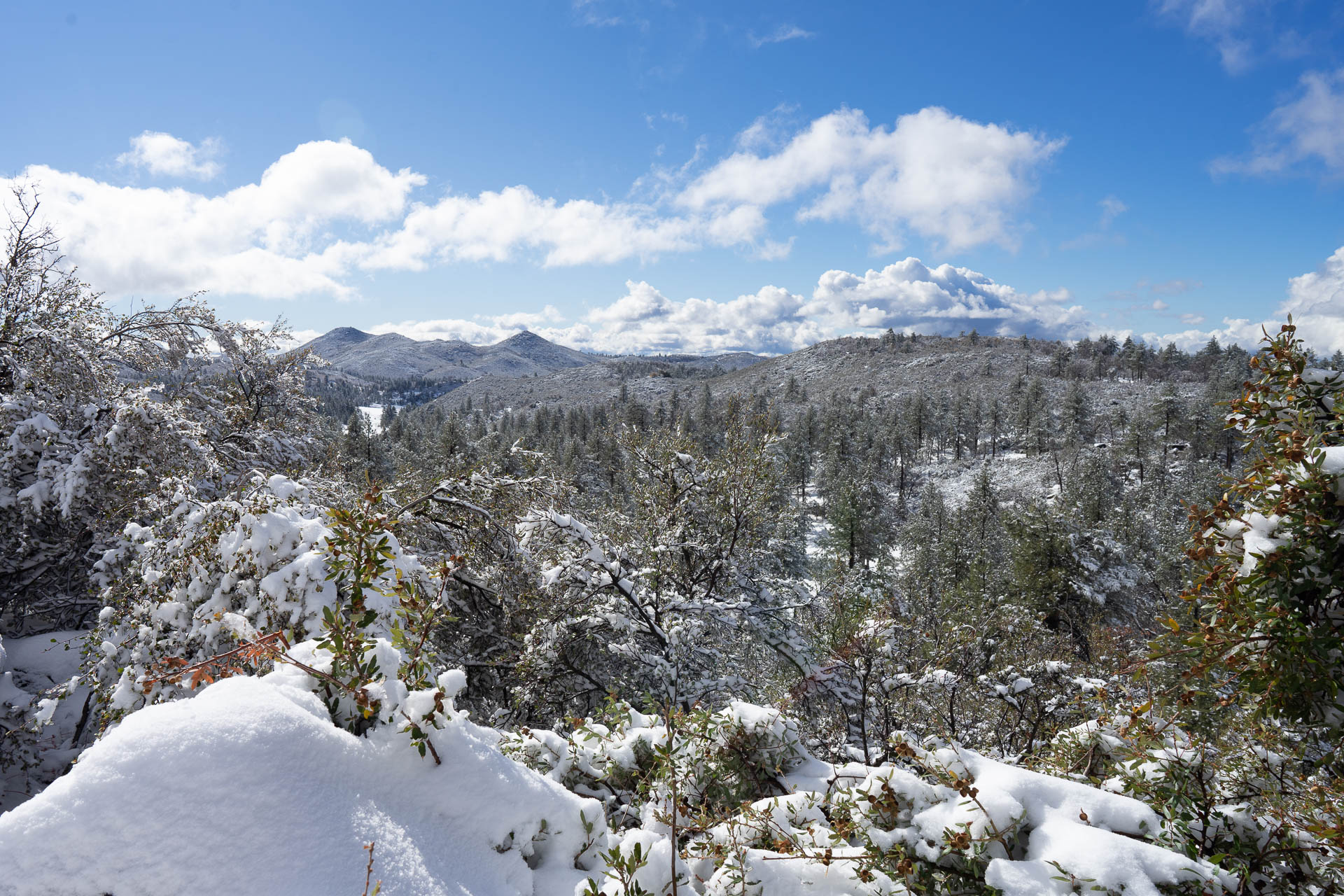
The key to finding snow near San Diego is elevation. As one travels eastward from the coast, the terrain gradually rises, culminating in several mountain ranges that are high enough to experience freezing temperatures and receive snowfall during winter storms. These mountainous regions become popular weekend getaways for San Diegans eager to see snow without traveling too far.
Near San Diego: The Laguna Mountains and Palomar Mountain
Just an hour or two east of downtown San Diego, visitors can discover areas where snow is a regular, albeit often transient, winter occurrence.
- The Laguna Mountains: Home to Mount Laguna, this range is part of the Cleveland National Forest and typically receives the most reliable snowfall within San Diego County. During significant winter storms, especially from December through March, the higher elevations (above 4,000-5,000 feet) can accumulate several inches, sometimes even feet, of snow. This area becomes a popular spot for snow play, cross-country skiing, and sledding, offering a stark contrast to the coastal environment just a short drive away.
- Palomar Mountain: Best known for the Palomar Observatory, this mountain also frequently receives snowfall during the colder months. Its elevation allows for consistent winter temperatures conducive to snow, transforming its forested slopes into a serene white landscape. Visitors to Palomar Mountain can enjoy scenic drives and hiking amidst snow-dusted trees, often with far fewer crowds than more established ski resorts.
Further Afield: Julian and Big Bear
For a more substantial snow experience, Southern California offers destinations a bit further from San Diego but still within a reasonable driving distance for a day trip or weekend getaway.
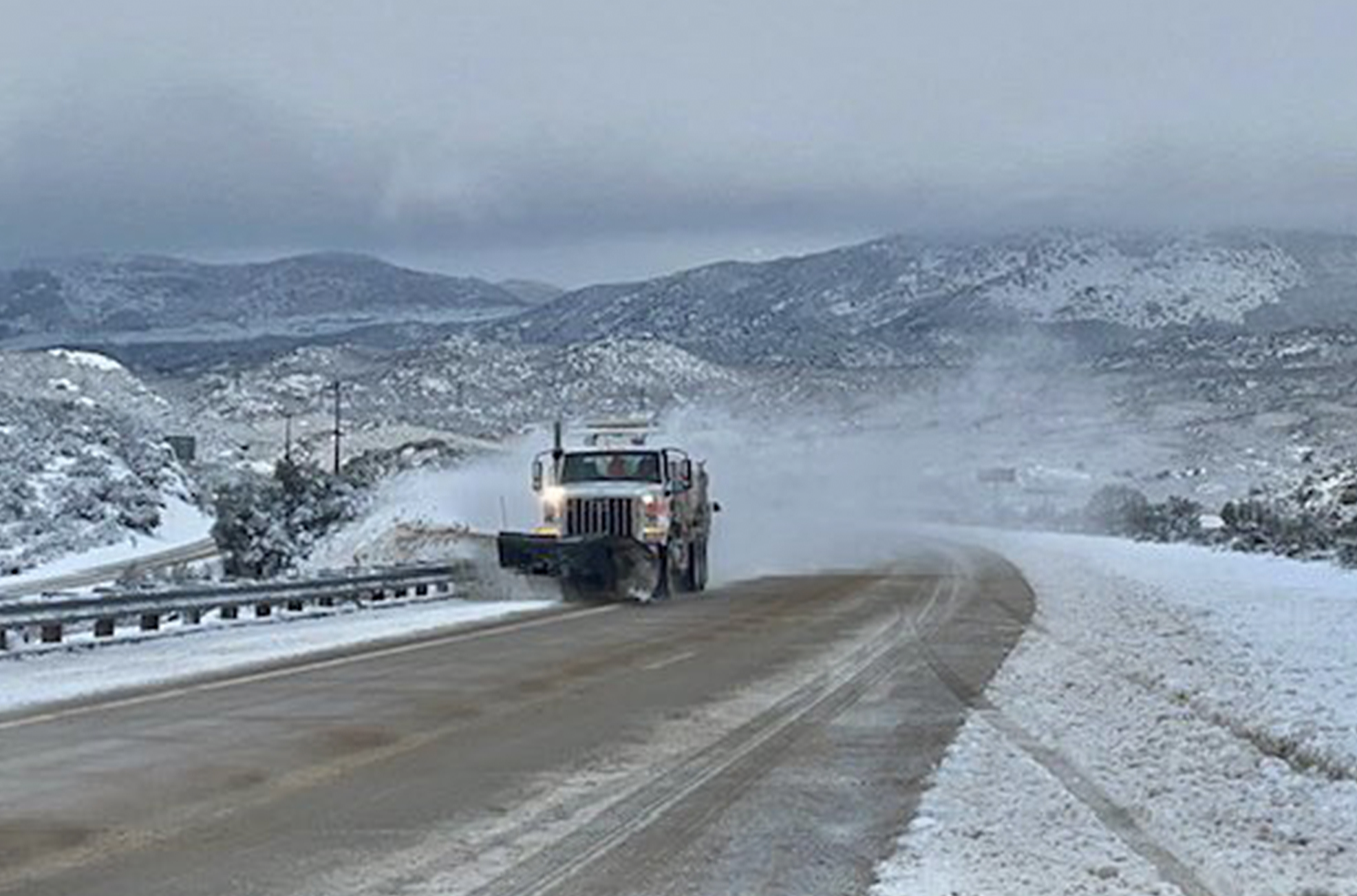
- Julian: This historic gold-mining town, famous for its apple pies, is located approximately an hour and a half northeast of San Diego. Situated at an elevation of about 4,200 feet, Julian occasionally sees snowfall, particularly during intense winter systems. When snow falls, the town transforms into a charming, postcard-perfect scene, attracting visitors looking for a cozy, festive atmosphere that feels miles away from the California coast.
- Big Bear Lake: For guaranteed snow and a full-fledged winter sports experience, Big Bear Lake is the premier destination in Southern California. Located roughly a three-hour drive north of San Diego, Big Bear boasts two main ski resorts, Big Bear Mountain Resort and Snow Valley Mountain Resort, offering skiing, snowboarding, tubing, and other winter activities from late November through early April. This is where San Diegans and other Southern Californians head to truly embrace winter.
Planning Your San Diego Trip: What to Expect
When preparing for a trip to San Diego, understanding its unique climate is crucial for an enjoyable experience. Forget the heavy parkas and snow boots; embrace layers and sun protection.
Packing for San Diego’s “Winter”
Even in the depth of winter, packing for San Diego involves light layers. Daytime temperatures are often pleasant enough for short sleeves, especially in direct sunlight. However, evenings and mornings can be cool, particularly near the coast, so a light to medium jacket, sweaters, or a fleece are advisable. Long pants are standard, but shorts and skirts are often comfortable during the day. Don’t forget swimwear, as heated pools are common, and sunny beach days are still possible, even in January. Sunscreen, sunglasses, and a hat are essential year-round due to San Diego’s persistent sunshine.
Year-Round Outdoor Activities
The lack of snow is precisely what makes San Diego a dream destination for year-round outdoor enthusiasts. Travelers can enjoy:
- Beach Activities: Surfing, paddleboarding, sunbathing, or simply strolling along miles of sandy beaches from La Jolla to Coronado.
- Hiking and Biking: Explore scenic trails in urban parks like Balboa Park or natural reserves such as Torrey Pines State Natural Reserve, offering breathtaking ocean views.
- Golf: With dozens of world-class golf courses, San Diego is a golfer’s paradise, uninterrupted by frost or snow.
- Exploring Attractions: Visit the San Diego Zoo, SeaWorld San Diego, or wander through the historic Gaslamp Quarter and Old Town San Diego State Historic Park without worrying about inclement weather.
Seasonal Considerations Beyond Snow
While snow is not a concern, San Diego does have other minor seasonal weather phenomena. “May Gray” and “June Gloom” are terms used to describe periods in late spring and early summer when a thick marine layer of clouds and fog frequently blankets the coast in the mornings, often burning off to clear skies by midday. This can sometimes lead to cooler, overcast mornings, but it’s a far cry from the snow and ice of a true winter. Rainfall primarily occurs between November and March, but even then, it’s typically in the form of mild, intermittent showers rather than sustained downpours.
The Unique Charm of a Snow-Free Winter
For many, San Diego’s lack of snow is not a deficit but a defining feature that enhances its allure as a travel destination, especially during the colder months when much of the United States is bundled up against the chill.
A Different Kind of Winter Wonderland
Imagine a “winter” where the toughest decision is whether to hit the beach, hike a scenic trail, or enjoy an outdoor patio meal. This is the reality in San Diego. The absence of snow allows for continuous enjoyment of the city’s natural beauty and outdoor lifestyle. From surfing in January to alfresco dining in December, San Diego offers a vibrant, active winter season that contrasts sharply with traditional snowy landscapes. For those seeking warmth and continuous outdoor opportunities, it’s truly a different, and perhaps more appealing, kind of winter wonderland.
Festive Without Frost
San Diego embraces the holiday season with unique flair, replacing snow-covered streets with twinkling lights, festive parades, and waterfront celebrations. The Port of San Diego’s annual Boat Parade of Lights, holiday light displays in neighborhoods like Old Town and North Park, and seasonal events at attractions ensure a festive atmosphere without the need for winter gear. Travelers can enjoy holiday shopping, seasonal culinary delights, and celebratory events in comfortable, pleasant weather, making for a distinctly Californian holiday experience.

Escape the Cold
Ultimately, San Diego’s primary appeal for many winter travelers is its unwavering warmth. It serves as an ideal refuge for those looking to escape frigid temperatures, icy roads, and heavy snowfalls elsewhere. The city offers a revitalizing escape, where the warmth of the sun and the gentle ocean breeze are constant reminders that winter’s grip is far away. This unique climate allows visitors to extend their summer mindset well into the traditional winter months, offering a much-needed break from the cold and an opportunity to recharge in a perpetually pleasant environment.
In conclusion, while the question “Does it snow in San Diego, California?” piques curiosity, the truthful answer for the vast majority of visitors is no, not in the city itself. San Diego’s identity is inextricably linked to its consistently mild, sunny climate, offering a year-round haven for outdoor activities and relaxation. For those yearning for genuine winter experiences, Southern California’s higher elevations provide excellent opportunities just a short drive away. However, for travelers seeking perpetual sunshine, ocean breezes, and a vibrant, snow-free winter, San Diego stands as an unparalleled destination.
LifeOutOfTheBox is a participant in the Amazon Services LLC Associates Program, an affiliate advertising program designed to provide a means for sites to earn advertising fees by advertising and linking to Amazon.com. Amazon, the Amazon logo, AmazonSupply, and the AmazonSupply logo are trademarks of Amazon.com, Inc. or its affiliates. As an Amazon Associate we earn affiliate commissions from qualifying purchases.