
Nestled amidst the iconic red rock formations of Arizona, the vibrant town of Sedona is renowned for its breathtaking landscapes, spiritual vortexes, and year-round outdoor adventures. When picturing this desert oasis, most envision sun-drenched vistas and warm, pleasant temperatures. However, a question often surfaces for prospective visitors and dreamers alike: “Does it snow in Sedona, Arizona?” The answer, delightfully, is yes – and it’s a spectacle truly unlike any other. While Sedona isn’t a destination known for deep, prolonged snowfalls like the higher elevations of northern Arizona such as Flagstaff, it does experience periodic dustings of white, transforming its already stunning crimson landscape into a magical, ephemeral wonderland. This rare combination of vibrant red earth capped with pristine white snow offers photographers, nature enthusiasts, and travelers a unique perspective on one of the United States’ most picturesque destinations. Understanding when and how snow graces the Red Rocks can unlock an entirely new appreciation for Sedona’s diverse beauty and help you plan an unforgettable winter escape.
The Enchanting Reality of Snow in Sedona
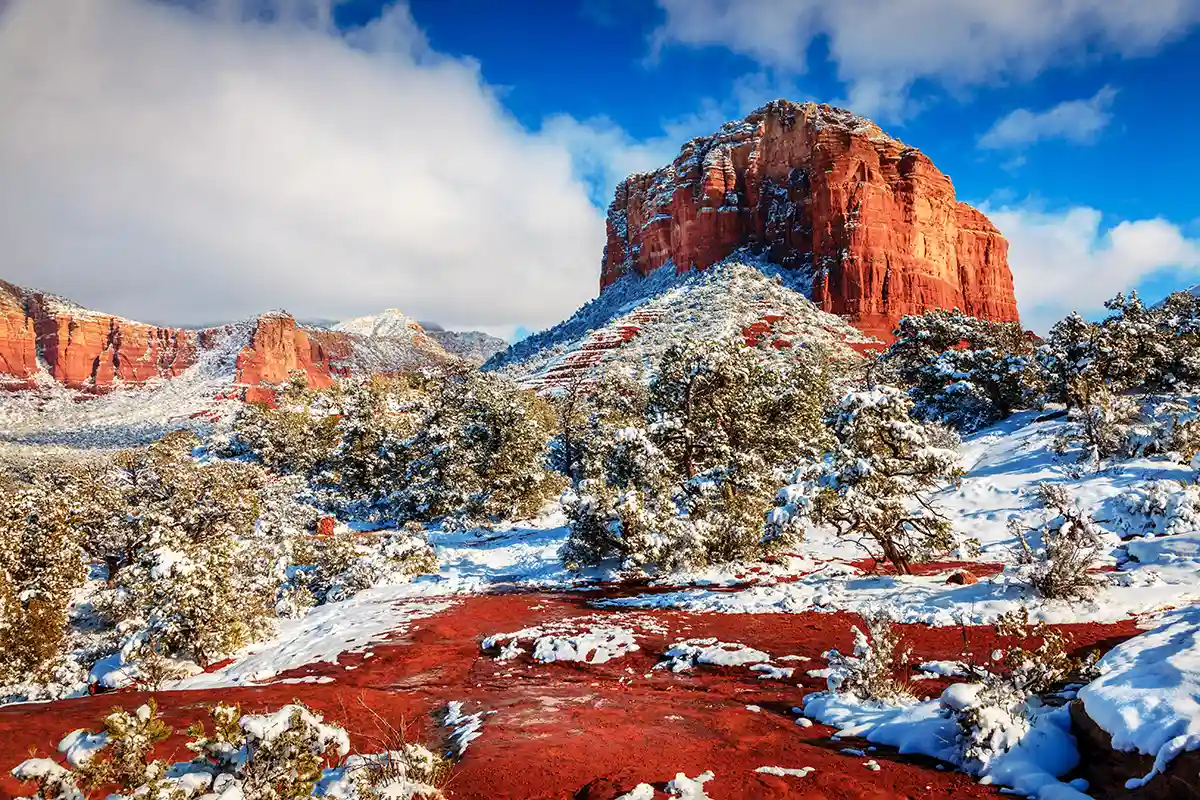
The possibility of snow in Sedona often surprises those unfamiliar with the region’s climate. While the Sonoran Desert in southern Arizona rarely sees snow, Sedona’s elevation of approximately 4,500 feet (1,370 meters) above sea level places it in a unique climatic zone. This elevation is key to understanding why Sedona experiences colder temperatures than cities like Phoenix or Mesa, making winter precipitation more likely to fall as snow rather than rain. However, the nature of this snowfall is typically light and fleeting, adding to its allure and making it a coveted sight for lucky visitors. It’s a phenomenon that truly elevates Sedona’s reputation as a destination that continually surprises and inspires, offering diverse experiences throughout the year.
When Does Snow Grace the Red Rocks?
Snow in Sedona is predominantly a winter affair, occurring most frequently from December through February, with January often being the coldest month and therefore the most likely time to witness snowfall. While occasional dustings can happen in late November or early March, the prime window for a snowy Sedona experience is squarely in the heart of winter. When snow does fall, it typically doesn’t accumulate to great depths. A few inches is more common than feet, and due to Sedona’s relatively mild daytime temperatures and abundant sunshine, the snow often melts quite rapidly, sometimes within hours, particularly on south-facing slopes and in lower elevations. This transient beauty is part of what makes a snowy Sedona so special – it’s a fleeting moment of magic that few get to witness. Travelers hoping to catch this spectacle might consider planning a trip for late January or early February, keeping a close eye on weather forecasts for the region to maximize their chances. Even if the snow doesn’t materialize, winter in Sedona offers crisp air, fewer crowds, and stunning clear skies, making it an excellent time for travel regardless.
The Visual Spectacle: Red Rocks and White Snow
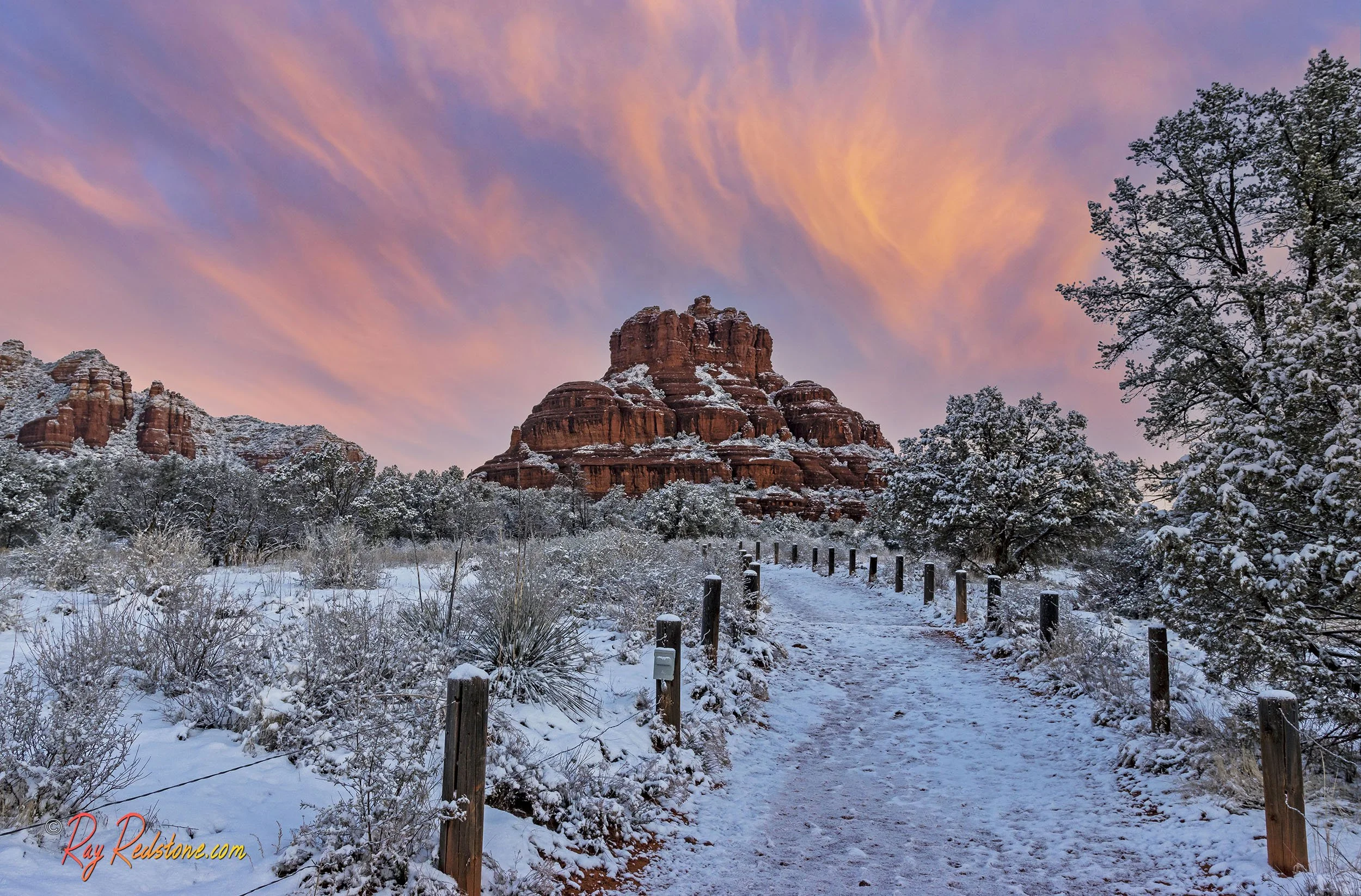
Imagine the already vibrant crimson and orange hues of Sedona’s geological formations, such as Bell Rock, Cathedral Rock, and Airport Mesa, dusted with a delicate layer of fresh, powdery snow. This striking contrast creates a visual masterpiece that is truly unforgettable. The deep red sandstone, often appearing even more intense against the pure white snow, provides unparalleled photographic opportunities. The intricate textures of the rock formations are accentuated, and the sparse winter foliage, particularly the deep greens of juniper and pine trees, adds another layer of color to the scene. Viewing the Chapel of the Holy Cross dramatically set against a snowy backdrop or hiking parts of the Boynton Canyon trail with snow-capped peaks feels like stepping into a dream. This unique aesthetic appeals to artists, photographers, and anyone seeking an extraordinary travel experience that deviates from the typical desert narrative. The quiet hush that often accompanies a fresh snowfall further enhances the serene and spiritual atmosphere for which Sedona is renowned, offering a tranquil escape from the bustling everyday.
Planning Your Winter Escape to Sedona
A winter visit to Sedona, particularly when snow is a possibility, requires a bit more planning than a summer trip, but the rewards are immense. The cooler temperatures mean fewer crowds, making popular hiking trails and attractions more accessible and enjoyable. It also opens up unique experiences that aren’t possible during the hotter months. Embracing the potential for snow means preparing for a different kind of adventure, one that combines the rugged beauty of the desert with the serene elegance of a winter landscape. From choosing the right gear to understanding road conditions, a little preparation goes a long way in ensuring a seamless and memorable trip to Sedona during its cooler, potentially snowy, season.
Top Winter Activities Amidst a Snowy Landscape
Even with a dusting of snow, many of Sedona’s outdoor activities remain accessible and are often enhanced by the winter scenery. Hiking is still incredibly popular, though it’s crucial to check trail conditions, especially at higher elevations or on trails that might become icy. Iconic trails like portions of the Devils Bridge Trail (exercising caution), West Fork Trail in Oak Creek Canyon, or the paths around Boynton Canyon offer breathtaking views. For those who prefer a less strenuous experience, scenic drives along State Route 89A through Oak Creek Canyon or the Red Rock Scenic Byway provide stunning vistas from the comfort of your vehicle. Photography enthusiasts will find endless subjects, from the snow-dusted Red Rocks reflecting in the morning light to the unique interplay of light and shadow created by winter sun. Indoor activities also abound; explore the art galleries and unique shops at Tlaquepaque Arts and Shopping Village, visit the Sedona Heritage Museum, or indulge in a spa treatment at one of Sedona’s world-class resorts. Pink Jeep Tours often operate year-round, offering adventurous off-road excursions that can provide thrilling perspectives of the snowy landscape, weather permitting.
Essential Tips for Visiting Sedona in Winter
For a comfortable and enjoyable winter trip to Sedona, smart packing and planning are essential. Layering clothing is key, as temperatures can vary significantly between daytime and nighttime, and depending on sun exposure. Bring warm coats, hats, gloves, and waterproof footwear, especially if you plan to hike. While major roads are generally well-maintained, always check local weather and road conditions before heading out, particularly for passes like Oak Creek Canyon which can occasionally close due to snow. Driving slowly and carefully is always advised. Booking accommodations and popular tours in advance is always a good idea, even during the quieter winter months, to ensure availability and potentially snag better deals. Many hotels and resorts offer cozy amenities like fireplaces and hot tubs, perfect for unwinding after a day of exploring in the crisp winter air. For those traveling from warmer climates, remember that the sun can still be intense, so sunglasses and sunscreen are advisable, even in winter. Staying hydrated is also crucial due to Sedona’s dry air.
Where to Stay: Cozy Accommodations for a Snowy Sojourn
Sedona’s range of accommodations caters to every preference and budget, and many offer special amenities that are particularly inviting during the cooler winter months. From luxurious resorts with panoramic Red Rock views and fireplaces to charming boutique hotels and family-friendly lodging, finding the perfect base for your snowy adventure is part of the fun. Imagine waking up to a fresh blanket of snow visible from your window, or warming up by a crackling fire after a day of exploring the unique winter landscape. The atmosphere during winter tends to be more intimate and serene, making it an ideal time for a romantic getaway or a peaceful retreat.
Luxury Resorts and Boutique Stays with Winter Charm
For those seeking an indulgent experience, Sedona boasts several high-end resorts that offer unparalleled comfort and stunning views. The Enchantment Resort, nestled deep within Boynton Canyon, provides a secluded sanctuary with casita-style accommodations, many featuring kiva fireplaces perfect for a chilly evening. Its spa, Mii amo, offers world-class treatments, ideal for warming up and rejuvenating. L’Auberge de Sedona, situated along the banks of Oak Creek, offers charming cottages with fireplaces and outdoor cedar showers, creating a romantic, tranquil setting. Imagine seeing the trees and creek lightly dusted with snow from your private patio. The Amara Resort and Spa in Uptown Sedona blends modern luxury with a relaxed vibe, offering an infinity pool (heated!) and a restaurant with magnificent Red Rock views, which are even more spectacular with a snowy backdrop. Adobe Grand Villas offers uniquely themed villas, some with jetted tubs and fireplaces, providing a luxurious and private retreat. These establishments not only provide exceptional service and amenities but also often have excellent on-site dining options, meaning you can savor gourmet meals without venturing far into the cold.
Budget-Friendly Options and Family-Oriented Lodging
Sedona also offers a variety of accommodations that cater to budget-conscious travelers or families. Hotels like the Sky Rock Inn of Sedona or the Best Western Plus Arroyo Roble Hotel & Creekside Villas provide comfortable stays with fantastic views without the premium price tag. Many offer amenities such as complimentary breakfast, heated pools, and easy access to hiking trails and Uptown Sedona. For families or those planning a longer stay, vacation rentals such as condos or apartments, like those at Sedona Summit Resort or Hilton Sedona Resort at Bell Rock, provide more space, kitchen facilities, and a home-away-from-home feel. These options are especially appealing when you want to prepare your own hot meals or have extra space for children to play after a day in the crisp winter air. Camping is generally not recommended in Sedona during potential snow events, but nearby Flagstaff offers more robust winter camping facilities for the truly adventurous, though even there, adequate preparation is paramount.
Beyond the Snow: Sedona’s Year-Round Allure
While the prospect of snow adds a unique charm to a Sedona visit, the town’s appeal extends far beyond its occasional winter dusting. Sedona is a destination that consistently captivates with its spiritual energy, vibrant arts scene, and incredible culinary offerings, all set against its magnificent natural backdrop. Even if the snow doesn’t fall during your winter trip, you’ll find plenty to explore and experience, enjoying the advantages of the off-peak season, such as fewer crowds and potentially lower prices for accommodations and activities. This timeless allure makes Sedona a perfect choice for travel any time of year, with each season revealing a different facet of its beauty.
Culinary Delights and Local Culture in Winter
Winter in Sedona is an excellent time to explore its diverse culinary scene. Many restaurants offer cozy indoor seating with fireplaces, perfect for enjoying a warm meal or a glass of local wine after a day of exploration. From upscale dining establishments like Mariposa Latin Inspired Grill or Rene at Tlaquepaque, which offer sophisticated menus and stunning views, to casual cafes and bistros, there’s something to satisfy every palate. Don’t miss the chance to try some local Arizona wines from the nearby Verde Valley wine region, with tasting rooms in Sedona or a short drive away at vineyards like Page Springs Cellars. Local breweries, such as Oak Creek Brewery and Grill, provide hearty fare and craft beers ideal for warming up. Beyond food, engage with Sedona’s vibrant arts community by visiting galleries in Uptown Sedona and Tlaquepaque Arts and Shopping Village, where you can find unique handmade crafts, fine art, and jewelry, often inspired by the natural beauty of the area. These cultural experiences add a rich layer to any visit, especially when outdoor activities might be limited by colder weather.

Exploring Nearby Attractions from Sedona
Sedona’s central location in northern Arizona makes it an ideal base for exploring a wealth of nearby attractions. A day trip to Flagstaff, just an hour’s drive north, offers a completely different winter experience with higher elevations and significantly more snow, boasting ski resorts like Arizona Snowbowl. Heading south, explore the historic mining town of Jerome, Arizona, often referred to as “America’s Most Vertical City,” with its charming shops, art galleries, and panoramic views of the Verde Valley. Ancient Native American ruins like Montezuma Castle National Monument and Tuzigoot National Monument offer fascinating insights into the region’s rich history and culture, and they remain accessible year-round. While the Grand Canyon National Park is about a two-hour drive north, visiting its South Rim in winter can be a truly magical experience, with fewer crowds and the chance to see the canyon rimmed with snow – a truly awe-inspiring sight. Just remember that winter weather conditions, including potential road closures, should always be checked when planning these excursions.
In conclusion, yes, it does snow in Sedona, Arizona, and it transforms the already stunning landscape into something truly extraordinary. While the snowfall is often light and temporary, witnessing the Red Rocks capped with white is a rare and beautiful experience that makes a winter trip to Sedona uniquely special. With proper planning, comfortable accommodations, and an open mind for both outdoor adventure and cozy indoor pursuits, a winter escape to Sedona promises a memorable journey into one of Arizona’s most captivating destinations.
LifeOutOfTheBox is a participant in the Amazon Services LLC Associates Program, an affiliate advertising program designed to provide a means for sites to earn advertising fees by advertising and linking to Amazon.com. Amazon, the Amazon logo, AmazonSupply, and the AmazonSupply logo are trademarks of Amazon.com, Inc. or its affiliates. As an Amazon Associate we earn affiliate commissions from qualifying purchases.