
For many aspiring travelers dreaming of a Hawaiian escape, the thought naturally turns to their preferred airlines. Among the carriers often considered for domestic and even some international routes, JetBlue frequently comes to mind due to its reputation for customer service, comfortable seating, and unique inflight amenities. However, when the question arises, “Does JetBlue fly to Hawaii?”, the answer, unequivocally, is no. As of the current date, JetBlue Airways does not operate direct flights or any flights, for that matter, to the beautiful Hawaiian Islands. This might come as a surprise to some, especially given the airline’s expansion into transcontinental and even transatlantic markets. This article will delve into why JetBlue doesn’t serve Hawaii, what alternatives exist for your journey to the Aloha State, and provide comprehensive guidance for planning an unforgettable Hawaiian getaway, aligning with the diverse topics of travel, accommodation, tourism, and lifestyle that define a memorable experience.
Unpacking JetBlue’s Route Network and Strategic Focus
Understanding why JetBlue doesn’t fly to Hawaii requires a look at the airline’s operational strategy, aircraft fleet, and primary market focus. While JetBlue has grown significantly since its inception, its expansion has been deliberate and targeted towards specific markets where its brand and service model can thrive.
Understanding JetBlue’s Market Focus and Hubs
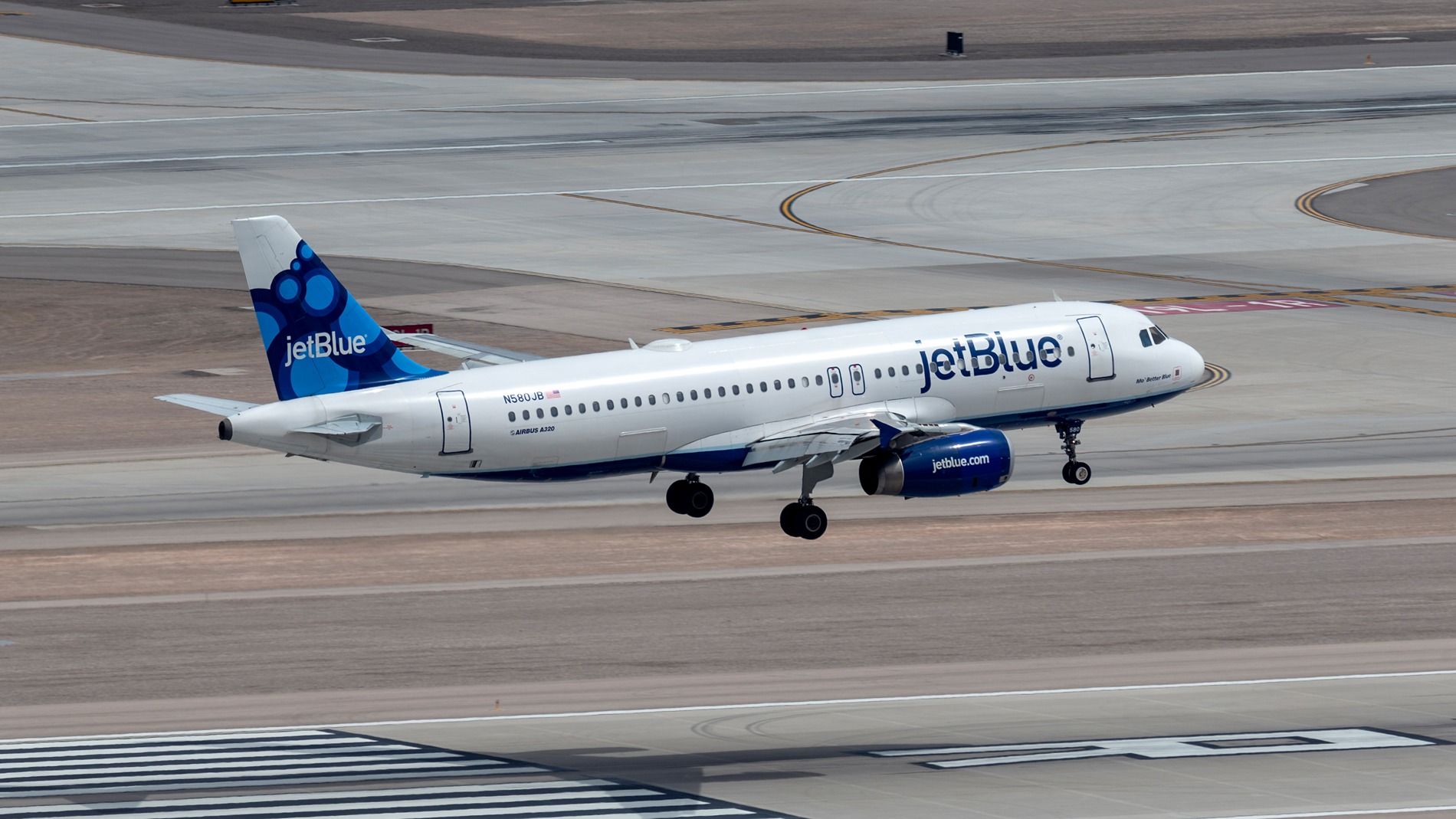
JetBlue established itself as a major player primarily on the East Coast of the United States, with significant operations out of key hubs such as New York’s John F. Kennedy International Airport (JFK), Boston Logan International Airport, Fort Lauderdale-Hollywood International Airport, and Orlando International Airport. From these bases, JetBlue built a robust network catering to popular leisure and business destinations across the Caribbean, Mexico, Central America, and a growing number of transatlantic routes to Europe.
The airline’s bread and butter has historically been short-to-medium haul flights, alongside competitive transcontinental routes connecting the East Coast to major West Coast cities like Los Angeles and San Francisco. The decision not to serve Hawaii largely stems from the geographic distance and the strategic investment required to operate such long-haul routes from their primary bases. While they do fly coast-to-coast, the journey to Hawaii from even the West Coast is a significant undertaking, requiring specific aircraft capabilities and a different operational framework than their core network.
The Aircraft Limitation: Range and Fleet Composition
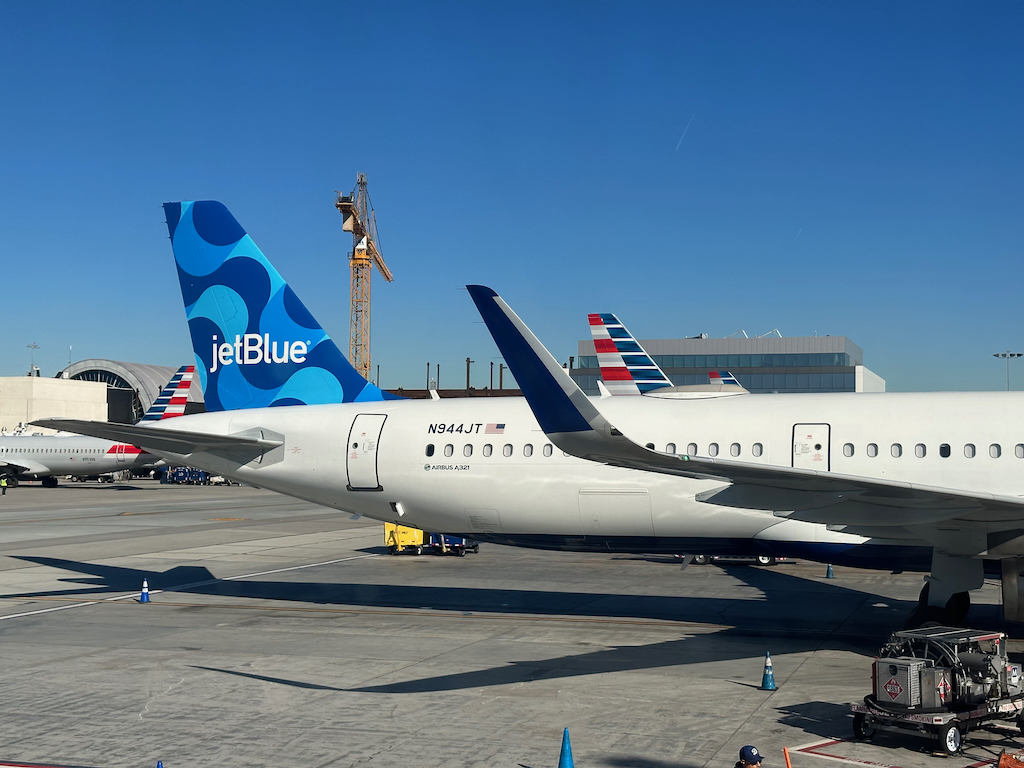
A critical factor is JetBlue’s fleet composition. Historically, the airline has relied heavily on the Airbus A320 and A321 family of aircraft, complemented by smaller Embraer E190 jets and more recently, the Airbus A220. While the A321 has impressive capabilities for transcontinental travel, and their newer A321LR (Long Range) and upcoming A321XLR (Extra Long Range) variants are perfect for transatlantic flights to cities like London and Paris, these aircraft are still not optimally suited for the extreme long-haul demands of flying to Hawaii from the East Coast without significant payload restrictions or multiple stops.
Flights to Hawaii from the East Coast typically require wide-body aircraft (like a Boeing 787, 777, or Airbus A330) or very long-range narrow-body jets, often from airlines with a larger overall fleet and a more diversified route network. Investing in such aircraft and establishing the necessary operational infrastructure for Hawaiian routes would represent a significant strategic shift for JetBlue, one they have not yet pursued.
Alternatives for Reaching the Aloha State
While JetBlue may not be your carrier for Hawaii, the good news is that numerous other reputable airlines offer extensive services to the islands from various departure points across the United States.
Major Airlines Serving Hawaii
When planning your journey to Hawaii, you’ll find a robust selection of airlines that operate flights from numerous continental U.S. cities. These carriers have the fleet, network, and operational experience necessary for such long-distance travel.
- United Airlines: A major player in the Pacific market, United offers extensive service to Hawaii from its hubs in San Francisco, Los Angeles, Denver, Chicago, and Houston.
- Delta Air Lines: Another legacy carrier with significant Hawaiian routes, primarily from Los Angeles, Seattle, Salt Lake City, and Atlanta.
- American Airlines: Offers flights to Hawaii from its West Coast gateways in Los Angeles and Phoenix, as well as from Dallas/Fort Worth and Charlotte.
- Alaska Airlines: Known for its strong presence on the West Coast, Alaska Airlines provides excellent service to Hawaii from cities like Seattle, Portland, San Diego, and San Jose.
- Southwest Airlines: A newer entrant to the Hawaiian market, Southwest has become popular for its budget-friendly fares and generous baggage policy, offering flights from several California cities like Oakland, Sacramento, and San Jose, with plans for more expansion.
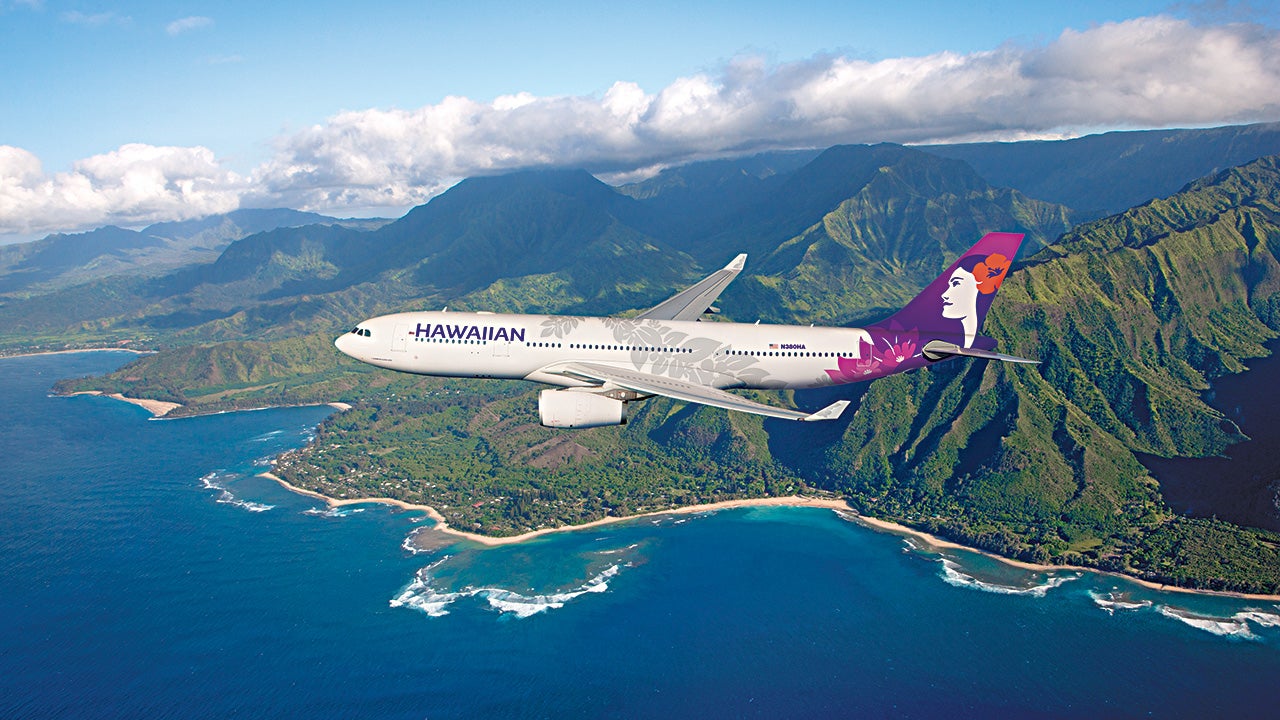
- Hawaiian Airlines: As the flag carrier of Hawaii, Hawaiian Airlines offers the most comprehensive network of flights to and between the islands from numerous U.S. mainland cities, providing a truly authentic Aloha experience from the moment you board.
Considering Connecting Flights
If you are flying from an area predominantly served by JetBlue (like the Northeast or Florida), your most straightforward approach will be to book a connecting flight. This usually involves flying to a major West Coast hub such as Los Angeles (LAX), San Francisco (SFO), or Seattle (SEA), and then catching a direct flight to Hawaii from there.
Many travelers choose to book this as a single itinerary through one of the aforementioned major airlines. This ensures that in case of delays, the airline is responsible for re-routing you. Alternatively, you could book separate tickets – one on JetBlue to the West Coast and another on a different airline to Hawaii. However, this option carries higher risk; if your JetBlue flight is delayed, the connecting airline is not obligated to accommodate you without an additional fee. Allow ample layover time (at least 3-4 hours) if booking separate tickets.
The Value of Airline Partnerships
While JetBlue does not currently have a direct codeshare or interline agreement that would allow seamless booking to Hawaii with a partner airline, the concept of airline partnerships is crucial for global travel. Major airlines often form alliances (Star Alliance, SkyTeam, Oneworld) or bilateral agreements, enabling passengers to book complex itineraries with multiple carriers under a single ticket. For your trip to Hawaii, focusing on these larger networks or airlines that have their own extensive domestic and Hawaiian routes is the most efficient way to secure your journey.
Planning Your Dream Hawaiian Getaway
Beyond the choice of airline, planning a trip to Hawaii involves several key decisions that will shape your experience. From selecting the perfect island to securing the best deals on accommodation and activities, a well-thought-out plan ensures a memorable vacation.
Choosing Your Hawaiian Island
Each Hawaiian Island boasts its own unique charm and attractions, catering to different types of travelers.
- Oahu: Home to the capital city of Honolulu and the iconic Waikiki Beach, Oahu is the most populous and developed island. It offers a vibrant mix of city life, world-class dining, shopping, and historical sites like Pearl Harbor. Natural landmarks like Diamond Head and the famed surf breaks of the North Shore provide ample outdoor adventure.
- Maui: Known as the “Valley Isle,” Maui is celebrated for its stunning beaches, luxurious resorts in areas like Ka’anapali and Wailea, and the breathtaking Road to Hana. Watching the sunrise from Haleakala National Park is an unforgettable experience, as is whale watching during the winter months.
- Big Island (Hawaii Island): The youngest and largest island, the Big Island is geographically diverse, boasting active volcanoes in Hawaii Volcanoes National Park, black sand beaches, lush rainforests near Hilo, and pristine snorkeling spots along the Kona Coast.
- Kauai: The “Garden Isle” lives up to its name with verdant landscapes, dramatic cliffs, and cascading waterfalls. The Na Pali Coast is a marvel of nature, best explored by boat or helicopter, while Waimea Canyon, often called the “Grand Canyon of the Pacific,” offers spectacular views. Charming towns like Poipu and Princeville offer serene resort experiences.
Essential Booking Tips for Hawaii Travel
Booking your trip strategically can lead to significant savings and a smoother journey.
- When to Book Flights: For the best deals, aim to book your flights 3-6 months in advance, especially if traveling during peak seasons (winter holidays, spring break, summer). Flexibility with your travel dates can also yield better prices. Mid-week flights are often cheaper than weekend departures.
- Best Time to Visit: The shoulder seasons (April-May and September-November) generally offer good weather, fewer crowds, and more affordable prices for both flights and accommodation. Avoid hurricane season (June-November), though direct hits are rare, it can still bring more rain.
- Accommodation Options: Hawaii offers a vast range of accommodation, from luxury resorts like the Grand Hyatt Kauai Resort & Spa or the Four Seasons Resort Maui at Wailea to boutique hotels, vacation rentals (apartments, villas), and even budget-friendly hostels. Consider what amenities are important to you – pool, beach access, kitchen, spa – and read reviews thoroughly on platforms like Booking.com or Airbnb.
- Rental Cars: Unless you plan to stay exclusively in Waikiki on Oahu, a rental car is highly recommended to explore the islands’ hidden gems and scenic drives. Book well in advance, as demand can be high, particularly for popular models.
- Activities and Tours: Research and book popular tours and activities (e.g., luaus, surfing lessons, snorkeling excursions to Molokini Crater) in advance, especially during busy periods. This ensures availability and can sometimes offer better rates.
Experiencing Hawaiian Culture and Nature
Beyond its stunning landscapes, Hawaii is rich in culture, history, and unique experiences.
- Local Culture: Engage with the vibrant Hawaiian culture by attending a traditional luau, learning about hula dancing, or visiting historical sites. Always show respect for local customs and traditions.
- Food Scene: Indulge in the diverse Hawaiian food scene, which blends indigenous, Asian, and American influences. Don’t miss poke bowls, fresh seafood, kalua pig, shave ice, and tropical fruits. Explore local farmers’ markets for authentic flavors.
- Activities: Hawaii is an outdoor enthusiast’s paradise. Enjoy world-class surfing, snorkeling, scuba diving, hiking, paddleboarding, and kayaking. Explore lush trails, volcanic landscapes, and pristine coral reefs.
- Sustainability: Practice responsible tourism. Respect local ecosystems by using reef-safe sunscreen, staying on marked trails, and avoiding disturbing wildlife. Support local businesses to contribute positively to the economy.
Maximizing Your Travel Experience to Hawaii
Making the most of your Hawaiian vacation involves careful planning and smart choices, from managing your budget to selecting the ideal accommodation.
Budgeting and Saving for Hawaii
A trip to Hawaii can be expensive, but smart budgeting can make it more accessible.
- Flights vs. Accommodation: Often, these are the two largest expenses. Decide if you prioritize a luxurious stay with simpler travel or vice-versa. Sometimes, package deals (flight + hotel) offered by travel agencies can provide significant savings.
- Off-Season Travel: As mentioned, traveling during the shoulder seasons can drastically reduce costs for both flights and hotels.
- Loyalty Programs: If you fly frequently, leverage airline loyalty programs or travel credit card points to offset flight costs. Hotel loyalty programs can also provide free nights or upgrades.
- Dining Out: While Hawaii has fantastic restaurants, eating out for every meal can add up. Consider accommodations with kitchenettes, frequent grocery stores for some meals, and look for local food trucks or casual eateries for more budget-friendly options.
Accommodation Choices: From Luxury to Budget
Your accommodation choice will greatly influence your experience and budget.
- Luxury Resorts: For an opulent experience, resorts like the Ritz-Carlton, Kapalua on Maui or the St. Regis Princeville Resort (now 1 Hotels Hanalei Bay) on Kauai offer unparalleled service, amenities, and stunning ocean views. These often include multiple pools, fine dining, spas, and direct beach access.
- Mid-Range Hotels: Many well-known hotel chains offer comfortable and convenient options with good amenities at a more moderate price point. These are often found in popular tourist areas of Honolulu and along the resort strips.
- Vacation Rentals: Booking an apartment or villa through services like VRBO or Airbnb can be ideal for families or longer stays, offering more space, privacy, and kitchen facilities. It also provides a taste of local living.
- Boutique Hotels and Guesthouses: For a more intimate and unique experience, consider smaller boutique hotels or guesthouses, which often reflect the local charm and culture.
- Reviews and Comparison: Always check recent reviews and compare prices across different booking platforms to ensure you’re getting the best value and that the accommodation meets your expectations regarding amenities, cleanliness, and location.
What to Pack and Prepare
Thoughtful packing can enhance your comfort and readiness for all Hawaiian adventures.
- Essentials: Swimsuits, light clothing, comfortable walking shoes, sandals, a light jacket for cooler evenings or higher elevations (Haleakala), sunglasses, and a wide-brimmed hat.
- Sun Protection: Hawaii’s sun is intense. Pack reef-safe sunscreen (required by law in Hawaii), aloe vera for sunburns, and lip balm with SPF.
- Gear: A reusable water bottle (to stay hydrated and reduce plastic waste), a camera, insect repellent (especially for hikes), and a small backpack for day trips.
- Local Customs: Research basic Hawaiian phrases and etiquette. Politeness and respect for the land and culture are highly valued. Be aware of the “slippery when wet” conditions on trails and roads, and always prioritize safety.
In conclusion, while JetBlue does not provide direct flights to Hawaii, the dream of visiting the Aloha State is highly achievable with proper planning and utilizing the extensive networks of other major airlines. By understanding the available flight options, carefully choosing your island experience, and embracing the rich culture, natural beauty, and diverse accommodation choices, your journey to Hawaii can be everything you’ve ever envisioned and more.