
Understanding the financial landscape of a destination is a crucial aspect of effective travel planning, particularly for extended stays or when considering different lifestyle choices that involve a longer presence in a particular state. While the allure of a destination often centers on its attractions and experiences, the practicalities of its tax structure can significantly influence budgeting and overall affordability. For those considering a journey to or a more immersive experience within the Sunflower State, comprehending its state tax policies is paramount. This exploration delves into the tax framework of Kansas, aiming to provide clarity for travelers, temporary residents, and anyone planning an extended visit.
The Tax Landscape of Kansas
Kansas operates with a multi-faceted tax system that impacts individuals and businesses alike. For the transient visitor or the individual contemplating a relocation, the most relevant taxes typically include income tax, sales tax, and property tax. Each of these levies plays a distinct role in state revenue generation and directly affects the cost of living and visiting.
Income Tax in Kansas
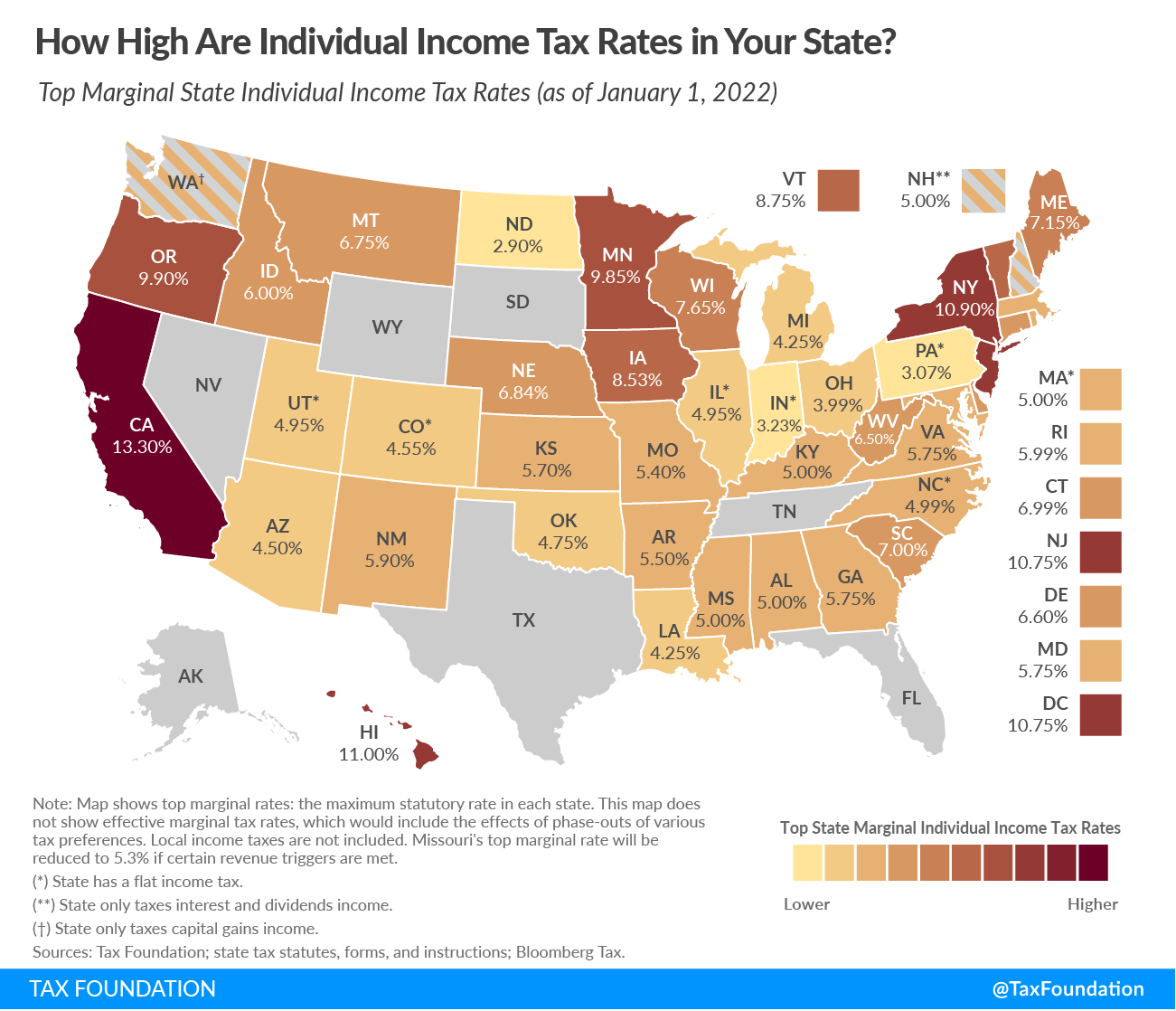
One of the primary concerns for many when considering a move or an extended stay is the state’s income tax. Kansas does indeed have a state income tax. This tax is levied on the income earned by individuals and corporations residing in or earning income within the state. The structure of the income tax has evolved over time, with Kansas implementing changes aimed at economic development and tax simplification.
The current income tax system in Kansas features a progressive rate structure, meaning that higher earners are generally taxed at a higher percentage of their income. However, the number of tax brackets and the specific rates have been subject to legislative adjustments. It is essential for potential visitors or temporary residents to consult the latest tax information from the Kansas Department of Revenue to understand the current tax rates, deductions, and exemptions that may apply to their specific circumstances.
Impact on Travelers and Temporary Residents
For travelers who are simply passing through or staying for short durations as tourists, state income tax is usually not a direct concern, as it is typically applied to income earned while a resident or for work performed within the state. However, for individuals who might be working remotely from Kansas for an extended period, or those engaging in short-term employment opportunities, understanding the state’s income tax rules regarding non-resident income is vital. This ensures compliance and accurate financial planning for the duration of their stay.
Sales Tax and Use Tax
Sales tax is a consumption tax imposed on the sale of tangible personal property and certain services. Kansas has a state sales tax, which is then often supplemented by local (city and county) sales taxes. This means the total sales tax rate can vary depending on the specific location within the state.
The state sales tax rate in Kansas is a set percentage, and local governments have the authority to add their own rates on top of this. Consequently, a purchase made in one city, such as Wichita, might have a different total sales tax rate than a purchase in another, like Overland Park.
What is Taxed?
Generally, most tangible goods purchased at retail are subject to sales tax. Certain services may also be taxed, depending on their nature and the specific regulations in place. It is important to note that while some states exempt groceries or prescription medications, Kansas has specific rules regarding exemptions. Travelers should be aware that their purchases, from souvenirs in Dodge City to meals at a restaurant in Kansas City, Kansas, will likely incur sales tax.
Use Tax
Complementing the sales tax is the use tax. This tax is designed to capture tax revenue on goods purchased outside of Kansas but used within the state, where sales tax was not originally paid. This is particularly relevant for online purchases or items brought into the state from elsewhere. The use tax rate is typically the same as the state’s sales tax rate.
Property Taxes in Kansas

While income and sales taxes are often the most immediate considerations for travelers and temporary residents, property taxes are a significant component of Kansas’s tax structure, particularly for those who might own property or are considering longer-term accommodation. Property taxes are levied on real estate and, in some cases, personal property.
Real Estate Property Tax
In Kansas, real estate property taxes are determined at the local level by county and local taxing districts, which include cities, school districts, and other special districts. The state provides a framework and sets certain guidelines, but the actual tax rates are established by these local entities.
How Property Tax is Calculated
The amount of property tax paid is based on the assessed value of the property and the mill levy. The assessed value is a percentage of the property’s appraised market value, and the mill levy is a rate expressed in mills (one-tenth of a cent) per dollar of assessed value. Different taxing jurisdictions within a county will have their own mill levies, which are then combined to form the total mill levy for a particular property.
For example, a property owner in Lawrence will have their property tax calculation influenced by the city’s mill levy, the local school district’s mill levy, and any other special district levies applicable to that area.
Impact on Longer Stays and Accommodation
While typical tourists will not be concerned with property taxes, individuals considering longer-term rentals or purchasing property in Kansas will find this a crucial factor in their budgeting. Even for those renting apartments or houses for several months, understanding how property taxes might indirectly influence rental rates is beneficial. Landlords often factor property tax expenses into their rental pricing. For those looking at vacation rentals or extended stays in serviced apartments, it’s worth noting that these costs are invariably baked into the overall price.
Other Taxes and Considerations
Beyond the primary categories of income, sales, and property taxes, Kansas also has other taxes and fees that might be of interest to visitors or those planning extended stays.
Excise Taxes
Excise taxes are levied on specific goods or activities. In Kansas, common excise taxes include those on gasoline, tobacco, and alcoholic beverages. These taxes are typically included in the retail price of these items. While not a direct budgeting concern for most short-term travelers, they contribute to the overall cost of goods and services within the state.
Business Taxes
For individuals or groups planning business-related travel, corporate income tax, franchise tax, and unemployment insurance taxes are relevant. These taxes affect the operational costs for businesses located in or operating within Kansas, which can indirectly influence the pricing of goods and services available to travelers.
Local Taxes and Fees
It is crucial to reiterate that local jurisdictions within Kansas can impose their own taxes and fees. This is most evident in sales taxes but can also extend to lodging taxes, which are often added to the cost of hotel stays and other short-term accommodations in popular tourist destinations like Kansas City, Missouri (which borders Kansas) or areas surrounding notable attractions. Travelers should always inquire about any additional local taxes when booking accommodation or planning activities.

Conclusion: Navigating Kansas’s Tax Structure for Your Visit
The question of whether Kansas has state taxes yields a clear affirmative. The state employs a comprehensive tax system that includes income, sales, and property taxes, alongside various excise and local levies. For the casual tourist, the most immediate impact will be felt through sales taxes on purchases and potentially lodging taxes on accommodations. However, for individuals considering longer stays, remote work from the state, or property ownership, a deeper understanding of Kansas’s income and property tax regulations becomes essential. By consulting official resources like the Kansas Department of Revenue and being mindful of local variations, visitors and temporary residents can navigate the financial landscape of Kansas effectively, ensuring a well-budgeted and enjoyable experience. Whether planning a visit to the Flint Hills or exploring the history in Abilene, a foundational awareness of these tax implications adds a layer of practical preparedness to any travel plan.
LifeOutOfTheBox is a participant in the Amazon Services LLC Associates Program, an affiliate advertising program designed to provide a means for sites to earn advertising fees by advertising and linking to Amazon.com. Amazon, the Amazon logo, AmazonSupply, and the AmazonSupply logo are trademarks of Amazon.com, Inc. or its affiliates. As an Amazon Associate we earn affiliate commissions from qualifying purchases.