
The image of Las Vegas usually conjures up neon lights, sprawling casinos, and the arid landscape of the Mojave Desert. For many travelers, the idea of a “beach vacation” feels diametrically opposed to the heat and dust of southern Nevada. However, the ingenuity of this world-class destination has bridged the gap between the desert and the coast. While Las Vegas is landlocked and hundreds of miles away from the Pacific Ocean, it has cultivated a unique “beach culture” that rivals many coastal cities.
Whether you are looking for man-made sandy shores on The Strip or natural lakeside retreats in the surrounding wilderness, the answer to “Does Las Vegas have a beach?” is a resounding, albeit nuanced, yes. This guide explores the diverse aquatic landscapes available to visitors, ranging from multi-million dollar resort lagoons to the rugged beauty of the Colorado River basin.

The Mirage of the Mojave: Artificial Beaches on the Las Vegas Strip
In Las Vegas, if nature doesn’t provide it, the resorts will build it. The evolution of the city’s hospitality industry has led to the creation of elaborate “beach” environments that use thousands of tons of real sand and advanced wave technology to simulate a seaside experience.
Mandalay Bay Beach: The Gold Standard
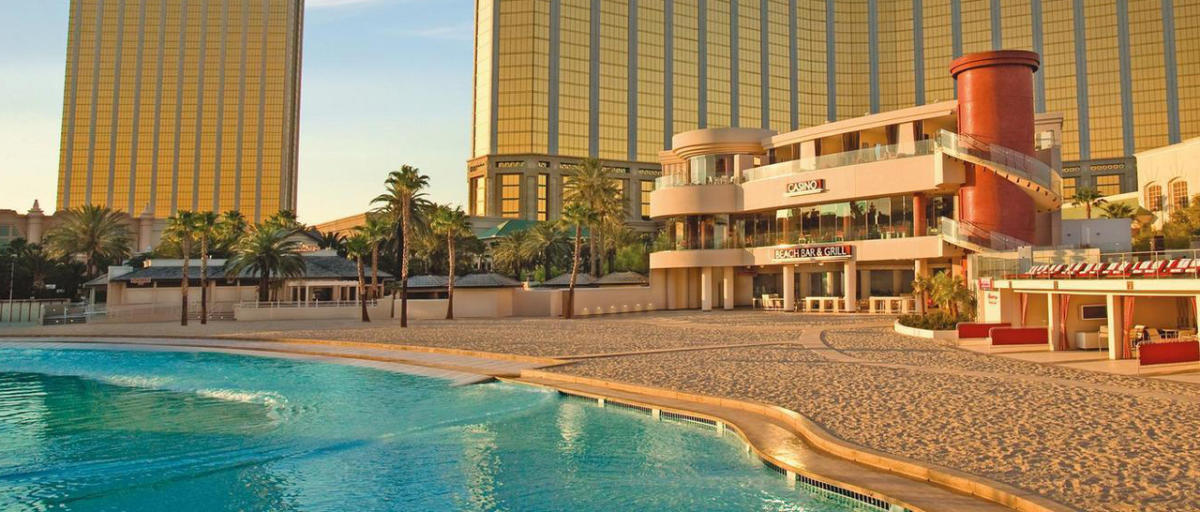
Perhaps the most famous “beach” in the United States that isn’t near an ocean is Mandalay Bay Beach. Located within the Mandalay Bay Resort and Casino, this 11-acre aquatic playground is a masterpiece of engineering. It features 2,700 tons of real sand imported from California, creating a shoreline that feels remarkably authentic underfoot.
The centerpiece of the complex is a 1.6-million-gallon wave pool capable of generating swells up to six feet high. For travelers seeking a traditional beach experience, lounging on a daybed with your toes in the sand while watching “ocean” waves break is as close as it gets in the desert. The area also includes a lazy river and several smaller pools, making it a primary destination for those who prioritize sun and sand during their stay.
The Tank at Golden Nugget
Venturing away from the main boulevard to the Fremont Street Experience, visitors will find a different kind of aquatic landmark. The Tank at the Golden Nugget Las Vegas is often cited as one of the most unique “beach” and pool experiences in the world. While it lacks the expansive sandy shores of its southern counterparts, it offers a dramatic visual attraction: a 200,000-gallon shark aquarium.
A transparent waterslide runs directly through the center of the shark tank, allowing guests to “swim” with predators before splashing into the pool. For the travel enthusiast looking for a mix of adrenaline and relaxation, this Downtown Las Vegas gem provides a localized “coastal” thrill that is entirely unique to the region.
The Dayclub Culture: TAO Beach and Encore Beach Club
For a segment of travelers, a “beach” is defined by the social atmosphere rather than just the water. Las Vegas has pioneered the “dayclub” concept, where high-energy music and luxury cabanas replace the quiet serenity of the shore. TAO Beach Dayclub, located at The Venetian Resort Las Vegas, offers a lush, tropical-inspired environment that feels like a Balinese escape.
Similarly, Encore Beach Club at Encore at Wynn Las Vegas features tiered pools and massive palm trees, creating a sprawling oasis. These venues are essential stops for those who want to experience the “luxury beach” lifestyle, where the focus is on world-class DJs, curated cocktails, and a sophisticated social scene.
Natural Waterscapes: Beyond the Neon Horizon
While the resorts offer curated luxury, those willing to drive a short distance from the city center will find that Nevada and Arizona offer genuine natural “beaches” along their lakes and rivers. These destinations provide a stark contrast to the glitz of The Strip, focusing instead on the raw beauty of the American Southwest.
Lake Mead National Recreation Area
Just 30 miles southeast of the city lies the Lake Mead National Recreation Area. This is the largest reservoir in the country and serves as the primary “natural” beach destination for locals and tourists alike. Boulder Beach is a popular spot for swimming, paddleboarding, and sunbathing.
Unlike the soft white sands of California, the shores here are often pebbled or composed of volcanic soil, but the crystal-clear blue water of Lake Mead provides a refreshing reprieve from the desert heat. Travelers can explore hidden coves by boat or enjoy a picnic along the shoreline with views of the distant mountains and the iconic Hoover Dam nearby.
Willow Beach and the Colorado River
Continuing further south into Arizona, Willow Beach offers a spectacular river-based beach experience. Situated on the Colorado River between Lake Mead and Lake Mohave, this area is famous for its emerald-green waters and steep canyon walls.
Willow Beach is a haven for kayakers and nature lovers. Many travelers embark on tours to Emerald Cave, a small grotto where the sunlight hits the water at just the right angle to create a brilliant glowing effect. While it is more of a “river bank” than a traditional ocean beach, the ability to swim in the cool currents of the Colorado River while surrounded by desert bighorn sheep is a highlight of any Las Vegas nature guide.
Nelson’s Landing and Cliff Jumping
For the more adventurous traveler, Nelson’s Landing near the historic Eldorado Canyon provides a rugged beach experience. Located at the end of a winding road through a ghost town area, this spot on the river is famous for its cliff-jumping opportunities. The “beach” areas here are small and rocky, but the deep, cool water and the dramatic rock formations make it a favorite for those looking to escape the commercialized environment of the city.
Designing the Ultimate Desert Beach Itinerary
To truly answer the question of whether Las Vegas has a beach, one must look at how to integrate these varied experiences into a single trip. A well-rounded itinerary balances the over-the-top luxury of resort lagoons with the tranquil beauty of the desert’s natural water sources.
Seasonal Considerations for Sun Seekers
Timing is everything when planning a beach-focused trip to Nevada. The “pool season” in Las Vegas typically runs from March through October. During the peak summer months of July and August, temperatures can regularly exceed 100 degrees Fahrenheit. While this is perfect “beach weather,” it requires careful planning to avoid heat exhaustion.
Early morning visits to places like Red Rock Canyon National Conservation Area or Valley of Fire State Park followed by an afternoon at Mandalay Bay Beach allows travelers to see the sights before retreating to the water. Conversely, late spring and early fall offer the most comfortable temperatures for extended stays on the shores of Lake Mead.
Luxury vs. Nature: Choosing Your Base
Where you stay will significantly impact your access to these “beaches.” If your goal is the artificial sand experience, staying at Caesars Palace gives you access to the Garden of the Gods Pool Oasis, which, while not a sandy beach, offers a majestic Greco-Roman swimming experience. If you prefer the new and modern, Virgin Hotels Las Vegas features a sand-bottomed pool that mimics a beach club in Miami.
For those who want to focus on Lake Mead and the Colorado River, basing yourself in Boulder City or Henderson can provide a quieter, more “outdoorsy” vibe. These areas are much closer to the natural water attractions and offer a slower pace of life than the neon-soaked streets of The Strip.
Essential Tips for the Desert “Beachgoer”
Traveling to a beach in the desert requires a specific set of preparations. First, the sun in the Mojave Desert is significantly more intense than in many coastal regions due to the low humidity and high altitude. High-SPF sunscreen and constant hydration are non-negotiable.
Second, many of the resort “beaches” have strict access rules. While some, like Mandalay Bay Beach, occasionally offer day passes for non-guests, they are primarily reserved for those staying at the hotel. Always check the current policy before heading out. Lastly, if you are heading to Lake Mead National Recreation Area, remember that these are natural environments. Water levels can fluctuate, and it is important to follow all local safety guidelines regarding swimming and boating.
In conclusion, while Las Vegas may not have a natural ocean coastline, it has masterfully curated a series of “beach” experiences that cater to every type of traveler. From the high-energy dayclubs and meticulously engineered sandy shores of the Mandalay Bay Resort and Casino to the serene, rugged beauty of Willow Beach, the city offers a diverse array of destinations for those looking to splash and sunbathe. Las Vegas proves that with enough imagination—and a few thousand tons of sand—you can find a beach even in the heart of the desert.
LifeOutOfTheBox is a participant in the Amazon Services LLC Associates Program, an affiliate advertising program designed to provide a means for sites to earn advertising fees by advertising and linking to Amazon.com. Amazon, the Amazon logo, AmazonSupply, and the AmazonSupply logo are trademarks of Amazon.com, Inc. or its affiliates. As an Amazon Associate we earn affiliate commissions from qualifying purchases.