
When planning a trip to the dazzling and always-evolving city of Las Vegas, understanding the financial aspects is crucial for budgeting and avoiding surprises. Among the many questions that arise, one common query is about sales tax. Does Las Vegas have sales tax? The straightforward answer is a resounding yes. Las Vegas, like most places in the United States, levies sales tax on goods and services. However, the nuances of how this tax is applied, especially in a city renowned for its unique offerings like casinos, resorts, and entertainment, are what we will delve into. This exploration will shed light on what you can expect to pay beyond the sticker price and how it might affect your overall travel budget for a Las Vegas adventure.
Understanding Sales Tax in Las Vegas
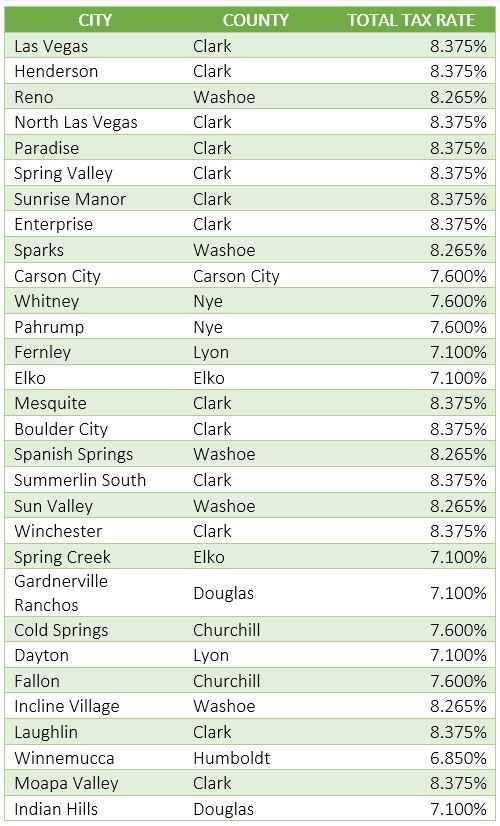
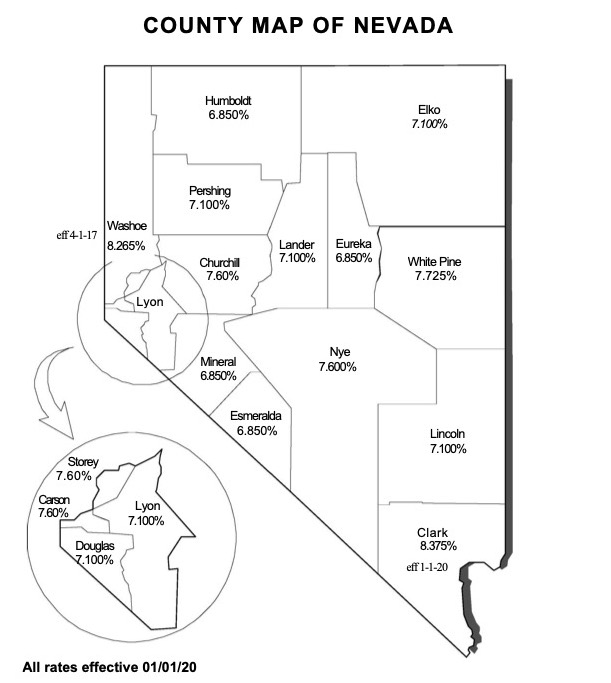
The sales tax in Las Vegas is not a single, fixed rate. It’s a combination of state, county, and in some instances, district taxes. For a city as large and varied as Las Vegas, understanding these components is key to grasping the final amount added to your purchases. The state of Nevada imposes a statewide base rate, which is then supplemented by taxes set by Clark County, where Las Vegas is located.
The Components of Las Vegas Sales Tax
- State Sales Tax: Nevada has a base state sales tax rate that applies across the state. This forms the foundational layer of the tax you’ll encounter.
- County Sales Tax: Clark County adds its own sales tax rate. This rate is specific to the county and contributes to the total.
- Local/District Taxes: In areas like Las Vegas, there can be additional district taxes. These are often implemented to fund specific local projects, such as infrastructure improvements, public transportation, or public safety initiatives. These can vary even within Las Vegas, depending on the specific zone or district.
The combined effect of these taxes means that the sales tax rate in Las Vegas is generally higher than in many other parts of the state. For consumers, this means being aware that the price you see on a tag is rarely the final price you’ll pay. The tax is calculated at the point of sale and added to the subtotal of your purchase. This applies to a wide range of goods and services, from souvenirs and clothing to electronics and even some food items.
What is Subject to Sales Tax?
In Las Vegas, sales tax is generally applied to tangible personal property, which includes most goods you would purchase. This encompasses everything from the latest fashion finds on the Las Vegas Strip to unique art pieces found in local galleries.
Goods and Merchandise:
When you shop at the numerous retail stores, boutiques, and department stores scattered throughout Las Vegas, sales tax will be added to your bill. This includes items purchased at places like the shops within major resorts such as The Bellagio or The Venetian, as well as at standalone shopping centers like the Forum Shops at Caesars.
Services:
The application of sales tax to services in Las Vegas can be a bit more complex. While many services are taxable, some common ones you might encounter on a Las Vegas vacation are indeed subject to tax.
- Hotel Room Occupancy Tax: While often referred to as an “occupancy tax” or “resort fee,” this is functionally a tax levied on your hotel stay. It’s important to note that this is separate from the general sales tax. The occupancy tax in Las Vegas can be a significant part of your accommodation costs, varying based on the hotel’s location and classification. This is levied on top of the room rate.
- Entertainment and Attractions: Tickets to shows, concerts, sporting events, and admission to attractions like the High Roller Observation Wheel or the exhibits at the Neon Museum are typically subject to sales tax.
- Restaurant Meals: Dining out in Las Vegas is an experience in itself, and sales tax is applied to the bill at restaurants, cafes, and food courts. This includes everything from a quick bite at a casual eatery to a fine dining experience at one of the celebrity chef restaurants.
- Casino Services: While winnings from gambling are generally not taxed at the point of purchase (as they are not a purchase), some services offered by casinos might be. For instance, if you purchase a drink at a casino bar, sales tax will apply.
- Transportation Services: Services like Uber or Lyft rides within Las Vegas are also typically subject to sales tax, as are taxi fares.
Items Not Subject to Sales Tax
While many things in Las Vegas are taxed, there are some notable exceptions that can help savvy travelers save money. Understanding these can be a game-changer for your budget, especially for extended stays or significant purchases.
Exemptions and Considerations
- Groceries: Unprepared food items intended for home consumption, such as raw produce, meat, and dairy products, are generally exempt from sales tax. This means if you are staying in accommodation with kitchen facilities, like an apartment or villa, stocking up on groceries can be a more budget-friendly option than dining out for every meal.
- Prescription Medications: Essential items like prescription drugs are typically exempt from sales tax, providing some relief for those who need them.
- Certain Services: Some services might be exempt, although this is less common for tourist-oriented activities. It’s always best to check with the service provider if you are unsure.
- Purchases Shipped Out of State: If you are visiting Las Vegas as a tourist and plan to have items shipped directly to your home address outside of Nevada, you may be exempt from paying sales tax on those items. This is a common practice for larger purchases made at retailers in Las Vegas. Be sure to confirm this with the retailer at the time of purchase, as specific rules and documentation might be required.
Note on Resort Fees: It’s important to reiterate that resort fees, which are common at many Las Vegas hotels and resorts such as MGM Grand or The Cosmopolitan, are typically not considered sales tax. These are separate mandatory fees charged by the hotel for amenities and services, and they are also subject to their own tax.
Strategic Planning for Las Vegas Visitors
Given that sales tax is a reality in Las Vegas, strategic planning can help you manage your expenses effectively and enjoy your trip without financial stress. Whether you’re focused on luxury travel, a budget-friendly escape, or a family vacation, incorporating sales tax into your calculations is essential.
Budgeting for Sales Tax
The first step in strategic planning is to factor sales tax into your budget for every anticipated purchase. While the exact rate can fluctuate slightly depending on the specific location within Clark County, a general estimate can be made. For current rates, it’s always advisable to check the official Nevada Department of Taxation website or ask at the point of sale.
Estimating your budget:
- Add a buffer: When budgeting for shopping, dining, and entertainment, add an extra percentage to your estimated costs to account for sales tax. This buffer will prevent you from being caught off guard by higher-than-expected totals.
- Prioritize tax-exempt items: If you’re looking to stretch your dollar, consider prioritizing purchases of tax-exempt items like groceries if your accommodation allows for cooking.

Making Tax-Savvy Decisions
- Leverage online deals: Sometimes, booking accommodations or purchasing attraction tickets online in advance can offer better rates that might not include the full impact of local sales taxes in the initial advertised price, though taxes are usually added before final payment. Always read the fine print.
- Consider package deals: Travel agencies and resort websites often offer package deals that bundle accommodation, flights, and even show tickets. While these packages are generally subject to sales tax on their components, they can sometimes offer overall savings compared to booking each element separately.
- Utilize hotel amenities: If your hotel or resort, like Wynn Las Vegas or Encore at Wynn Las Vegas, offers complimentary breakfast or has kitchenettes, take advantage of them to reduce your food expenses and the associated sales tax.
- Research your purchases: For significant purchases, compare prices across different retailers. While the sales tax rate will be the same, a lower base price will naturally result in a lower overall cost.
By understanding that Las Vegas does indeed have sales tax, and by being aware of what is taxed and what is not, visitors can approach their trip with greater financial confidence. This knowledge empowers you to make informed decisions, manage your spending effectively, and ultimately, enhance your overall experience in this vibrant and exciting city. Whether you’re admiring the architecture of the Bellagio or trying your luck at the MGM Grand, a little financial foresight goes a long way in making your Las Vegas adventure truly unforgettable.
LifeOutOfTheBox is a participant in the Amazon Services LLC Associates Program, an affiliate advertising program designed to provide a means for sites to earn advertising fees by advertising and linking to Amazon.com. Amazon, the Amazon logo, AmazonSupply, and the AmazonSupply logo are trademarks of Amazon.com, Inc. or its affiliates. As an Amazon Associate we earn affiliate commissions from qualifying purchases.