
When travelers imagine Las Vegas, they typically picture neon-lit streets, arid desert landscapes, and the shimmering haze of heat radiating off the asphalt. It is, after all, a city built in the heart of the Mojave Desert. However, the climate in Nevada is far more complex than a simple “hot year-round” stereotype suggests. For those planning a trip during the winter months, the question of whether the entertainment capital of the world experiences winter weather is a common concern.
The Reality of Winter Weather in the Valley
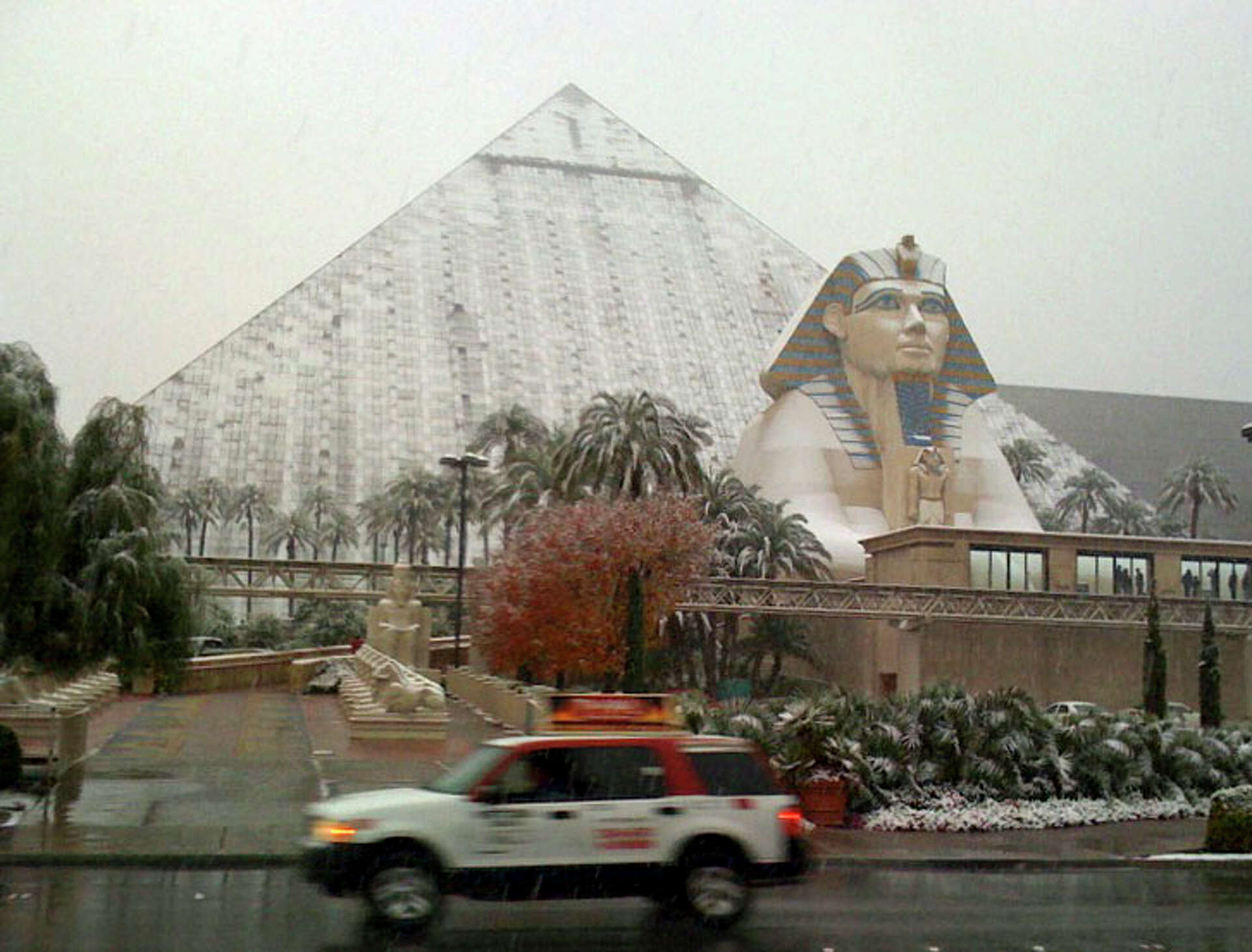
While Las Vegas is famous for its sweltering summers, winter in the valley is surprisingly brisk. Between December and February, daytime temperatures often hover in the 50s and 60s Fahrenheit, while overnight temperatures frequently drop into the 30s. Despite these chilly conditions, true snow accumulation on the Las Vegas Strip remains a rare and celebrated event.

Meteorological Context
The reason snow is so scarce in the basin is largely due to the “rain shadow” effect created by the surrounding mountain ranges, such as the Spring Mountains. These peaks often intercept moisture coming from the Pacific, forcing it to drop as snow at higher elevations before it can reach the city floor. When snow does manage to drift down into the urban areas, it typically melts upon contact with the warm desert soil, leaving little trace of a winter wonderland.
Historical Dustings
On the rare occasions that snow blankets the Fremont Street Experience or the iconic fountains of the Bellagio, the city grinds to a temporary halt. These events are often documented with intense local excitement, as the juxtaposition of white powder against the desert backdrop creates a surreal aesthetic. Historically, significant snowfall in the valley has occurred in increments of less than an inch, usually lasting only a few hours before the United States desert sun reasserts its dominance.
Exploring Nearby Winter Wonderlands
If you are craving a genuine snow experience during your visit to the city, you do not have to travel far. The proximity of high-altitude terrain makes Las Vegas a unique destination where you can potentially lose money at the Caesars Palace in the morning and engage in high-altitude snow sports by the afternoon.
Mount Charleston: The Local Escape
Located less than an hour away, Mount Charleston offers a stark contrast to the climate of the valley floor. As the highest point in the Spring Mountains, this area receives consistent snowfall throughout the winter months. It serves as the primary playground for residents and tourists looking to escape the desert dry spell. The Lee Canyon ski resort provides opportunities for skiing, snowboarding, and snowshoeing, making it an essential detour for anyone looking to embrace the cold.
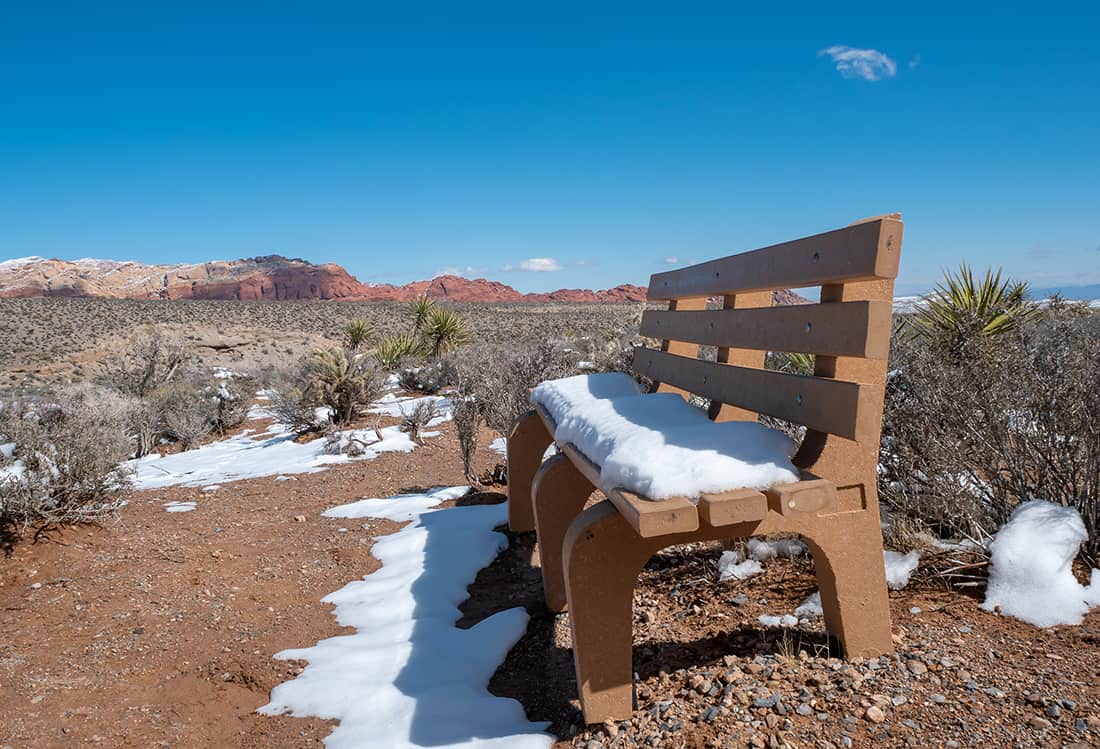
The Beauty of the Red Rock Canyon
Even if you don’t head all the way up to the peaks, the Red Rock Canyon National Conservation Area often receives a dusting of snow on the higher ridges. Hiking through these trails during a cold snap provides a breathtaking contrast between the vibrant red sandstone and the delicate white dusting of snow. It is a photographer’s dream, offering a peaceful, frigid silence that is impossible to find on the busy sidewalks of the Las Vegas Boulevard.
Winter Travel Tips for the Desert
Traveling to Nevada during the winter months requires a bit of foresight. While you won’t need to pack heavy-duty Arctic gear for the city itself, the temperature fluctuations are significant enough to warrant preparation.
Packing Strategies
The key to dressing for Las Vegas in winter is layering. You might feel comfortable in a light sweater during the afternoon, but once the sun dips below the horizon, the temperature drops rapidly. Carrying a warm jacket or a heavy coat is advisable for evening walks between resorts like The Venetian or MGM Grand. If you plan to head toward Mount Charleston, thermal layers and waterproof boots are absolute necessities.
Transportation Considerations
If a rare winter storm hits the region, driving conditions in the mountains can become hazardous very quickly. If you have rented a car to explore the outskirts of Las Vegas, ensure that the vehicle is equipped to handle potential ice on the roads leading toward Red Rock Canyon. Most travelers stick to ride-sharing services or the Deuce bus system while in the city, but these services can also experience delays during unusual weather events.
Why Visit During the Colder Months?
There are distinct advantages to visiting Las Vegas when the weather is at its coldest. The summer heat can be overwhelming, often restricting outdoor activities to the very early morning or late night. Winter opens up the city in ways that the summer months cannot.
Avoiding the Summer Throngs
Beyond the temperatures, the winter season—excluding major holidays like New Year’s Eve—can offer a more relaxed pace. The queues for shows at the Park MGM or the buffet lines at Wynn Las Vegas are often more manageable. You can enjoy the outdoor attractions, like the High Roller, without the oppressive humidity or heat that characterizes the peak season.
Seasonal Festivities
The city leans into the winter theme with gusto. Even if natural snow is elusive, artificial displays ensure the spirit of the season is present. The Bellagio Conservatory and Botanical Gardens undergoes elaborate transformations that celebrate winter, often featuring massive ice sculptures and light displays. This allows visitors to experience the “magic” of a winter landscape without the inconvenience of shoveling snow or navigating icy streets.
The Final Verdict
So, does Las Vegas have snow? The answer is a qualified yes, provided you are willing to look at the mountain peaks rather than the city streets. While a white Christmas on the Las Vegas Strip remains a rare, almost mythical occurrence, the surrounding region provides a legitimate winter escape for those who know where to look. By planning ahead and venturing just a short distance from the bustling casinos, you can experience the best of both worlds: the vibrant, dry warmth of the desert city and the crisp, snowy tranquility of the high Mojave Desert. Whether you are looking to hit the slopes at Lee Canyon or simply enjoy a brisk walk under the neon lights of Las Vegas Boulevard, the winter season offers a unique, refreshing perspective on one of the most famous travel destinations in the United States.
LifeOutOfTheBox is a participant in the Amazon Services LLC Associates Program, an affiliate advertising program designed to provide a means for sites to earn advertising fees by advertising and linking to Amazon.com. Amazon, the Amazon logo, AmazonSupply, and the AmazonSupply logo are trademarks of Amazon.com, Inc. or its affiliates. As an Amazon Associate we earn affiliate commissions from qualifying purchases.