
The intricate administrative and geographical divisions of a state can often be a source of confusion, especially when a particular state employs a unique terminology. For those planning a trip to the vibrant state of Louisiana, or perhaps considering a longer stay, understanding its internal divisions is key to navigating its rich cultural tapestry and diverse landscapes. The question, “Does Louisiana have counties?” is a common one, and the answer, while technically yes, comes with a distinct Louisiana twist: parishes.
This seemingly subtle difference in nomenclature reflects the state’s unique history, a blend of French, Spanish, and American influences that has shaped its governance and identity. While the function of a parish is analogous to that of a county in other U.S. states, the term itself is deeply rooted in Louisiana’s colonial past. Exploring Louisiana, whether for a weekend getaway to the lively streets of New Orleans or an adventurous exploration of its bayous, involves engaging with these distinct geographical and administrative units. Understanding the concept of parishes will not only answer the fundamental question but also unlock a deeper appreciation for the state’s distinct character.
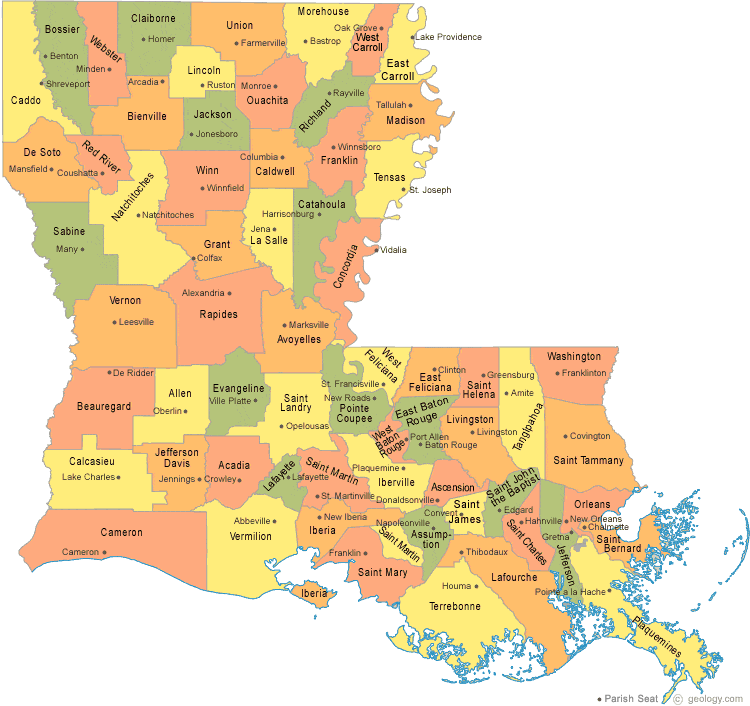
Louisiana’s Unique Administrative Divisions: Parishes
The primary distinction that sets Louisiana apart from its sister states is its use of parishes instead of counties. This terminology is not merely a semantic quibble; it’s a direct legacy of the state’s French and Spanish colonial past. During the French colonial period, the territory was divided into ecclesiastical districts overseen by a priest, known as a “paroisse” in French. When the Spanish took control, they maintained these divisions, adapting the term to “parroquia.” Following the Louisiana Purchase and its eventual statehood, the term “parish” persisted, solidifying its place in the state’s legal and administrative framework.
Therefore, when you encounter references to the administrative subdivisions of Louisiana, such as St. Tammany Parish or Orleans Parish, you are essentially looking at what other states would call counties. These parishes function in much the same way, serving as the primary governmental units below the state level. They are responsible for a range of local services, including law enforcement, public safety, road maintenance, and the administration of elections. The specific powers and responsibilities of each parish can vary, much like counties in other states, often reflecting the unique demographic and economic characteristics of the region.
For travelers, understanding this distinction can enhance their experience. For instance, when looking for accommodation in a specific area or seeking information about local attractions, knowing whether you’re interested in the urban energy of New Orleans Parish or the more rural charm of a parish further north will help refine your search. This linguistic nuance is a charming aspect of Louisiana’s identity, a subtle reminder of its rich and complex history that continues to influence its present.
The Role and Function of Louisiana Parishes
The practical implications of Louisiana’s parishes extend far beyond a mere naming convention. These administrative units are the bedrock of local governance, providing essential services and shaping the daily lives of their residents. Just as counties in states like Texas or California are responsible for a wide array of public functions, so too are Louisiana’s parishes.
At the core of parish governance is the parish president or a police jury, depending on the specific charter of the parish. These elected officials oversee the management of local affairs, from infrastructure development to public health initiatives. They are responsible for setting local ordinances, levying taxes, and allocating resources to various departments. This mirrors the functions of county executives and boards of supervisors in other states, ensuring that local needs are met and that public services are delivered efficiently.
Furthermore, parishes are instrumental in providing public safety. Each parish typically has its own sheriff’s department, responsible for law enforcement within its boundaries, operating jails, and serving court documents. This is a direct parallel to county sheriffs in other parts of the United States. The parish administration also oversees various departments that cater to the daily needs of its citizens, such as departments of public works for road maintenance and infrastructure, health departments, and emergency management agencies.
For those interested in the tourism and lifestyle aspects of Louisiana, understanding the parish structure can offer valuable insights. For example, if you’re planning a trip that involves exploring the historic plantations along the Great River Road, you’ll be traversing through several different parishes, each with its own historical narrative and unique attractions. Similarly, a deep dive into Louisiana’s renowned culinary scene might lead you to discover regional specialties that are distinct to specific parishes, reflecting the diverse agricultural and cultural influences within the state. Knowing the parish can help you pinpoint these localized experiences, whether it’s a particular type of seafood in a coastal parish or a specific barbecue style in an inland one.
Exploring Louisiana: Navigating by Parish
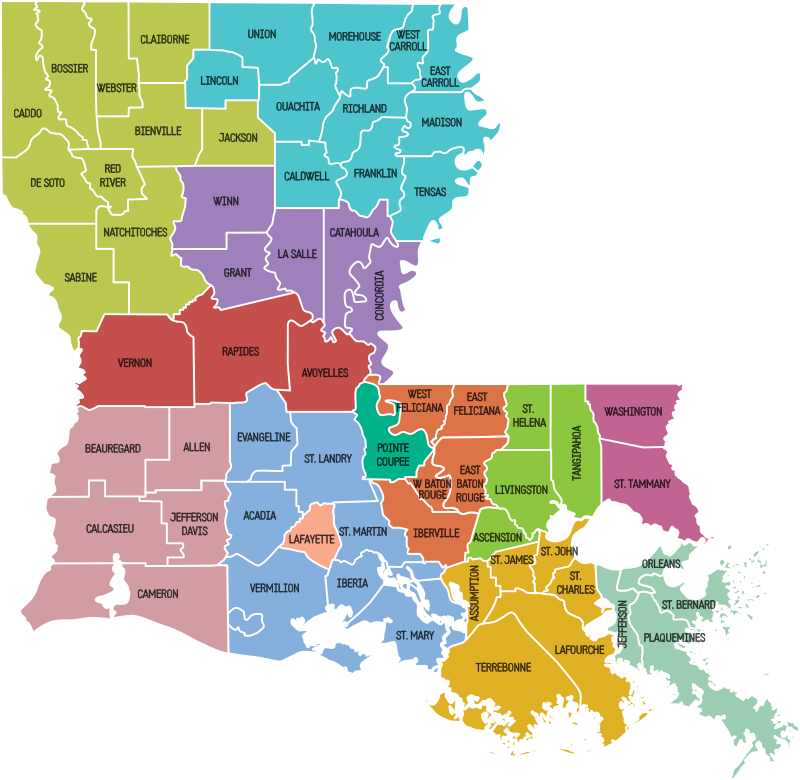
When you embark on a journey through Louisiana, whether it’s for leisure, business, or a long-term stay, understanding the concept of parishes becomes an essential tool for navigation and exploration. It’s akin to knowing the difference between boroughs and counties or districts and regions; it’s about understanding the local framework. For travelers seeking the ultimate Louisiana experience, from the bustling metropolitan areas to the serene natural landscapes, grasping the parish structure can unlock a richer and more nuanced appreciation of the state.
Key Parishes and Their Tourist Appeal
Louisiana is comprised of 64 parishes, each offering a unique blend of attractions and experiences. Some parishes are world-renowned, drawing millions of visitors annually, while others offer more secluded and authentic encounters with the state’s culture and natural beauty.
Orleans Parish is, without a doubt, the most famous. Home to the iconic city of New Orleans, this parish is a magnet for tourists seeking its legendary music scene, vibrant festivals like Mardi Gras, exquisite cuisine, and rich history. The French Quarter, Jackson Square, and the lively Bourbon Street are just a few of the landmarks that define Orleans Parish as a global tourist destination. Accommodation options here range from luxurious hotels like the The Roosevelt New Orleans, A Waldorf Astoria Hotel to charming guesthouses and apartments.
Just across Lake Pontchartrain lies St. Tammany Parish, often referred to as the “Northshore.” This parish offers a more laid-back atmosphere, with beautiful parks, art galleries, and excellent restaurants. Covington and Mandeville are charming towns within St. Tammany Parish that provide a different pace of life compared to its bustling neighbor across the lake. It’s a popular choice for those seeking outdoor activities, with access to the Tammany Trace, a scenic multi-use trail.
Moving west, Jefferson Parish is another significant hub, directly bordering New Orleans. It boasts a diverse array of attractions, including the historic Jean Lafitte National Historical Park and Preserve, which offers a glimpse into the bayou country and its fascinating ecology. Metairie, a large census-designated place within Jefferson Parish, is a commercial and residential center with numerous dining and shopping options.
Further west, Lafayette Parish is the heart of Acadiana, the region known for its vibrant Cajun culture. Lafayette city is a hub for live Cajun music, delicious Creole and Cajun cuisine, and historical sites like the Acadiana Village. Exploring this parish offers an immersive experience into the unique heritage of the Acadian people.
The parishes along the Atchafalaya Basin, such as St. Martin Parish and Iberia Parish, are renowned for their stunning natural beauty and unique bayou landscapes. Breaux Bridge in St. Martin Parish is known as the “Crawfish Capital of the World,” and Avery Island, home to the famous Tabasco Sauce factory, is a must-visit in Iberia Parish. These areas are perfect for eco-tourism, airboat tours, and experiencing the wilder side of Louisiana.
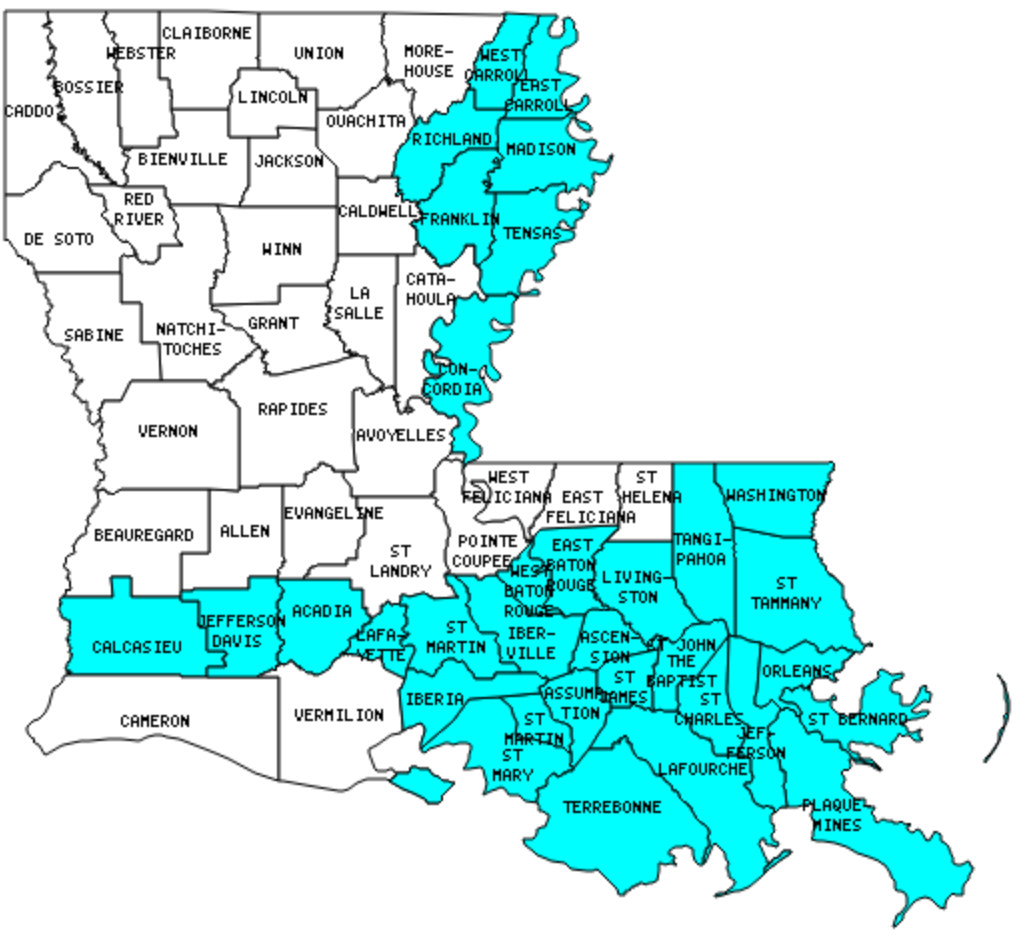
Planning Your Louisiana Itinerary by Parish
When planning your Louisiana adventure, thinking in terms of parishes can significantly enhance your trip planning and execution. Instead of just looking at cities, consider the parish they belong to, as this can reveal a broader spectrum of activities and experiences.
For a family trip, a parish like Ascension Parish might offer attractions like the Blue Bayou Water Park, providing a day of fun for all ages. If your interest lies in history and architecture, a visit to parishes along the Great River Road, such as St. James Parish or Assumption Parish, will introduce you to magnificent antebellum plantations, each with its own captivating story.
For the culinary enthusiast, research can often lead you to specific parishes renowned for particular dishes or ingredients. For instance, seafood lovers might find the coastal parishes like Cameron Parish or Vermilion Parish offer the freshest catches and the most authentic seafood experiences. Conversely, the northwestern parishes, like Caddo Parish with Shreveport, offer a different flavor profile, often influenced by Texas and Oklahoma.
When considering accommodation, the parish can be a good indicator of the type of lodging available. Urban parishes like Orleans Parish will have a wide range of hotels, from budget-friendly options to luxury resorts. More rural or nature-oriented parishes might offer unique stays like cabins, bed and breakfasts, or even opportunities for long-term apartment rentals for those looking to immerse themselves in the local lifestyle.
By understanding that Louisiana’s counties are called parishes, and by familiarizing yourself with the key parishes and their offerings, you can create a more informed and fulfilling travel itinerary. This knowledge not only demystifies the state’s administrative map but also opens doors to experiencing the authentic heart of Louisiana, one parish at a time. Whether you are seeking the lively rhythms of New Orleans, the tranquil beauty of the bayous, or the rich culinary traditions of Acadiana, the parish system provides a useful framework for discovering all that this captivating state has to offer.