
Navigating the complexities of orthodontic care, particularly when considering financial assistance, can be a significant undertaking for families. In Texas, understanding the nuances of programs like Medicaid and their coverage for braces is crucial for many residents. This guide delves into the specific criteria and processes involved, aiming to provide clarity for those seeking to access these essential dental services. While Medicaid is a federal and state program designed to provide health coverage to low-income individuals and families, its orthodontic benefits, especially for adults, can be limited. However, for children and adolescents, the picture is often more promising.

Medicaid’s Role in Pediatric Orthodontics in Texas
In Texas, Medicaid and the Children’s Health Insurance Program (CHIP) offer orthodontic coverage, but it is not a blanket policy for all cases. The primary focus is on medically necessary treatment, rather than purely cosmetic enhancements. This distinction is key to understanding eligibility. For children and teenagers, this generally means coverage is provided when orthodontic intervention is required to correct significant malocclusions that impact oral health, function, or the child’s self-esteem due to severe dental issues.
Medical Necessity Criteria
The definition of “medically necessary” is usually determined by the severity of the orthodontic problem. Texas utilizes assessment tools, such as the I-3 Index or similar standardized evaluations, to objectively measure the degree of misalignment and its impact. These indexes consider various factors, including:
- Bite Abnormality: How the upper and lower teeth meet, and the extent of any discrepancy. This can include severe overbites, underbites, crossbites, or open bites that interfere with chewing, speaking, or jaw function.
- Crowding: Significant crowding of teeth that prevents proper eruption or causes pain and difficulty with hygiene.
- Spacing: Excessive spacing between teeth that may lead to functional or aesthetic concerns.
- Jaw Discrepancies: Issues with the alignment or growth of the upper and lower jaws that require orthodontic intervention.
- Speech Impairments: Certain bite problems can directly affect a child’s ability to speak clearly, and Medicaid may cover braces to address these functional deficits.
- Impact on Self-Esteem: While not the primary driver, severe dental deformities that cause significant social or psychological distress for a child can be a contributing factor in determining medical necessity, especially when combined with functional issues.
It’s important to note that routine orthodontic treatment for mild to moderate crowding or spacing, which might be considered desirable for aesthetic reasons by many, may not meet the threshold for medical necessity under Medicaid or CHIP. The goal is to correct problems that pose a genuine risk to oral health or significantly impair function.
The Application and Approval Process
The journey to obtaining braces through Medicaid in Texas typically begins with a consultation with a dentist or orthodontist.
Finding a Provider
Not all dental providers accept Medicaid. It is essential to find an orthodontist who is a participating provider with Texas Medicaid or CHIP. Many dentists will screen patients for potential orthodontic needs and refer them to specialists. A good starting point is to contact the Texas Health and Human Services Commission or their Medicaid managed care organization for a list of in-network providers.
Orthodontic Evaluation
Once a provider is identified, the child will undergo a comprehensive orthodontic evaluation. This typically includes:
- Clinical Examination: The orthodontist will visually assess the teeth, bite, and jaw alignment.
- X-rays: Panoramic and cephalometric X-rays are taken to view the entire dentition, jaw structure, and tooth development.
- Dental Impressions or Scans: Molds or digital scans of the teeth are made to create models of the bite.
- Photographs: Intraoral and extraoral photographs are taken to document the current state.
Referral and Authorization
Based on the evaluation, the orthodontist will use specialized indices and diagnostic records to determine if the case meets the medical necessity criteria. If it does, they will submit a referral and request for authorization for orthodontic treatment to the Texas Medicaid program or the relevant managed care organization. This submission package will include all the diagnostic records, measurements, and a detailed justification for why braces are medically necessary.
The Waiting Game
The review process by Medicaid can take several weeks to months. Approval is not guaranteed, and it depends heavily on whether the presented case meets the stringent medical necessity guidelines. If approved, the orthodontist will then schedule the placement of braces. If denied, there may be an appeals process available, and the orthodontist’s office can often guide families through this.
Coverage Limitations and What to Expect
It is crucial for families to understand that even when orthodontic treatment is approved by Medicaid in Texas, there might be specific limitations and co-pays associated with the coverage.
Types of Orthodontic Appliances
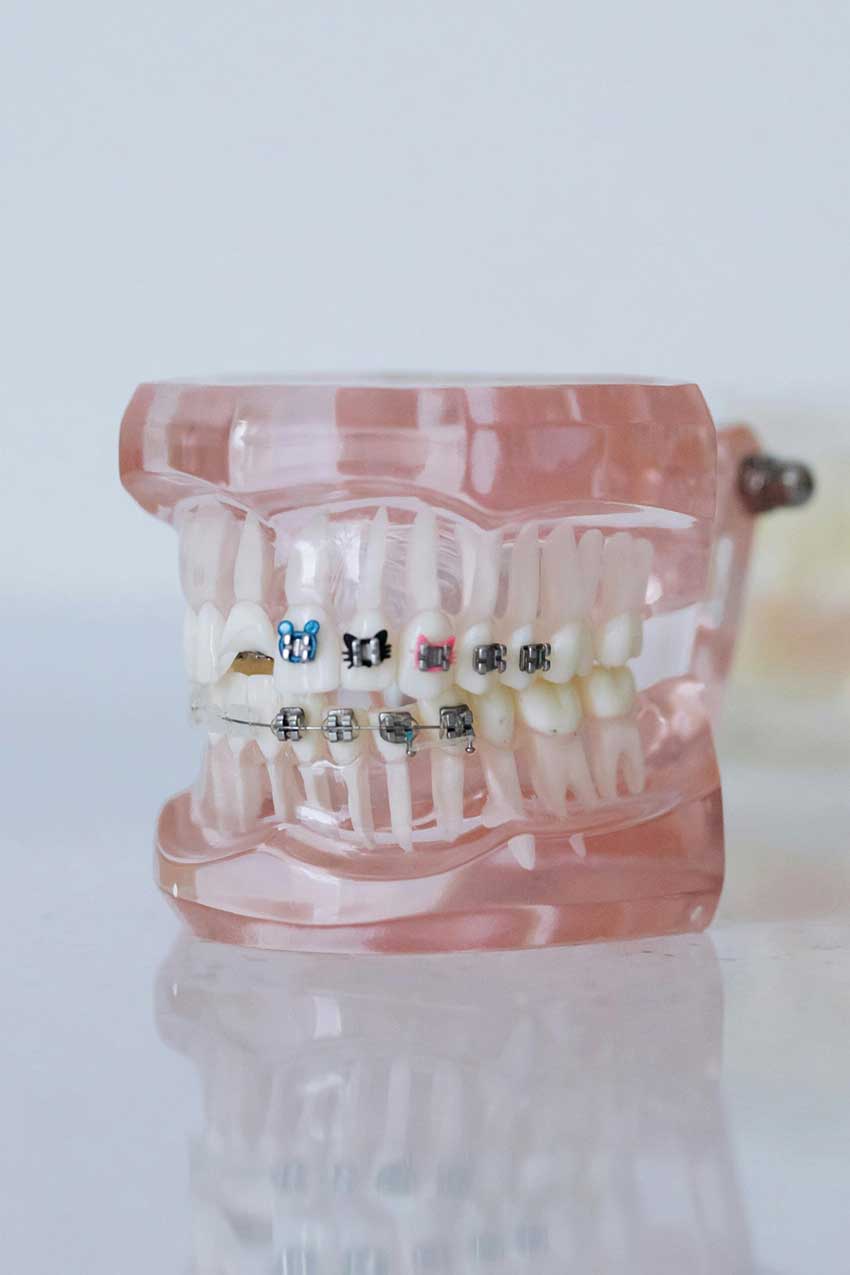
Medicaid typically covers standard metal braces. While advanced options like ceramic braces or clear aligners (such as Invisalign) are increasingly popular, they may not always be covered by Medicaid unless they are deemed the only medically appropriate option for a specific complex case, which is rare. Families interested in these more aesthetic or advanced appliances might need to pay the difference in cost out-of-pocket.
Duration of Treatment
The duration of orthodontic treatment varies significantly depending on the complexity of the case. Medicaid coverage usually extends for the standard treatment time required to achieve the desired functional and aesthetic results as determined by the orthodontist. Extended treatment periods due to patient non-compliance or unforeseen complications might be reviewed on a case-by-case basis.
Adult Orthodontics
For adults, Medicaid coverage for braces in Texas is significantly more limited. Generally, Medicaid does not cover elective or cosmetic orthodontic treatment for adults. Coverage is typically restricted to cases where orthodontic treatment is a necessary component of a broader medical treatment plan, such as preparing for complex surgery, treating severe congenital deformities, or addressing significant functional impairments that cannot be resolved through other means. Proving medical necessity for adult orthodontics through Medicaid is an exceptionally high bar and often requires extensive documentation from multiple medical specialists.
Alternatives and Financial Considerations
While Medicaid can be a valuable resource for many families in Texas seeking orthodontic care for their children, it’s important to explore all options, especially if eligibility is not met or if the treatment is not fully covered.
CHIP as an Alternative
For families who do not qualify for Medicaid but still have low to moderate incomes, the Children’s Health Insurance Program (CHIP) offers a similar pathway to orthodontic coverage. The eligibility requirements for CHIP are based on income guidelines, and like Medicaid, it prioritizes medically necessary treatments. Many of the same criteria and application processes apply.
Dental Schools and Clinics
Some dental schools in Texas, such as those associated with Texas A&M University, The University of Texas Health Science Center at Houston, or Baylor College of Dentistry, offer orthodontic services at reduced costs. These clinics are often training grounds for future dentists and orthodontists, supervised by experienced faculty. While they may not accept Medicaid directly for all services, their lower overall fees can make them a viable option for families seeking affordable orthodontic care.

Payment Plans and Financing
Many private orthodontic practices offer flexible payment plans and financing options to make treatment more manageable. These can include:
- In-house Financing: Some offices provide their own financing, allowing patients to pay in monthly installments.
- Third-Party Financing: Companies like CareCredit specialize in providing financing for healthcare procedures, including orthodontics, often with deferred interest options for qualified applicants.
- Dental Insurance: If a family has private dental insurance, it’s worth checking the policy for orthodontic coverage. While not all plans cover orthodontics, some do, often with limitations on age or a maximum benefit amount.
Understanding the specific coverage provided by Medicaid in Texas for braces requires a focus on medical necessity for children and adolescents. While it can be a complex process, detailed information and careful navigation can help families secure essential orthodontic care for their children. Always consult directly with healthcare providers and the Texas Medicaid program for the most accurate and up-to-date information regarding eligibility and coverage.
LifeOutOfTheBox is a participant in the Amazon Services LLC Associates Program, an affiliate advertising program designed to provide a means for sites to earn advertising fees by advertising and linking to Amazon.com. Amazon, the Amazon logo, AmazonSupply, and the AmazonSupply logo are trademarks of Amazon.com, Inc. or its affiliates. As an Amazon Associate we earn affiliate commissions from qualifying purchases.