
Montana, known as “Big Sky Country,” offers an unparalleled travel experience with its vast landscapes, majestic mountains, and abundant wildlife. Many travelers, when planning their trips to destinations like the Yellowstone National Park or exploring charming towns such as Bozeman and Whitefish, often consider the various costs associated with their journey. A common question that arises during financial planning for a trip to Montana is whether the state imposes a sales tax. Understanding this aspect of Montana’s fiscal policy is crucial for budgeting and can influence purchasing decisions throughout your visit.
Montana’s Unique Fiscal Approach: A Sales Tax-Free Haven
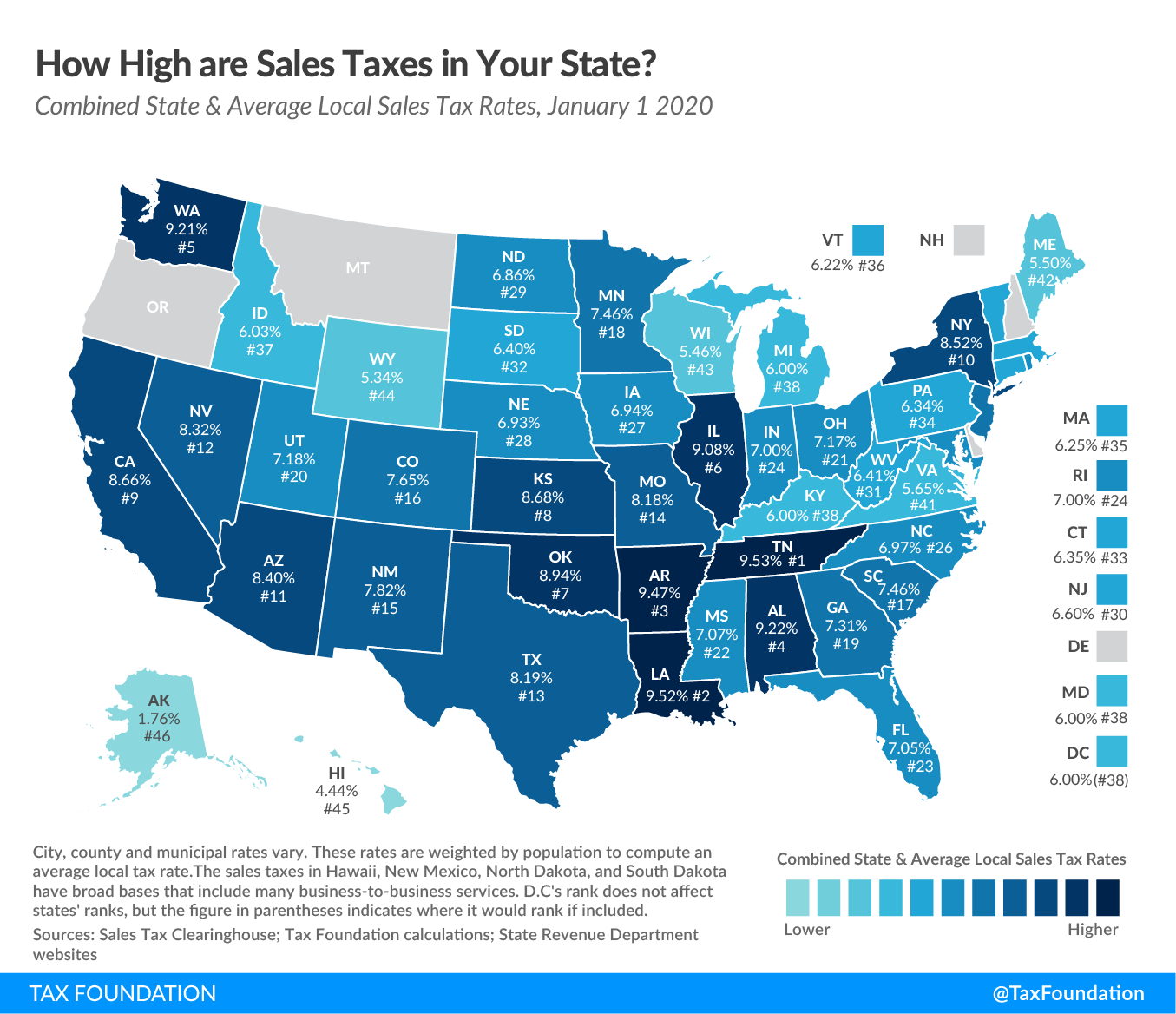
For many travelers, the absence of a statewide sales tax is a significant draw. Montana is one of only a handful of U.S. states that does not levy a general sales tax on goods and services. This means that the price you see on a tag for souvenirs, outdoor gear, or even dining out is generally the price you will pay, without the added percentage of state sales tax. This policy is a deliberate choice by the state, reflecting a broader economic strategy aimed at attracting commerce and tourism.
The rationale behind Montana’s tax structure is multifaceted. Proponents argue that the lack of a sales tax encourages residents and visitors alike to spend more within the state, thereby stimulating economic activity and supporting local businesses. By not burdening consumers with an additional tax at the point of sale, the state aims to make shopping and dining experiences more appealing. This can be particularly attractive for travelers making larger purchases, such as recreational equipment or specialized outdoor gear, which are popular in Montana.
Implications for Travelers and Shoppers
The absence of a sales tax directly impacts the cost of goods and services for visitors. When you’re browsing the shops in Big Sky or picking up supplies in Missoula, the sticker price is the final price. This can lead to unexpected savings compared to states with a sales tax, allowing travelers to potentially allocate more of their budget towards experiences, accommodation, or dining.
For example, if you plan to purchase a new set of hiking boots or a piece of locally crafted jewelry, the price advertised will be exactly what you pay before any applicable local or vendor-specific discounts. This transparency simplifies budgeting and eliminates the need to constantly calculate potential tax additions. This can be especially beneficial when planning for extended stays or when considering significant purchases.
The “Why” Behind No Sales Tax
Montana’s decision to forgo a sales tax is rooted in its economic development philosophy. Historically, the state has relied on other forms of revenue, such as property taxes and severance taxes on its natural resources, to fund public services. This approach aims to foster a business-friendly environment by reducing the cost of doing business and increasing consumer purchasing power. The idea is that by attracting more economic activity through lower consumer costs, the state can ultimately generate more revenue through other channels, such as income taxes and business taxes.
This strategy has positioned Montana as an attractive destination for both residents and businesses looking to minimize tax burdens. For tourists, it translates into a more straightforward and potentially more affordable shopping experience.
Understanding Montana’s Revenue Streams
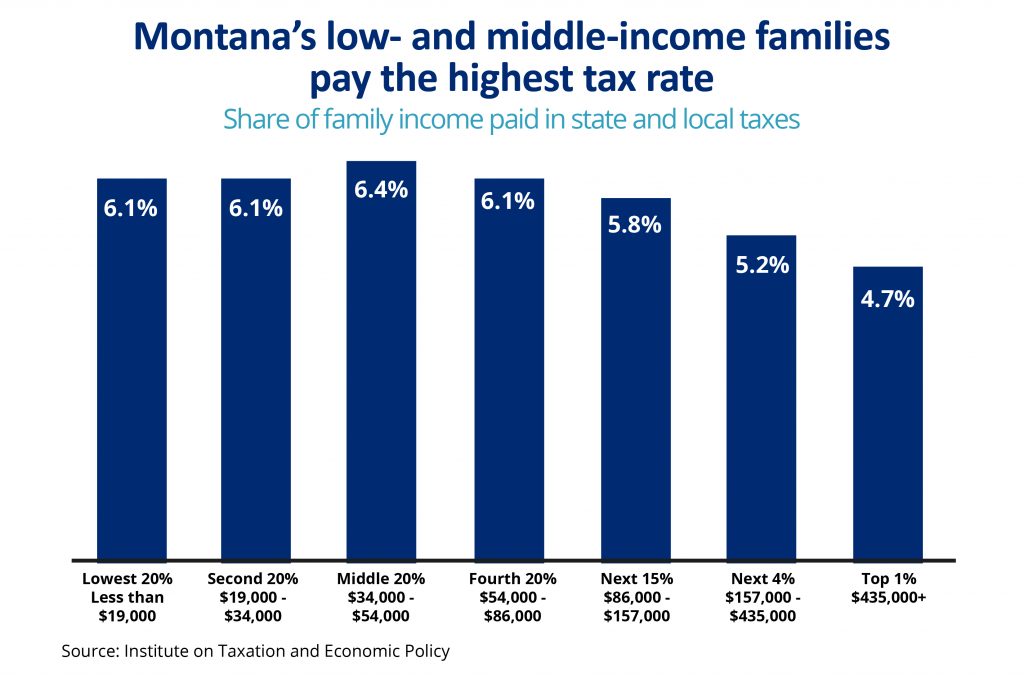
While Montana does not have a statewide sales tax, it’s important to understand how the state generates revenue to fund its operations and services. The absence of a sales tax does not mean a lack of taxation altogether. Instead, the state relies on a different mix of tax sources.
Key Revenue Sources
- Property Taxes: These are levied by local governments (counties, cities, school districts) and are a significant source of funding for local services such as schools, police, and fire departments. While not a state sales tax, property taxes are a consideration for homeowners and businesses within Montana.
- Income Taxes: Montana levies a progressive income tax on individuals and corporations. This is a primary source of revenue for the state government, funding education, infrastructure, and other state-level services.
- Severance Taxes: Given Montana’s rich natural resources, severance taxes on the extraction of minerals, timber, and coal are a crucial revenue stream. These taxes are imposed on companies that extract these resources from the state.
- Other Taxes: This includes various fees and taxes, such as those on vehicles, gasoline, and certain business licenses.
Impact on Tourism Infrastructure
The revenue generated from these diverse sources plays a vital role in maintaining and improving the very infrastructure and natural beauty that draw tourists to Montana. Funds are allocated towards preserving national parks like Glacier National Park, maintaining state highways that crisscross the vast landscapes, supporting park rangers, and promoting conservation efforts. Without these state revenues, the pristine environment and accessible attractions that define a Montana vacation might not be as well-preserved or readily available to visitors.
Therefore, while you won’t pay sales tax on your souvenirs, the state’s overall tax structure supports the very essence of what makes Montana an exceptional travel destination.
Practical Considerations for Visitors
When planning your trip to the Treasure State, knowing about the absence of a sales tax can be an advantage. It simplifies your budget and allows for more flexibility in your spending. However, it’s essential to be aware of other potential costs and to plan accordingly.
Budgeting for Your Montana Adventure
- Accommodation: Prices for hotels, resorts, and vacation rentals vary widely across Montana. While you won’t pay sales tax on the room rate, be sure to factor in potential resort fees, taxes imposed by local jurisdictions (some cities or counties may have their own lodging taxes, although this is less common than a state sales tax), and any additional services. Consider staying at unique places like the Sorrel River Ranch Resort and Spa near Moab (though in Utah, it exemplifies the type of unique accommodations found in the Mountain West) or look for well-appointed cabins near Flathead Lake.
- Activities and Tours: While the cost of a guided fishing trip on the Missouri River, a scenic float down the Yellowstone River, or an exhilarating ATV tour in the mountains will not be increased by sales tax, these activities themselves can represent a significant portion of your budget. Research and book in advance, especially during peak season.
- Dining: Enjoying Montana’s culinary scene, from steakhouses to farm-to-table restaurants in cities like Helena, will be more straightforward financially. The listed menu prices are what you’ll generally pay, before any tip.
- Transportation: Car rentals and gasoline purchases are not subject to a state sales tax. However, fuel prices can fluctuate, and the vast distances in Montana mean you’ll likely be doing a significant amount of driving.
Comparing Montana to Neighboring States
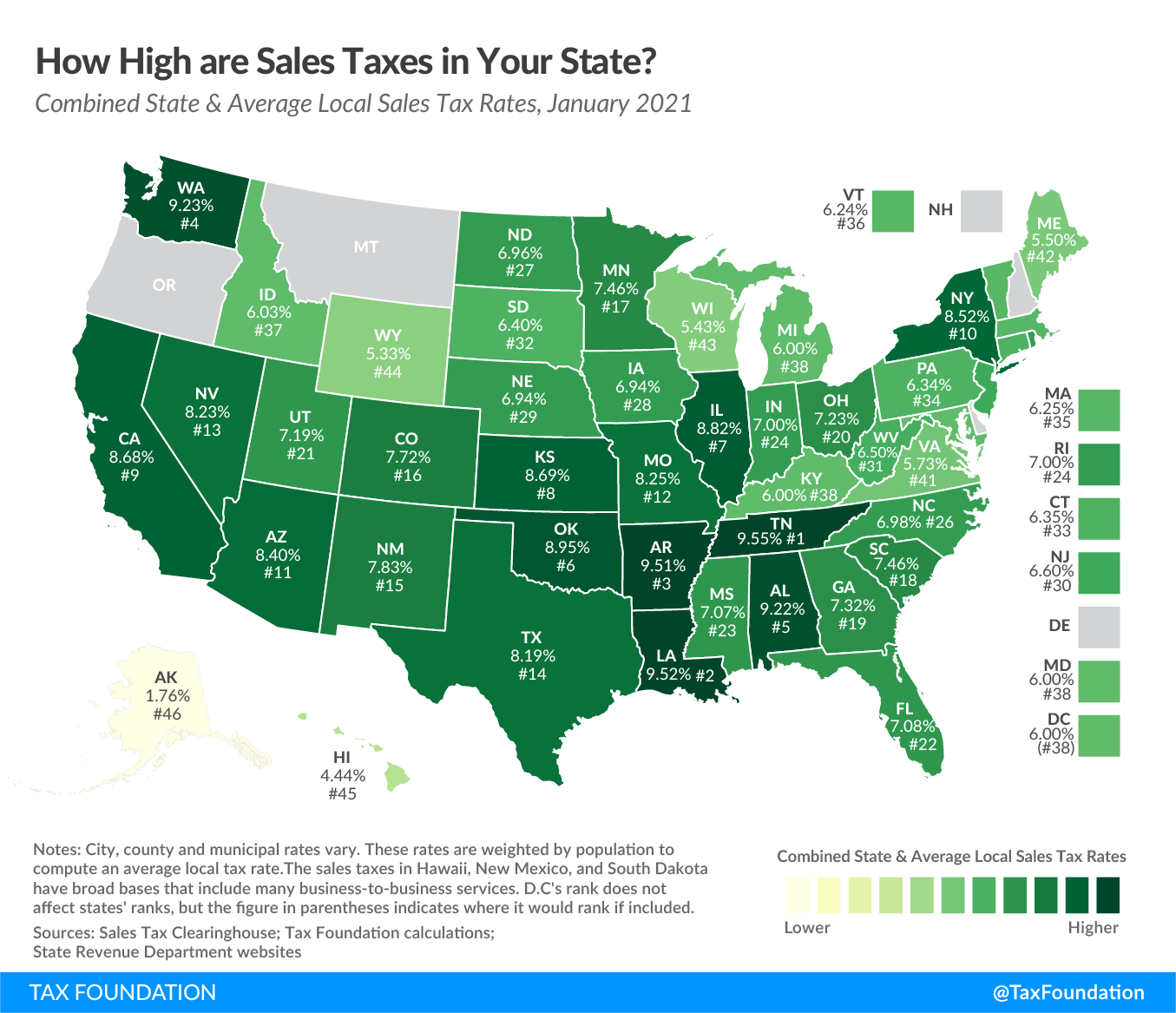
For travelers considering multiple destinations in the Mountain West, comparing Montana’s tax policy to its neighbors can be illuminating. For instance, neighboring states like Wyoming and Idaho do have sales taxes. This difference can make Montana a more attractive option for those planning to make significant purchases or for whom every dollar saved on general expenses makes a difference.
- Wyoming: Has a state sales tax that can range from 4% to 5%, plus potential local option taxes.
- Idaho: Imposes a state sales tax of 6%, with potential local option taxes.
- North Dakota: Has a state sales tax of 5%, with additional local taxes.
- South Dakota: Has a state sales tax of 4.5%, with local option taxes that can bring the total up to 7.5%.
This comparison highlights the financial advantage Montana offers to consumers specifically on retail goods and services subject to sales tax.
Frequently Asked Questions About Montana’s Sales Tax
The absence of a sales tax often sparks further inquiries from travelers and potential residents. Here are some common questions and their answers:
Are there any exceptions to the no-sales-tax rule?
While Montana does not have a general statewide sales tax, it’s important to note that certain specific industries or transactions might have other forms of taxation. For example, while not a sales tax, there could be specific excise taxes on certain goods. However, for the vast majority of retail purchases and services enjoyed by tourists, the absence of sales tax holds true. Always check with local authorities or vendors if you have specific concerns about a particular transaction.
Does this apply to online purchases made from Montana retailers?
Generally, yes. If you purchase goods online directly from a retailer located within Montana, the transaction is typically not subject to Montana sales tax. However, if the retailer has a significant presence (nexus) in your home state and you are shipping to that state, you may be subject to your home state’s sales tax laws. This is governed by complex interstate commerce regulations.
What about hotel taxes?
While Montana does not have a state sales tax on goods and services, some cities or counties may impose local lodging taxes or fees to support local tourism initiatives or infrastructure. These are usually a small percentage added to your hotel bill. It’s advisable to inquire about any local lodging taxes when booking your accommodation in specific towns or cities. For instance, a charming stay in a historic lodge in a popular tourist town might have slightly different fees than a more remote option.
How does this affect the overall cost of a vacation in Montana?
The absence of a sales tax can lead to tangible savings on purchases made during your trip. This can allow travelers to allocate more of their budget towards unique Montana experiences, dining at local establishments, or even extending their stay. The cumulative effect of not paying sales tax on everything from gasoline to souvenirs can add up, making a Montana vacation potentially more budget-friendly than visiting states with a sales tax.
The freedom from sales tax is a distinctive characteristic of traveling in Montana, adding another layer of appeal to its already breathtaking natural beauty and recreational opportunities.
LifeOutOfTheBox is a participant in the Amazon Services LLC Associates Program, an affiliate advertising program designed to provide a means for sites to earn advertising fees by advertising and linking to Amazon.com. Amazon, the Amazon logo, AmazonSupply, and the AmazonSupply logo are trademarks of Amazon.com, Inc. or its affiliates. As an Amazon Associate we earn affiliate commissions from qualifying purchases.