
Planning a getaway to the breathtaking landscapes of Montana, or perhaps contemplating a move to Big Sky Country? One of the crucial considerations for any traveler or potential resident is understanding the local tax structure. Taxes can significantly impact your travel budget, cost of living, and overall financial planning. The question, “Does Montana have a state tax?” isn’t as simple as a yes or no, as it depends on the type of tax you’re referring to. When we talk about state taxes, we typically consider income tax, sales tax, and property tax. Each of these plays a unique role in the state’s economy and your wallet.

Montana offers a compelling combination of stunning natural beauty, a vibrant outdoor lifestyle, and a distinct approach to taxation that sets it apart from many other states. This article will delve into Montana’s tax landscape, specifically addressing individual income tax, the noteworthy absence of a state sales tax, and other levies that might affect your travel plans, accommodation choices, or relocation decisions. Whether you’re an adventurer looking to explore Glacier National Park, a family planning a ski trip to Big Sky Resort, or an individual seeking a new place to call home, understanding these financial aspects is key to a smooth and enjoyable Montana experience.
Understanding Montana’s Tax Landscape: A Traveler’s and Resident’s Guide
Navigating the financial intricacies of a new state can be daunting, but Montana’s system, while unique, is relatively straightforward once you understand its core components. For both visitors and long-term residents, the state’s approach to taxation presents distinct advantages and considerations. This section will break down the primary state taxes, offering clarity on what to expect when you spend time or settle down in the Treasure State.
The Big Question: Income Tax in Big Sky Country
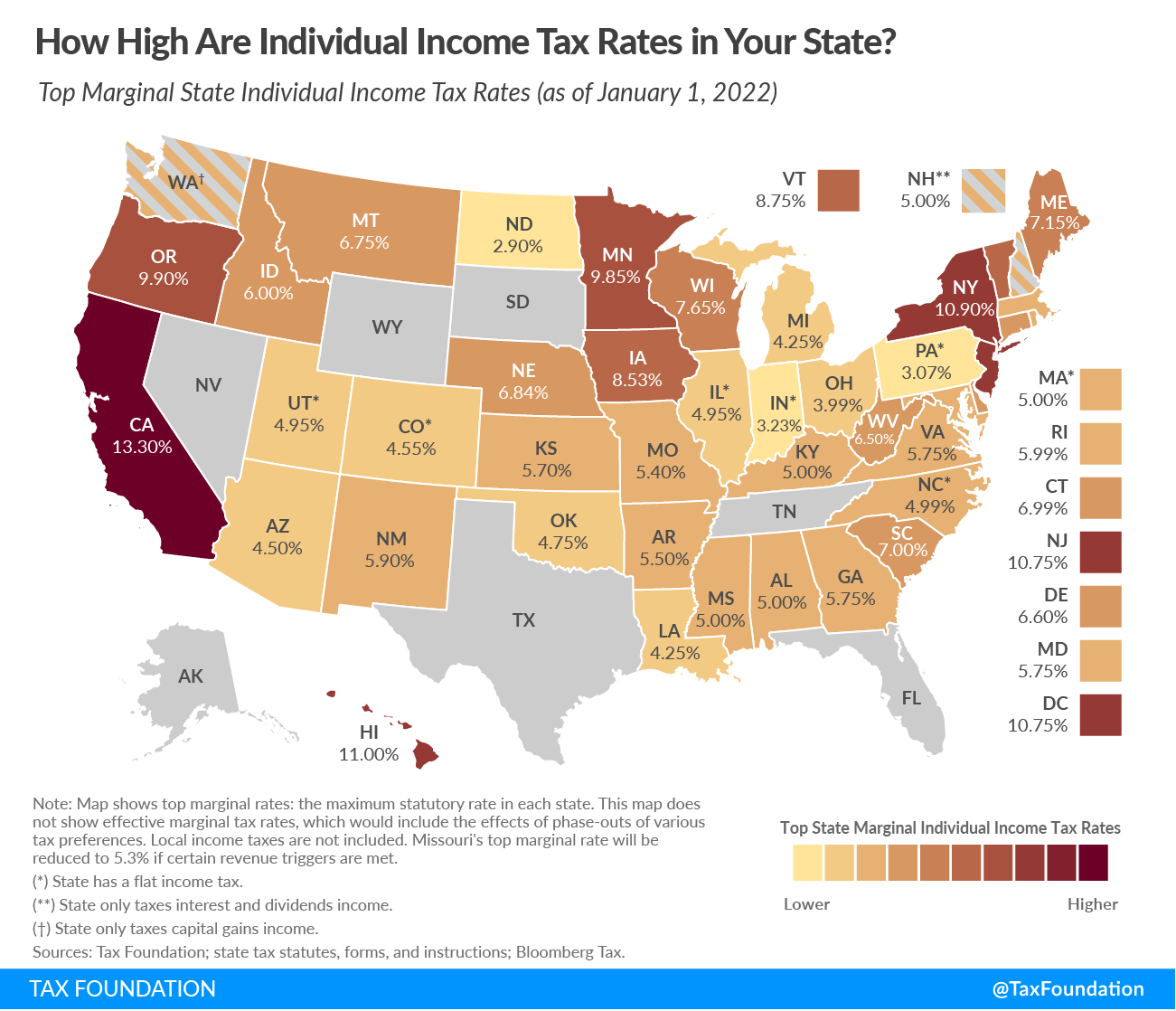
Yes, Montana does levy an individual state income tax. This is perhaps the most significant tax for residents and those earning income within the state. Unlike some states that opt for a flat tax rate, Montana employs a progressive income tax system. This means that income is taxed at different rates depending on the amount earned, with higher earners paying a higher percentage of their income in taxes.
For 2023, for example, the income tax rates in Montana ranged from 1% to 6.9%. These rates are subject to change by legislative action, so it’s always advisable to consult the latest information from the Montana Department of Revenue or a financial advisor. Residents typically file state income tax returns annually, similar to federal taxes, accounting for wages, self-employment income, and other taxable earnings. Various deductions and credits are often available, which can reduce an individual’s taxable income and, consequently, their tax liability.
For those considering a move to Montana, the income tax is an important factor in evaluating the overall cost of living and potential take-home pay. While some might be initially deterred by the presence of an income tax, it’s crucial to weigh this against other financial benefits, particularly the absence of a state sales tax, which can significantly reduce daily expenses. This balance often makes Montana an attractive option for many seeking a high quality of life amidst stunning natural surroundings. The revenue generated from income tax plays a vital role in funding essential public services, including schools, infrastructure, public safety, and state parks, which directly contribute to the quality of life enjoyed by both residents and visitors.
A Welcome Surprise for Shoppers: The Absence of State Sales Tax
Perhaps one of Montana’s most celebrated tax features, especially among travelers and retail businesses, is the complete absence of a statewide sales tax. This means that when you purchase goods or services, whether it’s a souvenir from Bozeman’s vibrant downtown, outdoor gear in Missoula, or groceries anywhere in the state, the price you see on the tag is the price you pay at the register. There are no additional percentage markups for state sales tax.
This makes Montana a shopping haven, particularly for those coming from states with high sales tax rates. It simplifies budgeting for everyday expenses and makes larger purchases, such as electronics or furniture, potentially more affordable. For tourists, this translates to more discretionary income for attractions, dining, or accommodations. Many visitors from neighboring states, or even further afield, make special trips to Montana to take advantage of tax-free shopping, particularly during peak tourism seasons.
It is important to note that while there is no state sales tax, specific local jurisdictions might impose very narrow, specialized taxes on certain services or goods. However, these are rare and not broad sales taxes as typically understood. The overarching rule is that consumers in Montana enjoy tax-free purchases on most retail items. This unique fiscal policy contributes significantly to the state’s appeal, enhancing the overall budget travel experience for many, while also offering a significant perk for residents in their daily spending.
Beyond Income and Sales: Other Key Taxes Affecting Your Montana Experience
While income and sales taxes are often the first to come to mind, a comprehensive understanding of Montana’s tax structure requires looking at other levies that impact specific aspects of travel, tourism, and residential life. These taxes, though perhaps less broad in scope, are vital for funding targeted services and can influence your choices regarding where to stay, what to drive, and even what leisure activities you pursue.
Lodging and Hospitality Taxes: What Tourists Should Know
For visitors, the most relevant taxes after the absence of sales tax will be those related to accommodation and hospitality. Montana does impose a statewide lodging tax, which is applied to overnight stays at hotels, motels, bed and breakfasts, resorts, vacation rentals (like those found on Airbnb or VRBO), and campgrounds. As of the current regulations, the state lodging facility use tax is 4%. Additionally, some local jurisdictions, particularly popular tourist destinations, may impose an additional local option resort tax. For instance, towns like Whitefish, Big Sky, and West Yellowstone, which are major gateways to Glacier National Park and Yellowstone National Park, have enacted resort taxes. These can add anywhere from 1% to 3% (or more) to your bill, primarily on retail sales, lodging, and sometimes services.
It is crucial for travelers to factor these taxes into their accommodation booking budgets. When browsing hotels or resorts such as The Lodge at Whitefish Lake or Paws Up Resort, be sure to check the “total price” which should include these levies. The revenue generated from these lodging and resort taxes is specifically earmarked for promoting tourism, enhancing visitor services, and improving infrastructure that benefits both residents and tourists alike. This means your contribution directly supports the very destinations and attractions you’ve come to enjoy, such as maintaining state parks, historical landmarks, and scenic byways.
Property Taxes: A Look at Homeownership and Investment
For those considering long-term stays, purchasing vacation homes, or relocating to Montana, property taxes are a significant financial consideration. Montana collects property taxes at both the state and local levels. These taxes are assessed on real property, including land and structures, and are a primary source of funding for local government services such as public schools, fire departments, law enforcement, and county services.
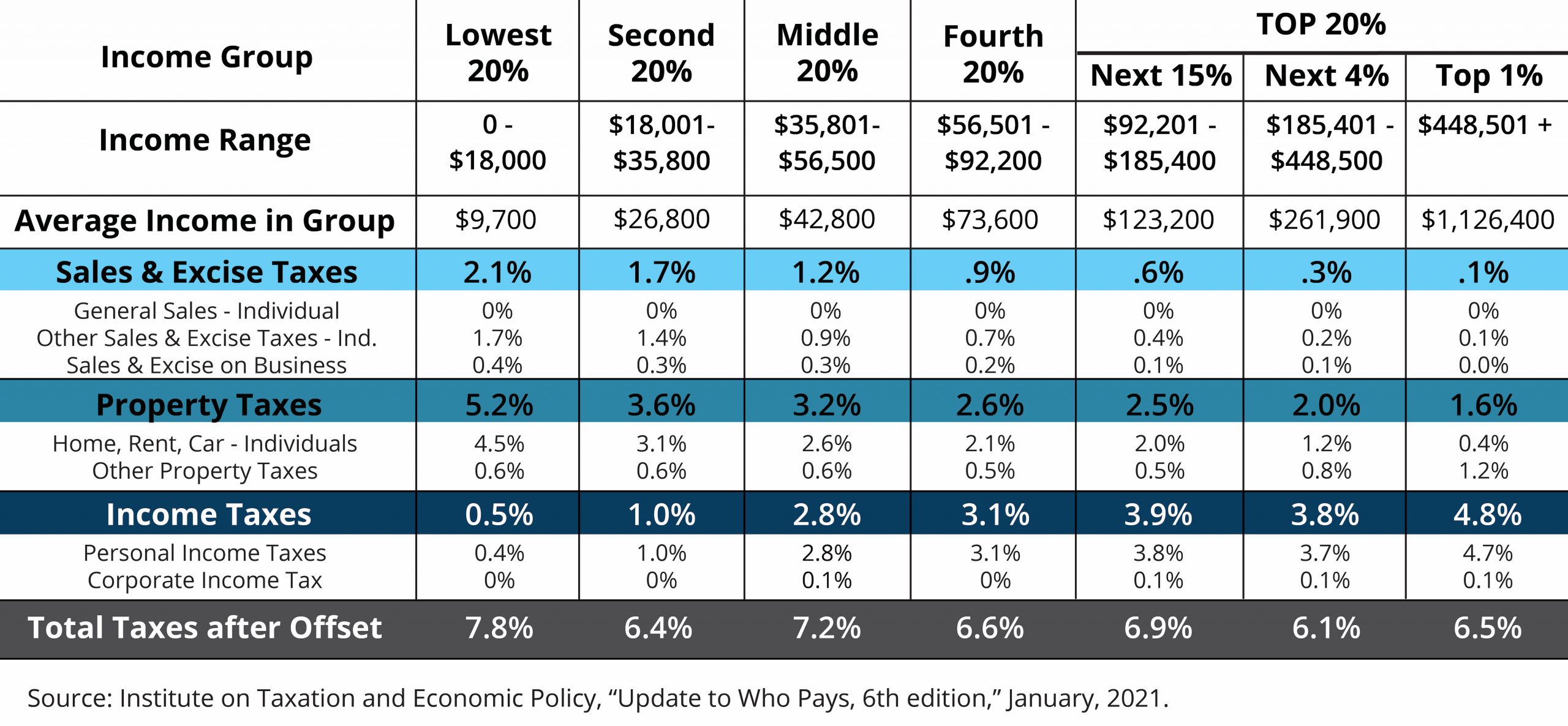
Property tax rates are not uniform across the state but vary significantly depending on the county, city, and specific taxing districts. The assessed value of a property, which is determined by county assessors, is multiplied by a tax rate (or “mill levy”) to calculate the annual tax bill. Recent years have seen substantial growth in property values in popular areas like Bozeman, Kalispell, and around Flathead Lake, which, in turn, can lead to higher property tax obligations for homeowners.
Investing in real estate in Montana, whether it’s a charming historic home, a modern apartment, or a sprawling ranch property, requires a careful understanding of these taxes. Prospective buyers should always research the specific property tax rates for the area they are interested in. While the absence of a state sales tax can offset some expenses, property taxes can be a substantial ongoing cost for landowners and can influence decisions on where to buy and how large a property to acquire, especially for those interested in villas or luxury travel accommodations.
Fueling Your Adventure: Gas and Other Excise Taxes
Exploring the vast expanses of Montana often involves extensive driving, from cruising the scenic Going-to-the-Sun Road in Glacier National Park to embarking on a road trip through the Rocky Mountains. Therefore, the state’s gasoline tax is a relevant consideration for anyone planning to travel by vehicle. Montana levies an excise tax on gasoline and diesel fuel, which contributes to the maintenance and construction of the state’s roads, bridges, and highways. While this tax is included in the pump price, it’s an indirect cost that adds to your travel budget. The amount per gallon can fluctuate, so checking current gas prices is always a smart tip for budget planning.
Beyond fuel, Montana also imposes various other excise or “sin” taxes on specific goods, such as tobacco products and alcoholic beverages. These taxes are typically built into the retail price of these items. While not directly linked to general travel or accommodation, they can affect the overall cost of a vacation for those who consume these products. For instance, enjoying local craft beers in Missoula or Bozeman will reflect these taxes in the price. Similarly, if you rent a vehicle to explore the state, there may be specific rental car taxes or fees that apply, contributing to the total cost of your transportation. These taxes, though seemingly minor individually, collectively ensure that the necessary infrastructure and public services are funded, which ultimately enhances the traveler and resident experience in Montana.
How Montana’s Tax Structure Influences Travel, Lifestyle, and Investment
Montana’s unique tax environment creates a distinct economic landscape that significantly impacts decision-making for both temporary visitors and prospective long-term residents. From how you budget for a vacation to where you choose to invest your resources, the state’s taxation policies are intertwined with its appeal as a destination and a place to live.
Budgeting for Your Montana Getaway: Tips for Travelers
For travelers, Montana’s tax structure offers a mix of advantages and considerations. The most notable benefit is the absence of a state sales tax. This means that your souvenir shopping, purchases of outdoor gear from local outfitters, or even just daily necessities won’t be subject to an extra percentage at checkout, allowing your budget to stretch further. Savvy shoppers often highlight this as a major perk, especially when considering higher-value items. This makes shopping in cities like Missoula, Bozeman, or Kalispell a more straightforward and often more affordable experience.
However, visitors must remember the lodging taxes. When booking hotels, resorts, or vacation rentals for your stay, anticipate the statewide 4% lodging tax, plus any local resort taxes in popular areas such as Big Sky, Whitefish, or West Yellowstone. Always check the total price, inclusive of all taxes and fees, before confirming your reservations. For instance, a stay at a DoubleTree by Hilton in Billings or an Holiday Inn Express near Glacier National Park will have these taxes applied.
Furthermore, given the vast distances between Montana’s renowned landmarks like Yellowstone National Park, the Museum of the Rockies, or Pictograph Cave State Park, fuel costs can accumulate. While there’s a state gas tax, it’s generally comparable to other states. Planning your routes efficiently and consolidating drives can help manage these expenses. Overall, with careful planning and an awareness of these specific taxes, a Montana getaway can be both spectacular and financially manageable, offering exceptional value for its unparalleled natural beauty and outdoor activities.
Relocating to Montana: What to Expect from a Lifestyle Perspective
For individuals and families considering a permanent move to Montana, the tax structure plays a significant role in assessing the overall lifestyle and cost of living. The presence of a progressive state income tax is often the primary concern for potential residents. However, this is frequently balanced by the complete absence of a state sales tax, which means lower daily expenses on consumer goods, clothing, and groceries. For many, the tax savings on purchases can partially, or even entirely, offset their income tax liability, depending on spending habits and income level.
Property taxes, however, can be a considerable factor, especially in highly desirable areas that have seen rapid growth, such as around Bigfork or Livingston. Housing costs and property taxes in these regions have surged, impacting affordability. Prospective residents should diligently research specific county and city property tax rates when evaluating communities like Helena, Great Falls, or Missoula.
Beyond the financial aspects, the lifestyle in Montana is deeply intertwined with its natural environment. The tax revenue supports state parks, trails, and public lands, ensuring continued access to world-class outdoor activities such as hiking, fishing, skiing, and hunting. The no-sales-tax benefit also makes stocking up on outdoor gear more appealing. For many, the pristine environment, access to vast wilderness areas like those accessible via the Lewis and Clark National Historic Trail, and a strong sense of community outweigh the state income tax considerations. Whether you’re seeking a serene escape, a vibrant culture in cities like Bozeman, or a place to raise a family close to nature, Montana offers a unique and fulfilling lifestyle that many find irresistible.
Investing in Montana’s Tourism and Real Estate Market
Montana’s growing popularity as a travel destination and a desirable place to live has created robust opportunities for investment, particularly in tourism and real estate. The tax structure plays a role in shaping these investment landscapes. The absence of a state sales tax can be attractive for retail and service-based businesses, as it potentially lowers operational costs and enhances consumer purchasing power. This environment encourages entrepreneurs in the hospitality sector to consider opening boutique hotels, restaurants, or unique attractions to cater to the increasing influx of visitors.
The booming tourism industry also fuels demand for accommodation options, ranging from luxury resorts to long-term rentals and vacation properties. Investors looking into vacation rentals or hotels should factor in the state and local lodging taxes, as these contribute to the operating expenses and ultimate profitability. However, the consistent demand from tourists, particularly those seeking luxury travel experiences in areas like Big Sky and Whitefish, often makes these investments highly lucrative despite the taxes.
In real estate, the strong appreciation in property values, driven by both inward migration and demand for vacation homes, presents appealing prospects for investors. While property taxes can be a notable recurring cost, the potential for capital gains and rental income, especially in scenic or amenity-rich locations, remains strong. Understanding the local tax environment, coupled with market trends, is essential for any savvy investor looking to capitalize on Montana’s enduring appeal. Whether it’s developing new resorts with top-tier amenities or acquiring properties for long-term stays, Montana offers a dynamic market where strategic tax awareness can lead to successful ventures.
In conclusion, Montana indeed has a state income tax and various other targeted taxes like lodging and property taxes. However, its significant differentiator, the absence of a state sales tax, profoundly influences its economic appeal for both travelers and residents. This unique blend of taxation policies contributes to the state’s distinct character, making it a truly unique destination and home in the American West. Understanding these nuances is key to fully appreciating and navigating the financial landscape of Big Sky Country.
LifeOutOfTheBox is a participant in the Amazon Services LLC Associates Program, an affiliate advertising program designed to provide a means for sites to earn advertising fees by advertising and linking to Amazon.com. Amazon, the Amazon logo, AmazonSupply, and the AmazonSupply logo are trademarks of Amazon.com, Inc. or its affiliates. As an Amazon Associate we earn affiliate commissions from qualifying purchases.