
For many contemplating a visit, an extended stay, or even a permanent move to the breathtaking landscapes of the American West, financial considerations often sit at the forefront of their planning. One of the most common questions that arise for those eyeing the vast, scenic expanse of Montana – the “Treasure State” – is about its tax structure, particularly regarding state income tax. The answer, in short, is yes: Montana does levy a state income tax on its residents. However, understanding the nuances of this tax, and how it interplays with other aspects of the state’s financial landscape, is crucial for anyone looking to optimize their travel budget, assess the cost of living for a lifestyle change, or even consider investment opportunities in its thriving tourism and accommodation sectors.
This isn’t merely a dry financial detail; for a traveler, a digital nomad, or someone dreaming of a different pace of life, Montana’s tax policies can significantly influence their decision-making process. The financial implications extend beyond just how much you pay from your paycheck; they touch upon the affordability of accommodations, the cost of daily excursions, and the overall economic viability of making Montana a travel destination or a new home. As we delve into the specifics, we’ll explore how Montana’s tax environment, particularly its income tax, shapes the experience for visitors and residents alike, often counterbalanced by unique advantages that enhance its appeal.
Understanding Montana’s Income Tax Structure for Visitors and Residents
When considering a destination for travel or relocation, the state’s income tax system is a key factor that can influence everything from your daily spending power to your long-term financial planning. Montana’s approach to individual income tax is progressive, meaning higher earners pay a larger percentage of their income in taxes. This structure is designed to fund various state services that contribute to the quality of life and infrastructure that visitors and residents enjoy, from maintaining state parks and historic landmarks to supporting local communities.
Key Aspects of Montana’s Individual Income Tax
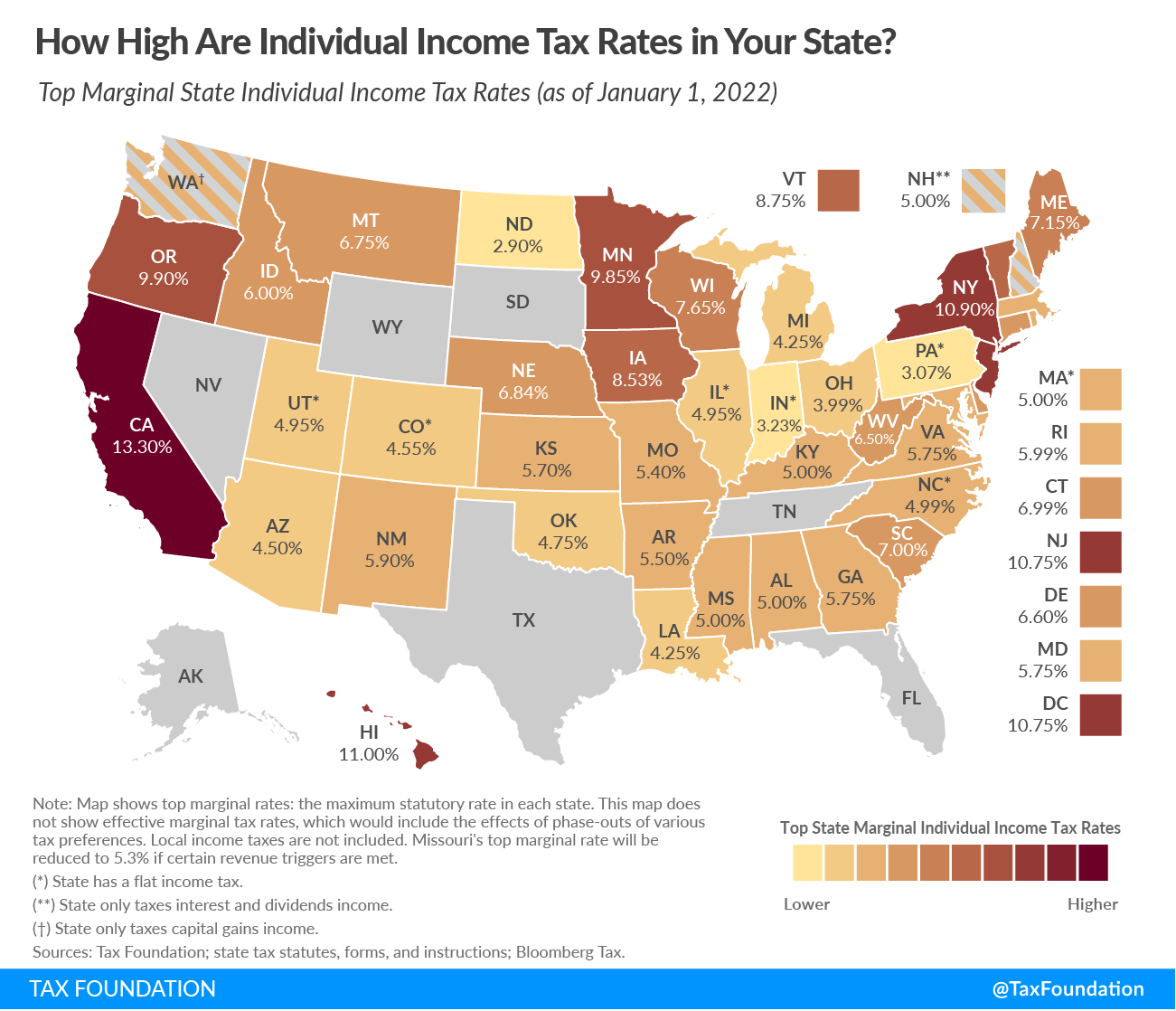
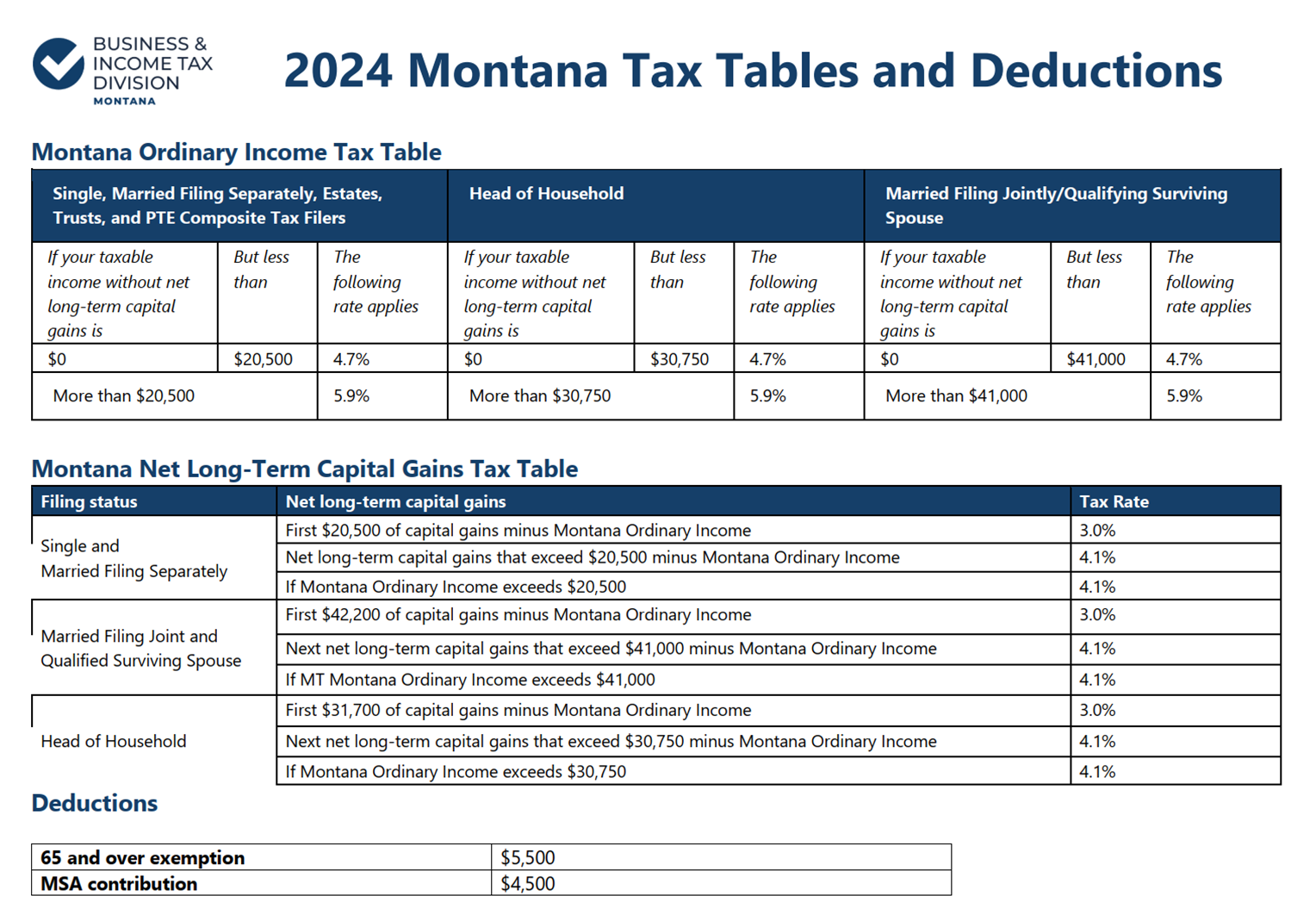
Montana’s individual income tax applies to the taxable income of residents and to income earned within the state by non-residents. For residents, this typically includes wages, salaries, business profits, and investment income. The state employs a tiered system, with tax rates that generally adjust annually. Historically, these rates have ranged from relatively low percentages for the lowest income brackets to a higher top rate for the highest earners. This progressive nature is a common feature in many U.S. states but stands in contrast to the nine states that currently impose no state income tax at all.
For a remote worker or a digital nomad considering a prolonged stay in a place like Bozeman or Missoula, understanding these brackets is crucial. Your tax liability will depend on your income level, filing status, and any applicable deductions or credits. Montana allows for standard deductions or itemized deductions, similar to federal tax law, which can help reduce your taxable income. There are also personal exemptions and dependent exemptions that further tailor the tax burden to individual circumstances. For those exploring a “workation” or an extended period of living in a rented apartment or villa while working remotely, familiarizing yourself with these details can lead to significant savings or, at least, accurate budgeting. Furthermore, individuals considering a lifestyle that involves purchasing a vacation rental or investing in a small hospitality business will need to factor in these income tax implications when forecasting their potential net earnings.
How State Taxes Impact Travel Budgets and Lifestyle Choices
The presence of a state income tax in Montana naturally leads to questions about how this affects overall affordability, especially when compared to states without such a tax. For instance, travelers accustomed to destinations like Wyoming, Nevada, Texas, Florida, Washington, South Dakota, or Alaska – all of which boast no state income tax – might initially perceive Montana as a more expensive option. Even Tennessee and New Hampshire, while taxing investment income, do not tax earned wages.
However, this comparison is often too simplistic. The impact of income tax on a travel budget or a lifestyle choice for an extended stay needs to be seen in context. For the average tourist on a short trip, the income tax has virtually no direct impact on their spending, unless they’re earning income within Montana during their visit. For someone considering a move, or a long-term business stay, the income tax becomes a more tangible factor in the overall cost of living. It influences how much disposable income is left after taxes, which in turn affects choices between luxury travel experiences, such as staying at a high-end resort in Big Sky Resort, or more budget-friendly accommodations like a charming bed and breakfast in Kalispell.
The calculation often extends to the job market and economic opportunities. A higher-paying job in Montana might still result in a better financial outcome than a lower-paying job in a no-income-tax state, depending on other cost-of-living factors like housing, which varies wildly. For families planning a longer trip or exploring educational opportunities, understanding the complete tax picture is part of budgeting for school supplies, activities, and general household expenses. Ultimately, while the income tax is a line item to consider, it rarely tells the whole story of financial viability or the overall value of experiencing Montana’s unique offerings.
Beyond Income Tax: Montana’s Overall Tax Landscape and its Appeal
While the presence of a state income tax is a definite consideration, it’s crucial not to view it in isolation. Montana’s broader tax landscape offers other characteristics that significantly offset the income tax, particularly for travelers and those considering a more permanent presence. Understanding these other tax components provides a more balanced and often more attractive picture of the state’s financial environment. This holistic view is vital for anyone planning their finances around a trip, an accommodation booking, or a lifestyle shift.
Property Taxes and Accommodation Costs
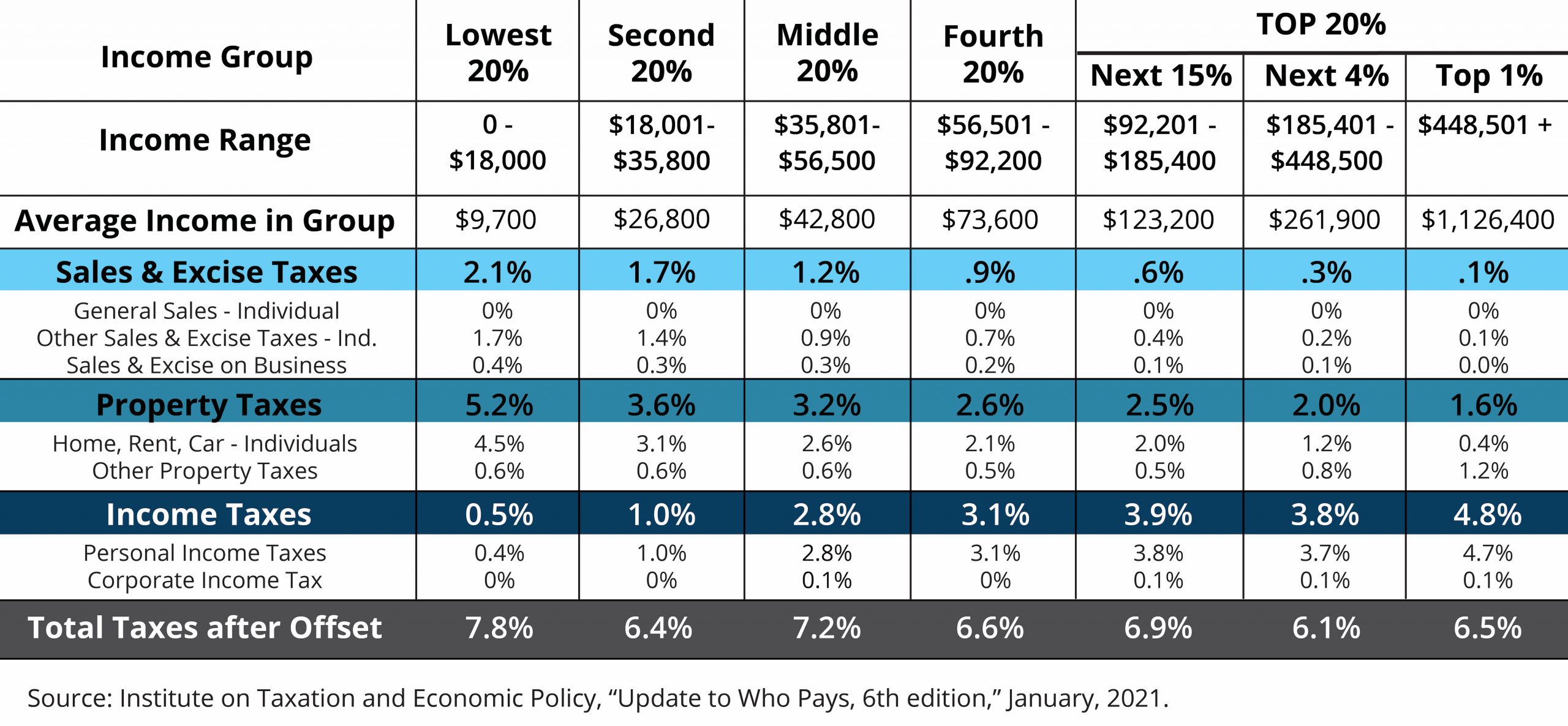
Property taxes in Montana are levied at the local level by counties, cities, and school districts, and they contribute significantly to funding local services. The rates can vary widely depending on the specific location and the assessed value of the property. For individuals considering purchasing a vacation home, a long-term rental property, or even investing in a hotel or resort, property taxes are a substantial ongoing expense. For example, property values and thus property taxes in popular tourist destinations like Bozeman or near Glacier National Park can be considerably higher than in more rural areas.
These property taxes indirectly influence accommodation costs for travelers. Owners of hotels, suites, apartments, and villas pass these costs on through nightly rates. Therefore, when comparing booking options, particularly for extended stays, understanding the local property tax environment helps explain some of the price variations you might encounter. For instance, the cost of a long-term stay in an upscale apartment in Helena, the state capital, will reflect the local property tax burden on the landlord. Despite this, Montana’s property tax burden is generally considered moderate compared to some other states, especially when factored against the often higher property values in coastal or densely populated regions elsewhere in the U.S. This moderation can make investment in accommodations, from boutique hotels to vacation rentals, an attractive proposition for entrepreneurs looking to tap into Montana’s growing tourism market.
Sales Tax (or lack thereof) – A Traveler’s Advantage
Perhaps the most significant financial advantage for visitors and residents in Montana, and a considerable offset to the state income tax, is the complete absence of a statewide sales tax. This is a massive boon for tourists and a distinct feature that sets Montana apart from most other states. When you buy goods or services in Montana, the price you see is the price you pay, without an additional percentage tacked on at the register.
This lack of sales tax has a direct and positive impact on a traveler’s budget. It means that purchasing souvenirs, outdoor gear for adventures in the Rockies, local crafts, groceries, restaurant meals, and even clothing comes without the extra cost commonly found elsewhere. For a family vacation, the savings on daily necessities, dining experiences, and activity-related purchases can add up significantly over the course of a trip. Imagine exploring the charming shops of Whitefish or picking up provisions in Great Falls without that extra 5-10% sales tax on every transaction. This makes shopping for gifts, stocking up on supplies for a Glacier National Park camping trip, or indulging in local cuisine more budget-friendly.
The absence of sales tax also makes Montana an attractive destination for certain types of business or specialized purchases, drawing visitors from neighboring states. This unique aspect contributes to the overall tourism appeal, encouraging longer stays and more spending within the local economy, benefiting hotels, restaurants, and attractions across the state. It allows travelers to allocate more of their budget directly to experiences, comfortable accommodations, or local products, enhancing the value of their visit to the “Big Sky Country.”
Montana’s Unique Appeal: Where Taxes Meet Tourism and Lifestyle
The discussion of Montana’s tax structure, while inherently financial, inevitably leads to a broader conversation about its unique appeal as a travel destination and a place to live. The state’s tax environment, when viewed comprehensively, plays a subtle yet significant role in shaping the tourism industry, influencing lifestyle choices, and attracting specific types of visitors and residents. It’s in the intersection of fiscal policy and unparalleled natural beauty that Montana truly defines its character.
Investing in Montana’s Tourism and Hospitality Sector
The combination of a moderate income tax, manageable property taxes (compared to some hotspots), and the complete absence of a sales tax creates an interesting environment for investment in Montana’s booming tourism and hospitality sector. For entrepreneurs and investors, the lack of sales tax on business purchases and consumer transactions can contribute to a healthier bottom line, especially for businesses heavily reliant on retail sales, food and beverage, or accommodation services.
This favorable structure, coupled with the state’s undeniable allure, makes Montana an attractive location for developing new hotels, resorts, and unique accommodation experiences. From luxury lodges nestled near Yellowstone National Park’s northern entrance to charming boutique hotels in historic towns like Philipsburg, or even innovative glamping sites along the Missouri River, the investment potential is clear. The growth in tourism necessitates a parallel growth in quality accommodations and related services. Investors are drawn to the promise of capturing a share of the increasing number of travelers eager to explore Montana’s national parks, ski resorts like Big Sky Resort, and vast wilderness areas.
Furthermore, the tax structure can be beneficial for small businesses offering guided tours, outdoor equipment rentals, or local culinary experiences. The ability to offer competitive pricing without adding sales tax can give Montana businesses an edge, enhancing the overall value proposition for tourists. This fosters a vibrant local economy that supports a diverse range of travel experiences, from thrilling adventures to serene retreats. The emphasis on local culture, food, and authentic activities, central to the state’s tourism strategy, is thus indirectly supported by a tax system that encourages consumer spending and business development.
Lifestyle and Relocation: Balancing Taxes with the Big Sky Country Dream
For many, the dream of living in Montana transcends mere financial calculations. It’s about embracing a lifestyle deeply connected to nature, with unparalleled access to outdoor activities such as skiing, hiking, fishing in the Yellowstone River, and wildlife viewing. The allure of the “Big Sky Country” is powerful, drawing individuals and families seeking a slower pace, stunning natural beauty, and a strong sense of community. When considering relocation, the state income tax becomes part of a larger equation that balances financial realities with quality of life.
While the income tax is present, many find it to be a fair trade-off for the numerous advantages Montana offers. The absence of sales tax significantly reduces the cost of everyday living, making necessities and discretionary purchases more affordable. This can effectively put more money back into residents’ pockets for things like recreation, travel within the state (e.g., exploring Flathead Lake), or even saving for future adventures. Moreover, the cost of living, particularly housing, outside of the most sought-after cities like Bozeman and Missoula, can still be more affordable than in comparable scenic regions elsewhere.
The lifestyle in Montana offers a unique blend of rugged individualism and modern amenities. From bustling tourist towns with vibrant arts scenes to tranquil communities in the Bitterroot Valley, there’s a setting for various preferences. For those seeking adventure, a stay at a traditional Dude Ranch or exploring sections of the Lewis and Clark Trail offers experiences unparalleled elsewhere. The decision to move to or spend extended periods in Montana often comes down to weighing the financial aspects, including income tax, against the immense value of its natural resources, the quality of outdoor life, and the unique cultural experiences. For many, the pristine environment, the sense of freedom, and the myriad opportunities for exploration make the income tax a minor consideration in the grand scheme of living the Montana dream.
In conclusion, while Montana does have a state income tax, it’s essential to understand its role within the broader fiscal landscape. This tax is part of a system that funds the very infrastructure and services that enhance the travel and living experience in the state. Crucially, the income tax is significantly offset by the complete absence of a statewide sales tax, which provides tangible savings for both visitors and residents on nearly all purchases. This unique combination, coupled with relatively moderate property taxes in many areas, contributes to Montana’s overall appeal. For travelers, this means a destination where budgeting for experiences, accommodation, and local goods can be more transparent and potentially more cost-effective in certain regards. For those considering a lifestyle change or investment in the burgeoning tourism sector, Montana presents a balanced financial environment that supports a high quality of life amidst one of America’s most spectacular natural settings. The “Treasure State” truly lives up to its name, offering riches that extend far beyond financial considerations, encompassing unforgettable adventures and a unique way of life.
LifeOutOfTheBox is a participant in the Amazon Services LLC Associates Program, an affiliate advertising program designed to provide a means for sites to earn advertising fees by advertising and linking to Amazon.com. Amazon, the Amazon logo, AmazonSupply, and the AmazonSupply logo are trademarks of Amazon.com, Inc. or its affiliates. As an Amazon Associate we earn affiliate commissions from qualifying purchases.