
Montana, often celebrated as the “Big Sky Country,” conjures images of majestic mountains, vast prairies, and a wilderness seemingly untouched by the hurried pace of modern life. It’s a destination revered for its stunning natural beauty, from the snow-capped peaks of the Rocky Mountains to the expansive golden plains that stretch toward the horizon. Travelers flock to this northwestern United States jewel for its national parks, pristine rivers, and unparalleled outdoor adventures.
However, as with any destination, understanding the local climate and potential natural phenomena is crucial for a safe and enjoyable travel experience. A question that occasionally surfaces, especially for those unfamiliar with the state’s diverse geography, is: Does Montana have tornadoes? The direct answer is yes, Montana does experience tornadoes. While not as frequently or intensely as the states typically associated with “Tornado Alley,” these powerful swirling storms are a documented part of the meteorological landscape.

This article delves into the specifics of tornado activity in Montana, exploring the unique geographical and atmospheric conditions that contribute to their formation, their frequency and intensity, and, most importantly, how travelers can stay informed and safe while exploring this magnificent state. Understanding these weather patterns isn’t meant to deter visitors but rather to empower them with knowledge, ensuring their journey through the Big Sky Country is as safe and awe-inspiring as intended.
The Meteorological Landscape of Big Sky Country
Montana’s geographical position is a primary determinant of its weather patterns, including its susceptibility to tornadoes. The state serves as a fascinating transition zone where different climatic influences converge, creating conditions ripe for a variety of weather phenomena.
A Confluence of Climates
Montana’s unique setting is where the rolling expanse of the Great Plains in the east meets the rugged, towering ranges of the Rocky Mountains in the west. This geographical juxtaposition is key to understanding its weather. The eastern two-thirds of the state share many characteristics with the High Plains, a region known for its dynamic weather. Here, during late spring and early summer, warm, moist air masses originating from the Gulf of Mexico often surge northward. This moist air frequently collides with cooler, drier air descending from the north or west, often influenced by the mountains.
The interaction of these contrasting air masses, combined with strong upper-level winds and atmospheric instability, creates the classic recipe for severe thunderstorms, which can sometimes spawn tornadoes. The elevated terrain of the plains, rising gently towards the Rocky Mountains, also plays a role. Orographic lift, where air is forced upwards by terrain, can enhance storm development, adding another layer of complexity to Montana’s meteorological profile.
Tornado Alley’s Lesser-Known Extension
When most people think of “Tornado Alley,” states like Texas, Oklahoma, Kansas, and Nebraska immediately come to mind. While these states certainly bear the brunt of tornado activity in the United States, the atmospheric conditions that fuel these storms don’t abruptly end at state lines. The eastern portion of Montana, along with parts of Wyoming and the Dakotas, is often considered an extension of this broader region susceptible to severe weather.
The primary difference lies in the frequency and intensity. While the ingredients for tornadoes exist, they are typically less consistently present and less potent than further south. This doesn’t mean Montana is immune, but rather that its tornado risk is lower and its occurrences are generally less catastrophic than those experienced in the heart of “Tornado Alley.” For travelers, this distinction is important: awareness is key, but extreme panic is generally unwarranted.
Unpacking Montana’s Tornado Statistics
To provide a clearer picture for travelers, it’s helpful to look at the numbers and understand where and when tornadoes are most likely to occur in Montana. Data collected over decades by meteorological agencies paints an insightful picture.
Frequency and Intensity
Compared to the traditional “Tornado Alley” states, Montana’s tornado frequency is considerably lower. On average, the state experiences between 5 to 10 tornadoes annually, though this number can fluctuate significantly from year to year. For instance, some years might see only a couple, while others, particularly those with favorable atmospheric conditions, might record over a dozen.
The vast majority of tornadoes in Montana are classified as weaker storms, typically EF0 or EF1 on the Enhanced Fujita scale. These tornadoes are capable of causing minor damage, such as tearing shingles off roofs, damaging gutters, or snapping small tree branches. While certainly destructive to anything in their path, they rarely pose a widespread threat to communities. However, it’s crucial to acknowledge that stronger tornadoes, rated EF2 or EF3, are not unheard of. These more powerful storms, capable of significant damage, including structural harm to well-built homes, occur occasionally, underscoring the need for vigilance. Fatalities from tornadoes in Montana are extremely rare, a testament to their lower intensity and the state’s sparse population in the most susceptible areas. Resources like the National Weather Service and the Storm Prediction Center provide historical data and real-time alerts that are invaluable for understanding these patterns.
Peak Season and Geographic Hotspots
The tornado season in Montana typically spans from late spring through early summer, with the peak months being May, June, and July. This period coincides with the most active mixing of warm, moist air and cooler, dry air masses, coupled with strong upper-level winds. Travelers planning trips during these months, particularly to eastern parts of the state, should be more attuned to weather forecasts.
Geographically, the risk is not evenly distributed across Montana. The eastern two-thirds of the state, which lies within the Great Plains region, is significantly more prone to tornado activity. Cities like Billings, Great Falls, and the surrounding rural areas experience a higher probability of severe thunderstorms and potential tornado formation. This is due to the unobstructed flow of air masses and the relatively flat terrain that allows storm systems to organize more effectively.
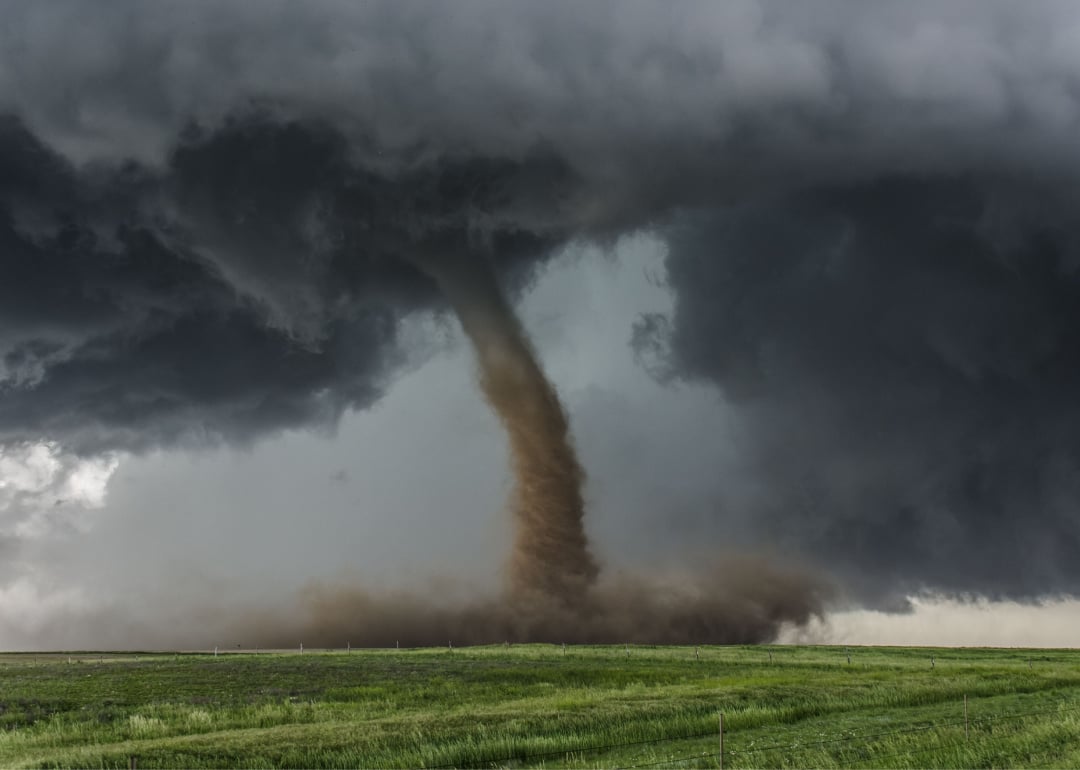
Conversely, western Montana, dominated by the Rocky Mountains, sees very few, if any, tornadoes. The mountainous topography tends to disrupt the atmospheric conditions necessary for tornado development. Airflow is often turbulent and less conducive to the stable, rotating updrafts required for tornadogenesis. Therefore, travelers venturing into areas like Missoula, Bozeman, or the national parks in the western part of the state can generally expect a much lower, almost negligible, risk of encountering a tornado.
Travel Safety: Navigating Tornado Season in Montana
While the overall risk of encountering a tornado in Montana is low for most travelers, especially outside the peak season and primary risk zones, preparedness is a cornerstone of safe travel. Being informed can make all the difference should severe weather arise.
Essential Preparedness for Visitors
The first step in staying safe is to stay informed. When traveling in Montana during the late spring and summer months, especially in the eastern plains, make monitoring local weather forecasts a daily habit. Utilize reliable weather apps on your smartphone, tune into local radio or TV broadcasts, or consider carrying a NOAA weather radio, particularly if you plan on extended stays in remote areas.
Understanding the difference between a tornado watch and a tornado warning is critical. A tornado watch means that conditions are favorable for tornadoes to develop in or near the watch area. This is the time to review your safety plan and be prepared to take action. A tornado warning means a tornado has been sighted or indicated by radar and poses an imminent threat to the warned area. Immediate action is required.
What to Do During a Tornado Event
If you find yourself in a tornado warning area while traveling in Montana, knowing what to do can be life-saving:
- If outdoors: Seek sturdy shelter immediately. If no substantial building is available, lie down in a ditch or other low-lying area and cover your head with your arms. Be aware of flying debris.
- If in a vehicle: Do not attempt to outrun a tornado in a car. Vehicles offer minimal protection. Abandon the vehicle and seek robust shelter or lie in a low-lying area away from the road.
- If in a building: Head to the lowest level of the building, such as a basement or storm cellar. If no underground shelter is available, go to an interior room or hallway on the lowest floor, away from windows, and get under something sturdy like a heavy table.
- If in an RV or camping: Recreational vehicles, tents, and mobile homes offer virtually no protection from tornadoes. Seek community shelters, designated storm shelters, or the strongest permanent building available in the area. Many campgrounds and state parks have emergency plans in place; familiarize yourself with them upon arrival.
Lodging and Emergency Plans
When booking accommodation in eastern Montana, especially in smaller towns, it’s wise to inquire about the establishment’s emergency procedures. Ask if they have a designated shelter area or a plan for guests in the event of severe weather. Many modern hotels and motels are constructed to higher safety standards, but knowing where to go in an emergency can reduce stress and response time. Familiarize yourself with the layout of your lodging and identify potential safe zones, such as interior hallways or ground-floor bathrooms, upon arrival.
Beyond Tornadoes: A Broader Weather Perspective for Montana Travelers
While tornadoes are a legitimate, albeit infrequent, concern for travelers in specific parts of Montana, they represent only one facet of the state’s diverse and often unpredictable weather. A holistic understanding of Montana’s climate will better prepare any visitor for a truly comprehensive travel experience.
Diverse Climates and Seasonal Considerations
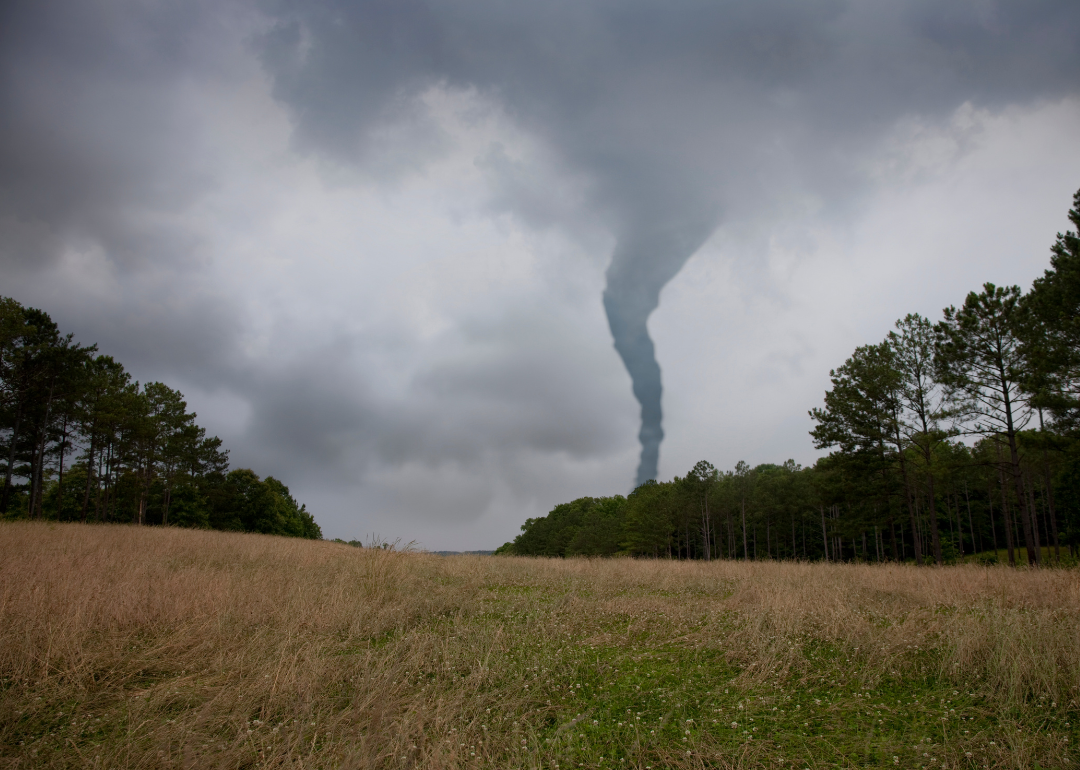
Montana’s sheer size and varied topography mean that weather conditions can differ dramatically from one region to another and can change rapidly.
- Winter (November – March): Expect heavy snowfall, blizzards, and extreme cold, especially in the mountains and northern plains. Road closures, particularly mountain passes, are common. Travelers planning winter visits to destinations like Yellowstone National Park or Glacier National Park must be prepared for harsh conditions.
- Spring (April – May): A transitional season, spring brings unpredictable weather, including late-season snowstorms, significant rainfall, and rising river levels due to snowmelt, which can lead to localized flooding. This is also when severe thunderstorms begin to become more frequent.
- Summer (June – August): While generally pleasant, summer is also the season for intense afternoon thunderstorms. These storms can bring not just heavy rain and lightning, but also damaging hail (a more common threat than tornadoes) and strong winds. Wildfires, often sparked by lightning or human activity, are also a significant concern, especially during dry periods, potentially impacting air quality and travel routes.
- Autumn (September – October): Often described as the “golden season,” fall offers stable weather with crisp air and stunning foliage. However, early snowfalls are not uncommon, especially at higher elevations, signaling the approaching winter.
Planning Your Montana Adventure
Given Montana’s dynamic weather, flexibility and thorough preparation are paramount for any traveler.
- Pack Layers: The classic advice for a reason. Temperatures can swing dramatically within a day, and weather can change quickly from sunny to stormy. Layers allow you to adapt to any condition.
- Be Prepared for Rapid Changes: A clear morning can turn into a severe thunderstorm by afternoon. Always have rain gear, sturdy footwear, and extra provisions if you plan to be in remote areas.
- Check Road Conditions: Especially outside major interstates, many roads in Montana can be impacted by weather. Use state Department of Transportation websites for up-to-date information.
- Embrace the Journey: The unpredictable weather is part of Montana’s wild charm. While vigilance is important, don’t let the potential for severe weather overshadow the incredible experiences that await. The vast landscapes, vibrant wildlife, and welcoming communities make Montana an unforgettable destination, well worth navigating its unique weather patterns.
In conclusion, yes, Montana does experience tornadoes. However, they are generally less frequent and less intense than in other parts of the United States and are primarily confined to the eastern plains during late spring and early summer. With proper awareness, planning, and adherence to weather advisories from sources like the National Weather Service, travelers can safely and confidently explore the majestic “Big Sky Country,” enjoying its unparalleled beauty without undue concern for these powerful, yet relatively rare, atmospheric events.
LifeOutOfTheBox is a participant in the Amazon Services LLC Associates Program, an affiliate advertising program designed to provide a means for sites to earn advertising fees by advertising and linking to Amazon.com. Amazon, the Amazon logo, AmazonSupply, and the AmazonSupply logo are trademarks of Amazon.com, Inc. or its affiliates. As an Amazon Associate we earn affiliate commissions from qualifying purchases.