
For many contemplating their golden years, the question of where to settle often revolves around more than just picturesque landscapes or vibrant communities; it significantly hinges on financial stability. Among the myriad factors influencing this crucial decision, state-specific tax policies, particularly those concerning Social Security benefits, play a pivotal role. For individuals eyeing the majestic expanse of Montana – often celebrated for its breathtaking natural beauty and tranquil lifestyle – understanding its stance on taxing Social Security is paramount to sound retirement planning.
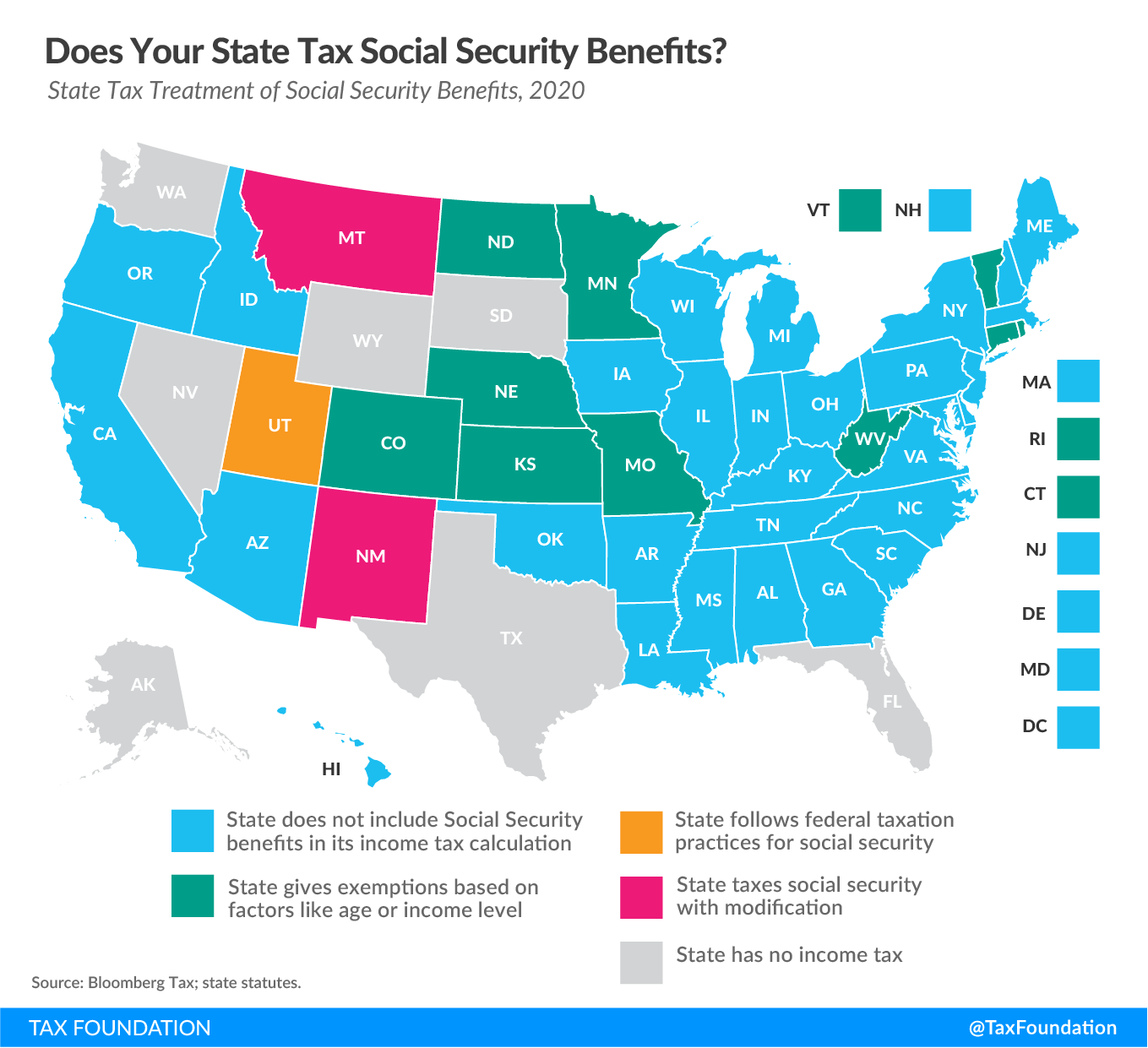
The short answer, which often surprises prospective retirees, is yes, Montana does tax Social Security benefits. However, this isn’t a simple blanket application; the reality is nuanced, involving specific income thresholds and a progressive tax structure that can significantly impact a retiree’s financial outlook. This article delves into the intricacies of Montana’s tax policies on Social Security, explores the broader tax landscape for retirees in the state, and discusses how these factors influence the lifestyle choices of those considering calling Big Sky Country their home.
Understanding Montana’s Approach to Retirement Income Taxation
Montana’s tax system is designed with specific provisions for various income types, and Social Security benefits are no exception. Unlike a handful of states that completely exempt Social Security income from taxation, Montana follows federal guidelines to some extent while applying its own state-level calculations. This approach requires careful consideration for anyone planning their retirement budget.
The Nuances of Social Security Taxation in Montana
At the heart of Montana’s Social Security taxation lies the concept of “provisional income,” a calculation that closely mirrors federal standards. Your provisional income is essentially your adjusted gross income (AGI) plus any tax-exempt interest income and half of your Social Security benefits. It’s this figure that determines how much, if any, of your Social Security benefits will be subject to state income tax.
Specifically, if your provisional income exceeds certain thresholds, a portion of your Social Security benefits becomes taxable. For Montana residents, this typically means that up to 85% of Social Security benefits can be subject to state income tax, aligning with the maximum taxable amount under federal law. The exact percentage depends on where your provisional income falls within the established brackets. This system ensures that lower-income retirees may pay little to no state tax on their benefits, while those with higher overall retirement incomes will likely see a larger portion taxed.
Income Thresholds and Taxable Benefits
The provisional income thresholds are critical in determining the taxability of Social Security. While the exact figures can be adjusted periodically, generally, for individuals filing single, head of household, or qualifying widow(er), provisional income between specific ranges will result in 50% of benefits being taxable. Exceeding a higher threshold will push that to 85%. For those filing married filing jointly, the thresholds are appropriately higher.
It’s crucial for prospective residents to consult the most current tax laws and publications from the Montana Department of Revenue, or a qualified tax professional, to understand the precise thresholds applicable to their situation. The progressive nature of Montana’s income tax means that the rate applied to the taxable portion of your Social Security benefits will also depend on your total taxable income from all sources. This makes comprehensive financial planning indispensable, as the impact isn’t solely about whether Social Security is taxed, but how much and at what rate.
How Montana Compares to Other Retirement-Friendly States
When considering a retirement destination, comparing tax policies across states is a common and wise practice. Many states are known for being particularly tax-friendly for retirees, often exempting Social Security benefits entirely, or having no state income tax at all. For instance, states like Florida, Texas, and Wyoming boast no state income tax, which means no state tax on Social Security or any other retirement income.
Montana stands in contrast to these states due to its progressive income tax structure that includes Social Security. While its natural beauty and outdoor lifestyle are undeniable draws, the tax implications can be a significant differentiator. Retirees might find that states like North Dakota, South Dakota, or even Idaho in the region offer different tax advantages worth exploring, depending on their specific financial profile and priorities. Understanding these comparisons helps place Montana’s tax policy into a broader context for lifestyle planning.
Beyond Social Security: A Broader Look at Montana’s Tax Landscape for Retirees
While the taxation of Social Security is a significant piece of the puzzle, a holistic understanding of Montana’s tax environment for retirees requires looking at other key areas: income tax on pensions, property taxes, and sales tax. These elements collectively shape the overall financial burden and, consequently, the lifestyle available to retirees in the state.
Income Tax on Pensions and Other Retirement Distributions
Montana’s state income tax applies to most forms of retirement income beyond Social Security. This includes distributions from traditional IRAs, 401(k)s, and private and public pension plans. The state employs a progressive income tax system, with rates ranging from a low percentage to a higher maximum rate for the highest earners. This means that a significant portion of a retiree’s income, depending on its source and amount, will be subject to state income tax.
For individuals with substantial pension income or large withdrawals from tax-deferred retirement accounts, this can translate into a considerable tax liability. Planning strategies such as Roth conversions or careful distribution planning can potentially mitigate some of these effects, but the fundamental fact remains that these income sources are generally taxable in Montana.
Property Taxes and Their Impact on Lifestyle
Property taxes are another major consideration for homeowners in Montana. The state’s property tax system is based on the assessed value of real estate, with rates varying significantly by county, city, and local taxing districts (e.g., school districts). While Montana generally has moderate property tax rates compared to some other states, they can still represent a substantial ongoing expense, especially in popular, rapidly growing areas like Bozeman or Missoula.
High property taxes can erode a retiree’s fixed income, impacting their ability to maintain their desired lifestyle or fund other activities. Some relief programs exist for seniors, such as property tax assistance programs or circuit breaker benefits, which can provide some mitigation for eligible low-income elderly homeowners. However, these benefits are not universally applicable, making careful research into local property tax rates crucial before purchasing a home.

Sales Tax Considerations for Daily Living
One silver lining in Montana’s tax landscape is the absence of a statewide sales tax. This means that daily purchases of goods – from groceries to clothing to electronics – are not subject to an additional sales tax burden, a significant advantage compared to many other states. This can lead to noticeable savings over time, especially for individuals who are accustomed to paying sales tax on nearly every transaction.
While there is no state sales tax, some local jurisdictions may impose specific taxes, such as resort taxes on lodging and certain services in tourist-heavy areas. For the vast majority of everyday consumer goods, however, Montana offers a distinct financial benefit that can enhance a retiree’s purchasing power and overall lifestyle quality.
Montana Lifestyle: Weighing the Financial Against the Experiential
For many, the decision to move to Montana is driven by an unshakeable desire for a specific way of life – one steeped in nature, outdoor adventure, and a slower pace. The financial implications, while critical, must be weighed against these experiential benefits to form a truly informed lifestyle decision.
The Allure of Big Sky Country
Montana, affectionately known as Big Sky Country, offers an unparalleled quality of life for those who cherish the outdoors. From the towering peaks of Glacier National Park to the sprawling plains and pristine rivers, the opportunities for hiking, fishing, hunting, skiing, and wildlife viewing are limitless. Cities like Bozeman, Missoula, and Helena offer vibrant cultural scenes, often blending frontier heritage with modern amenities, creating unique communities.
For retirees seeking an active, nature-immersed lifestyle, the draw of Montana is powerful. The sense of community in many towns, the slower pace of life, and the sheer beauty of the landscape can often outweigh some of the financial considerations for those who prioritize these aspects of their daily existence. It’s about finding a balance between enjoying life and affording it.
Cost of Living Beyond Taxes
Beyond taxes, the general cost of living in Montana is another critical factor influencing a retiree’s lifestyle. Housing costs, particularly in desirable areas, have seen significant increases in recent years. While some rural areas remain more affordable, popular locales like Bozeman, Kalispell, and the areas surrounding national parks can be quite expensive. Healthcare costs, transportation, and utilities also contribute to the overall expenditure.
While groceries might be comparable to other states, the relative remoteness of some areas can lead to higher prices for certain goods and services due to transportation costs. Prospective residents should conduct thorough research into specific localities they are considering, accounting for everything from housing prices to utility bills, to gain a realistic picture of their potential monthly expenses.
Making an Informed Decision for Your Golden Years
Ultimately, deciding whether Montana is the right place for retirement involves a deeply personal assessment. For some, the financial implications of taxing Social Security and other retirement income will be a deal-breaker. For others, the unparalleled natural beauty, the recreational opportunities, and the quality of life offered by Big Sky Country will more than justify the tax burden.
It’s about prioritizing what matters most in your retirement lifestyle. Is it maximizing every dollar of your Social Security, or is it living surrounded by mountains and national forests, with abundant access to outdoor activities? An informed decision balances these financial realities with personal desires and lifestyle aspirations.
Financial Planning Strategies for Montana Residents
Given Montana’s tax structure, proactive financial planning becomes even more critical for retirees and those approaching retirement. Strategic decisions can help mitigate tax liabilities and ensure a comfortable lifestyle.
Optimizing Your Retirement Portfolio
Understanding how different income streams are taxed in Montana allows for strategic portfolio optimization. For example, if you have a significant portion of your retirement savings in tax-deferred accounts (like traditional IRAs or 401(k)s), you might consider strategies like partial Roth conversions in years where your provisional income is lower. This can help diversify your income sources in retirement, potentially reducing your overall taxable income from year to year.
Furthermore, exploring investments that generate tax-advantaged income, such as municipal bonds (though these might be subject to Montana income tax depending on the issuer), could also be part of a broader strategy. The goal is to structure your income in a way that minimizes its impact on your provisional income calculation and, consequently, your state income tax liability on Social Security and other benefits.

Seeking Professional Guidance
Navigating the complexities of state tax laws, especially when considering a move across state lines, can be daunting. Engaging with a qualified financial advisor or a tax professional specializing in retirement planning and state tax implications is highly recommended. A professional can provide personalized advice based on your unique financial situation, helping you understand the specific thresholds, potential deductions, and credits available in Montana.
They can help you run scenarios, estimate your future tax burden, and develop a comprehensive plan that aligns your financial resources with your desired Montana lifestyle. This expert guidance can save you considerable stress and potential financial missteps in the long run, ensuring your retirement years are as fulfilling and financially stable as possible.
In conclusion, while Montana does tax Social Security benefits, its approach is layered with income thresholds and a progressive tax structure. For those captivated by its stunning landscapes and outdoor lifestyle, a thorough understanding of this, coupled with other tax considerations like income and property taxes, is essential. With careful planning and professional advice, retirees can navigate Montana’s financial landscape to truly embrace the unique and rewarding lifestyle Big Sky Country offers.
LifeOutOfTheBox is a participant in the Amazon Services LLC Associates Program, an affiliate advertising program designed to provide a means for sites to earn advertising fees by advertising and linking to Amazon.com. Amazon, the Amazon logo, AmazonSupply, and the AmazonSupply logo are trademarks of Amazon.com, Inc. or its affiliates. As an Amazon Associate we earn affiliate commissions from qualifying purchases.