
Understanding the tax implications of visiting or residing in a particular state is a crucial aspect of travel planning, especially for longer stays or when considering relocation. For those considering a trip to the Cornhusker State, a key question often arises: “Does Nebraska have state tax?” The answer is a nuanced one, and it’s essential to delve into the specifics to ensure a smooth and informed experience, whether you’re a tourist enjoying its vast landscapes or a business traveler navigating its economic hubs.
The Fundamentals of Nebraska State Taxation
Nebraska does indeed have a state tax system, encompassing income tax, sales tax, and property tax, among others. For travelers, the most immediately relevant forms of taxation are typically sales tax and, in some cases, income tax if a visit extends into a period that could be considered residency or if certain business activities are conducted. Understanding these components will help visitors budget effectively and avoid any unforeseen financial surprises during their Nebraska adventure.
Income Tax in Nebraska
Nebraska levies a graduated income tax on individuals and corporations. This means that tax rates increase as income levels rise. The state has several income tax brackets, with different percentages applied to different portions of taxable income. For a transient visitor, this might not be a direct concern unless their stay is extended significantly, leading to potential tax residency considerations, or if they are engaging in specific income-generating activities within the state.
The concept of tax residency can be complex. Generally, if you spend a substantial amount of time in Nebraska or establish domicile there, you may be considered a resident for tax purposes. This typically involves spending more than 183 days in the state within a calendar year, or having a permanent home and intent to remain. For short-term tourists exploring Omaha or Lincoln, this is rarely an issue. However, for individuals on extended business assignments or digital nomads considering Nebraska as a base, understanding the residency rules is paramount.
Filing Requirements for Non-Residents
Non-residents of Nebraska are generally only required to file an income tax return if they have Nebraska-source income. This could include income from a business operated within the state, or wages earned from employment physically performed in Nebraska. Tourists engaging in typical leisure activities, dining, or shopping are not subject to Nebraska income tax on their personal consumption expenditures.
Sales and Use Tax
The most universally applicable tax for visitors is the state sales and use tax. Nebraska imposes a state sales tax on the retail sale of tangible personal property and certain services. This tax is collected by the seller at the point of sale and remitted to the state.
State and Local Sales Tax Rates
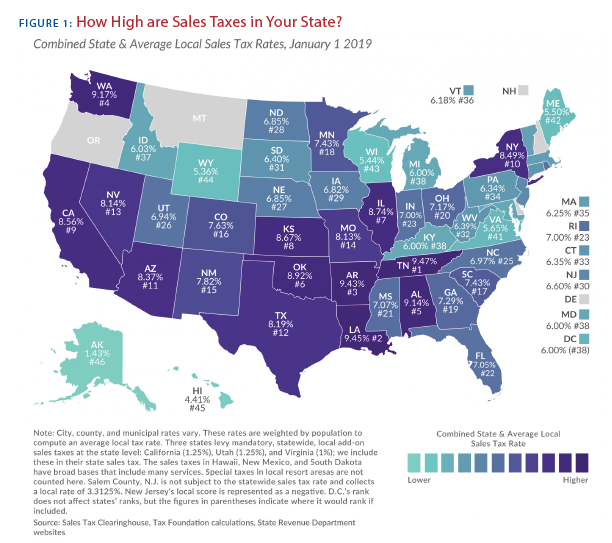
The state sales tax rate in Nebraska is 5.5%. However, this rate can be augmented by local options, meaning that the actual sales tax you pay can vary depending on the city and county you are in. Many cities and counties in Nebraska have adopted local option sales taxes, which are added to the state rate. These local rates can range from 0.5% to 2.5%, leading to combined sales tax rates that can be as high as 8.0% in some jurisdictions.
For example, when purchasing souvenirs in Omaha, dining at a restaurant in Lincoln, or buying gas in a smaller town, you will be subject to the prevailing sales tax rate in that specific location. It’s advisable to be aware of these varying rates, especially if making significant purchases. The Nebraska Department of Revenue provides updated information on these rates for various localities.
What is Taxed?
In Nebraska, the sales tax generally applies to tangible personal property, such as clothing, electronics, furniture, and vehicles. It also applies to certain services, including repair services, cleaning services, and certain telecommunication services. Food items purchased at grocery stores are typically exempt from sales tax, but prepared foods purchased from restaurants or caterers are usually taxable.
Use Tax
Use tax is essentially a counterpart to sales tax. It is imposed on tangible personal property and taxable services purchased outside of Nebraska for use, storage, or consumption within the state, where sales tax was not paid. This is particularly relevant for online purchases or items bought while traveling in another state. If you purchase an item online from an out-of-state retailer that does not collect Nebraska sales tax, you may be obligated to report and pay the use tax to the state yourself. This ensures a level playing field between in-state and out-of-state retailers.
Navigating Tax-Free Zones and Exemptions
While Nebraska has a comprehensive tax system, there are instances where certain purchases or activities might be exempt from sales tax. These exemptions are typically put in place to encourage specific economic activities or to relieve certain burdens.
Exemptions for Tourists and Travelers
For the average tourist, specific sales tax exemptions are not common for everyday purchases. However, there are broader exemptions that might indirectly benefit travelers or those involved in tourism-related businesses. For instance, certain agricultural products are exempt, which is relevant given Nebraska’s strong agricultural sector. Also, purchases by certain organizations, like schools or charities, may be exempt, but these typically do not apply to individual travelers.
Business and Tourism-Related Exemptions
Businesses operating within Nebraska can benefit from various exemptions, such as those for manufacturing equipment or agricultural machinery. While not directly related to a tourist’s purchase of a hotel room or a meal at a restaurant, these exemptions contribute to the overall economic environment, which can influence the cost of goods and services available to travelers. For instance, if a hotel purchases new linens or upgrades its facilities, certain exemptions might apply, potentially leading to more competitive pricing for guests.
Property Tax Considerations
While not directly impacting short-term travelers, property taxes are a significant form of taxation in Nebraska and are relevant for those considering longer stays, vacation home purchases, or any involvement with real estate. Property taxes are levied by local government entities (counties, cities, school districts) based on the assessed value of real estate and, in some cases, personal property.
How Property Taxes Work
The Nebraska property tax system is based on the concept of “assessed value,” which is typically a percentage of the actual market value of the property. Tax rates, or “mill levies,” are then applied to this assessed value. These rates are set annually by local taxing authorities. Property taxes fund essential local services like schools, roads, and emergency services.
For tourists, property taxes are unlikely to be a direct concern unless they are considering purchasing a vacation home or renting out property. In such cases, understanding local property tax rates would be a crucial part of the financial planning process.
Other Taxes to Be Aware Of
Beyond income, sales, and property taxes, Nebraska also has other forms of taxation that, while not always directly impacting tourists, contribute to the state’s revenue and the overall cost of doing business and living.
Motor Fuel Taxes
When traveling across Nebraska by car, you will encounter motor fuel taxes. These taxes are levied on gasoline and diesel fuel and are designed to fund transportation infrastructure. The rates are typically per gallon and are added to the pump price. This is a common tax that all drivers, including visitors, will pay as they fuel up their vehicles for journeys along highways like Interstate 80 or scenic byways.
Excise Taxes
Excise taxes are levied on specific goods and services, such as tobacco and alcohol. These taxes are included in the price of these items and are paid by consumers. While not a primary concern for most travelers, it’s a component of the state’s tax structure.
Conclusion: Planning Your Nebraska Trip with Tax in Mind
In summary, Nebraska does have state taxes, including income tax, sales tax, and property tax. For most tourists, the most impactful tax will be the state and local sales tax, which varies by location and applies to most purchases of goods and taxable services. While Nebraska doesn’t have a general tourism tax specifically levied on visitors, the standard sales tax rates are what you’ll encounter when dining, shopping, or engaging in activities across the state, from Omaha to Scottsbluff. By understanding these tax structures, travelers can better budget for their Nebraska experience and enjoy all that the state has to offer with confidence and preparedness.
LifeOutOfTheBox is a participant in the Amazon Services LLC Associates Program, an affiliate advertising program designed to provide a means for sites to earn advertising fees by advertising and linking to Amazon.com. Amazon, the Amazon logo, AmazonSupply, and the AmazonSupply logo are trademarks of Amazon.com, Inc. or its affiliates. As an Amazon Associate we earn affiliate commissions from qualifying purchases.