
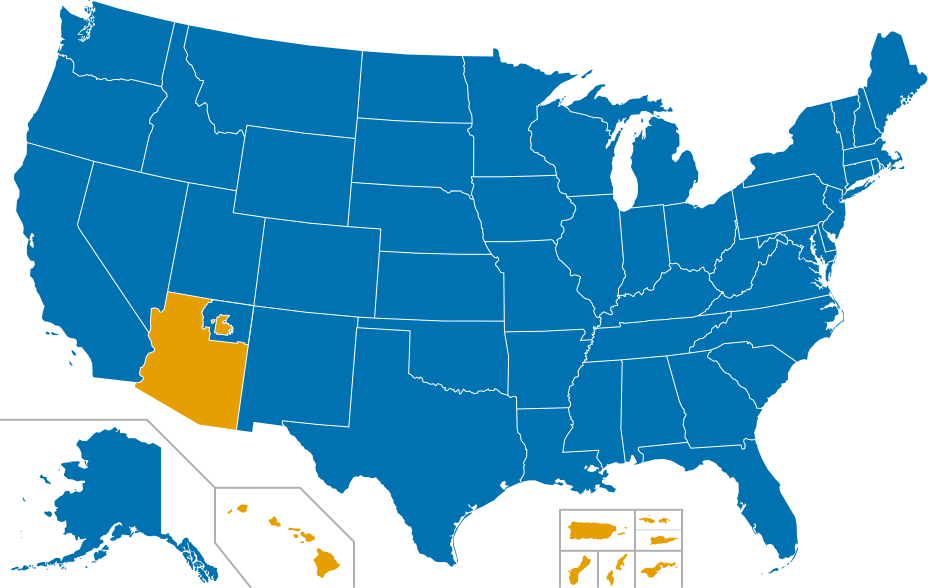
Nevada, a state renowned for its vast deserts, glittering cities, and a rich tapestry of history and outdoor adventure, operates under the observance of Daylight Saving Time (DST). This practice, adopted across much of the United States, influences the daily rhythms of its residents and visitors alike, particularly impacting travel plans, outdoor activities, and the overall experience of exploring the Silver State. Understanding when Nevada shifts its clocks forward and backward is crucial for anyone planning a trip, managing business operations, or simply seeking to appreciate the full spectrum of what this dynamic state has to offer.
The Rationale and Mechanics of Daylight Saving Time in Nevada
Daylight Saving Time is a practice designed to make better use of daylight. By advancing clocks during warmer months, it aims to shift an hour of daylight from the morning to the evening. In Nevada, as in most of the United States, DST begins on the second Sunday in March and ends on the first Sunday in November. During these periods, clocks are set forward by one hour in the spring and back by one hour in the fall.
Historical Context and Adoption
The concept of DST has a long and sometimes contentious history. While Benjamin Franklin is often credited with an early satirical suggestion, modern DST proposals gained traction in the late 19th and early 20th centuries. The standardized observance of DST in the United States, including Nevada, was largely driven by the Uniform Time Act of 1966, which established a system for states to opt in or out of DST. Nevada, like many other states, chose to participate. The primary motivations behind its adoption were to conserve energy and to provide more usable daylight for business and recreation during the longer days of summer.
The Technicalities of the Shift
The biannual clock change is a straightforward, yet impactful, event. In the spring, typically around 2:00 AM local time on a designated Sunday, clocks spring forward one hour, making it 3:00 AM. This effectively shortens the night by one hour. Conversely, in the fall, again at 2:00 AM local time on a Sunday, clocks fall back one hour, returning to 1:00 AM. This extends the evening daylight. For travelers, this means adjusting their watches, phone alarms, and any other time-sensitive devices upon arrival or departure, especially when crossing time zones or interacting with regions that may not observe DST.
Impact on Travel and Tourism in Nevada
Nevada’s unique geography and popular attractions mean that DST has tangible effects on the visitor experience. From the bustling nightlife of Las Vegas to the serene natural beauty of Lake Tahoe and the stark grandeur of the Valley of Fire State Park, the extra hour of evening daylight can significantly alter how one plans and enjoys their time.
Maximizing Evening Activities
The extension of daylight into the evening hours during DST months can be a boon for tourists. In Las Vegas, for instance, the extra light allows for more extended exploration of the Las Vegas Strip, with its dazzling shows, opulent casinos, and world-class dining. Evening pool parties at resorts like The Cosmopolitan can extend later into the night, and outdoor entertainment options become more viable. For those visiting the natural wonders, an extra hour of daylight means more time for leisurely hikes, scenic drives, and sunset photography at locations such as the Red Rock Canyon National Conservation Area.
Planning and Logistics for Visitors
For any traveler, understanding the local time is paramount. This is especially true in Nevada, which shares borders with states that observe DST and those that do not, though in practice, much of the United States observes it. When planning flights, booking accommodations, or scheduling tours, checking the specific dates of the DST shifts is advisable. This ensures that arrival times, tour start times, and reservation bookings align with the actual local time. For example, a flight landing in Reno during the DST period will adhere to that adjusted time, influencing onward travel or immediate plans.
Seasonal Considerations for Outdoor Adventures

Nevada’s diverse climate means that DST can interact with seasonal travel patterns in interesting ways. During the spring and summer months when DST is in effect, the longer evenings are perfect for outdoor activities. Hiking in the Great Basin National Park, exploring the historic mining towns like Virginia City, or enjoying watersports on Lake Mead become more appealing with the extended daylight. However, it’s also important to be mindful of the heat, particularly in the southern parts of the state. The extra daylight might encourage longer excursions, but safety precautions against dehydration and sun exposure remain critical, especially when engaging in activities like exploring the Hoover Dam.
Nevada’s Stance on DST and Potential Future Changes
While Nevada currently observes Daylight Saving Time, there have been ongoing discussions and legislative efforts at both the state and federal levels regarding the practice. The debate over DST is complex, with proponents citing benefits like increased daylight for recreation and potential energy savings, while opponents point to disruptions in sleep patterns, potential negative health impacts, and minimal actual energy savings.
Legislative Discussions and Proposals
In recent years, several states, including Nevada, have seen legislative proposals to either permanently adopt standard time or permanently adopt daylight saving time. In 2021, Nevada’s legislature passed a bill that would allow the state to observe DST year-round, but this measure would require federal approval, as current federal law limits year-round DST adoption. The debate often hinges on whether to remain on standard time, which many argue is more aligned with natural circadian rhythms, or to adopt DST permanently, providing more evening light throughout the year.
Federal Implications and the Path Forward
The Uniform Time Act of 1966 provides the framework for DST observance in the U.S. While states can opt out of DST and remain on standard time year-round, they cannot implement permanent DST without Congressional approval. This federal aspect significantly shapes the conversation. As other states explore their options and the scientific community continues to research the health and economic impacts of DST, Nevada’s position, like that of many other states, remains subject to these broader national dialogues and potential legislative changes. Understanding these ongoing discussions is key for any avid traveler or resident to stay informed about the future of timekeeping in the Silver State.
Practical Tips for Travelers Navigating DST in Nevada
For visitors to Nevada, being aware of Daylight Saving Time can significantly enhance the planning and execution of a trip. Proactive planning can prevent minor inconveniences and allow for a smoother, more enjoyable exploration of all that Nevada has to offer.
Staying Informed and Prepared
The most crucial tip for any traveler is to stay informed about the specific dates of the DST shifts. Many online resources and calendar applications automatically update for DST, but it’s always wise to double-check, especially when making international travel plans or coordinating with people in different time zones. Mobile phones and modern electronic devices typically adjust automatically, but older or non-connected devices may require manual updates. This is particularly relevant for those renting cars or relying on GPS systems that might not instantly reflect the time change.
Scheduling and Itinerary Adjustments
When planning an itinerary, especially one involving early morning or late-evening activities, factor in the DST changes. An activity scheduled for 7:00 PM might feel very different depending on whether DST is in effect. For instance, a sunset viewing at the Grand Canyon Skywalk (though located just outside Nevada in Arizona, it’s a common excursion from Las Vegas) will occur an hour later by the clock during DST months. This can be advantageous for maximizing daytime exploration. Conversely, if you have an early morning flight out of McCarran International Airport (now Harry Reid International Airport), remember that the “hour less” in the morning during spring could feel more pronounced.
Leveraging Extended Daylight
During the DST period, embrace the extended evening light. Plan activities that benefit from this extra hour, such as a leisurely stroll through the arts district in Downtown Las Vegas, enjoying the vibrant Fremont Street Experience, or taking in a scenic drive along the Loneliest Road in America, U.S. Route 50, with more light to appreciate the expansive landscapes. For those seeking a more relaxed pace, the later sunsets offer more opportunities to enjoy outdoor dining at restaurants with patios or simply relax by the pool at one of the many resorts across the state. Ultimately, understanding and adapting to Nevada’s observance of Daylight Saving Time can lead to a more enriched and seamless travel experience.
LifeOutOfTheBox is a participant in the Amazon Services LLC Associates Program, an affiliate advertising program designed to provide a means for sites to earn advertising fees by advertising and linking to Amazon.com. Amazon, the Amazon logo, AmazonSupply, and the AmazonSupply logo are trademarks of Amazon.com, Inc. or its affiliates. As an Amazon Associate we earn affiliate commissions from qualifying purchases.