
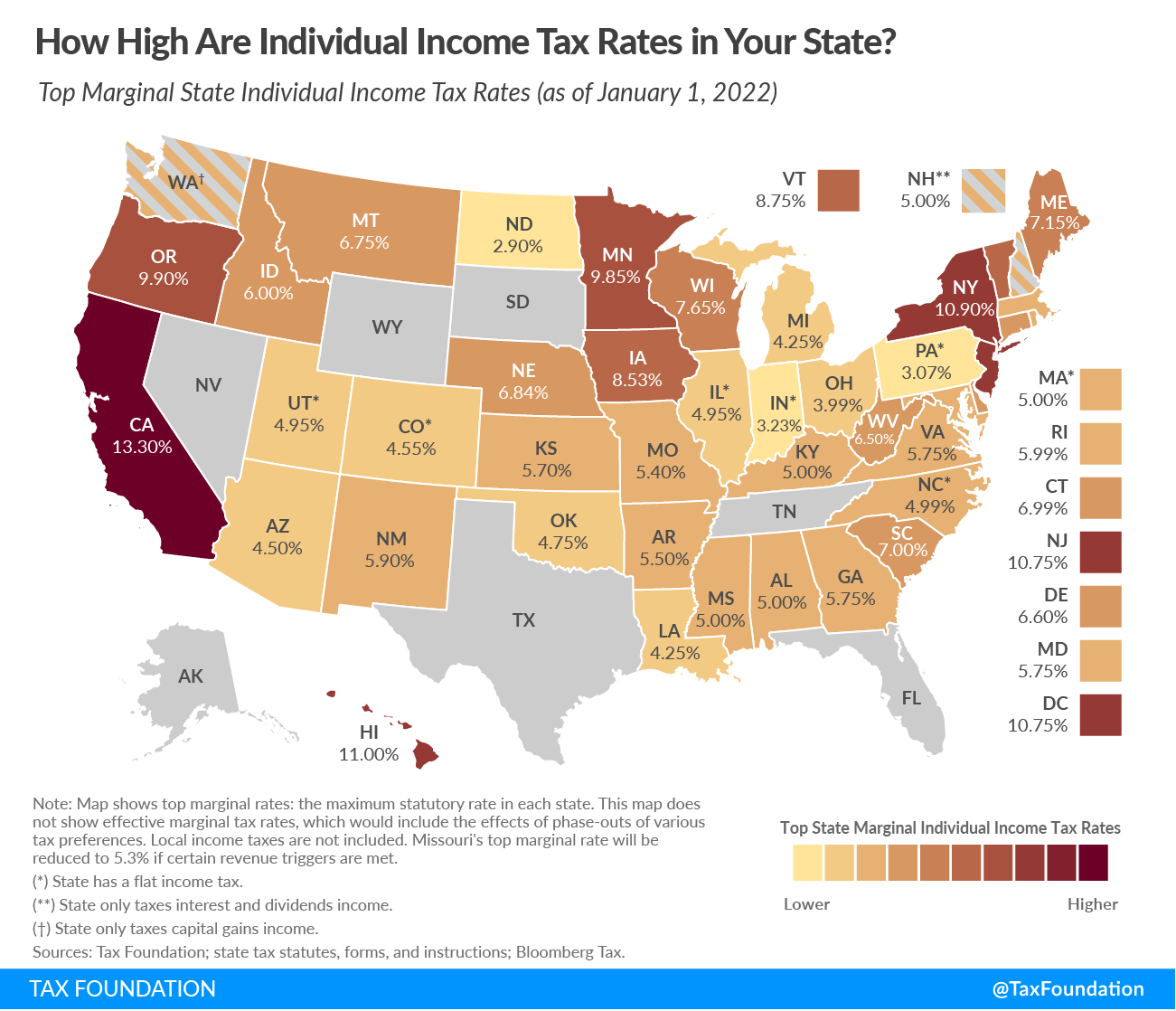
The question of whether Nevada levies an income tax is one that frequently arises, not only for potential residents and businesses but also for travelers and those considering long-term stays. For anyone exploring destinations within the United States for leisure, work, or relocation, understanding the local tax landscape is a crucial piece of the puzzle. When it comes to the Silver State, the answer is a resounding and often celebrated “no.” Nevada stands as one of a handful of U.S. states that does not impose a state individual income tax, a fiscal policy that profoundly shapes its economy, lifestyle, and unique appeal as a global travel and tourism hub.

This absence of state income tax has far-reaching implications, impacting everything from the personal finances of its residents to the robust development of its world-class hotels, resorts, and attractions. It influences the cost of doing business, the vibrancy of its tourism sector, and the overall lifestyle enjoyed by those who call Nevada home or visit its famous cities. This article delves into the specifics of Nevada’s tax environment, exploring how the lack of income tax intertwines with the state’s other revenue streams and what it means for travelers, residents, and the thriving tourism and accommodation industries that define this dynamic state.
The Straightforward Answer: No State Income Tax in Nevada
Indeed, Nevada does not have a state individual income tax. This fundamental aspect of its fiscal policy sets it apart from the majority of U.S. states and has become a cornerstone of its economic identity. For individuals, this means that earnings from salaries, wages, investments, and other forms of personal income are not subject to a state-level tax. This policy extends to both permanent residents and temporary visitors who might earn income within the state, for example, through short-term business engagements.
This tax structure is often cited as a significant draw for people considering moving to the state, as well as for entrepreneurs and corporations looking to establish or expand their operations. The cumulative effect of not paying state income tax can result in substantial savings over time, leading to more disposable income for residents and potentially lower operating costs for businesses.
What This Means for Residents and Visitors
For residents, the absence of a state income tax translates directly into a higher net take-home pay, all else being equal. This can significantly impact personal finances, making Nevada an attractive option for those seeking to maximize their earnings and enjoy a lifestyle that might be more financially comfortable than in states with high income tax rates. It means more money available for housing, leisure activities, savings, or investment. This financial advantage often contributes to the state’s ability to attract diverse talent, including professionals, retirees, and remote workers who can choose their domicile independently of their employer’s physical location. Cities like Las Vegas, Reno, and Henderson have seen their populations grow, partly fueled by this favorable tax environment.
For visitors, while the lack of state income tax doesn’t directly affect their travel budget in the same way it does for residents, it contributes to the overall economic landscape that makes Nevada such a vibrant and competitive destination. A healthy economy driven by favorable tax policies often translates into robust infrastructure, diverse entertainment options, and a thriving hospitality sector with world-class hotels and attractions. This indirect benefit means that the money visitors spend on experiences, dining, and shopping is flowing into an economy that is designed to be attractive for both consumers and businesses.
A Strategic Advantage for Businesses and Investment
The absence of a state income tax is a massive strategic advantage for businesses operating within Nevada. Companies are not burdened with state-level taxes on their corporate profits or the income of their employees, which can reduce overhead and increase profitability. This environment fosters a robust climate for investment and economic growth, particularly in sectors that are crucial to Nevada’s identity, such as gaming, tourism, hospitality, and conventions.
The hospitality sector, in particular, thrives under these conditions. Developers are more inclined to invest in grand resorts, luxury hotels, and innovative accommodation options when the tax burden on their operations and profits is lower. This has led to the iconic skyline of The Strip in Las Vegas, dotted with famous landmarks like the Bellagio, The Venetian Resort, MGM Grand, Caesars Palace, and Wynn Las Vegas. These establishments not only create jobs but also offer unparalleled experiences for tourists, further cementing Nevada’s status as a premier global destination. The favorable tax climate also encourages companies to choose Nevada for major conventions and trade shows, such as the Consumer Electronics Show (CES), which bring in millions of visitors and significant revenue.
Understanding Nevada’s Other Tax Structures
While Nevada proudly boasts no state income tax, it is not a tax-free haven. Like all states, it relies on other forms of taxation to fund public services, infrastructure, and state-funded programs. Understanding these other taxes is crucial for anyone planning a visit, considering a move, or investing in the state. These primary revenue generators include sales tax, property tax, and various specific taxes on tourism and gaming, which directly impact the travel and accommodation sectors.
Sales Tax: A Common Encounter for Travelers
The most common tax encountered by virtually every visitor and resident in Nevada is the sales tax. This tax is applied to the sale of most goods and certain services within the state. The statewide sales tax rate is 4.6%, but local jurisdictions add their own rates, meaning the actual sales tax rate you pay varies by county. For example, Clark County, home to Las Vegas, has a combined sales tax rate of 8.375% (as of the most recent data), while Washoe County, where Reno is located, has a rate of 8.265%.
For travelers, sales tax will apply to nearly everything they purchase, from souvenirs and clothing in the expansive shopping malls along The Strip to meals at world-class restaurants and convenience store purchases. It’s an important factor to consider when budgeting for your trip, as it can add a significant amount to your overall spending, especially if you plan on extensive shopping or dining experiences. However, compared to the absence of income tax, many find the trade-off favorable, as the money spent is typically on discretionary items rather than a portion of every paycheck.
Property Taxes: Relevant for Accommodation and Investment
Property taxes in Nevada are assessed at the county level and are based on the assessed value of real estate. While not directly paid by tourists, property taxes significantly impact the accommodation and real estate sectors. Owners of hotels, resorts, and vacation rental properties pay property taxes, and these costs are factored into the pricing of hotel rooms, suites, and long-term accommodations.
For individuals considering investing in Nevada real estate, whether for a vacation home, an investment property, or a primary residence, property taxes are an essential consideration. The state’s property tax rates are generally considered to be relatively low compared to many other U.S. states, which further enhances Nevada’s appeal for property ownership and development. This environment encourages the construction of new hotels, apartments, and villas, ensuring a diverse range of booking options for travelers and residents alike, from budget-friendly stays to ultra-luxury experiences.

Gaming and Tourism Taxes: Fueling the Nevada Experience
Perhaps the most unique and significant aspect of Nevada’s revenue strategy relates to its core industries: gaming and tourism. The state levies specific taxes on gaming revenue and transient lodging (hotel room taxes), which are instrumental in funding public services.
The hotel room tax, or Transient Lodging Tax, is directly paid by visitors booking any form of accommodation, whether it’s a hotel suite, a resort villa, or an apartment rental. This tax varies by county and city, but in major tourist hubs like Las Vegas, it can add a substantial percentage to the nightly rate of your stay. For instance, Clark County’s room tax can be as high as 13.375% in some areas, encompassing the state, county, and local tourism improvement districts. While it might seem like an extra cost, these taxes are specifically designed to fund tourism promotion, infrastructure improvements, and public safety, directly enhancing the visitor experience and supporting the very attractions that draw people to Nevada.
Gaming taxes, levied on the gross revenue of casinos, are another critical component of Nevada’s fiscal health. These taxes contribute immensely to the state’s budget, allowing for the maintenance of a low overall tax burden on individuals and other businesses. The success of the state’s casinos and resorts directly fuels the state’s ability to offer a world-class tourism environment without resorting to a personal income tax.
Nevada’s Unique Fiscal Landscape: A Draw for Tourism and Lifestyle
Nevada’s distinct approach to taxation creates a fiscal landscape that is uniquely attractive, fostering both a robust tourism industry and an appealing lifestyle for residents. The synergy between the absence of income tax and the strategic use of sales, property, and tourism-related taxes forms the backbone of an economy designed to entertain and accommodate.
Economic Benefits for Tourists and Convention-Goers
For tourists, the indirect benefits of Nevada’s tax structure are significant. Without the burden of state income taxes on its workforce and businesses, the state can dedicate a greater portion of its resources and ingenuity to developing unparalleled entertainment, dining, and accommodation options. This translates into more innovative attractions, higher quality hotels, and a wider array of experiences available to visitors. From lavish resorts boasting incredible amenities like designer suites and expansive pool complexes to diverse culinary scenes featuring celebrity chefs, Nevada’s tourism offerings are continually expanding and evolving.
The state’s tax framework also positions it as a prime location for major conventions and trade shows. Event organizers and attendees benefit from a business-friendly environment where costs can be optimized. This focus on attracting conventions, such as the aforementioned CES in Las Vegas, ensures a steady flow of business travelers who often extend their stays for leisure, further boosting the local economy. The ability to offer competitive pricing on hotel rooms and event spaces, partly due to the tax structure, enhances Nevada’s appeal as a top destination for both work and play.
Lifestyle Implications: Beyond the Tax Savings
Beyond the immediate financial benefits, Nevada’s tax policies contribute to a distinctive lifestyle that appeals to a diverse range of individuals. The cities of Las Vegas, Reno, and Henderson offer vibrant urban living with access to world-class entertainment, dining, and cultural activities. For many, the lack of state income tax allows for a higher discretionary income, which can be invested back into their lifestyle, whether it’s through luxury travel, frequent visits to local attractions, or enjoying the state’s natural beauty.
Nevada’s geographical location also plays a significant role in its lifestyle appeal. Nestled amidst the Mojave Desert and the Great Basin, the state offers access to stunning natural landmarks and outdoor activities. Residents and visitors can easily explore destinations like Lake Tahoe for skiing and water sports, Red Rock Canyon for hiking and rock climbing, Hoover Dam for engineering marvels, or Valley of Fire State Park for breathtaking geological formations. Even Death Valley National Park, primarily in California, is a short drive away. The financial flexibility afforded by the tax structure allows more individuals to fully experience these unique aspects of Nevada living. This makes the state an attractive option not just for a vacation, but also for long-term stays, retirement, and for digital nomads seeking a blend of urban amenities and natural adventure.
Making the Most of Your Nevada Experience
Understanding Nevada’s tax landscape is key to planning a seamless and enjoyable visit or making an informed decision about residency or investment. The absence of state income tax is a powerful draw, but smart budgeting and awareness of other taxes will enhance your overall experience.
Budgeting for Your Trip: What to Consider
When planning your trip to Nevada, remember that while you won’t pay state income tax, sales tax and hotel taxes will be part of your expenses. Budgeting for these additional costs upfront can prevent surprises. Factor in the combined sales tax rate for goods and dining, and be sure to account for the transient lodging tax when booking your accommodation, whether it’s a luxury suite or a budget-friendly hotel. These taxes can add 8-13% to your purchases and hotel stays, respectively.
Consider purchasing experiences and entertainment packages in advance, as some may include taxes, allowing for clearer budgeting. Explore options for loyalty programs at hotels and resorts, which can offer discounts or perks that help offset some costs. Don’t forget to factor in resort fees, which are common in Nevada’s larger hotels and resorts and cover amenities like Wi-Fi and fitness center access, but are separate from taxes.
Investing in Nevada: A Business-Friendly Environment
For those looking beyond tourism and into investment, Nevada presents a compelling business-friendly environment. The lack of corporate income tax (though other business taxes like the Commerce Tax exist for certain entities) and the absence of individual income tax make it attractive for entrepreneurs, developers, and investors. This has fueled significant growth in the hospitality sector, leading to continuous innovation in hotel design, resort amenities, and entertainment venues.
Opportunities abound in developing new accommodation options, from boutique hotels in emerging neighborhoods to expansive resorts catering to specific niches. The steady influx of tourists and new residents, combined with the state’s pro-business stance, positions Nevada as an exciting locale for those looking to invest in real estate, particularly within the dynamic tourism and hospitality industries.
In conclusion, the answer to “Does Nevada have income tax?” is unequivocally no. This fiscal policy is a defining characteristic of the state, shaping its economy, attracting residents and businesses, and directly contributing to its status as a world-renowned travel destination. While other taxes exist, such as sales, property, and tourism-specific levies, they are strategically implemented to support the vibrant lifestyle and unparalleled visitor experience that Nevada consistently delivers. Whether you’re planning a luxurious escape, a business trip, or considering a new place to call home, Nevada’s unique tax structure is an integral part of its enduring allure.
LifeOutOfTheBox is a participant in the Amazon Services LLC Associates Program, an affiliate advertising program designed to provide a means for sites to earn advertising fees by advertising and linking to Amazon.com. Amazon, the Amazon logo, AmazonSupply, and the AmazonSupply logo are trademarks of Amazon.com, Inc. or its affiliates. As an Amazon Associate we earn affiliate commissions from qualifying purchases.