
Nevada, often celebrated as the ultimate playground for adults and a beacon of vibrant entertainment and breathtaking natural beauty, consistently draws millions of visitors each year. From the dazzling lights of Las Vegas to the tranquil waters of Lake Tahoe and the rugged landscapes of its state parks, the Silver State offers an unparalleled array of experiences. For both eager travelers planning their next adventure and potential residents considering a move, a fundamental question often arises: Does Nevada have sales tax?
The direct answer is yes, Nevada does indeed have a sales tax. While it might be famous for not imposing state income tax on individuals, the sales tax is a significant component of its revenue system, directly impacting everything from souvenir purchases to dining experiences. Understanding how this tax works, what it applies to, and how it varies across different regions of the state is crucial for anyone looking to budget effectively and navigate their visit or residency with confidence. This comprehensive guide will delve into the nuances of Nevada’s sales tax, exploring its rates, applications, and broader implications for tourism, accommodation, and lifestyle choices within this dynamic state.
Unpacking Nevada’s Sales Tax: What Travelers and Residents Need to Know
For first-time visitors or those planning a longer stay, the sales tax system in Nevada can initially seem a little complex due to local variations. However, with a clear understanding of the basic structure, it becomes much easier to anticipate costs and make informed spending decisions.
The Statewide Sales Tax Rate and Local Variations
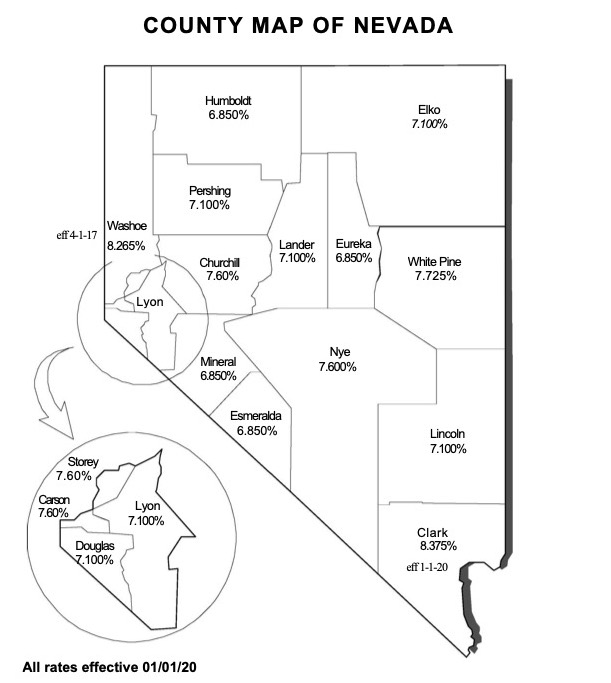
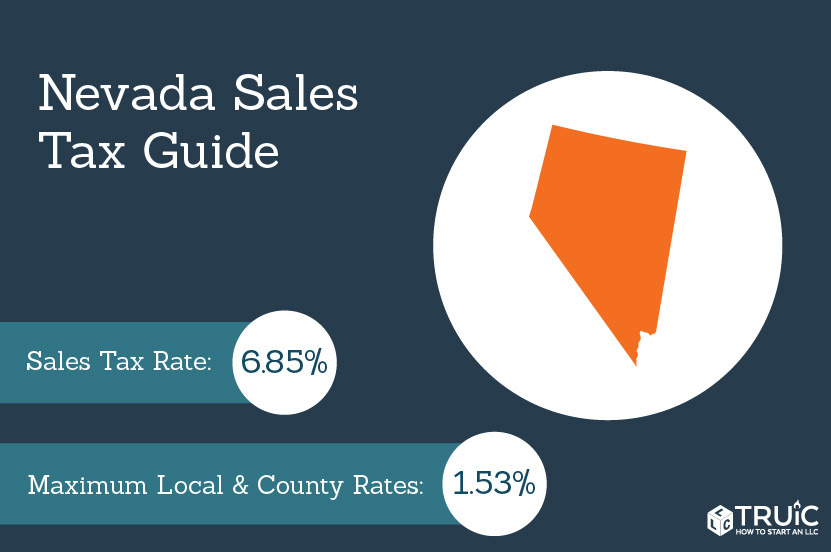
The State of Nevada establishes a statewide base sales tax rate. As of the current understanding, this rate is 4.6%. However, it’s essential to recognize that this is just the foundational figure. The total sales tax rate that consumers actually pay is a combination of this statewide rate and various local district taxes levied by individual counties. These district taxes fund crucial local services, infrastructure, and specific projects, leading to different total rates across different parts of the state.
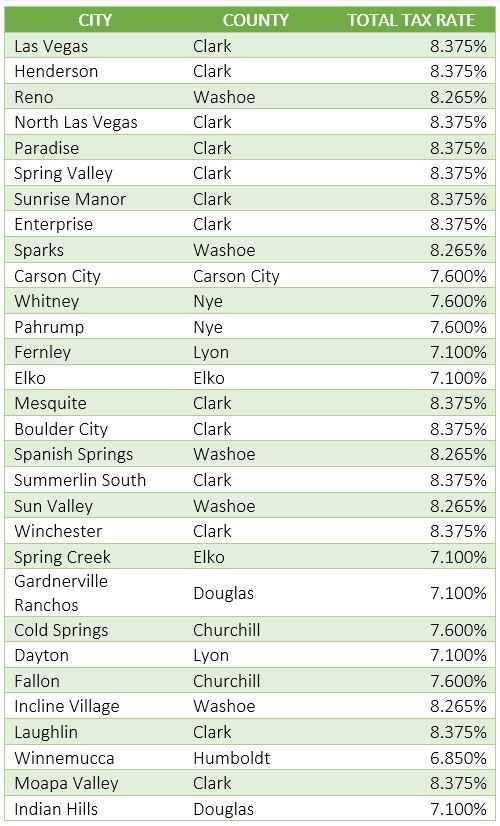
For instance, the most populous areas, which also happen to be prime tourist destinations, often have higher combined rates. In Clark County, home to the iconic Las Vegas Strip, Downtown Las Vegas, and surrounding areas, the sales tax rate is typically higher than the statewide base. This additional revenue supports the immense infrastructure and public services required to accommodate millions of tourists annually, including maintaining roads, supporting schools, and funding public safety initiatives. Similarly, Washoe County, which encompasses Reno and parts of Lake Tahoe, also has its own specific combined sales tax rate. Other counties like Carson City or those in more rural parts of Nevada will have their distinct rates as well, often falling somewhere between the base rate and the higher urban figures. Therefore, it’s always advisable to check the specific county’s current sales tax rate when planning major purchases or budgeting for your trip.
What Goods and Services Are Subject to Sales Tax?
The general rule in Nevada is that sales tax is applied to the retail sale of tangible personal property. This broad definition covers most of the items consumers typically purchase. When you’re shopping for souvenirs on the Las Vegas Strip, buying clothing, electronics, books, or any other physical goods from a store, you can expect to pay sales tax.
Dining out is another significant area where sales tax applies. If you’re enjoying a gourmet meal at one of Las Vegas’s world-class restaurants, grabbing a quick bite at a café in Reno, or purchasing prepared food for immediate consumption from a deli, sales tax will be added to your bill. This also extends to beverages served in restaurants and bars.
Conversely, most services are generally exempt from sales tax in Nevada. This means that if you’re paying for a massage at a spa, getting your hair done, hiring a tour guide, or paying for most professional services, you typically won’t encounter a sales tax charge on that specific service component. However, if a service involves the sale of tangible goods (e.g., purchasing hair products at a salon after a haircut), those goods would be subject to sales tax. Digital goods, such as downloaded music, movies, or e-books, are also typically not subject to sales tax in Nevada, distinguishing it from some other states that have expanded their tax base to include these items.
Navigating Specific Tax Scenarios for Your Nevada Trip
Understanding the general principles of sales tax is a great start, but Nevada’s unique economic landscape, heavily influenced by tourism and gaming, introduces several specific tax scenarios that travelers and residents should be aware of.
Food, Groceries, and Dining Out
The distinction between different types of food purchases is one of the most common areas of confusion for visitors. In Nevada, most unprepared, raw food items and groceries sold for home consumption are exempt from sales tax. This means if you’re buying ingredients at a supermarket to cook a meal in your vacation rental or a hotel suite with kitchen facilities, you generally won’t pay sales tax on those items. This is a common exemption across many U.S. states, designed to alleviate the tax burden on essential living expenses.
However, as previously mentioned, this exemption does not extend to prepared food and meals consumed on-premises or taken to go from restaurants, cafes, food trucks, and similar establishments. So, whether you’re enjoying a buffet at the Bellagio, a steak dinner at Caesars Palace, or a casual lunch at a diner, the sales tax will be applied to the total food and beverage bill. This distinction is crucial for budgeting your dining experiences, especially in a city like Las Vegas, where dining out is an integral part of the travel experience.
Accommodation Taxes: Beyond Sales Tax
While sales tax generally applies to tangible goods, the cost of staying in hotels, resorts, motels, and even many vacation rentals in Nevada is subject to a different type of tax known as the transient lodging tax, or “room tax.” This is distinct from sales tax and is specifically applied to the rental of accommodation.
The transient lodging tax rates vary significantly by county and even by specific zones within counties. For example, Clark County has one of the highest room tax rates in the state, particularly on the Las Vegas Strip, which is higher than the rate in Downtown Las Vegas or other parts of the county. These taxes are vital for funding convention centers, tourism promotion, and the extensive infrastructure that supports the hospitality industry. When booking your stay, whether it’s at the luxurious The Venetian Resort, the family-friendly Circus Circus, or a boutique hotel in Reno, always factor in these additional room taxes, which can add a notable percentage to your total accommodation cost. They are usually itemized separately on your bill, so you can clearly see the breakdown.
Rental Cars and Transportation
Exploring the vast landscapes of Nevada, from the desert vistas of Red Rock Canyon National Conservation Area to the serene beauty around Lake Tahoe, often necessitates renting a car. When you rent a vehicle in Nevada, you’ll encounter a specific vehicle rental tax, which is separate from general sales tax. This tax is levied on the rental cost of the vehicle.
Furthermore, if you’re renting a car from an airport location, you might also incur additional airport-imposed fees or surcharges. These taxes and fees contribute to road maintenance, public transportation initiatives, and airport infrastructure, which are crucial for facilitating seamless travel experiences across the state. It’s always a good practice to get a detailed quote that includes all taxes and fees when booking a rental car to avoid surprises.
The Myth of Taxing Gambling Winnings
One common misconception, particularly among first-time visitors to Nevada’s vibrant casino resorts, is that gambling winnings are subject to state sales tax. It’s important to clarify that gambling winnings are not subject to Nevada’s sales tax. The state does not impose a state income tax on individuals, and this extends to winnings from gaming activities.
However, while Nevada itself does not tax your winnings, significant gambling winnings (typically over certain thresholds, like $1,200 from slot machines or bingo, or $5,000 from poker tournaments) are considered taxable income by the federal government. If your winnings exceed these thresholds, the casino is required to report them to the IRS (Internal Revenue Service) and may withhold a portion for federal taxes. You would then be responsible for reporting these winnings on your federal income tax return. So, while you won’t see a sales tax line item on your Eldorado Casino or MGM Grand winnings, federal tax obligations are a separate consideration for lucky gamblers.
The Broader Impact: Sales Tax, Tourism, and Nevada’s Economy
Nevada’s unique economic model, heavily reliant on tourism, gaming, and hospitality, means that its tax structure plays a fundamental role in maintaining its appeal and functionality. Sales tax, along with lodging and other specific taxes, forms the backbone of public funding.
Funding Public Services and Tourist Infrastructure
The revenue generated from sales tax, room tax, and vehicle rental tax is critical for funding a wide array of public services that benefit both residents and the millions of tourists who flock to Nevada each year. These funds support essential services such as public education, healthcare facilities, police and fire departments, and other vital community programs.
Perhaps most notably for a state built on travel and experiences, these taxes are indispensable for developing and maintaining the state’s extensive tourist infrastructure. This includes everything from the meticulously maintained roads and highways that connect Las Vegas to Reno and natural wonders like the Hoover Dam or Valley of Fire State Park, to the expansion of convention centers, the beautification of urban areas, and the upkeep of public spaces. Without these revenue streams, the high-quality experiences that Nevada is known for—luxurious resorts, world-class entertainment, and accessible natural landmarks—would be difficult to sustain. Every sales tax dollar indirectly contributes to enhancing the overall visitor experience and the quality of life for residents.
Economic Diversification and the Role of Taxation
While gaming and tourism remain dominant pillars of Nevada’s economy, the State of Nevada has been actively pursuing economic diversification. Efforts are underway to attract and grow industries such as technology, manufacturing, and logistics. A stable and predictable tax system, including sales tax, plays an important role in these diversification efforts. It provides a reliable funding source for the public services and infrastructure necessary to support new businesses and a growing, diverse population.
For instance, investments in education, funded partly by sales tax revenue, are crucial for developing a skilled workforce that can meet the demands of emerging industries. Similarly, robust transportation networks are essential for logistics and manufacturing. The sales tax, therefore, isn’t just a charge on consumer goods; it’s a foundational element of Nevada’s broader economic strategy, ensuring continued growth and prosperity beyond its traditional strengths. This broader economic health, in turn, positively impacts the quality and diversity of travel and lifestyle offerings available within the state, making it an even more attractive destination for all types of visitors, from luxury travelers to those on a budget.
Practical Tips for a Tax-Savvy Visit to Nevada
Navigating the tax landscape of any new destination can seem daunting, but with a few practical tips, you can ensure a smooth and budget-friendly visit to Nevada. Being tax-savvy doesn’t just mean saving money; it means having a clearer picture of your expenses, allowing you to relax and fully immerse yourself in the experiences Nevada has to offer.
Budgeting for Sales and Accommodation Taxes
The most important tip for any traveler is to factor taxes into your overall budget from the outset. Don’t just look at the advertised price for a hotel room at Caesars Palace or a souvenir in Reno; remember that sales tax and potentially transient lodging tax will be added to the final cost.
When making reservations for accommodation, especially for hotels or resorts on the Las Vegas Strip, ensure that you receive a detailed breakdown of all charges, including the room rate, resort fees (a common practice in Nevada that covers amenities but is separate from tax), and the applicable transient lodging tax. Online booking platforms usually provide this information, but it’s always wise to double-check. For purchases, mentally add the appropriate sales tax percentage for the county you are in. This foresight prevents sticker shock and helps you allocate your funds more effectively, whether you’re planning a luxurious getaway or a budget-conscious family trip.
Understanding Exemptions and How to Navigate Them
Leveraging tax exemptions can lead to small savings that add up, especially on longer trips. Remember that most unprepared groceries are exempt from sales tax. If your accommodation includes kitchen facilities, consider buying some basic food items and drinks from a local supermarket instead of relying solely on convenience stores or restaurants for every meal. This simple habit can significantly reduce your overall spending on sales tax.
While most services are generally not subject to sales tax, always be aware of scenarios where services are bundled with tangible goods. For example, if you’re taking a guided tour that includes a boxed lunch, the food portion might be taxed, but the tour service itself would likely not be. Knowing these distinctions allows you to better understand your receipts and question any discrepancies. While purchasing a vehicle is not typically a tourist activity, for those considering residency, it’s important to differentiate between sales tax on the purchase and subsequent annual registration fees or privilege taxes.
Staying Informed
Tax laws and rates can change, albeit typically not overnight. For the most current and authoritative information, always refer to official sources. The Nevada Department of Taxation website is the primary resource for up-to-date sales tax rates for all counties, along with detailed explanations of what is taxable and what is exempt. Many hotel and tourism associations also provide helpful information for visitors regarding accommodation taxes and other fees.
Being informed ensures that you are making accurate financial decisions, allowing you to focus on enjoying all the incredible experiences Nevada has to offer. Whether you’re marveling at the scale of Hoover Dam, hiking through Great Basin National Park or Death Valley National Park, or exploring the vibrant nightlife of Las Vegas, a clear understanding of the local tax structure will contribute to a smoother, more enjoyable, and truly memorable visit to the Silver State.
LifeOutOfTheBox is a participant in the Amazon Services LLC Associates Program, an affiliate advertising program designed to provide a means for sites to earn advertising fees by advertising and linking to Amazon.com. Amazon, the Amazon logo, AmazonSupply, and the AmazonSupply logo are trademarks of Amazon.com, Inc. or its affiliates. As an Amazon Associate we earn affiliate commissions from qualifying purchases.