
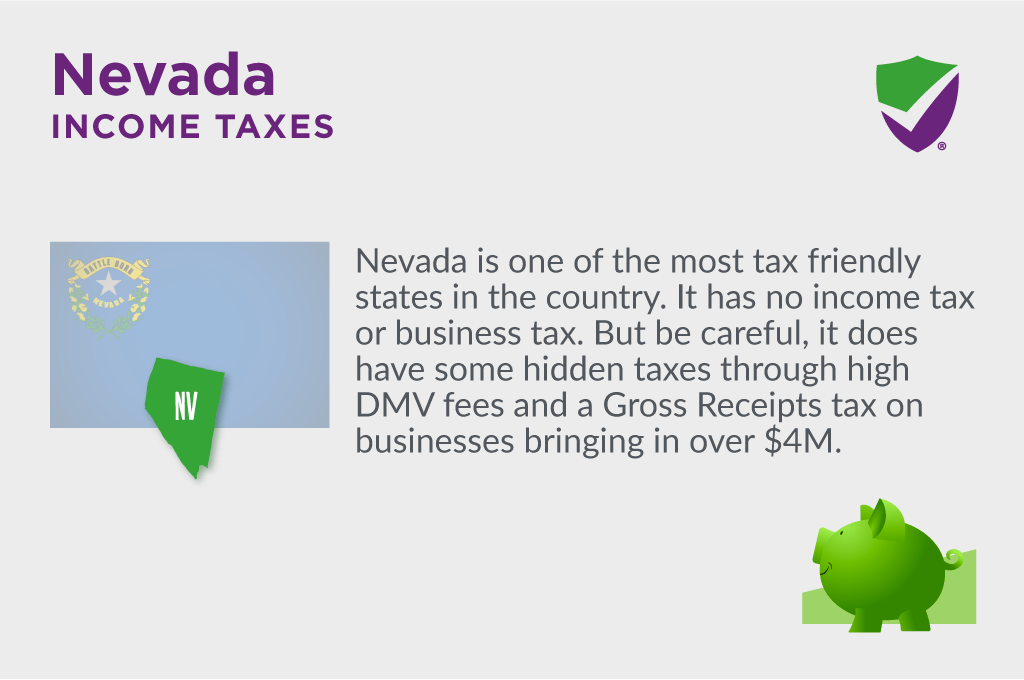
Nevada, often synonymous with dazzling lights, world-class entertainment, and sprawling desert landscapes, holds a unique fiscal position within the United States. For many travelers and prospective residents, a fundamental question arises: “Does Nevada Have State Taxes?” The answer, in short, is a resounding no, when it comes to state income tax. This distinctive tax structure is a cornerstone of Nevada’s appeal, influencing everything from its economic development strategies to its vibrant tourism industry. Understanding this tax landscape is crucial for anyone considering a visit, a relocation, or an investment in the Silver State.
The Absence of State Income Tax: A Defining Feature
Nevada stands as one of a select few states in the U.S. that does not impose a state-level income tax on individuals or corporations. This policy has been in place for decades and is a significant draw for both businesses and individuals seeking to maximize their disposable income or retain a larger share of their profits.

Historical Context and Rationale
The absence of state income tax in Nevada is not an accident but a deliberate policy choice rooted in its history and economic development goals. Early Nevada lawmakers recognized the potential for a tax structure that could attract investment and labor without the burden of income tax. This approach was intended to foster economic growth, particularly in sectors that thrive on consumer spending and business activity, such as gaming, tourism, and hospitality.
The rationale behind this policy often centers on the idea that by not taxing income, the state encourages individuals and businesses to spend and invest more within its borders. This increased economic activity, in turn, generates revenue through other means, such as sales and property taxes. This “no income tax” model has been a key factor in Nevada’s ability to attract major corporations and a growing population, contributing to the dynamic economic landscape of cities like Las Vegas and Reno.
Impact on Residents and Businesses
For residents, the lack of state income tax means more take-home pay and a higher disposable income. This can translate into increased spending on goods and services, contributing to the state’s economy. For businesses, it can mean lower operating costs, making Nevada a more attractive location for headquarters, manufacturing, and distribution centers. This has spurred significant growth in various sectors, from technology to logistics.
However, it’s important to note that this absence of income tax is balanced by other forms of taxation. Nevada relies heavily on other revenue streams to fund its state government and public services.
Nevada’s Revenue Streams: Beyond Income Tax
While Nevada’s income tax exemption is a major talking point, the state effectively funds its operations through a combination of other taxes. These include sales and use taxes, property taxes, gaming taxes, excise taxes, and various fees. Understanding these revenue sources provides a complete picture of Nevada’s fiscal policy.
Sales and Use Taxes: The Primary Engine
The most significant revenue generator for Nevada is its sales and use tax. This tax is levied on the sale of tangible personal property and certain services within the state. Both residents and visitors contribute to this tax base through their purchases.
- State and Local Rates: The combined state and local sales tax rate varies across Nevada. Cities and counties can add their own local sales taxes to the state rate, which can lead to significantly higher combined rates in popular tourist destinations like Las Vegas. This is a crucial consideration for shoppers and businesses operating in the state.
- Impact on Tourism: The sales tax is a substantial source of revenue for the state, and by extension, for funding services that enhance the visitor experience, such as infrastructure, public safety, and parks. While it represents a cost for consumers, it directly supports the state’s ability to provide services that attract and accommodate tourists.
- Exemptions and Credits: Certain goods and services may be exempt from sales tax, and there are provisions for tax credits and abatters for specific industries to encourage economic development.
Property Taxes: A Local Foundation
Property taxes form another crucial pillar of Nevada’s revenue system, primarily funding local government services such as schools, police, and fire departments.
- Assessment and Rates: Property is assessed based on its market value, and tax rates are set by local jurisdictions. While Nevada’s property tax rates are generally considered moderate compared to some other states, the assessed value of property can lead to substantial tax bills, especially in rapidly appreciating real estate markets.
- Impact on Homeownership and Businesses: Homeowners and businesses with real estate holdings contribute to this tax base. The stability and predictability of property tax revenue are vital for local government planning and service delivery.
Gaming Taxes: A Unique Nevada Contribution
As the home of Las Vegas, the gaming industry is a deeply ingrained part of Nevada’s economy and a significant source of state revenue.
- Taxation Structure: The state levies taxes on gross gaming revenue, with rates varying based on the volume of revenue generated by casinos. This tax is a direct contribution from the gaming industry to the state’s coffers.
- Economic Dependence: Nevada’s economy has historically been intertwined with gaming, and gaming taxes play a vital role in funding state operations. This revenue stream helps support education, infrastructure, and other public services that benefit both residents and the vast number of tourists who visit the state’s casinos and entertainment venues.
Other Taxes and Fees
Beyond these primary sources, Nevada collects revenue from various other taxes and fees, including:
- Excise Taxes: Taxes on specific goods like fuel, tobacco, and alcoholic beverages contribute to state revenue and often serve regulatory purposes.
- Business Licenses and Fees: Various licenses and fees are required for businesses to operate within the state, generating revenue and ensuring compliance with state regulations.
- Nevada Toll Roads: While not a widespread network, certain toll roads and bridges can generate revenue.
- Severance Taxes: For the mining industry, Nevada levies severance taxes on the extraction of certain natural resources.
Implications for Travelers and Tourists
The “no state income tax” policy has several direct and indirect implications for travelers visiting Nevada, particularly to popular destinations like Las Vegas.
Cost of Goods and Services
While you won’t pay state income tax on your earnings while vacationing in Nevada, you will pay sales tax on most purchases, including souvenirs, dining, and entertainment. The combined state and local sales tax rates in major tourist areas can be substantial, so it’s wise to factor this into your budget. For example, a meal or an outfit purchased in Las Vegas will include this tax.
Accommodation and Lodging
Hotels, resorts, and other lodging establishments in Nevada are subject to sales tax and potentially occupancy taxes. These taxes are typically included in the quoted room rate or added at checkout, so travelers should be aware of these additional costs when booking their stays at properties like the Bellagio Hotel & Casino or exploring options at The Venetian Resort Las Vegas. The variety of accommodation, from luxury suites to more budget-friendly options, all adhere to the state’s tax regulations.
Entertainment and Activities
The vibrant nightlife, shows, and attractions that define Nevada are also subject to sales tax. When purchasing tickets for a concert at Caesars Palace, a show on the Las Vegas Strip, or admission to a theme park, the sales tax will be applied. This means that the advertised price of an experience may not be the final amount you pay.
Budgeting Considerations
For travelers, understanding Nevada’s tax structure means budgeting not just for the base cost of goods and services but also for the added sales tax. This is particularly relevant for those planning extended stays or making significant purchases. For instance, a traveler considering a long-term rental or a vacation home in areas near Lake Tahoe might need to factor in property tax implications if they decide to purchase.
Nevada’s Economic Landscape: A Tax-Advantaged Haven
Nevada’s deliberate choice to forgo state income tax has profoundly shaped its economic development and its identity as a business-friendly state.
Attracting Businesses and Investment
The absence of corporate income tax, coupled with relatively low business operating costs, has made Nevada a magnet for businesses, particularly those in sectors that benefit from a favorable tax environment. This includes e-commerce giants, logistics companies, and manufacturing firms. The state actively promotes itself as a tax haven for corporations, a strategy that has successfully attracted significant investment and created numerous jobs. Companies establishing a presence in cities like Henderson or North Las Vegas often cite the state’s tax structure as a key factor in their decision.
Fostering a Culture of Consumer Spending
The higher disposable income resulting from no state income tax encourages robust consumer spending. This is a critical component of Nevada’s economy, as a significant portion of its revenue is derived from sales taxes generated by these expenditures. The thriving retail and service sectors in areas like Downtown Las Vegas are a direct beneficiary of this consumer confidence and spending power.

Balancing Revenue: The Role of Other Taxes
While the lack of income tax is a major draw, it necessitates a reliance on other, often more visible, taxes. The state has successfully balanced its budget and funded public services by maximizing revenue from sales taxes, gaming taxes, and property taxes. This creates a unique economic ecosystem where consumer spending and business activity are heavily taxed, offsetting the absence of income tax.
In conclusion, Nevada’s fiscal framework is characterized by the notable absence of state income tax, a policy that profoundly influences its economic landscape, attracts businesses and residents, and shapes the experience of visitors. While this exemption is a significant advantage, it is balanced by robust reliance on sales, property, and gaming taxes, demonstrating a strategic approach to revenue generation that has defined the Silver State’s economic identity for decades.
LifeOutOfTheBox is a participant in the Amazon Services LLC Associates Program, an affiliate advertising program designed to provide a means for sites to earn advertising fees by advertising and linking to Amazon.com. Amazon, the Amazon logo, AmazonSupply, and the AmazonSupply logo are trademarks of Amazon.com, Inc. or its affiliates. As an Amazon Associate we earn affiliate commissions from qualifying purchases.