
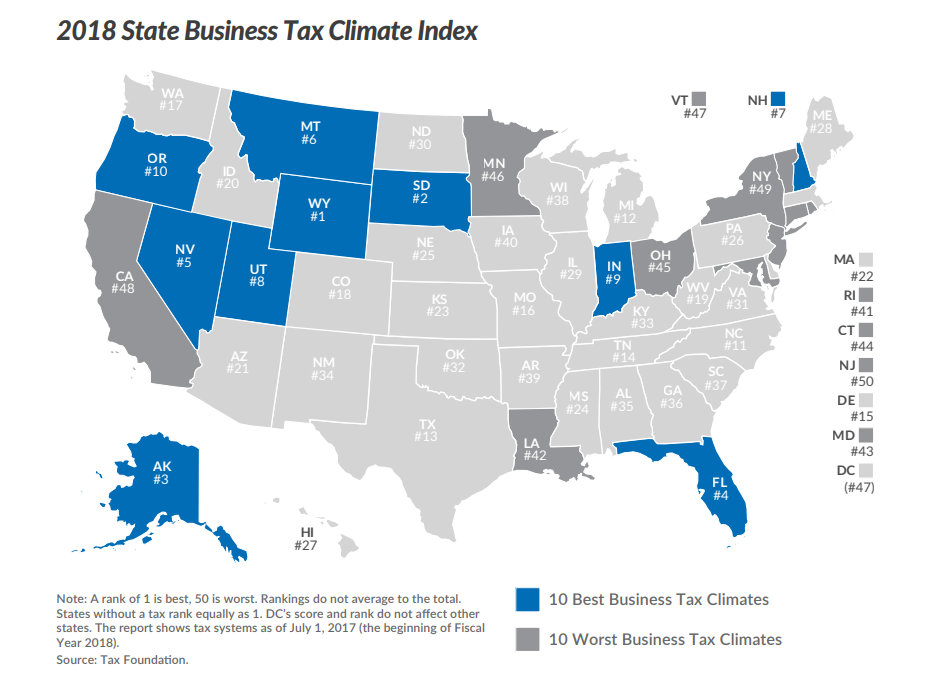
Embarking on a journey to the picturesque state of New Hampshire often conjures images of stunning White Mountains vistas, charming colonial towns, and the crisp, invigorating air of the New England coastline. Whether you’re planning a leisurely escape, a family adventure, or a business trip, understanding the financial landscape of your destination is paramount. For many travelers, a significant question looms large: does New Hampshire levy a state tax? This query is particularly relevant when considering budgeting for accommodation, dining, and the myriad of attractions this beautiful state offers. The good news for visitors is that New Hampshire stands out with a remarkably traveler-friendly tax structure, making it an appealing destination for those mindful of their travel expenses.
Understanding New Hampshire’s Tax Landscape for Visitors
When we talk about “state tax,” it can encompass several forms, including income tax and sales tax. New Hampshire has made deliberate policy choices that significantly impact how much visitors spend beyond the advertised price of goods and services. This approach has been instrumental in fostering a robust tourism industry, encouraging visitors to explore its diverse offerings without the added burden of a statewide retail sales tax.
The Absence of a State Sales Tax: A Major Draw
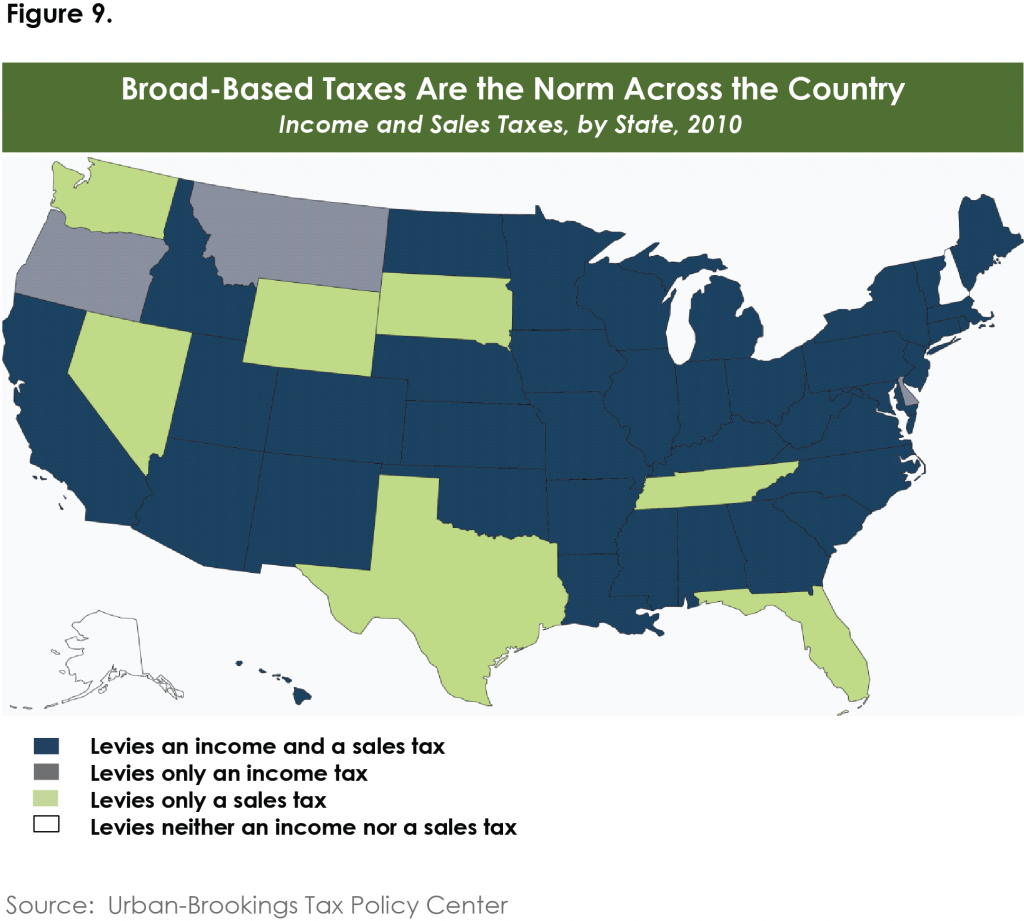
Perhaps the most significant and celebrated aspect of New Hampshire’s tax policy for tourists is the complete absence of a statewide general sales tax. This means that when you purchase items, from souvenirs in Portsmouth to outdoor gear in North Conway, the price you see is generally the price you pay. This can lead to considerable savings over the course of a trip, allowing travelers to allocate more of their budget towards experiences, dining, and accommodation.
This lack of a sales tax is a powerful incentive for shoppers, drawing people from neighboring states to take advantage of the tax-free environment. Beyond retail, this also extends to many services. While there are some specific exceptions and local taxes to be aware of, the general absence of a state sales tax simplifies budgeting and enhances the overall value proposition of visiting New Hampshire. For families looking to stretch their travel dollars, this is a welcome relief, making it easier to manage expenses for everything from groceries to attractions.
Income Tax: Primarily Affecting Residents, Not Tourists
Another common form of state tax is income tax. In New Hampshire, the taxation of income has historically been a unique aspect of its fiscal policy. For visitors, this is largely a non-issue. The state does not impose a general tax on wages or salaries earned by individuals working within its borders. However, it does levy a tax on interest and dividends earned from savings and investment accounts. This distinction is crucial. It means that while New Hampshire residents might be concerned with this specific tax on investment income, it does not typically affect the average tourist or vacationer.
The absence of a broad-based income tax on wages further contributes to New Hampshire’s appeal for businesses looking to relocate or expand, which indirectly benefits tourism by fostering economic growth and a generally prosperous environment. For travelers, the primary financial consideration remains the absence of a sales tax, which directly impacts their spending power during their visit.
Property Taxes: A Local Matter, Not for Tourists
While not directly impacting the average visitor’s spending on goods and services, it’s worth noting that New Hampshire does have property taxes. However, these are levied at the local level by cities and towns, not by the state government. Property taxes are primarily borne by property owners and are used to fund local services such as schools, police, and fire departments. This is a standard feature of taxation in the United States and does not represent an additional cost for tourists staying in hotels, resorts, or vacation rentals, as these are typically incorporated into the accommodation rates, which themselves are not subject to a state sales tax.
Navigating Local Taxes and Fees
While New Hampshire boasts no state sales tax, it’s important for travelers to be aware that certain local taxes or fees might apply in specific situations. For instance, hotels and other lodging establishments may charge occupancy taxes or room taxes. These are typically modest and are often clearly itemized on your bill. They are essentially local revenue-generating mechanisms rather than a statewide sales tax. Understanding these nuances ensures there are no unwelcome surprises when settling your bill after a delightful stay at a place like the Omni Mount Washington Resort or a cozy bed and breakfast in Concord.
Furthermore, some specific services or goods might be subject to excise taxes. These are usually applied to items like gasoline, tobacco, and alcoholic beverages, which is common across most states. The primary advantage for tourists remains the absence of a broad-based sales tax on everyday purchases, which significantly outweighs any minor local fees.
How New Hampshire’s Tax Policy Benefits Travelers

The tax structure in New Hampshire is not just a fiscal policy; it’s a strategic advantage for its tourism sector. By eliminating the state sales tax, New Hampshire positions itself as a more affordable and attractive destination, encouraging longer stays and repeat visits.
Enhanced Value for Accommodation and Experiences
For travelers booking accommodation, from luxurious suites in Hanover to charming apartments in Manchester, the absence of a state sales tax directly translates into savings. When comparing hotel rates, New Hampshire often appears more competitive because the advertised price is closer to the final cost. This also applies to the vast array of activities and attractions. Whether you’re visiting the historic Strawbery Banke Museum in Portsmouth, exploring the natural beauty of Franconia Notch State Park, or enjoying a scenic drive along the Kancamagus Highway, the money saved on everyday purchases can be reinvested into these experiences, enriching your trip.
A Shopper’s Paradise
The tax-free retail environment is a significant draw for shoppers. New Hampshire attracts visitors from neighboring states looking to purchase everything from electronics and clothing to furniture and specialty goods without the added burden of sales tax. This spillover effect benefits not only retail establishments but also the broader hospitality industry, as these shoppers often extend their visits, patronize local restaurants, and book overnight stays. Towns like Nashua and Concord become popular shopping destinations, further bolstering the state’s tourism economy.
Budget-Friendly Dining and Entertainment
While there’s no state sales tax, enjoying New Hampshire’s culinary scene and entertainment options is also more budget-friendly. A meal at a farm-to-table restaurant in the Monadnock Region or tickets to a show at the Capitol Center for the Arts in Concord will generally cost less than in states with a sales tax. This allows travelers to indulge more in the local culture, try a wider variety of dishes, and experience more of what New Hampshire has to offer without constantly worrying about the final bill.
Planning Your New Hampshire Getaway with Tax Savings in Mind
Understanding New Hampshire’s tax policies can significantly enhance your travel planning and budgeting. The absence of a state sales tax is a primary financial advantage that allows for greater flexibility and value.
Budgeting for Your Trip
When creating a budget for your New Hampshire vacation, focus on the core costs: accommodation, transportation, food, and activities. While you won’t need to add a percentage for state sales tax on most purchases, remember to account for potential local occupancy taxes on hotels, as well as any specific fees associated with attractions or tours. Researching these minor costs in advance can prevent surprises. For instance, when booking your stay at the Wentworth by the Sea, A Classic Resort, it’s wise to check for any applicable local taxes.
Maximizing Your Spending Power
With the savings from the absence of a state sales tax, you can potentially:
- Extend your stay: Enjoy an extra night or two exploring more of New Hampshire’s diverse regions, from the lakes to the mountains.
- Upgrade your experiences: Indulge in a fine dining experience, book a guided tour, or try an adventure activity like skiing at Attitash Mountain Resort.
- Shop for souvenirs and gifts: Take advantage of the tax-free shopping to bring home mementos from your trip.
- Enjoy more local cuisine: Explore more restaurants and sample a wider range of New Hampshire’s culinary offerings.
Exploring Beyond the Obvious
New Hampshire’s appeal extends far beyond its tax advantages. The state offers a rich tapestry of experiences for every type of traveler. For outdoor enthusiasts, the White Mountains National Forest provides unparalleled hiking, skiing, and scenic drives. History buffs can delve into the colonial past in Portsmouth or visit the historic sites in Concord. Families will find plenty to do, from amusement parks like Story Land to engaging museums. The vibrant cultural scene, charming small towns, and friendly locals all contribute to New Hampshire’s allure.
In conclusion, the answer to “Does New Hampshire Have A State Tax?” is a resounding “no” when it comes to a general sales tax, and for most visitors, this is the most impactful aspect. This deliberate policy choice makes New Hampshire a financially attractive and enjoyable destination, allowing travelers to make the most of their visit, whether they are seeking adventure in the mountains, relaxation by the sea, or cultural immersion in its historic towns. So, pack your bags and get ready to experience the Granite State, knowing your travel budget will go a little further.
LifeOutOfTheBox is a participant in the Amazon Services LLC Associates Program, an affiliate advertising program designed to provide a means for sites to earn advertising fees by advertising and linking to Amazon.com. Amazon, the Amazon logo, AmazonSupply, and the AmazonSupply logo are trademarks of Amazon.com, Inc. or its affiliates. As an Amazon Associate we earn affiliate commissions from qualifying purchases.