
When planning a journey to the picturesque state of New Hampshire, one of the fundamental aspects to consider, especially for budget-conscious travelers and those contemplating longer stays or even relocation, is its tax structure. The question “Does New Hampshire have an income tax?” is frequently on the minds of visitors and potential residents alike, particularly when comparing it to other destinations. The answer to this seemingly straightforward query is indeed significant, influencing financial planning for vacations, business trips, and even permanent moves to the Granite State.
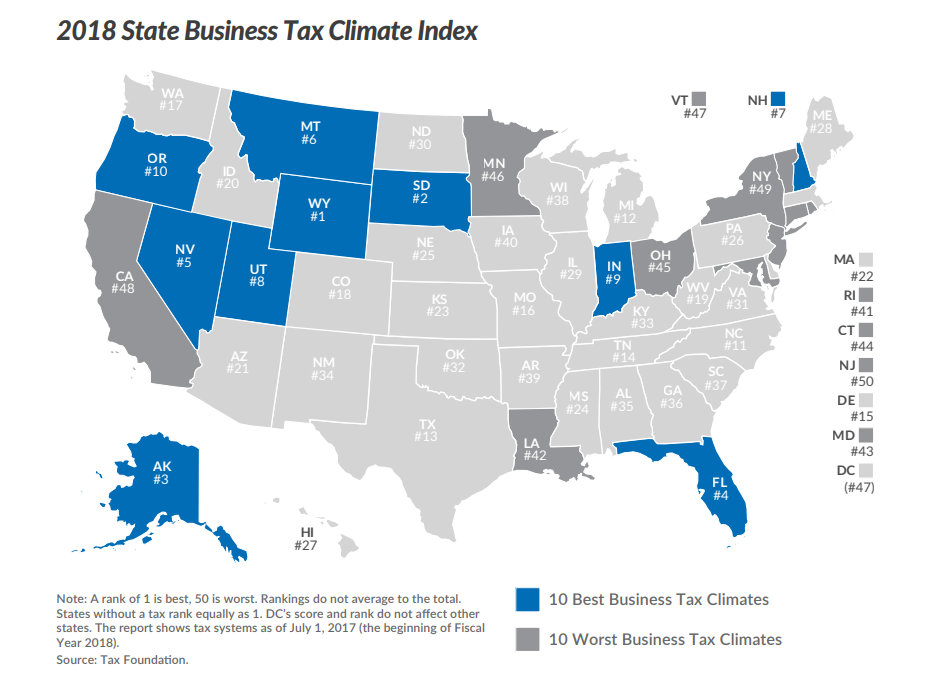
The absence of a broad-based individual income tax is one of New Hampshire’s most celebrated fiscal policies. This distinction is a major draw for many individuals and families seeking to maximize their disposable income. Unlike many other states that levy a percentage of an individual’s earnings, New Hampshire has chosen a different path. This can lead to substantial savings for those who earn a significant income, making it an attractive destination for those looking to escape the burden of state income taxes found elsewhere. This fiscal advantage can significantly impact the overall cost of a trip, the feasibility of a long-term stay, or the financial viability of establishing residency.

While the state boasts no income tax, it does rely on other forms of revenue to fund its public services. Understanding these alternatives is crucial for a comprehensive picture of New Hampshire’s tax landscape. This includes examining sales taxes (or the lack thereof), property taxes, and the excise taxes that contribute to the state’s coffers. By exploring these facets, one can gain a holistic understanding of the financial implications of visiting or living in this charming New England state, ensuring that travel plans and lifestyle decisions are made with complete financial awareness.
Navigating New Hampshire’s Tax Landscape: Beyond Income
The fiscal allure of New Hampshire is largely centered around its absence of a state income tax. However, this is not the entirety of the story when it comes to state and local taxation. For travelers, understanding these nuances can help in budgeting for various expenses beyond accommodation and activities. For those considering a longer stay or even relocation, a deeper dive into the tax structure is essential for comprehensive financial planning.
The Absence of State Income Tax: A Key Draw
The most significant aspect of New Hampshire’s tax policy for many is the lack of a state-level income tax. This means that individuals do not have to pay a percentage of their wages or salaries to the state government. This policy has been a cornerstone of New Hampshire’s appeal for decades, attracting individuals and businesses alike who prioritize lower tax burdens.
For travelers, this might translate to more disposable income for experiences, dining, or shopping during their visit. Imagine exploring the vibrant Seacoast region, from charming towns like Portsmouth with its historic waterfront and array of boutiques and restaurants, to the beautiful beaches of Hampton Beach. Or perhaps you’re drawn to the majestic White Mountains for hiking, skiing at resorts like Attitash Mountain Resort, or scenic drives along the Kancamagus Highway. The extra funds that would otherwise go towards state income tax can be reinvested into these memorable experiences, enhancing your travel adventures.
For those considering a business stay or even establishing a business in New Hampshire, the absence of an income tax can be a significant factor in profitability. This has contributed to the state’s reputation as a business-friendly environment. Think about the opportunities for corporate retreats or team-building events, where the financial advantages can make hosting such events in New Hampshire more appealing compared to other states.
Furthermore, for individuals contemplating a permanent move, this tax advantage is often a primary driver. Families looking for a higher quality of life without the substantial deductions from their paychecks can find New Hampshire exceptionally appealing. The savings can be directed towards educational pursuits, home improvements, or simply enjoying the many lifestyle benefits the state offers, from its abundant natural beauty to its strong sense of community.
The “Live Free or Die” Ethos and Fiscal Policy
The state’s motto, “Live Free or Die,” is often seen as an embodiment of its commitment to individual liberty and limited government intervention, which extends to its tax policies. The absence of an income tax is a tangible manifestation of this philosophy, resonating with a segment of the population that values fiscal autonomy. This ethos influences not only how the state is governed but also the overall lifestyle and culture that one can experience. Whether you’re exploring the historic sites of Concord, the state capital, or enjoying the tranquility of the Monadnock Region, this underlying principle of freedom often permeates the atmosphere.
Understanding New Hampshire’s Revenue Streams: Sales and Property Taxes
While New Hampshire foregoes income tax, it must generate revenue through other means. This is where the importance of understanding sales and property taxes becomes paramount for anyone visiting or considering a longer stay.
The Absence of a General Sales Tax
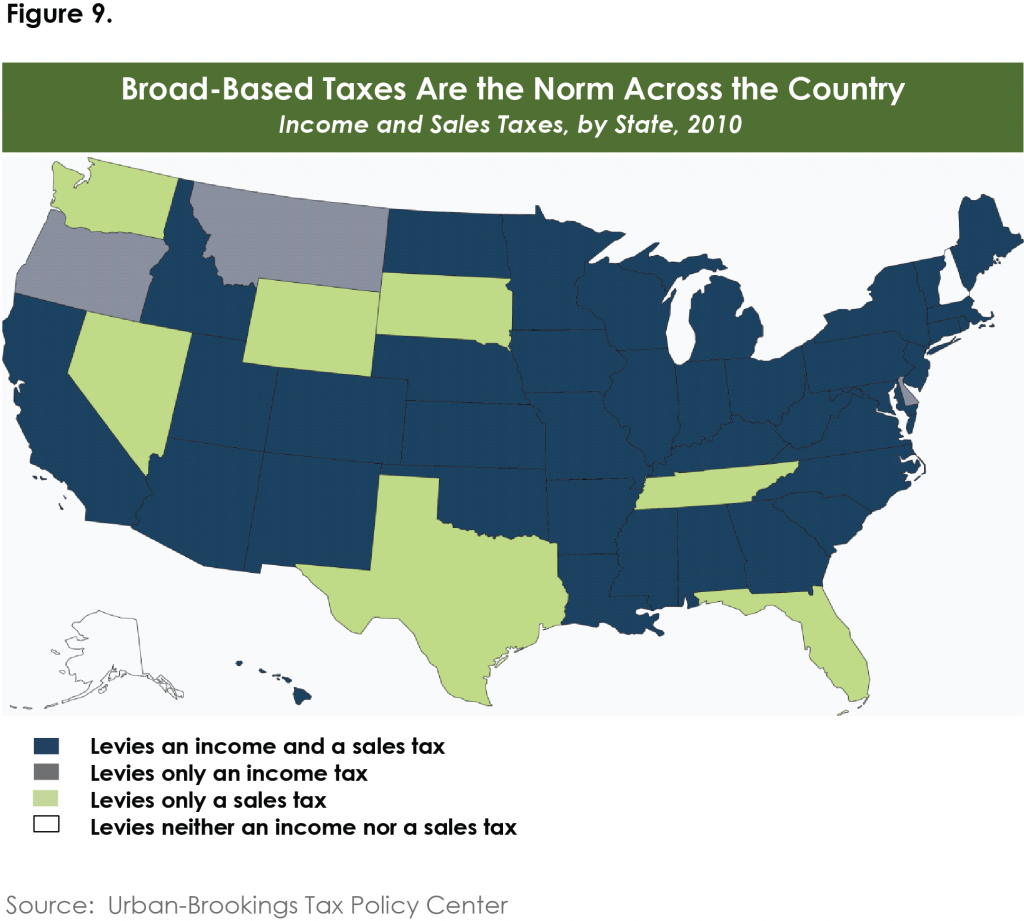
One of the most notable aspects of New Hampshire’s tax structure, in addition to the income tax, is the absence of a general statewide sales tax. This is a significant differentiator from many other states and can lead to considerable savings for consumers. When you purchase goods and services across New Hampshire, whether it’s souvenirs in North Conway, outdoor gear in the Lakes Region, or even groceries and clothing, you won’t encounter an additional percentage added at the point of sale for a state sales tax.
This makes shopping for personal items, gifts, or even larger purchases more economical. For families on vacation, this can mean more budget available for attractions like Story Land or visits to museums in Manchester. It also impacts businesses, as consumers are often drawn to states with no sales tax for their shopping needs. This policy can encourage retail spending within the state’s borders, benefiting local businesses and the overall economy.
Property Taxes: A Local Revenue Cornerstone
While there is no state income tax or general sales tax, New Hampshire does rely heavily on property taxes to fund local government services, including schools, police, fire departments, and local infrastructure. Property taxes are levied by individual towns and cities, meaning that the rates can vary significantly from one municipality to another. This is a crucial point for anyone considering purchasing property, renting long-term, or even understanding the cost of living in different areas.
For instance, a desirable vacation town or a popular residential area might have higher property tax rates to support the services and amenities that attract residents and visitors. Conversely, areas with fewer services might have lower rates. This variation is essential to research when comparing different locations within the state. If you’re looking at staying in a charming bed and breakfast in the historic town of Hanover, or perhaps a lakeside rental property in Meredith, understanding the local property tax implications, even if indirectly through rental costs, is beneficial.
For those contemplating a move, the property tax burden can be a substantial ongoing expense and should be factored into the overall cost of homeownership. It’s a trade-off: lower income and sales tax burden at the state level is offset by local property tax contributions. This system incentivizes local governance and community investment, as residents directly contribute to the services they receive in their immediate area.
Excise Taxes: Contributing to State Revenue
Beyond property taxes, New Hampshire also collects revenue through excise taxes. These are taxes levied on specific goods or activities, and they play a role in funding state services.
Taxes on Meals and Rooms
One of the most relevant excise taxes for travelers is the Meals and Rooms Tax. This tax is applied to prepared food and lodging within the state. The current rate is typically around 9% (this rate can change, so it’s always wise to check current regulations). This tax applies to restaurant meals, hotel stays, and other forms of paid accommodation.
So, if you’re staying at a resort in the White Mountains, dining at a fine restaurant in Portsmouth, or renting a vacation apartment in the Lakes Region, you will see this tax added to your bill. While it’s not a general sales tax, it’s an important consideration for budgeting your travel expenses. For example, a weekend getaway to a charming inn in Wolfeboro or a family trip to a hotel near Canobie Lake Park will include this tax on accommodation and any restaurant meals consumed.
Other Excise Taxes
New Hampshire also levies excise taxes on items such as tobacco, alcoholic beverages, and motor fuels. These taxes contribute to the state’s revenue stream and are common across many states. While less directly impactful on overall travel budgeting than the meals and rooms tax, they do contribute to the cost of goods and services within the state.
In summary, while the absence of an income tax is a defining feature of New Hampshire’s tax system, it is not the only financial consideration. Understanding the interplay of property taxes and excise taxes, particularly the meals and rooms tax, is crucial for accurate budgeting and financial planning, whether you’re visiting for a short vacation or contemplating a more extended stay in the Granite State.
LifeOutOfTheBox is a participant in the Amazon Services LLC Associates Program, an affiliate advertising program designed to provide a means for sites to earn advertising fees by advertising and linking to Amazon.com. Amazon, the Amazon logo, AmazonSupply, and the AmazonSupply logo are trademarks of Amazon.com, Inc. or its affiliates. As an Amazon Associate we earn affiliate commissions from qualifying purchases.