
New Hampshire, a state celebrated for its picturesque White Mountains and the serene Atlantic coastline, conjures images of crisp autumn foliage, charming colonial villages, and abundant outdoor recreation. For many visitors and even some residents, the Granite State’s allure lies in its accessible wilderness, from sprawling forests to rolling hills, offering a haven for hikers, campers, and nature enthusiasts. However, as with any region boasting diverse ecosystems, a natural curiosity arises regarding its inhabitants. Among the more intriguing questions is the presence of venomous snakes, specifically rattlesnakes. This inquiry is not merely academic; it touches upon safety considerations for outdoor adventurers and a broader understanding of the state’s biodiversity.
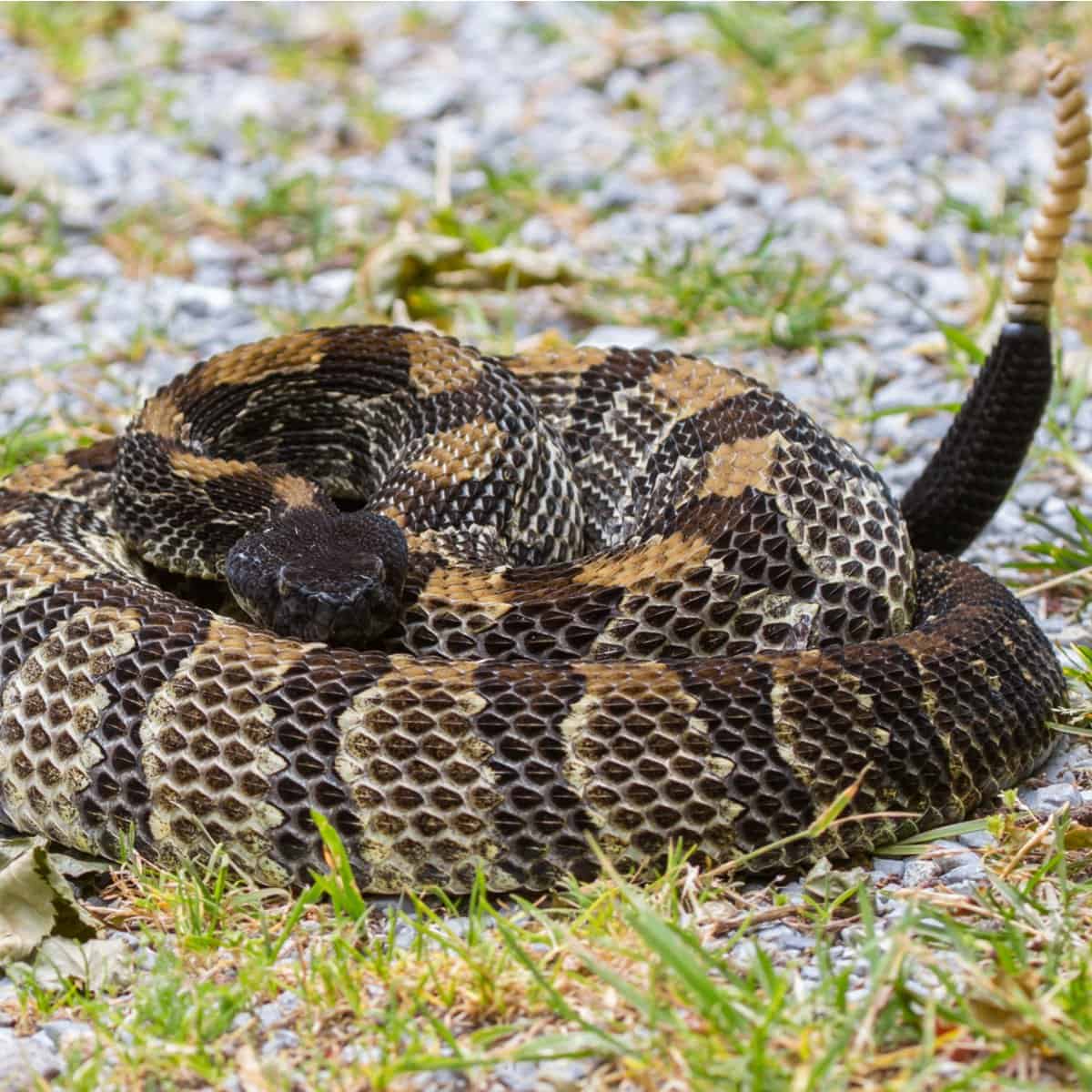
Understanding the Rattlesnake in New England
Rattlesnakes, a group of venomous snakes characterized by their distinctive rattle at the end of their tail, are a subject of both fascination and fear. Their presence in a region significantly impacts how people interact with the natural environment. In the context of New England, the question of rattlesnake presence becomes particularly pertinent as the region’s varied topography can indeed support a range of reptilian life.
The Timber Rattlesnake: A Ghost of the Past?
Historically, the Timber Rattlesnake (Crotalus horridus) was the primary, and indeed the only, species of rattlesnake known to inhabit New England. These impressive reptiles are among the largest venomous snakes in North America. Their presence in the northeastern United States is often associated with specific habitat requirements, favoring rocky outcrops, steep wooded slopes, and southern-facing ledges that provide basking opportunities. These conditions are crucial for their thermoregulation and for raising their young.
In New Hampshire, the story of the timber rattlesnake is largely one of historical observation and conservation efforts. Records and anecdotal evidence suggest that timber rattlesnakes were once more widespread in the state, particularly in the southern and central regions. However, like many species, their populations have faced significant declines due to habitat loss, fragmentation, and historical persecution.
Evidence of Presence in New Hampshire
The question of “does New Hampshire have rattlesnakes?” is not a simple yes or no. While the state is not currently considered to have a robust or widespread rattlesnake population, the possibility of their existence, even in small numbers or as transient individuals, cannot be entirely dismissed.
For decades, the official stance and scientific consensus have been that the timber rattlesnake is extirpated, or locally extinct, from New Hampshire. This means that no confirmed breeding populations or regular sightings have been documented for a considerable period. The last confirmed sighting of a timber rattlesnake in New Hampshire was reported many years ago, leading to its classification as a species of concern for potential extirpation by state wildlife agencies.
However, nature often surprises us. The vastness of New Hampshire’s woodlands, particularly in areas with suitable rocky terrain, leaves a slim possibility for undetected individuals or small, isolated populations. Wildlife biologists remain vigilant, and while the chances of encountering a rattlesnake during a typical hike are exceedingly low, the potential for their presence, however remote, warrants consideration.
Conservation Status and Protection
The concern for the potential presence of timber rattlesnakes in New Hampshire is not just about identifying a species; it’s about conservation. If any individuals or populations do persist, they are likely extremely vulnerable.
State Wildlife Efforts
New Hampshire’s Fish and Game Department, through its Nongame and Endangered Wildlife Program, is responsible for monitoring and protecting the state’s diverse wildlife, including species that are rare or endangered. While the timber rattlesnake is not currently listed as endangered in New Hampshire (due to the lack of confirmed populations), it is often a species of focus in broader regional conservation planning for New England.
The program engages in habitat assessments and occasionally conducts surveys in areas historically known to support timber rattlesnakes. These efforts are part of a larger strategy to understand the status of species that may be on the brink of disappearing from the state. The data collected helps inform conservation strategies, which might include habitat restoration or protection if any evidence of persistence were to emerge.
Regional Considerations
It’s important to note that New Hampshire is part of a larger ecological region where timber rattlesnakes do exist. Neighboring states, such as Massachusetts and Connecticut, have documented populations of timber rattlesnakes, albeit often in small, protected areas. These populations require careful management and public awareness. The potential for a timber rattlesnake to cross state lines, though rare, is a consideration in regional wildlife management discussions.
The decline of the timber rattlesnake across its range is a complex issue, driven by habitat loss due to development, agriculture, and urban sprawl. Furthermore, human-related mortality, often stemming from fear and a lack of understanding, has contributed significantly to their dwindling numbers. Conservationists advocate for education and responsible land management practices to protect these species wherever they may exist.

What to Do If You Encounter a Snake in New Hampshire
While the likelihood of encountering a rattlesnake in New Hampshire is extremely low, it is always prudent to be aware of potential wildlife and to know how to react safely. New Hampshire is home to several non-venomous snake species, such as the Garter Snake, the Milk Snake, and the Black Racer, which are commonly seen and pose no threat.
Safety First: Respect Wildlife
The primary rule when encountering any snake, venomous or not, is to give it space. Snakes are generally not aggressive and will only strike if they feel threatened or cornered.
- Observe from a distance: If you see a snake, admire it from a safe distance. Do not attempt to approach, touch, or handle it.
- Do not provoke: Avoid throwing rocks, sticks, or any other objects at the snake. This will only make it feel threatened.
- Educate yourself: Learn to identify common non-venomous snakes in the area. This can help alleviate unnecessary fear.
- Supervise children and pets: Ensure that children and pets do not disturb snakes they might encounter.
What if it Might Be a Rattlesnake?
In the unlikely event that you encounter a snake that you suspect could be a rattlesnake (though, again, this is highly improbable in New Hampshire):
- Stay calm and slowly back away: Do not make any sudden movements. Move away from the snake’s path.
- Do not attempt to capture or kill it: This is the most dangerous thing you can do and can lead to severe injury. Remember that rattlesnakes are protected wildlife, and harming them is illegal.
- Note its location (from a safe distance): If you are concerned or believe you have seen a potentially significant species, note the general location and habitat type.
- Report to authorities (if necessary): If you have strong reason to believe you have encountered a venomous snake and feel it poses an immediate threat (e.g., in a heavily populated area or near a playground), you can contact local authorities or the New Hampshire Fish and Game Department. However, be prepared for them to confirm the rarity of such an encounter.
Common Non-Venomous Snakes of New Hampshire
To further alleviate concerns, understanding the common, harmless snakes of New Hampshire is beneficial for any visitor or resident exploring the state’s natural beauty.
- Eastern Garter Snake (Thamnophis sirtalis): The most common snake in New Hampshire, easily identifiable by its longitudinal stripes. Found in a variety of habitats.
- Common Milk Snake (Lampropeltis triangulum): Recognizable by its saddle-like brown or reddish blotches bordered by black. Often found near rocky areas or old stone walls.
- Eastern Black Racer (Coluber constrictor): A slender, fast-moving snake that is typically uniformly black. They prefer open, sunny habitats.
- Northern Ring-necked Snake (Diadophis punctatus edwardsii): A small, secretive snake with a distinctive yellow or orange ring around its neck.
These species are vital components of the ecosystem, helping to control rodent populations and serving as prey for other animals. Their presence is a positive sign of a healthy environment.
Exploring New Hampshire’s Natural Wonders Safely
New Hampshire offers a wealth of natural beauty and outdoor activities. From the challenging peaks of the Presidential Range to the tranquil shores of Lake Winnipesaukee, the state invites exploration. Understanding the potential wildlife, however rare, is part of responsible adventuring.
Hiking and Camping Recommendations
When venturing into New Hampshire’s forests, state parks like Franconia Notch State Park, or along the Appalachian Trail, visitors should always be prepared.
- Wear appropriate footwear: Sturdy hiking boots protect your feet and ankles and offer some defense against unseen ground hazards.
- Stay on marked trails: This minimizes habitat disturbance and reduces the chance of surprising wildlife.
- Be aware of your surroundings: Pay attention to where you are stepping and placing your hands, especially in rocky or overgrown areas.
- Carry a fully charged cell phone: While cell service can be spotty in remote areas, it can be crucial in an emergency.
- Inform someone of your plans: Let a friend or family member know where you are going and when you expect to return.
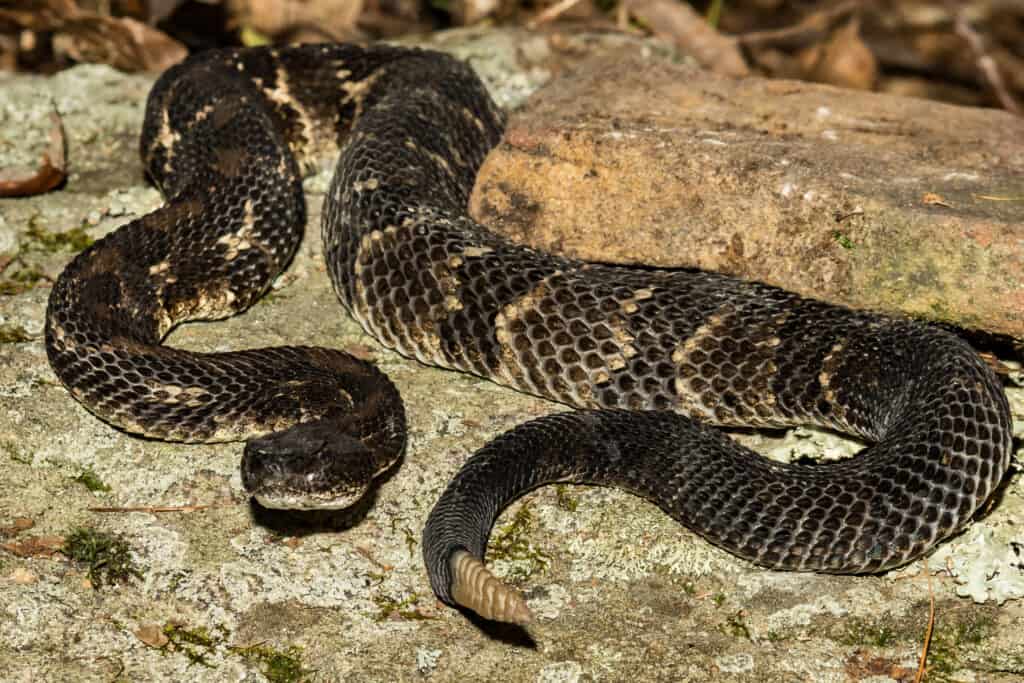
The Broader Context of Wildlife Tourism
New Hampshire’s appeal as a travel destination is deeply intertwined with its natural landscapes. Visitors come for the crisp air, the stunning vistas, and the opportunity to connect with nature. While the presence of rattlesnakes might be a topic of discussion, the overwhelming reality is that encounters are exceptionally rare, and the vast majority of wildlife encountered will be harmless and fascinating. The true marvel of New Hampshire’s wilderness lies in its diverse and generally peaceful inhabitants. Focusing on the common and celebrated aspects of its wildlife, such as birdwatching in the Monadnock region or observing deer in the early morning light, offers a more representative and enjoyable experience of the state’s natural treasures. The conservation of all species, including the historically present timber rattlesnake, ultimately contributes to the richness and health of the ecosystems that make New Hampshire such a special place to visit and explore.
LifeOutOfTheBox is a participant in the Amazon Services LLC Associates Program, an affiliate advertising program designed to provide a means for sites to earn advertising fees by advertising and linking to Amazon.com. Amazon, the Amazon logo, AmazonSupply, and the AmazonSupply logo are trademarks of Amazon.com, Inc. or its affiliates. As an Amazon Associate we earn affiliate commissions from qualifying purchases.