
When planning a trip to the picturesque landscapes of New Hampshire, understanding the financial aspects of your purchases is crucial for budgeting and avoiding any unexpected costs. The state’s unique tax policies, particularly regarding sales tax, can significantly influence how you spend your money. This exploration delves into whether New Hampshire imposes a state sales tax, its implications for travelers and residents alike, and what this means for your overall experience in the Granite State.
The Absence of a State Sales Tax: A Budgetary Advantage
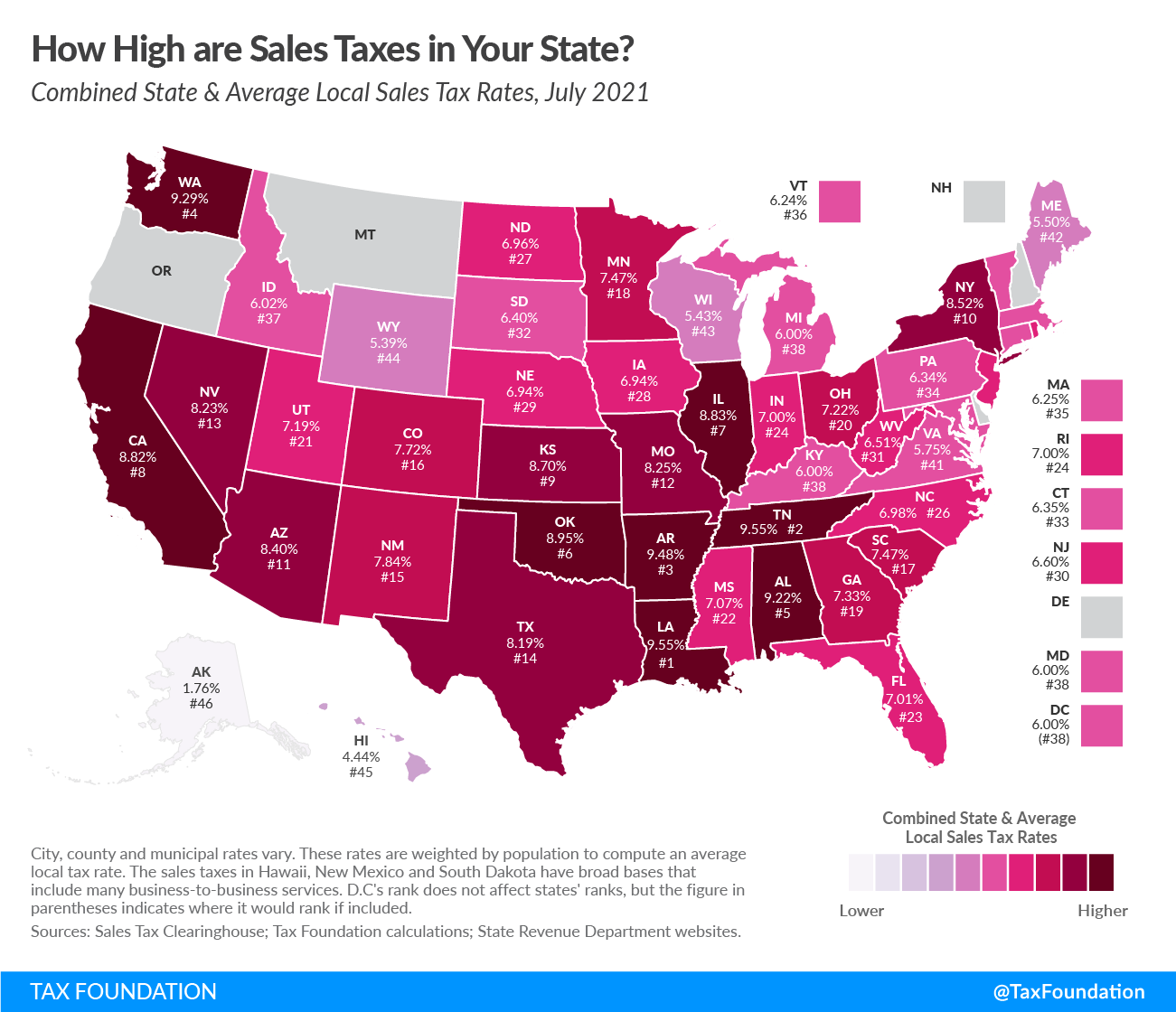
New Hampshire stands out among its neighboring states for its distinctive approach to state-level taxation. The most notable aspect for consumers is the complete absence of a general state sales tax. This policy is a cornerstone of the state’s economic philosophy, aiming to attract businesses and consumers by offering a tax-free shopping environment.
What “No Sales Tax” Truly Means for Consumers
For visitors and locals, the lack of a state sales tax translates into direct savings on a wide range of goods and services. When you purchase items like clothing, electronics, souvenirs, or even restaurant meals in New Hampshire, the price you see at the register is the price you pay, without the addition of a percentage-based sales tax. This can make a noticeable difference, especially for larger purchases or when stocking up on necessities.
Consider a scenario where you’re buying a new piece of outdoor gear for exploring the White Mountains or a unique handicraft from a local artisan in a town like Portsmouth. The absence of sales tax means your budget stretches further, allowing for more exploration, dining, or simply keeping more of your hard-earned money. This tax-free advantage is a significant draw for shoppers from neighboring states like Massachusetts and Vermont, who often make day trips or weekend excursions specifically to take advantage of this policy.
Implications for Different Types of Purchases
The “no sales tax” rule generally applies to tangible personal property. This includes most retail goods. However, it’s important to note that this policy is specifically for state sales tax. Other taxes, such as property taxes and specific excise taxes, do exist at the state and local levels.
For instance, while you won’t pay sales tax on a new pair of hiking boots, you will still encounter taxes on items like gasoline, which have state excise taxes. Similarly, lodging within hotels and other forms of accommodation are subject to a separate Rooms and Meals Tax, which we will discuss further. The primary benefit of the absence of state sales tax is on the purchase of goods.
Understanding the Rooms and Meals Tax
While New Hampshire is celebrated for its lack of a state sales tax on goods, it’s crucial to understand that this exemption does not extend to all transactions. The state does levy a tax on accommodations and prepared food and beverages sold by restaurants and similar establishments. This is known as the Rooms and Meals Tax.
The Mechanics of the Rooms and Meals Tax
The Rooms and Meals Tax is a significant component of New Hampshire’s tax revenue, offsetting the revenue lost from not having a general sales tax. The current rate for this tax is typically 9%. This tax is applied to the cost of hotel rooms, motel stays, and other lodging, as well as to meals, beverages, and other food products purchased for immediate consumption.
This means that when you book a stay at a charming inn in the Lakes Region or enjoy a meal at a renowned seafood restaurant overlooking the Atlantic Ocean in Rye, the final bill will include this 9% tax. While this might seem like a sales tax, it’s a specifically designated tax on these particular services.
How the Rooms and Meals Tax Affects Travelers
For travelers, this tax directly impacts the cost of lodging and dining out. It’s essential to factor this 9% into your budget when estimating expenses for your vacation or business trip. For example, if you’re planning to stay for a week at a resort in North Conway, the total cost of your accommodation will be higher than the advertised room rate due to this tax.
Similarly, indulging in the local culinary scene, which is a highlight for many visitors, will also see the addition of the Rooms and Meals Tax. This includes everything from a casual breakfast at a diner to a fine dining experience at a restaurant in Manchester. Understanding this distinction ensures that your financial planning is accurate and prevents any unpleasant surprises.
Other Taxes to Be Aware Of
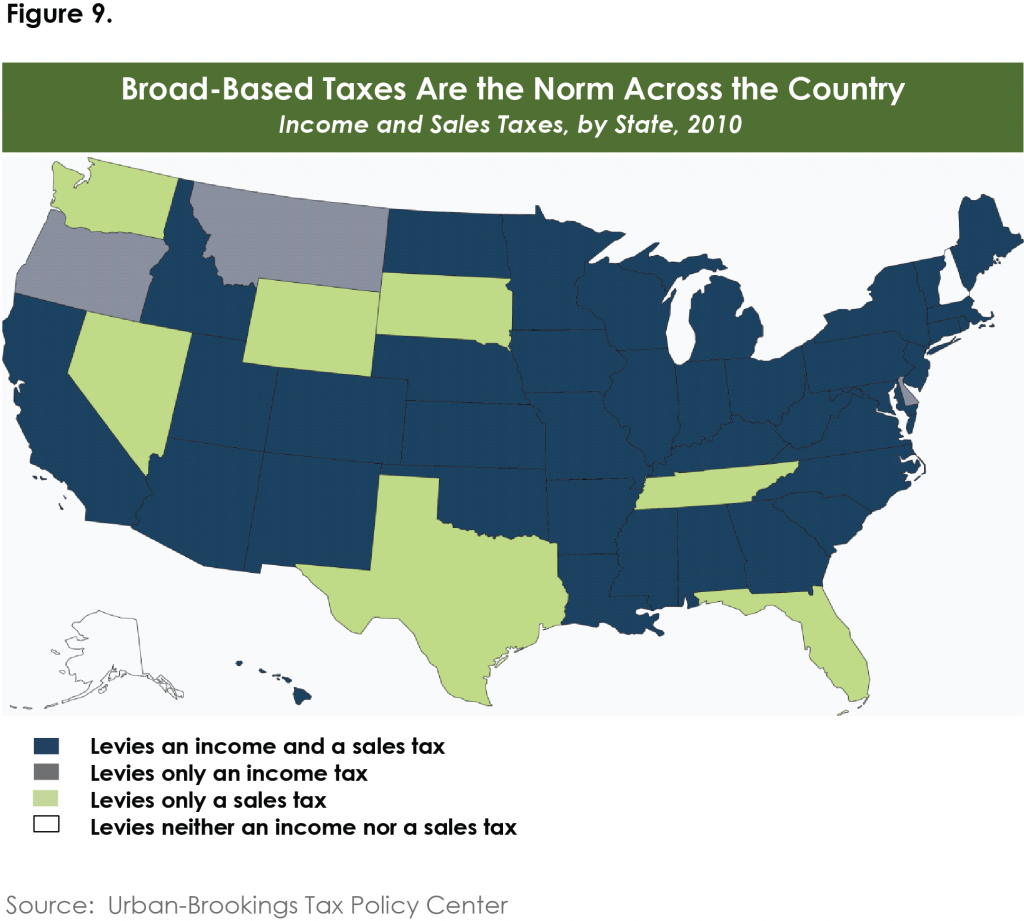
Beyond the state sales tax and the Rooms and Meals Tax, New Hampshire has other tax structures that might affect your spending or financial considerations while you are in the state. While these are not direct sales taxes on most goods, they are part of the overall tax landscape.
Property Taxes and Their Impact
New Hampshire relies heavily on property taxes to fund local services, such as schools and municipal infrastructure. While this is primarily a concern for homeowners and businesses, it indirectly influences the cost of goods and services. Higher property taxes can lead to increased operating costs for businesses, which may, in turn, be reflected in the prices of their products and services, even in the absence of a sales tax. For visitors, this typically manifests as part of the overall cost of living and doing business within the state.
Business Taxes and Their Influence
New Hampshire levies taxes on business profits, which is another significant source of state revenue. This corporate tax, along with other business-related levies, forms part of the state’s fiscal structure. While not directly paid by consumers at the point of sale for most goods, these taxes influence the economic environment. Businesses that are more profitable due to lower consumer-facing taxes might invest more, create jobs, or potentially offer more competitive pricing. Conversely, businesses with higher overheads due to other tax burdens might adjust their pricing accordingly.
Excise Taxes on Specific Goods
As mentioned earlier, certain goods are subject to state excise taxes. The most common examples include taxes on gasoline and tobacco. These taxes are added to the price of these specific items and are a consistent revenue stream for the state, funding infrastructure projects and public health initiatives, respectively. When you fill up your car at a gas station in Concord or purchase cigarettes, you will see these excise taxes reflected in the final price.
Strategic Shopping and Planning in New Hampshire
The unique tax structure of New Hampshire presents both opportunities and considerations for consumers. Being aware of these policies allows for more informed purchasing decisions and better financial planning.
Leveraging the Tax-Free Advantage for Goods
The absence of a state sales tax on most goods is a significant advantage for shoppers. This makes New Hampshire a desirable destination for purchasing items that might be subject to higher taxes elsewhere. For instance, individuals looking to buy vehicles, furniture, or large electronics might consider shopping in New Hampshire to save money on sales tax. This is particularly true for residents of neighboring states who can easily cross the border for their shopping needs.
Consider planning larger purchases around a visit to a New Hampshire city or town. Whether you’re in the market for a new appliance, a wardrobe update, or gifts for loved ones, the tax-free environment can lead to considerable savings. This policy fosters a competitive retail landscape, as businesses in New Hampshire aim to attract customers who value the cost savings.
Budgeting for Lodging and Dining
While shopping for goods is tax-free, it’s crucial to remember the Rooms and Meals Tax when budgeting for your trip. Always factor in an additional 9% for accommodation and dining expenses. This will help you avoid underestimating your travel costs and ensure a smoother, more enjoyable experience. Many booking websites and restaurant menus will often list prices before taxes, so be prepared to see the final amount increase at checkout or on your final bill.
For travelers seeking to minimize costs, consider self-catering accommodations where possible, or explore dining options that might be less formal and thus have a lower base price, reducing the impact of the 9% tax. However, even with this tax, New Hampshire’s overall affordability, especially for goods, can still make it an attractive destination.

Understanding Local Economic Drivers
New Hampshire’s tax policies are designed to stimulate economic activity. The absence of a sales tax encourages consumer spending, while the Rooms and Meals Tax ensures that the hospitality sector contributes to state revenue. Understanding these economic drivers can provide a deeper appreciation for the state’s approach to governance and taxation. It highlights a deliberate strategy to foster commerce and attract visitors by creating a favorable environment for purchases.
For example, the success of tourist destinations like Lake Winnipesaukee and the numerous ski resorts in the winter months is partly buoyed by the ability of visitors to spend money on goods without the added burden of sales tax. This, combined with a vibrant local food scene that benefits from the Rooms and Meals Tax, creates a dynamic economic ecosystem.
In conclusion, New Hampshire’s tax landscape is characterized by the notable absence of a state sales tax on most goods, making it an appealing destination for shoppers. However, travelers and residents alike must be aware of the Rooms and Meals Tax, which applies to lodging and dining. By understanding these distinctions and planning accordingly, you can fully enjoy all that the Granite State has to offer while managing your finances effectively.
LifeOutOfTheBox is a participant in the Amazon Services LLC Associates Program, an affiliate advertising program designed to provide a means for sites to earn advertising fees by advertising and linking to Amazon.com. Amazon, the Amazon logo, AmazonSupply, and the AmazonSupply logo are trademarks of Amazon.com, Inc. or its affiliates. As an Amazon Associate we earn affiliate commissions from qualifying purchases.