
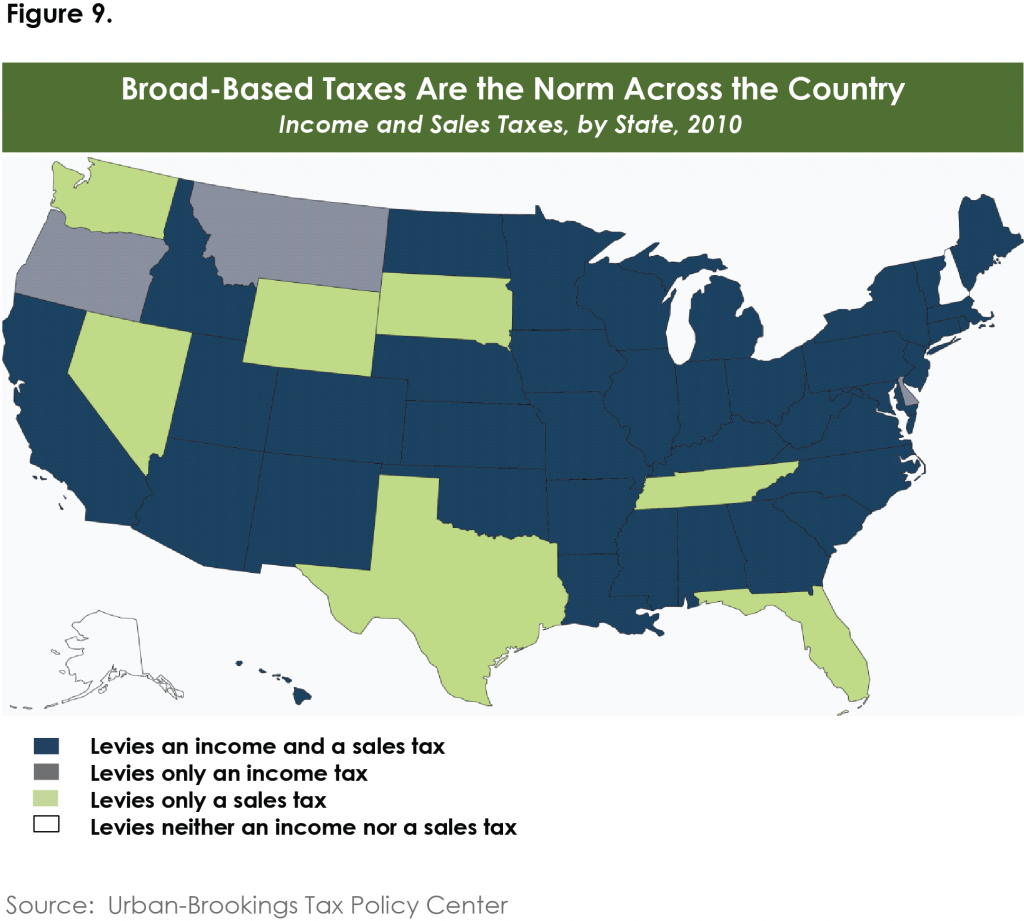
New Hampshire, often affectionately known as the Granite State, stands out distinctively among its New England neighbors in the United States for a compelling reason: its unique tax structure. For travelers, prospective residents, and businesses alike, understanding New Hampshire’s fiscal policies is crucial, as they profoundly influence everything from holiday budgeting to long-term relocation decisions. The straightforward answer to the question “Does New Hampshire have state taxes?” is a resounding “No” when it comes to two of the most commonly discussed levies: state sales tax and state personal income tax. However, this simplicity often masks a more nuanced reality that warrants a deeper exploration, especially for those considering a visit or a permanent move to this picturesque corner of the country.
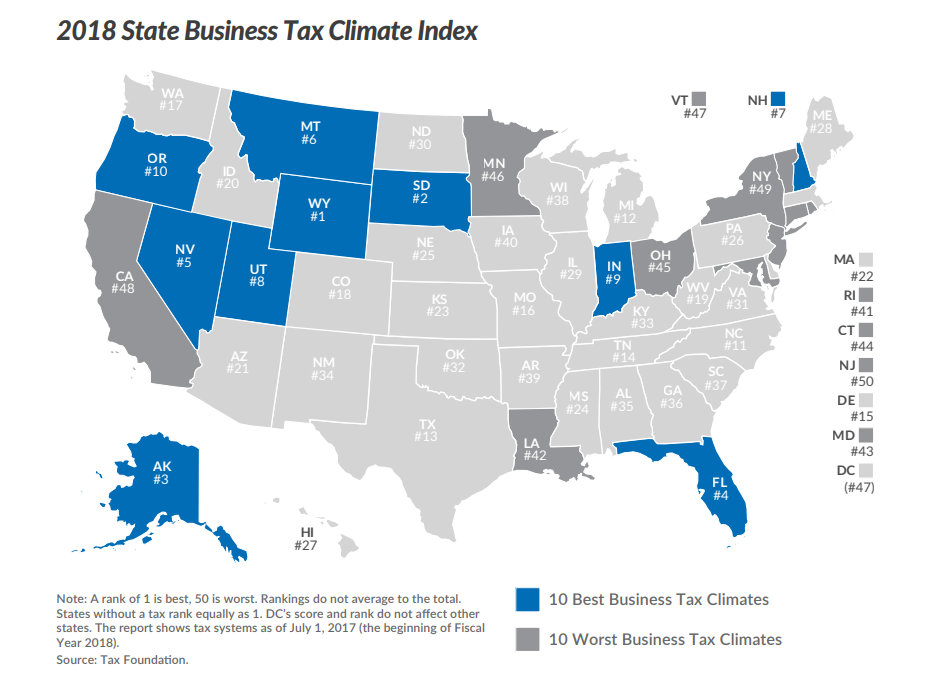
This lack of broad-based sales and income taxes has sculpted New Hampshire’s identity, fostering a vibrant tourism industry centered around shopping, making it an attractive destination for visitors seeking value, and creating a strong economic environment that appeals to individuals and companies. While the absence of these two major taxes is a significant draw, it’s important to recognize that the state funds its public services through other revenue streams. These include a substantial reliance on property taxes, business taxes, and a “Meals & Rooms” tax that directly impacts the cost of tourism-related services. For anyone planning a trip, considering a stay, or even dreaming of a new lifestyle in New Hampshire, delving into these fiscal details provides a clearer picture of what to expect and how to maximize the experience.
Understanding New Hampshire’s Tax Landscape
The Granite State’s tax model is often heralded as a beacon of fiscal conservatism, designed to attract both residents and businesses seeking relief from higher tax burdens commonly found in neighboring states like Massachusetts, Vermont, or Maine. This deliberate strategy has far-reaching implications, influencing everything from daily shopping habits to the strategic planning of major corporations.
The Allure of No Sales or Income Tax
The most celebrated aspects of New Hampshire’s tax system are undoubtedly the absence of a statewide sales tax and a general personal income tax. This unique dual exemption creates immediate financial benefits for various stakeholders.
For shoppers and tourists, the lack of a sales tax means that the price tag you see is precisely what you pay, without any additional percentage tacked on at the register. This makes New Hampshire a retail magnet, drawing visitors from across New England and beyond specifically for tax-free shopping. From high-end boutiques in Portsmouth to outlet malls in North Conway and major retailers in Manchester and Nashua, the state offers a compelling incentive for retail therapy. This also extends to larger purchases such as electronics, furniture, or even vehicles, where the savings can be substantial. For families planning a vacation, knowing that souvenir purchases, clothing, and other necessities won’t incur an extra sales tax can significantly stretch their travel budget, allowing for more experiences or higher quality goods.
For residents, the absence of a broad-based personal income tax is a primary driver for relocation to New Hampshire. This means that wages, salaries, and most other forms of earned income are not subject to a state-level levy. This can lead to a higher net take-home pay compared to states with income taxes, potentially improving the quality of life and providing more disposable income for housing, leisure, or savings. While New Hampshire historically taxed interest and dividends income, this tax is in the process of being phased out, with a full repeal slated for 2027, further solidifying the state’s low-income tax profile. This policy is particularly appealing to retirees and professionals, contributing to a vibrant and diverse demographic across the state.
Other Taxes to Consider: Property and Meals & Rooms
While the absence of sales and income taxes is a major headline, it’s crucial to understand how New Hampshire funds its robust public services, including schools, roads, and local infrastructure. This is primarily achieved through a higher reliance on other forms of taxation, most notably property taxes and the Meals & Rooms tax.
Property Taxes: New Hampshire is known for having some of the highest property tax rates in the United States. This is largely due to the fact that local municipalities depend heavily on property taxes to fund schools and municipal services, compensating for the lack of state-level sales and income tax revenue shared with local governments. For prospective residents, especially those considering purchasing real estate, understanding the local property tax rates is paramount. These rates can vary significantly from town to town, influencing housing affordability and the overall cost of living. For example, a picturesque lakeside cottage in a desirable area might come with a substantial annual property tax bill, a factor that must be weighed against the savings from no state income or sales tax. However, these taxes directly contribute to the excellent quality of local schools and well-maintained public services, which are often cited as major benefits by residents.
Meals & Rooms Tax (Rentals & Meals Tax): This is a key tax for tourists and anyone utilizing hospitality services in New Hampshire. The Meals & Rooms tax is applied to prepared food and beverages purchased from restaurants, hotels, and other eating establishments, as well as to charges for occupancy in hotels, motels, bed and breakfasts, and similar accommodations. The current rate is 8.5%, a percentage that directly impacts the cost of dining out and staying overnight. For travelers, this means that while your retail purchases are tax-free, your dining expenses and hotel bills will include this state levy. This tax is a significant revenue generator for the state, directly supported by the vibrant tourism sector. It helps fund state operations and contributes to the infrastructure that supports tourism, making it a sustainable model. When budgeting for a trip, visitors should factor in this 8.5% addition to their food and lodging expenses, allowing for accurate financial planning for their New Hampshire adventure.
In addition to these, businesses operating in New Hampshire are subject to specific corporate taxes, such as the Business Profits Tax (BPT) and the Business Enterprise Tax (BET), designed to ensure that commercial entities contribute to the state’s economy.
The Impact on Travel and Tourism in New Hampshire
New Hampshire’s tax structure profoundly shapes its appeal as a tourist destination, influencing everything from how visitors budget their trips to the types of businesses that thrive within its borders. The combination of tax benefits and scenic beauty creates a compelling draw for millions each year.
Budgeting Your New Hampshire Getaway
For travelers, the absence of a state sales tax is arguably the most tangible and immediate benefit. This advantage transforms shopping into a key component of the New Hampshire travel experience. Visitors flock to various retail hubs, knowing they can save considerably on purchases ranging from everyday essentials to luxury items. Towns like North Conway, with its popular outlet centers, and cities such as Manchester and Nashua with their diverse retail landscapes, become prime destinations for those looking to maximize their spending power. Whether it’s stocking up on outdoor gear before hitting the White Mountains trails or buying gifts and souvenirs, the tax-free environment sweetens the deal.
However, as mentioned, the 8.5% Meals & Rooms tax is an important consideration for budgeting. This tax applies to all prepared foods and beverages, whether you’re enjoying fresh seafood in Portsmouth, savoring a craft beer in Concord, or dining at a fine restaurant in a ski resort area like Bretton Woods. Similarly, overnight stays in any type of accommodation—from luxurious suites at the Omni Mount Washington Resort to cozy bed and breakfasts or family-friendly hotels near Lake Winnipesaukee—will have this tax added to the bill. Savvy travelers often factor this into their plans by allocating a specific portion of their budget for dining and lodging, appreciating that these funds contribute directly to the state’s ability to maintain its stunning attractions and infrastructure. For those on a tighter budget, self-catering accommodation options, such as vacation rentals with kitchens, can help mitigate dining costs, allowing them to enjoy the scenic beauty without constantly eating out.
Boosting Local Businesses and Attractions

The tax policies in New Hampshire have a significant ripple effect on local businesses and the broader tourism economy. The absence of sales tax not only attracts individual shoppers but also makes the state an appealing location for retailers, encouraging them to establish a presence and invest in local communities. This creates jobs and diversified shopping opportunities, further enhancing the visitor experience.
The tourism sector, in particular, thrives under this framework. The state’s natural beauty—from the rugged peaks of the White Mountains and the pristine waters of Lake Winnipesaukee to the charming coastline along the Atlantic Ocean—is complemented by a business environment that fosters growth in hospitality. Hotels, resorts, attractions, and tour operators benefit from the influx of visitors motivated by both the natural splendor and the financial advantages. The Meals & Rooms tax, while an added cost for the consumer, provides crucial revenue that the state can reinvest into promoting tourism, maintaining state parks, improving roads, and funding cultural programs, creating a self-sustaining cycle that benefits both the industry and the visitor. This includes supporting popular family attractions like Story Land and Santa’s Village, historical sites like Strawbery Banke Museum in Portsmouth, and world-class ski resorts such as Loon Mountain Resort, Cannon Mountain Ski Area, and Attitash Mountain Resort. The healthy balance ensures that the state can continue to offer diverse and high-quality experiences for all types of travelers.
Lifestyle and Investment Opportunities
Beyond short-term travel, New Hampshire’s unique tax structure has a profound influence on long-term lifestyle choices and investment opportunities, drawing individuals and businesses looking for a favorable economic climate.
From Seacoast Towns to Mountain Retreats: Residential Appeal
The absence of a state personal income tax is a primary magnet for individuals considering relocation to New Hampshire. This can lead to significant annual savings for wage earners, professionals, and retirees, effectively increasing their disposable income. This benefit is particularly attractive to those migrating from high-income tax states, making New Hampshire a viable option for a higher quality of life without sacrificing financial stability.
However, prospective residents must also consider the trade-off: higher property taxes. While there’s no state income tax, local communities rely heavily on property taxes to fund essential services, including public education, police, fire, and infrastructure maintenance. Therefore, the total cost of living, especially for homeowners, requires a careful calculation of property tax burdens alongside income and sales tax savings. Many find that for their specific financial situation, the aggregate tax burden is still lower than in neighboring states. This balance often translates into strong, well-funded local communities, excellent schools, and well-maintained public amenities, which are attractive qualities for families and retirees.
The diversity of New Hampshire’s regions caters to a wide range of lifestyles. The bustling seacoast region, with vibrant cities like Portsmouth and popular Hampton Beach, offers urban amenities and ocean access. The tranquil lake regions around Lake Winnipesaukee, Lake Sunapee, and Squam Lake provide opportunities for boating, fishing, and serene living. The majestic White Mountains region is a haven for outdoor enthusiasts, offering skiing, hiking, and breathtaking scenery. Even the Merrimack Valley and Dartmouth College/Lake Sunapee region provide a blend of suburban convenience, rural charm, and intellectual vibrancy. Each area offers a distinct living experience, with robust communities supported by local taxes.
Business-Friendly Environment and Its Perks
For entrepreneurs and established corporations, New Hampshire’s tax policies contribute to a generally business-friendly environment. The absence of a state sales tax not only encourages consumer spending but also simplifies operations for retailers. The lack of a personal income tax can aid in attracting and retaining a skilled workforce, as employees benefit from higher net wages.
While businesses are subject to the Business Profits Tax and Business Enterprise Tax, these are often structured to encourage growth and investment within the state. New Hampshire’s economic development strategies focus on fostering innovation and supporting a diverse range of industries, from manufacturing and technology to tourism and healthcare. This stable fiscal environment, coupled with a highly educated workforce and strategic proximity to major New England markets, makes it an attractive place for companies looking to expand or relocate. The overall economic stability and predictable tax regime offer a degree of certainty that is highly valued by investors and business leaders.
Planning Your New Hampshire Experience
With a clear understanding of New Hampshire’s tax structure, planning a visit or considering a move becomes an even more informed and exciting prospect. The Granite State offers an incredible array of experiences, catering to every interest and budget.
Top Destinations and Activities
New Hampshire’s diverse landscape offers year-round attractions:
- White Mountains: A paradise for outdoor enthusiasts. In winter, world-class ski resorts like Loon Mountain Resort, Cannon Mountain Ski Area, and Attitash Mountain Resort draw skiers and snowboarders. During warmer months, hiking trails abound, including the challenging ascent to the summit of Mount Washington, the highest peak in the Northeastern United States. Scenic drives along the Kancamagus Highway offer breathtaking fall foliage views, while Franconia Notch State Park provides access to natural wonders like the Flume Gorge and the site of the former Old Man of the Mountain. The entire region is part of the White Mountain National Forest, offering vast expanses for exploration.
- Lakes Region: Centered around the magnificent Lake Winnipesaukee, this area is ideal for water sports, boating, fishing, and charming lakeside towns. Other notable lakes include Lake Sunapee and Squam Lake, each offering unique recreational opportunities and a peaceful ambiance.
- Seacoast Region: Historic Portsmouth is a gem, featuring a vibrant culinary scene, boutique shops (tax-free!), and historical sites like the Strawbery Banke Museum. Just a short drive away, Hampton Beach offers classic seaside fun, boardwalk entertainment, and lively events throughout the summer.
- Merrimack Valley & Central New Hampshire: Home to the state capital, Concord, and the larger cities of Manchester and Nashua, this region offers cultural attractions, museums, diverse dining, and robust shopping districts where visitors can enjoy the tax-free benefits. It also serves as a gateway to other regions, making it a convenient base for exploring.
Accommodation Choices Across the Granite State
New Hampshire provides a spectrum of accommodation options to suit every preference and budget, all subject to the 8.5% Meals & Rooms tax.
- Luxury Resorts: For an opulent escape, destinations like the Omni Mount Washington Resort in Bretton Woods offer world-class amenities, stunning views, and a full range of services, from spas to golf courses. The Wentworth in Jackson also provides a historic, upscale experience.
- Boutique Hotels & Inns: Charming towns like Portsmouth, Littleton, and North Conway are home to unique boutique hotels and historic inns that offer personalized service and local character, perfect for a romantic getaway or an immersive cultural experience.
- Family-Friendly Hotels & Motels: Across the state, especially near popular attractions like Story Land and Santa’s Village, you’ll find numerous hotels and motels designed to accommodate families, often with pools, complimentary breakfasts, and convenient access to activities.
- Vacation Rentals & Cabins: For longer stays, groups, or those preferring self-catering options, vacation rentals, from lakeside cottages to mountain cabins, are plentiful. These offer a home-away-from-home experience and are a great way to save on dining costs, especially important when considering the Meals & Rooms tax on restaurant bills.
- Campgrounds: For budget-conscious travelers and nature lovers, New Hampshire boasts extensive campgrounds within its state parks and the White Mountain National Forest, providing an affordable way to immerse oneself in the state’s natural beauty.
When booking accommodation, it’s always advisable to compare prices, read reviews, and confirm the total cost, including the Meals & Rooms tax, to avoid any surprises. Many booking platforms now clearly itemize these additional charges, making budgeting straightforward.
In conclusion, New Hampshire indeed lacks a state sales tax and a general personal income tax, making it an attractive destination for shoppers and a desirable location for residents seeking financial advantages. However, it’s not entirely tax-free, relying on robust property taxes and a Meals & Rooms tax to fund its excellent public services and maintain its appeal. This unique fiscal landscape contributes to a vibrant tourism economy, a diverse array of lifestyle opportunities, and a strong business environment. Whether you’re planning a thrilling adventure in the White Mountains, a relaxing retreat by Lake Winnipesaukee, or considering a permanent move to the Granite State, understanding these tax nuances will undoubtedly enhance your experience and help you make the most of all that New Hampshire has to offer.
LifeOutOfTheBox is a participant in the Amazon Services LLC Associates Program, an affiliate advertising program designed to provide a means for sites to earn advertising fees by advertising and linking to Amazon.com. Amazon, the Amazon logo, AmazonSupply, and the AmazonSupply logo are trademarks of Amazon.com, Inc. or its affiliates. As an Amazon Associate we earn affiliate commissions from qualifying purchases.