
New Hampshire, often lauded for its independent spirit and its motto “Live Free or Die,” presents a unique approach to many aspects of daily life, including the mandatory requirement for automobile insurance. While many states mandate liability coverage as a prerequisite for vehicle registration and operation, New Hampshire stands apart. This distinction can be a point of confusion for visitors and new residents alike, impacting travel plans and the overall experience of navigating the Granite State. Understanding the nuances of New Hampshire’s auto insurance laws is crucial for a smooth and legally compliant journey through its picturesque landscapes, from the bustling streets of Manchester to the scenic coastlines of Portsmouth and the tranquil beauty of the White Mountains.

The “Live Free or Die” Approach to Auto Insurance
New Hampshire’s legal framework regarding auto insurance is notably permissive. Unlike the majority of U.S. states that enforce mandatory minimum liability coverage, New Hampshire permits drivers to operate vehicles without carrying such insurance. This policy is rooted in the state’s emphasis on individual responsibility. The underlying philosophy suggests that drivers are personally accountable for any damages or injuries they might cause in an accident.
Financial Responsibility Without Mandatory Insurance
While formal insurance isn’t compulsory, New Hampshire law still requires drivers to demonstrate financial responsibility. This means that if you cause an accident, you must be prepared to cover the costs of damages and injuries out of your own pocket. This can include:
- Property Damage: The cost of repairing or replacing vehicles and other property damaged in the accident.
- Bodily Injury: Medical expenses, lost wages, and pain and suffering for anyone injured.
- Legal Judgments: If a lawsuit is filed and a judgment is rendered against you, you are obligated to pay.
To prove financial responsibility in the absence of insurance, drivers might be required to:
- Deposit a Bond: Posting a surety bond with the state that guarantees payment for damages.
- Deposit Cash: Placing a substantial amount of cash with the state treasurer.
- Self-Insure: For individuals or businesses with significant assets, they may be permitted to self-insure, demonstrating their ability to cover potential accident costs.
This freedom from mandatory insurance might seem attractive, but it carries significant financial risks. The cost of a serious accident, especially one involving severe injuries, can easily run into tens or hundreds of thousands of dollars, potentially leading to financial ruin.
When Insurance Becomes Necessary
Despite the lack of a universal mandate, there are several scenarios where drivers in New Hampshire are legally required to carry auto insurance:
- Previous Accidents: If a driver has a history of causing accidents and failing to meet financial responsibility obligations, the state may require them to obtain and maintain insurance. This is often a condition for reinstating driving privileges.
- Traffic Violations: Certain severe traffic violations or a pattern of infractions can trigger a requirement for mandatory insurance.
- Financing or Leasing a Vehicle: Most lenders and leasing companies require comprehensive and collision coverage to protect their investment, regardless of state law. This is a contractual obligation rather than a state mandate.
- Operating in Other States: When traveling outside of New Hampshire, drivers are subject to the laws of the states they are visiting. If you drive into a state with mandatory insurance laws, you will need to comply with those requirements to legally operate your vehicle.
Implications for Travelers and Visitors
For tourists and visitors planning a trip to New Hampshire, understanding this unique insurance landscape is paramount. While you might not need to present proof of insurance to register a car in New Hampshire if you’re a resident, if you are driving your vehicle from another state, it is strongly advised to maintain your existing insurance policy.
Maintaining Out-of-State Insurance
If you are visiting New Hampshire with a vehicle registered in another state, your current insurance policy will generally cover you. However, it is prudent to:
- Review Your Policy: Familiarize yourself with your coverage limits and understand what is included.
- Inform Your Insurer: If you plan an extended stay, consider notifying your insurance provider.
- Be Prepared for Accidents: In the unlikely event of an accident, you will need to follow the procedures outlined by your insurance company and potentially the local authorities in New Hampshire.
If your out-of-state policy lapses or if you are a new resident intending to establish residency in New Hampshire, you will need to understand the state’s specific requirements for registration and financial responsibility.
The Risks of Driving Uninsured in New Hampshire
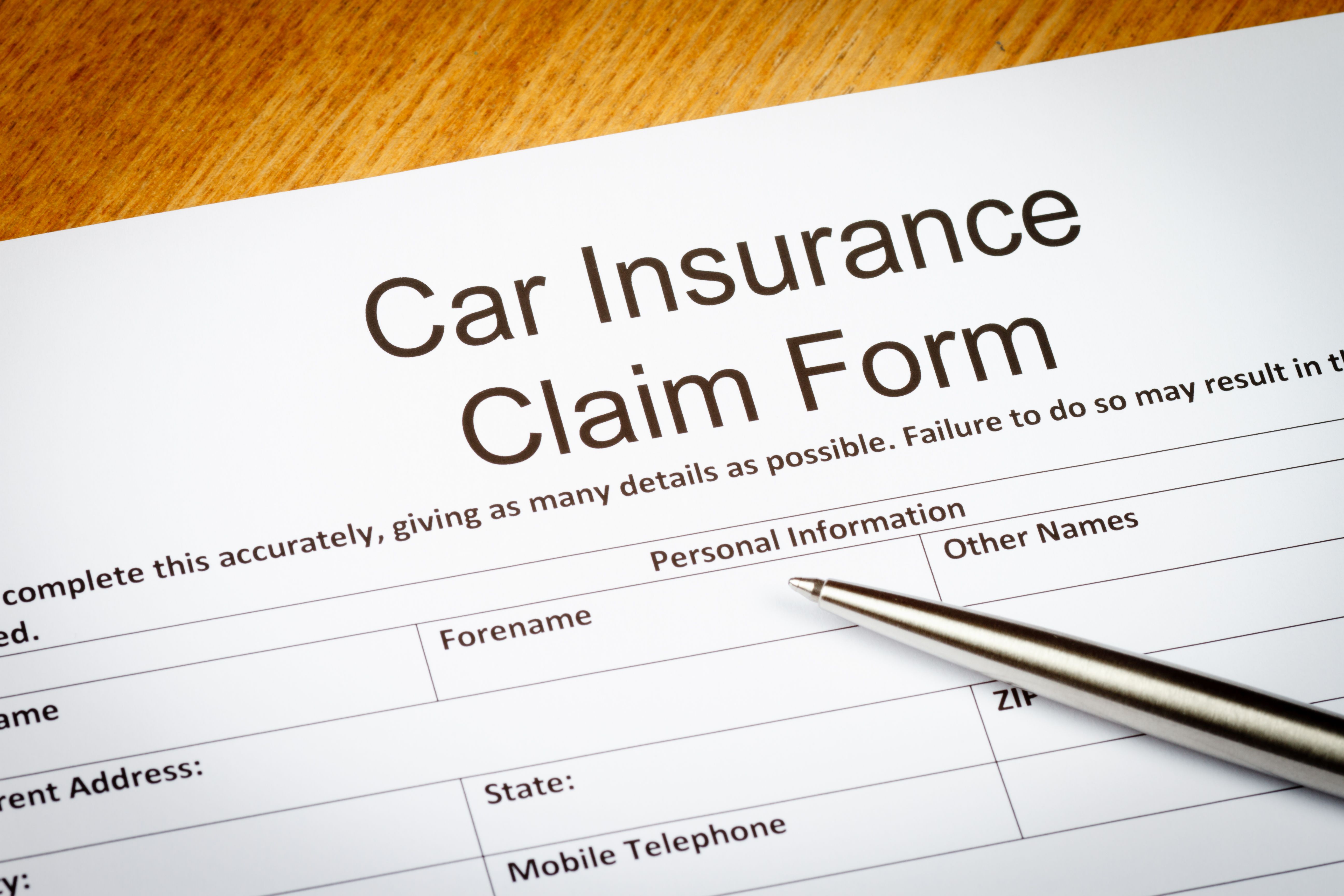
While New Hampshire offers the freedom to drive without insurance, this comes with substantial risks, particularly for those who may not have significant personal assets to cover accident-related expenses. Imagine the scenario: a minor fender-bender could escalate into a significant financial burden if the other party’s vehicle requires extensive repairs and they have sustained injuries. Without insurance, you would be personally liable for all these costs.
A more serious accident, involving multiple vehicles or serious injuries, could result in lawsuits and judgments that could force the sale of assets, including your home, or lead to significant wage garnishment. This is where the “Live Free or Die” philosophy intersects with harsh financial realities.
The Practicalities of Auto Insurance in New Hampshire
Even though New Hampshire does not mandate insurance, the vast majority of its residents choose to carry it. This decision is driven by the very real need for financial protection against unforeseen events on the road.
Benefits of Carrying Auto Insurance
Even without a legal requirement, insurance provides invaluable benefits:
- Financial Protection: This is the primary reason most people insure their vehicles. It shields you from crippling debt in the event of an accident.
- Peace of Mind: Knowing you are covered provides a sense of security when driving.
- Legal Compliance (Interstate Travel): As mentioned, driving out of state necessitates compliance with local laws, many of which require insurance.
- Lender/Lessor Requirements: If your vehicle is financed or leased, insurance is typically a contractual obligation.
- Protection Against Uninsured/Underinsured Motorists: Even if you choose not to carry liability insurance, it is wise to consider uninsured/underinsured motorist coverage. This protects you if you are hit by a driver who has no insurance or insufficient insurance to cover your damages.
Types of Auto Insurance Coverage Available
Drivers in New Hampshire have access to various types of auto insurance coverage, just as in other states. Common options include:
- Liability Coverage: This covers damages and injuries you cause to others in an accident. It typically has two components:
- Bodily Injury Liability: Covers medical expenses, lost wages, and pain and suffering for injured parties.
- Property Damage Liability: Covers the cost of repairing or replacing the property of others damaged in an accident (e.g., their car, a fence).
- Collision Coverage: Pays for damage to your own vehicle resulting from a collision with another vehicle or object, regardless of who is at fault.
- Comprehensive Coverage: Covers damage to your vehicle from non-collision events such as theft, vandalism, fire, or natural disasters like hail or falling trees.
- Uninsured/Underinsured Motorist (UM/UIM) Coverage: This is particularly important in a state with no mandatory insurance. It protects you if you are involved in an accident with a driver who has no insurance or not enough insurance to cover your damages.
- Medical Payments Coverage (MedPay): Covers medical expenses for you and your passengers, regardless of fault.
- Personal Injury Protection (PIP): Similar to MedPay, but can also cover lost wages and other expenses related to injuries.
Making Informed Decisions for Your New Hampshire Journey
Whether you are a resident planning to purchase a vehicle or a visitor exploring the scenic beauty of New Hampshire, understanding the state’s unique approach to auto insurance is key. The freedom from mandatory insurance in New Hampshire is a distinctive aspect of its identity, but it places a significant emphasis on individual financial preparedness.
Recommendations for Travelers
For those visiting New Hampshire:
- Maintain Your Current Insurance: Ensure your policy from your home state is active and review your coverage limits.
- Be Aware of Other States’ Laws: If your itinerary includes driving through other states, confirm your policy meets their requirements.
- Consider Added Protection: If you are concerned about potential risks, discuss options like rental car insurance or extended coverage with your provider.

Considerations for New Residents
For individuals moving to New Hampshire:
- Evaluate Your Needs: Assess your financial situation and risk tolerance.
- Shop Around: Obtain quotes from various insurance providers to find the best coverage at a competitive price.
- Understand Financial Responsibility: Familiarize yourself with the state’s definition of financial responsibility and the potential consequences of not meeting it.
- Prioritize Protection: Given the risks, strongly consider purchasing at least liability coverage and uninsured/underinsured motorist coverage to safeguard yourself and your finances.
Ultimately, while New Hampshire may allow you to “Live Free” on its roads, making informed decisions about auto insurance is essential for truly living without the burden of financial distress caused by an unexpected accident. The choice to carry insurance is a personal one, but one that carries significant weight in protecting your future and enabling a carefree exploration of the Granite State.
LifeOutOfTheBox is a participant in the Amazon Services LLC Associates Program, an affiliate advertising program designed to provide a means for sites to earn advertising fees by advertising and linking to Amazon.com. Amazon, the Amazon logo, AmazonSupply, and the AmazonSupply logo are trademarks of Amazon.com, Inc. or its affiliates. As an Amazon Associate we earn affiliate commissions from qualifying purchases.