
New Mexico, often envisioned as a land of sun-baked deserts, majestic mountains, and vibrant cultural tapestry, might not be the first place that springs to mind when discussing tornado alley. However, the “Land of Enchantment” does indeed experience tornadoes, albeit with a different frequency and intensity compared to its more notorious Midwestern counterparts. Understanding the dynamics of severe weather in New Mexico offers a unique perspective for travelers and residents alike, highlighting the importance of being informed, regardless of your destination.
Understanding Tornado Climatology in New Mexico
While Texas and Oklahoma are synonymous with powerful supercell thunderstorms that spawn devastating tornadoes, New Mexico occupies a geographical position that influences its tornado activity. The state lies on the western edge of the traditional tornado alley and is influenced by the dryline, a boundary separating moist air from the Gulf of Mexico and dry air from the Great Basin.
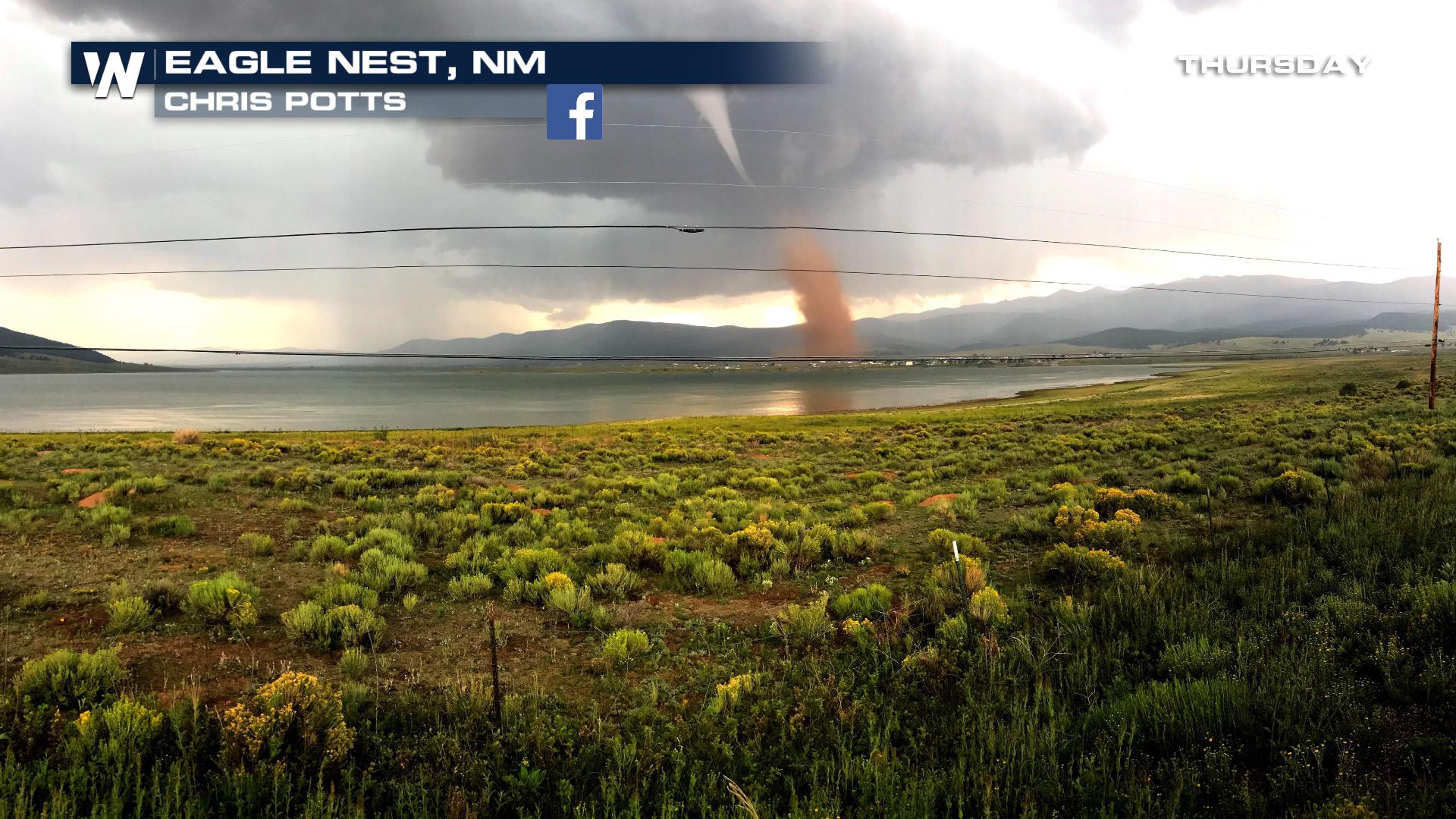
Factors Influencing Tornado Formation
Several meteorological factors contribute to tornado formation in New Mexico:
- Moisture Convergence: While New Mexico is generally arid, seasonal monsoonal moisture surges from the south can provide the necessary humidity for thunderstorm development. This is particularly prevalent during the summer months, from July to September.
- Atmospheric Instability: When warm, moist air clashes with cooler, drier air at higher altitudes, it creates instability, a crucial ingredient for powerful updrafts that can fuel thunderstorms.
- Wind Shear: Changes in wind speed and direction with height are essential for organizing thunderstorms into supercells, which are the most prolific tornado producers. The interaction of prevailing westerly winds with southeasterly flow during monsoon season can create sufficient wind shear.
- Topography: The mountainous terrain of New Mexico can influence weather patterns, sometimes creating localized areas of enhanced convergence or divergence that can impact storm development.
Seasonal Trends and Intensity
Tornadoes in New Mexico are most common during the spring and early summer months, typically from April through July, with a secondary peak sometimes occurring during the late summer monsoon season. However, the intensity of these tornadoes is generally lower than those seen in the central plains. While F5 (now EF5) tornadoes are exceedingly rare, the state does experience EF0 to EF2 tornadoes with some regularity. These can still cause significant damage, particularly in rural or undeveloped areas.
Notable Tornado Events and Impacts
Despite not being a constant threat, New Mexico has experienced notable tornado events that have impacted its communities and landscapes. These occurrences serve as reminders of the state’s susceptibility to severe weather and the importance of preparedness.
Historical Tornadoes of Significance
One of the most significant tornado outbreaks in New Mexico occurred on May 25, 1997, when a series of powerful tornadoes struck the southeastern part of the state. The most notable was an F4 tornado that devastated the town of Las Cruces, causing extensive damage to homes and businesses and resulting in injuries. This event highlighted the vulnerability of even more populated areas to strong tornadoes.
Another significant event was the Clovis tornado outbreak on April 21, 2007. Several tornadoes touched down in and around Curry County, with one F3 tornado causing considerable damage to residential areas and agricultural properties. These events underscore that while tornadoes may not be as frequent as in other regions, their potential for destruction is very real.
Impact on Tourism and Travel

For travelers visiting New Mexico, understanding the possibility of tornadoes is a prudent aspect of travel safety. While most visitors will not encounter severe weather, being aware of storm seasons and potential risks is always advisable. Destinations like Santa Fe, with its historic architecture and cultural attractions, or the natural beauty of Carlsbad Caverns National Park, are generally safe. However, during severe weather outbreaks, travel plans might need to be adjusted.
- Summer Monsoon Season: The summer months, particularly July and August, bring increased chances of thunderstorms across the state. While many of these are benign, some can produce hail, flash floods, and, occasionally, tornadoes. Travelers in areas like Albuquerque or heading towards the Gila National Forest should stay informed about weather forecasts.
- Spring Storms: The months of April, May, and June are when the atmospheric ingredients for severe storms are most likely to align. This is a critical period for those planning outdoor activities or road trips through the vast expanses of New Mexico.
Preparing for Severe Weather in New Mexico
While the threat of tornadoes in New Mexico is lower than in some other parts of the country, preparedness is key for anyone living in or visiting the state. Being informed about weather alerts and having a plan can make a significant difference in safety.
Weather Monitoring and Alerts
- National Weather Service: The National Weather Service (NWS) is the primary source for weather information and warnings. Familiarize yourself with the different types of alerts, such as Tornado Watches (conditions are favorable for tornadoes) and Tornado Warnings (a tornado has been sighted or indicated by radar).
- Mobile Apps and NOAA Weather Radio: Utilize weather apps on your smartphone that provide real-time alerts. A NOAA Weather Radio is also a reliable tool for receiving continuous weather updates, especially in areas with spotty cell service.
- Local Media: Local television and radio stations in cities like Roswell or Farmington will broadcast important weather information and warnings.
Safety Measures During a Tornado Warning
If a tornado warning is issued for your area in New Mexico, immediate action is required:
- Seek Shelter: The safest place to be is in a basement or an interior room on the lowest floor of a sturdy building, away from windows and doors. Mobile homes and vehicles are not safe during a tornado.
- Stay Informed: Continue to monitor weather updates to know when the threat has passed.
- Community Shelters: In some communities, designated public shelters may be available. Familiarize yourself with their locations in advance.
The Enchanting Landscape and Its Weather
New Mexico is a state renowned for its breathtaking natural beauty, from the high desert plains to the Sangre de Cristo Mountains. The capricious nature of its weather, including the occasional tornado, adds another layer to its diverse environmental character. Experiencing the land of enchantment means appreciating its vast skies, vibrant sunsets, and the dynamic atmospheric forces that shape its unique climate.
Embracing the Outdoors Responsibly
For those who love to explore New Mexico’s many attractions, such as White Sands National Park or the historic Route 66, responsible outdoor recreation includes staying weather-aware. The vast, open landscapes, while stunning, can offer little natural shelter during severe weather events.
- Hiking and Camping: If you are hiking in areas like the Pecos Wilderness or camping near Taos, always check the forecast before you go and be prepared to alter your plans if severe weather is predicted.
- Driving: Long stretches of highway in New Mexico can mean being far from immediate shelter. Pull over safely and seek substantial cover if a tornado warning is issued while you are driving. Avoid bridges and overpasses, which can become wind tunnels.
In conclusion, while New Mexico may not be the epicenter of tornado activity in the United States, it is certainly not immune. The unique geographical and meteorological factors of the “Land of Enchantment” can and do produce tornadoes. Understanding these nuances allows both residents and visitors to appreciate the full spectrum of New Mexico’s natural phenomena and to engage with its captivating landscapes with informed safety and respect.
LifeOutOfTheBox is a participant in the Amazon Services LLC Associates Program, an affiliate advertising program designed to provide a means for sites to earn advertising fees by advertising and linking to Amazon.com. Amazon, the Amazon logo, AmazonSupply, and the AmazonSupply logo are trademarks of Amazon.com, Inc. or its affiliates. As an Amazon Associate we earn affiliate commissions from qualifying purchases.