
When planning a trip or considering a move to a new state, understanding its tax structure is paramount. For many, the question of state income tax is a significant factor in their financial planning. This is particularly true for the Land of Enchantment, New Mexico, a state renowned for its stunning landscapes, rich cultural heritage, and vibrant arts scene. As travelers and potential residents alike weigh their options, a clear understanding of New Mexico‘s tax policies, specifically its income tax, becomes essential. This guide aims to demystify New Mexico‘s income tax system, exploring its implications for visitors and those considering a longer stay, while also touching upon how this financial aspect might subtly influence travel choices and accommodation decisions.

Understanding New Mexico’s Income Tax Structure
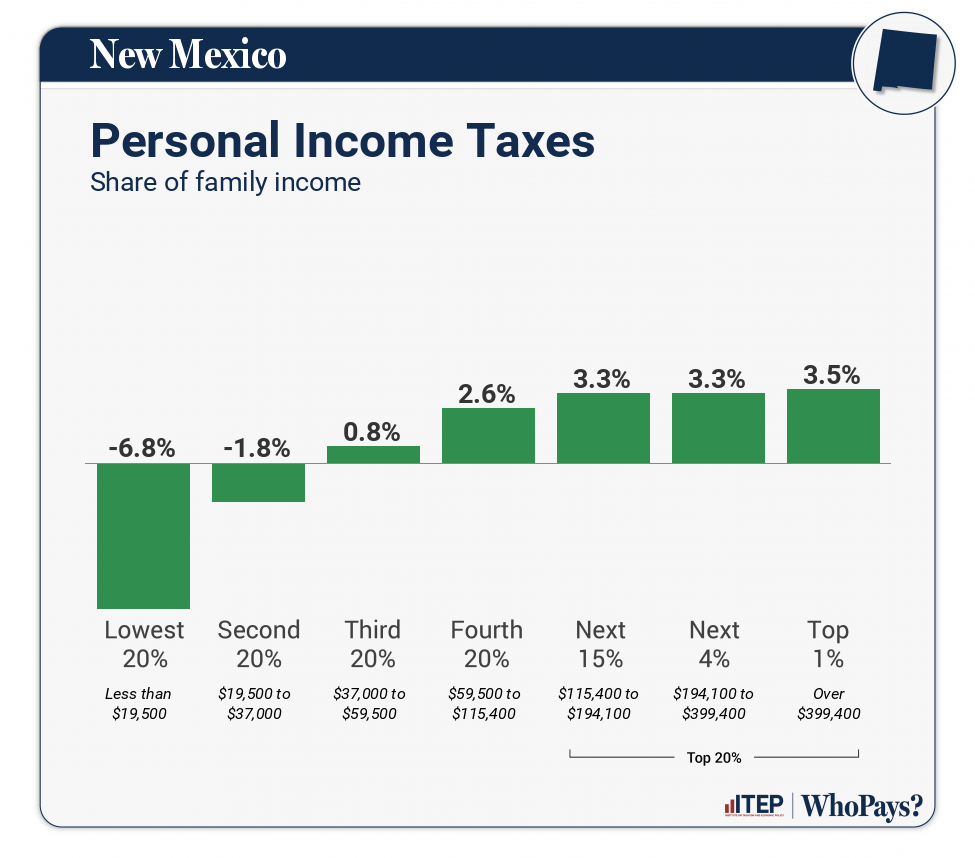
New Mexico does indeed have a state income tax. This means that individuals and corporations earning income within the state are subject to taxation by the New Mexico Taxation and Revenue Department. The income tax system in New Mexico is progressive, which signifies that tax rates increase as income levels rise. This structure is designed to place a greater tax burden on those with higher earning capacities and a lesser burden on those with lower incomes. The complexity of such a system often leads to questions about how it impacts budgets, especially for travelers who may be working remotely or for individuals contemplating relocating for lifestyle or economic reasons.
Progressive Tax Brackets and Rates
New Mexico‘s progressive income tax system is characterized by several tax brackets, each with a corresponding tax rate. These brackets and rates are subject to periodic adjustments by the state legislature, often reflecting economic conditions and budgetary needs. For the tax year 2023, for example, the state featured multiple tax brackets, starting with a lower rate for the lowest income earners and gradually increasing to the highest rate for the highest income earners. Understanding these specific brackets is crucial for accurate tax estimation.
For instance, income within certain ranges is taxed at 1.7%, while higher income ranges might be taxed at rates such as 2.9%, 4.7%, 4.9%, and up to 4.9% for the highest earners. These percentages may seem small individually, but they accumulate and can represent a significant portion of an individual’s earnings. The exact income thresholds for each bracket are detailed in official state tax publications and are essential for precise calculations. This progressive nature means that while the overall tax burden might be higher for those with substantial incomes, lower to middle-income earners benefit from lower tax rates, potentially making New Mexico a more attractive place to live and work for a broader range of individuals.
Taxable Income and Deductions
The concept of “taxable income” is central to any income tax system. In New Mexico, taxable income is generally derived from an individual’s federal adjusted gross income (AGI), with specific modifications. These modifications can include additions or subtractions based on New Mexico‘s tax laws. For example, certain retirement income might be deductible, or specific types of income earned outside the state might be subtracted.
New Mexico also offers various deductions and credits that can reduce an individual’s tax liability. These can range from deductions for dependents to credits for certain expenses like childcare or property taxes. Understanding which deductions and credits are available is vital for minimizing one’s tax obligations. For travelers who might be earning income while in New Mexico (e.g., remote workers), knowing these provisions can significantly impact their overall financial experience in the state. While tourists typically do not owe income tax on their vacation spending, remote workers or those on extended stays may find these deductions and credits particularly beneficial.
Implications for Travelers and Visitors
For the vast majority of tourists visiting New Mexico for leisure, the state’s income tax has little to no direct impact on their travel expenses. Tourism spending primarily involves sales taxes on goods and services, accommodation taxes levied on hotels and other lodging, and taxes on fuel. These are the taxes that directly affect a traveler’s budget during their stay. The income tax, conversely, applies to income earned, not typically to consumption or temporary stays for recreational purposes.
However, there are nuances to consider, especially for those engaging in activities that might generate income while in New Mexico. For instance, freelance photographers capturing the landscapes of White Sands National Park or Carlsbad Caverns National Park, or artists selling their work at a Santa Fe art market, might theoretically incur income tax obligations if their activities constitute earning income within the state. However, the threshold for requiring tax registration and filing for such sporadic activities by non-residents is generally high, and enforcement is typically focused on more substantial economic activities.
Remote Workers and Digital Nomads
The rise of remote work and the digital nomad lifestyle presents a unique situation for state income taxes. Individuals working remotely for companies based outside New Mexico while physically residing in the state, even temporarily, may be considered residents for tax purposes and thus subject to New Mexico‘s income tax. The definition of residency for tax purposes often hinges on factors such as the length of stay, the establishment of a permanent home, and intent.
For digital nomads considering New Mexico as a temporary base, understanding these residency rules is crucial. Extended stays in places like Albuquerque or Taos could trigger residency requirements. This means that income earned during that period, regardless of where the employer is located, could be taxable by New Mexico. This financial consideration can influence choices regarding the duration of stay and the type of accommodation sought, perhaps favoring short-term rentals or extended-stay hotels that offer amenities suitable for working remotely. While the allure of New Mexico‘s culture and scenery is strong, fiscal prudence dictates that potential tax liabilities are factored into the decision-making process.
Impact on Accommodation and Lifestyle Choices
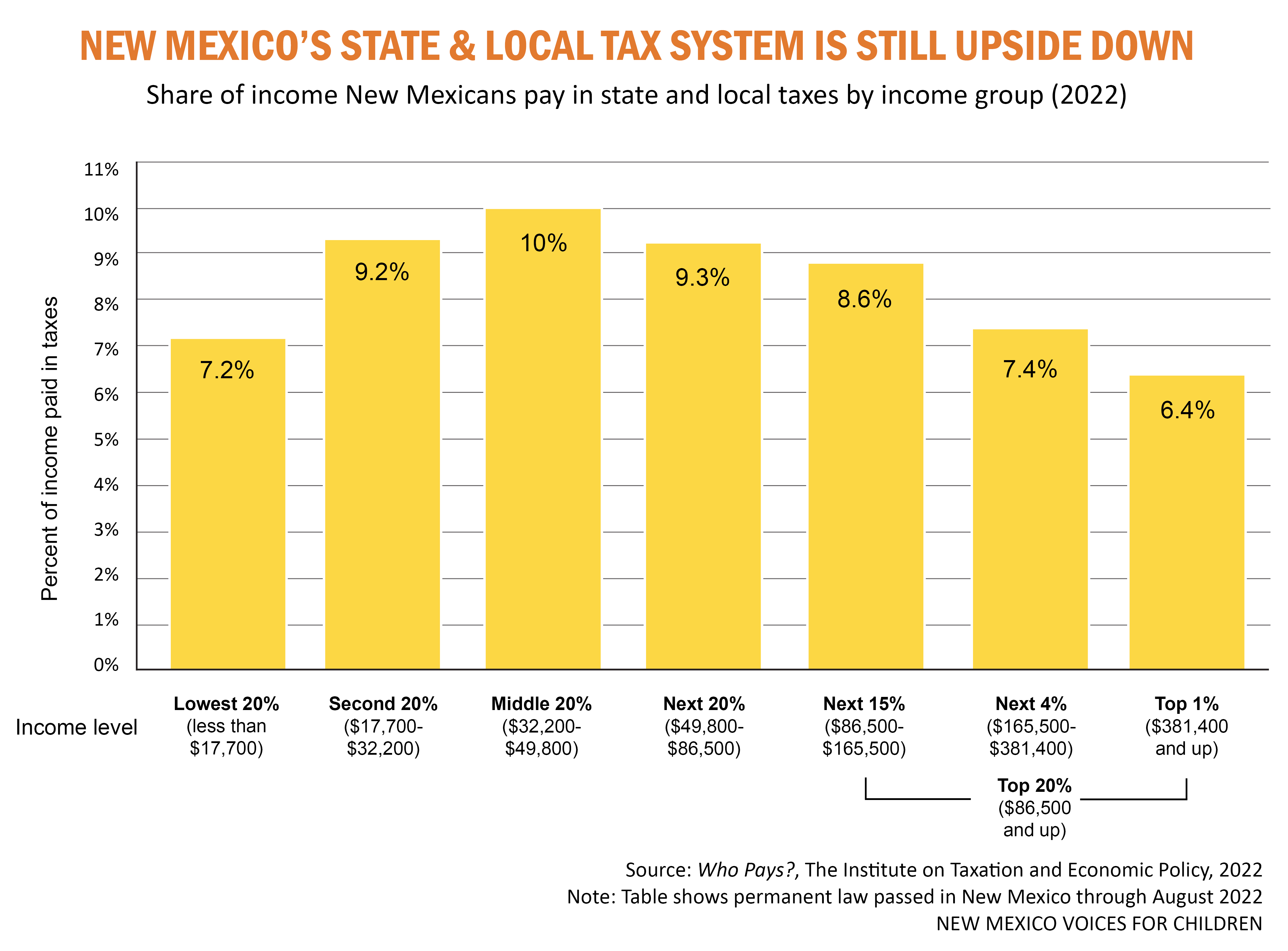
The presence of a state income tax, alongside other tax considerations like sales tax and property tax, can subtly influence an individual’s decision regarding where to establish residency or spend extended periods. For those considering relocating to New Mexico, particularly from states with no income tax, the progressive income tax structure will be a notable factor. This can lead individuals to research specific cities and regions within New Mexico that might offer a more favorable tax environment or a lifestyle that aligns with their financial capabilities.
Residency and Financial Planning
When individuals decide to make New Mexico their permanent home, their financial planning must encompass the state’s income tax. This involves estimating annual tax liabilities, taking advantage of available deductions and credits, and ensuring compliance with filing deadlines. For retirees, understanding how retirement income (such as pensions and Social Security benefits) is taxed in New Mexico is particularly important. The state offers exemptions for certain retirement income, which can make it a more attractive destination for those seeking to preserve their retirement savings.
For families, the income tax structure, combined with the cost of living and educational opportunities, forms a comprehensive picture of financial feasibility. New Mexico‘s progressive tax system can be advantageous for families with moderate incomes, allowing for more disposable income that can be allocated towards activities, attractions, and a comfortable lifestyle within the state.
Considerations for Different Lifestyles
New Mexico caters to a diverse range of lifestyles, from the luxury seeker exploring the high-end galleries and resorts in Santa Fe to the budget-conscious traveler seeking adventure in the national forests and state parks. The income tax system’s progressive nature means that its impact is felt differently across these lifestyles.
- Luxury Travelers/Residents: Those with higher incomes might find their tax burden more significant. However, the financial impact may be less critical when weighed against the unparalleled cultural experiences, fine dining, and high-end accommodations New Mexico offers, such as the Inn of the Five Graces or the Four Seasons Resort Rancho Encantado Santa Fe.
- Budget Travelers/Residents: For individuals and families with more modest incomes, New Mexico‘s progressive tax rates can be a positive factor, potentially leaving more funds available for enjoying the state’s abundant natural beauty and affordable activities. This could include exploring Bandelier National Monument, hiking in the Gila National Forest, or visiting the unique geological formations of Kasha-Katuwe Tent Rocks National Monument.
- Business Owners: Entrepreneurs and business owners operating within New Mexico will also face corporate income taxes, in addition to personal income taxes. Understanding the interplay of these taxes is vital for business planning and profitability.
In conclusion, New Mexico undeniably has a state income tax. This progressive system is a key element of the state’s fiscal policy and has implications for individuals residing in or earning income within its borders. While most tourists are unaffected, remote workers, those considering residency, and long-term visitors should familiarize themselves with New Mexico‘s tax laws to ensure informed financial decisions. This understanding allows for a more comprehensive appreciation of the Land of Enchantment, enabling visitors and residents alike to fully enjoy its unique charm and opportunities.
LifeOutOfTheBox is a participant in the Amazon Services LLC Associates Program, an affiliate advertising program designed to provide a means for sites to earn advertising fees by advertising and linking to Amazon.com. Amazon, the Amazon logo, AmazonSupply, and the AmazonSupply logo are trademarks of Amazon.com, Inc. or its affiliates. As an Amazon Associate we earn affiliate commissions from qualifying purchases.