
Planning a trip to the Land of Enchantment, with its vibrant culture, stunning landscapes, and rich history, is an exciting prospect. From the ancient pueblos and the artistic allure of Santa Fe to the vibrant energy of Albuquerque and the mystical charm of Taos, New Mexico offers a unique travel experience unlike anywhere else in the United States. However, like any travel destination, understanding the local financial landscape, particularly regarding taxes, is crucial for effective budget planning and a seamless experience. The straightforward answer to “Does New Mexico have a state tax?” is yes, but the nuances of its tax structure are what truly matter for visitors.

Unlike many states that levy a traditional sales tax, New Mexico operates under a Gross Receipts Tax (GRT) system. This distinction is vital for travelers to grasp, as it impacts nearly every transaction from dining out to booking accommodation and purchasing souvenirs. While not a direct “state sales tax” in the conventional sense, the GRT functions similarly for consumers, as businesses typically pass this tax burden onto the customer. Beyond the GRT, visitors will encounter specific lodgers’ taxes on their overnight stays and other potential levies that can add up. Delving into these details empowers travelers to plan their excursions, manage their finances, and truly immerse themselves in all that New Mexico has to offer without any unwelcome financial surprises.
Understanding New Mexico’s Tax Landscape for Visitors
For those venturing into New Mexico, navigating the state’s tax system can initially seem complex, primarily due to the unique nature of its primary levy: the Gross Receipts Tax. However, a clear understanding of how these taxes work, especially in the context of tourism and hospitality, can turn potential confusion into confident financial planning. The state’s approach to taxation is designed to fund public services and infrastructure, which ultimately enhance the visitor experience, from well-maintained roads leading to iconic landmarks like White Sands National Park to support for local cultural programs that enrich the travel itinerary.
The Gross Receipts Tax (GRT) Explained
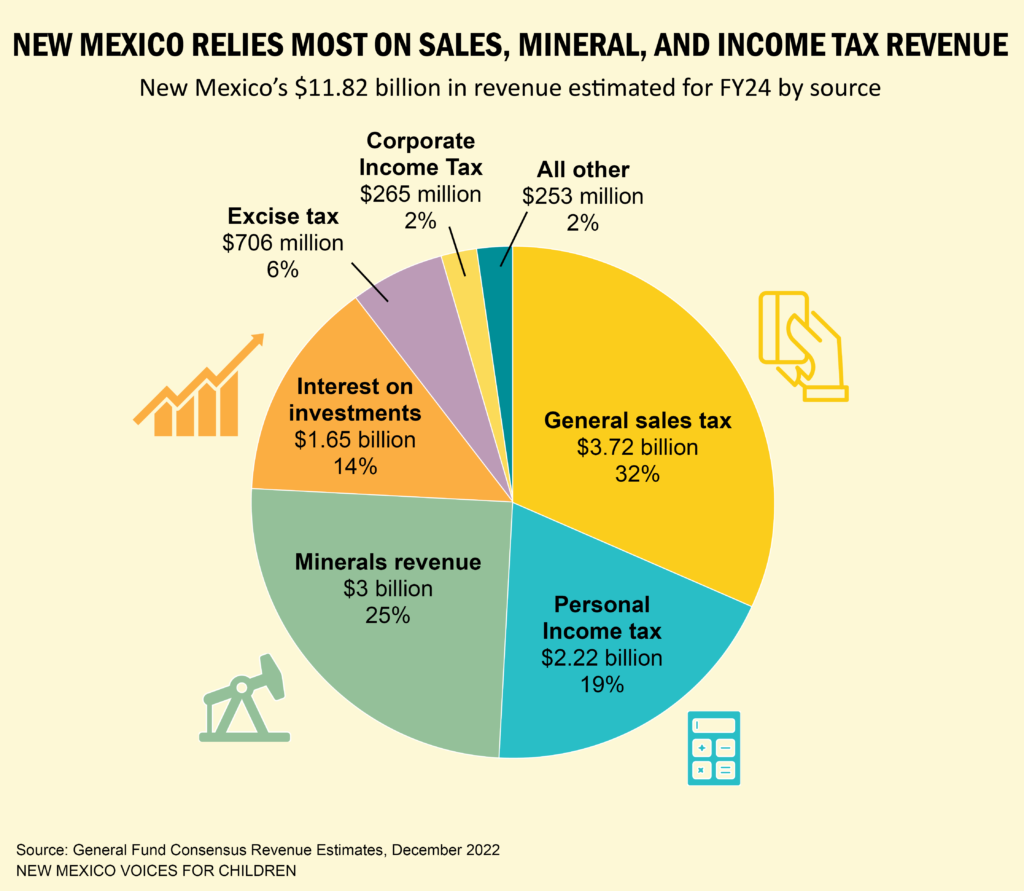
The cornerstone of New Mexico’s taxation for consumers is the Gross Receipts Tax (GRT). It’s imperative to distinguish this from a standard sales tax. A sales tax is typically imposed on the final sale to the consumer, while the GRT is a tax on the total gross receipts of businesses from most transactions. This means that businesses are taxed on the revenue they generate from selling goods and services. While it’s the business’s legal obligation to pay the GRT, it’s a common practice across the state for businesses to “pass on” this tax to the consumer as an added charge, often appearing on receipts as “GRT” or “tax.”
The state-level GRT rate is 5.125%, but this is rarely the final rate consumers pay. What makes the GRT particularly dynamic is that counties and municipalities can add their own local GRT rates on top of the state rate. This means the combined GRT can vary significantly from one city or county to another. For example, a purchase made in Albuquerque might have a different combined GRT rate than the same purchase made in Santa Fe or Las Cruces. These variations can impact everything from the price of a cup of coffee to the cost of a locally crafted piece of art. Travelers embarking on a multi-city tour, perhaps following historic Route 66 or exploring the diverse landscapes from the Rio Grande Valley to the Sangre de Cristo Mountains, should be mindful of these localized differences, which can subtly affect their overall expenditure.
Lodgers’ Tax: What to Expect on Accommodation
Beyond the GRT, one of the most significant taxes for any traveler is the lodgers’ tax. This is a specific tax levied on the occupancy of lodging accommodations, including hotels, motels, vacation rentals, bed and breakfasts, and even RV parks. The lodgers’ tax is explicitly designed to fund tourism promotion and development within the specific municipality or county where it is collected. This means the money often goes directly back into creating a more appealing destination, from maintaining public spaces to marketing campaigns that attract more visitors.
Like the GRT, the lodgers’ tax rate varies by locality. While the state of New Mexico does not impose a statewide lodgers’ tax, it authorizes local governments to do so, typically ranging from 5% to 8% or more on top of the combined GRT. This tax is applied to the base rate of your room or rental. For instance, a luxurious stay at a resort like Ojo Caliente Mineral Springs Resort & Spa or a budget-friendly hotel in Roswell will incur this additional charge. When booking accommodations, particularly through online travel agencies or directly with hotels such as the Hyatt Regency Albuquerque or the Rosewood Inn of the Anasazi, it’s crucial to review the total cost, which typically itemizes these taxes. Understanding that a portion of your accommodation expense contributes directly to local tourism infrastructure can make this additional cost feel more palatable, knowing it enhances future travel experiences in the region.
Other Taxes Affecting Your Travel Budget
While the GRT and lodgers’ tax are the most prevalent for visitors, other less direct taxes can also influence a travel budget in New Mexico. For instance, if you plan to explore the expansive vistas of the state by car, perhaps driving to Carlsbad Caverns National Park or visiting the Four Corners Monument, you’ll encounter a state gasoline tax. This tax is factored into the pump price of fuel and contributes to road maintenance and transportation projects, ensuring smoother journeys across the state’s diverse terrains.
Furthermore, some specific services or goods might be subject to additional excise taxes, though these are less commonly encountered by the average tourist. Alcoholic beverages and tobacco products, for example, typically carry excise taxes. For those seeking unique experiences like a hot air balloon ride during the Albuquerque International Balloon Fiesta or purchasing tickets for a performance, these activities will generally be subject to the local GRT, as they are considered services rendered by a business. While these taxes might seem minor individually, they collectively represent an important aspect of financial planning for a comprehensive and enjoyable trip.
Navigating Tax Implications for Various Travel Experiences
New Mexico’s allure lies in its diverse offerings, from spiritual retreats in the high desert to thrilling outdoor adventures and deep dives into Ancestral Puebloans history. Each type of travel experience, whether it’s a luxury escape or a budget-conscious backpacker’s journey, will have its own set of tax implications that smart travelers consider. Understanding where and how taxes apply allows for better budgeting and ensures that the focus remains on soaking in the enchantment rather than unexpected expenses.
Budgeting for Your Stay in Iconic Cities
New Mexico’s cities are hubs of culture, art, and history, each with its own distinct charm. When budgeting for stays in places like Santa Fe, Albuquerque, or Taos, travelers need to factor in both the GRT and the local lodgers’ tax. As mentioned, these rates fluctuate by city. For instance, Santa Fe, a world-renowned art and culinary destination, may have a higher combined GRT and lodgers’ tax rate compared to a smaller town. This higher rate is often reflective of the extensive infrastructure and services required to maintain its reputation as a premier tourist destination, which includes iconic venues like the Georgia O’Keeffe Museum and experiential art spaces like Meow Wolf Santa Fe.
For budget travelers, this means a careful comparison of accommodation prices including all taxes. A seemingly cheaper hotel outside a city center might, in fact, offer better value once the local tax rates are applied. Conversely, luxury travelers booking high-end suites in these cities should also be aware that the percentage-based lodgers’ tax will translate into a larger absolute dollar amount on their bill. Comprehensive booking websites or direct hotel inquiries often provide a detailed breakdown of these charges, allowing travelers to make informed decisions that align with their lifestyle and financial plans.
Impact on Dining and Local Culture Exploration
One of the highlights of visiting New Mexico is undoubtedly its distinctive cuisine, a flavorful blend of Native American, Spanish, and Anglo influences. From savory green chile dishes to traditional posole, dining is an integral part of the cultural experience. Every meal purchased at a restaurant, cafe, or food truck, whether it’s a casual bite or a gourmet dinner, will be subject to the local GRT. This also applies to groceries purchased from local markets, though prepared foods typically incur the GRT at the point of sale.
Exploring local culture extends beyond food to shopping for artisan crafts, unique jewelry, and traditional textiles. Whether you’re browsing the shops around the Santa Fe Plaza or discovering hidden gems in Old Town Albuquerque, every purchase will have the GRT added. For those passionate about supporting local artisans, knowing that a portion of their purchase contributes to the local economy and public services can enhance the satisfaction of their finds. Savvy shoppers might factor this into their souvenir budget, recognizing that the listed price is not always the final price.
Taxes on Attractions and Activities
New Mexico is brimming with attractions, from ancient historical sites to thrilling outdoor pursuits. Entry fees to national parks like Bandelier National Monument, museums, historical landmarks, or tickets for events and festivals are all generally subject to the local GRT. For adventurers heading to resorts like Ski Santa Fe, lift tickets, equipment rentals, and lessons will similarly include the GRT.
Even experiences like guided tours through places such as Chaco Culture National Historical Park or art workshops at Ghost Ranch will typically include the GRT in their pricing. For families planning multiple activities, or individuals embarking on a packed itinerary, understanding that each ticket or service will incur this additional percentage can help prevent budget overruns. Many operators will clearly state if taxes are included or added at checkout, but it’s always wise to confirm, especially when comparing prices for similar experiences.
Maximizing Your New Mexico Travel Budget Amidst Taxes
While taxes are an unavoidable part of travel, understanding them can empower you to maximize your travel budget and enhance your overall experience in New Mexico. Strategic planning, informed choices, and a little foresight can ensure that your financial resources are stretched further, allowing you to indulge more in the local culture, explore more breathtaking landscapes, and create lasting memories without undue stress over hidden costs.
Strategic Accommodation Choices
Accommodation is often the largest single expense for travelers, making it a prime area for strategic tax planning. Since lodgers’ tax and GRT rates vary by location, choosing where to stay can significantly impact your total bill. Researching the combined tax rates in different towns or neighborhoods can be beneficial. For instance, if you’re exploring Santa Fe but find the combined taxes on accommodation within the city center to be prohibitive for your budget, consider lodging just outside the city limits in a neighboring area that might have a slightly lower local lodgers’ tax, provided the transportation costs don’t outweigh the tax savings.
Additionally, looking for all-inclusive packages or deals where taxes are explicitly stated as “included” in the quoted price can offer peace of mind. For longer stays, exploring options like extended-stay apartments or private vacation rentals might sometimes offer different tax structures or even savings compared to traditional hotels, depending on local regulations and the platform used. Always confirm the total price, including all taxes and fees, before finalizing any booking to avoid surprises.
Smart Spending on Food and Souvenirs
Dining and souvenir shopping are delightful aspects of travel, and smart spending can help manage the GRT impact. For dining, consider mixing restaurant meals with picnics using groceries bought from local stores, where the GRT will still apply but the overall cost will likely be lower than a full-service restaurant meal. Many local eateries offer lunch specials that provide excellent value, and exploring farmers’ markets for fresh produce and prepared foods can be a culturally rich and budget-friendly option.
When it comes to souvenirs, especially higher-value items like art or jewelry, remember that the GRT can add a significant amount to the final price. If you’re making a substantial purchase, inquire about the exact GRT rate beforehand. Some travelers might consider purchasing fewer, higher-quality items rather than many small ones, or focusing on experiences rather than material goods if budget is a primary concern. Supporting local artists and businesses is rewarding, and understanding the tax component simply adds another layer to responsible travel.
Planning Ahead for a Seamless Experience
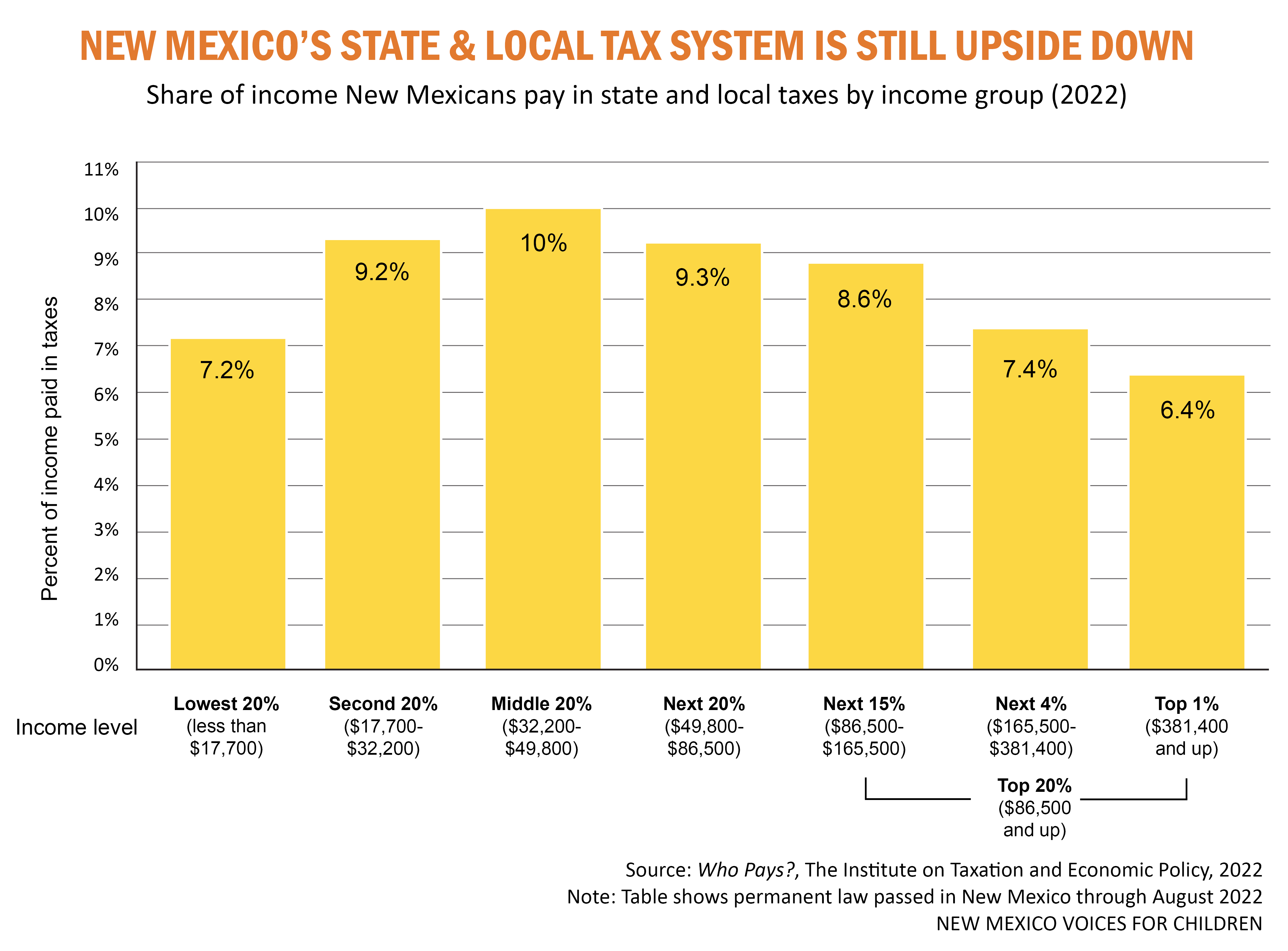
The key to a smooth and enjoyable trip through New Mexico, particularly concerning financial aspects, is proactive planning. Before your departure, take a few moments to research the GRT and lodgers’ tax rates for the specific cities and counties you plan to visit. Many state and local government websites provide this information readily. Factoring these taxes into your daily budget allocations for accommodation, food, and activities will give you a more realistic picture of your total trip cost.
Keep a small buffer in your budget for unexpected expenses or spontaneous purchases, as this flexibility can prevent stress. Using a travel app or a simple spreadsheet to track your spending and tax accumulation can be a useful tool. By being informed and prepared, you can navigate New Mexico’s tax system with ease, allowing you to fully immerse yourself in its stunning natural beauty, rich cultural tapestry, and unforgettable adventures without any financial distractions.
In conclusion, while New Mexico indeed has state taxes, primarily in the form of the Gross Receipts Tax and localized lodgers’ taxes, they are manageable with a bit of foresight. These taxes are integral to supporting the very infrastructure and cultural richness that make New Mexico such an enchanting destination. By understanding how these taxes apply to your travel choices, you can ensure a well-budgeted, enjoyable, and truly immersive journey through the Land of Enchantment.
LifeOutOfTheBox is a participant in the Amazon Services LLC Associates Program, an affiliate advertising program designed to provide a means for sites to earn advertising fees by advertising and linking to Amazon.com. Amazon, the Amazon logo, AmazonSupply, and the AmazonSupply logo are trademarks of Amazon.com, Inc. or its affiliates. As an Amazon Associate we earn affiliate commissions from qualifying purchases.