
For any seasoned traveler or a curious visitor planning an itinerary for New York City, understanding the nuances of the local environment can significantly enhance the experience. While most tourists focus on iconic attractions like the Statue of Liberty or the vibrant streets of Manhattan, the seemingly mundane aspects of daily life, such as the quality of the water, can have a subtle yet noticeable impact. This article delves into the water quality of New York City, specifically addressing the prevalence of hard water and what it means for visitors and residents alike.
Understanding Water Hardness
Before we pinpoint the situation in New York City, it’s essential to grasp what constitutes “hard water.” Water hardness is a measure of the mineral content of water, primarily calcium and magnesium ions. These minerals are naturally dissolved from rocks and soil as water flows through the ground. The more dissolved minerals present, the “harder” the water. Water is typically categorized as follows:
- Soft Water: Less than 60 milligrams per liter (mg/L) of calcium carbonate.
- Slightly Soft to Soft: 60-120 mg/L.
- Moderately Hard: 120-180 mg/L.
- Hard Water: More than 180 mg/L.
While not a health concern, hard water can have several practical implications. In terms of personal care, it can make it harder for soaps and shampoos to lather effectively, potentially leaving a residue on skin and hair. For household appliances, hard water can lead to mineral buildup (scale) in pipes, water heaters, coffee makers, and dishwashers, reducing their efficiency and lifespan. It can also leave unsightly white spots or films on dishes, glassware, and bathroom fixtures.
New York City’s Water Source and Quality
New York City boasts one of the largest unfiltered public water systems in the United States. The city’s water supply primarily originates from a vast network of reservoirs and lakes located in the Catskill Mountains and the Delaware River watershed, upstate. This impressive system ensures a consistent and abundant supply for millions of residents and visitors. The New York City Department of Environmental Protection (DEP) rigorously monitors and treats the water to meet stringent federal and state drinking water standards.
The Catskill/Delaware Watershed: A Natural Advantage
The geographical location and the geological composition of the Catskill/Delaware watershed play a significant role in determining the water’s mineral content. The rocks in this region are predominantly sedimentary, containing materials like sandstone and shale, which are relatively low in the minerals that contribute to water hardness. This contrasts with regions where water flows through limestone or chalk, which are rich in calcium and magnesium, leading to significantly harder water.
The extensive forests and protected lands within the watershed also contribute to the natural filtration process, minimizing the need for extensive chemical treatments. This natural purity of the source water is a key factor in the overall quality of New York City’s tap water.
Is New York City Water Hard?
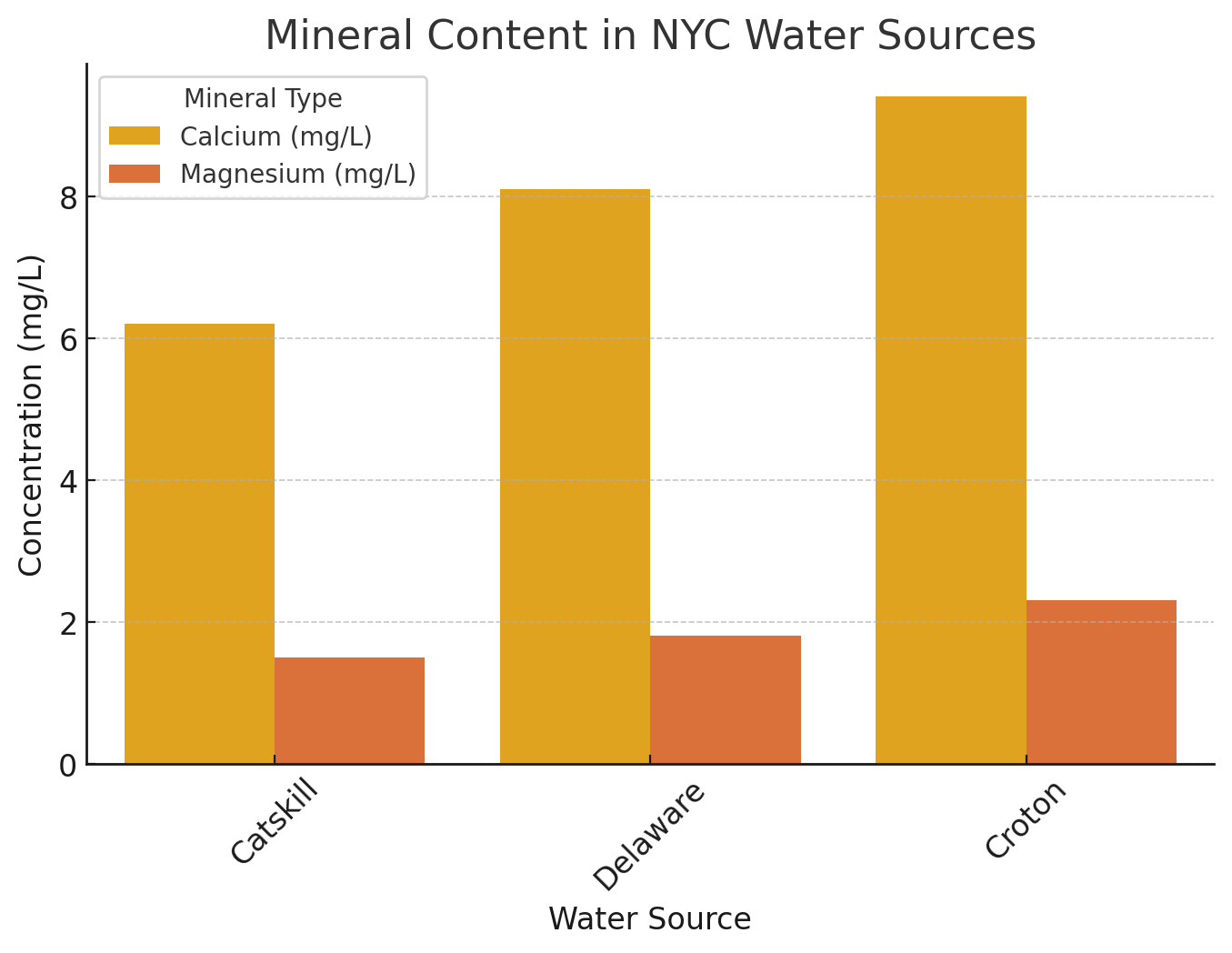
Based on the scientific consensus and available data, the water supply in New York City is generally considered soft to moderately hard. The average mineral content typically falls well within the ranges considered soft or slightly soft, especially when compared to many other major cities across the United States.
Mineral Content Breakdown

Studies and water quality reports consistently show that the concentration of calcium and magnesium in New York City tap water is relatively low. For instance, the total hardness often hovers between 50 and 150 parts per million (ppm) or milligrams per liter (mg/L) of calcium carbonate. This range places it firmly in the soft to moderately hard category, leaning towards the softer end of the spectrum for most residents.
This means that while you might occasionally notice some minor mineral deposits, particularly in areas with older plumbing or if you’re accustomed to exceptionally soft water, it’s unlikely to be a significant issue for daily use. Most residents do not experience the severe problems associated with truly hard water, such as rapid appliance deterioration or difficult lathering of soaps.
Regional Variations and Their Impact
While the overall water quality is consistent, slight variations can occur across different boroughs and even within neighborhoods. These minor differences can be attributed to the extensive distribution system and the varying geological characteristics of the areas the water travels through before reaching individual taps. However, these variations are generally not pronounced enough to classify the water as “hard” in the problematic sense.
For visitors staying in hotels like the Plaza Hotel or The St. Regis New York, or perhaps in an apartment rental in areas like Greenwich Village, the water hardness should not be a primary concern. The city’s commitment to maintaining high water quality standards ensures that the tap water is safe, palatable, and generally free from the common drawbacks of hard water.
Practical Implications for Visitors and Residents
The classification of New York City’s water as soft to moderately hard has several practical implications for both temporary visitors and long-term residents.
For the Traveler
For tourists visiting iconic landmarks such as the Empire State Building or enjoying a stroll through Central Park, the water quality is unlikely to be a noticeable factor. You can confidently drink tap water, which is a more environmentally friendly and cost-effective option than purchasing bottled water. If you notice a very slight difference in how soap lathers, it’s simply a sign of the naturally occurring minerals, not a deficiency in water quality. Most hotels in New York City, from luxury establishments to boutique inns, maintain their plumbing well, minimizing any potential effects of even moderately hard water on fixtures.

For the Resident
For individuals living in New York City, the relatively soft water means that the common issues associated with hard water are less prevalent. You are likely to experience:
- Better Lathering: Soaps and detergents will generally lather more easily, meaning you might use less product.
- Reduced Scale Buildup: While some minor buildup can occur over time, it’s typically less severe than in regions with truly hard water. This means your coffee maker, kettle, and showerheads will likely require less frequent descaling.
- Brighter Laundry: Clothes washed in softer water tend to come out brighter and feel softer, as less soap residue is left behind.
- Appliance Longevity: Your washing machine, dishwasher, and water heater may have a longer lifespan due to reduced mineral accumulation.
Despite the generally soft nature of the water, some residents or businesses in specific areas with slightly higher mineral content might choose to install water softeners or filters, especially if they have sensitive appliances or specific preferences for extremely soft water. However, for the vast majority of New York City residents, the natural water quality is more than adequate for daily needs, contributing to the city’s reputation for providing high-quality public services.
In conclusion, while New York City does have minerals in its water supply, it is not characterized by hard water in the problematic sense. Its origin in the pristine Catskill and Delaware watersheds provides a natural advantage, resulting in water that is safe, pleasant to drink, and poses minimal challenges for household use and appliances. This is another aspect that contributes to the overall high quality of life in the Big Apple.
LifeOutOfTheBox is a participant in the Amazon Services LLC Associates Program, an affiliate advertising program designed to provide a means for sites to earn advertising fees by advertising and linking to Amazon.com. Amazon, the Amazon logo, AmazonSupply, and the AmazonSupply logo are trademarks of Amazon.com, Inc. or its affiliates. As an Amazon Associate we earn affiliate commissions from qualifying purchases.