
Planning a trip to New York often involves meticulous budgeting for airfare, accommodation, and dining. However, one of the most common questions travelers face when checking out at a department store or paying for a meal is the added cost at the register. The short answer is yes: New York does have a sales tax, and understanding how it functions is essential for any visitor hoping to avoid sticker shock during their stay.
The Structure of Sales Tax in New York
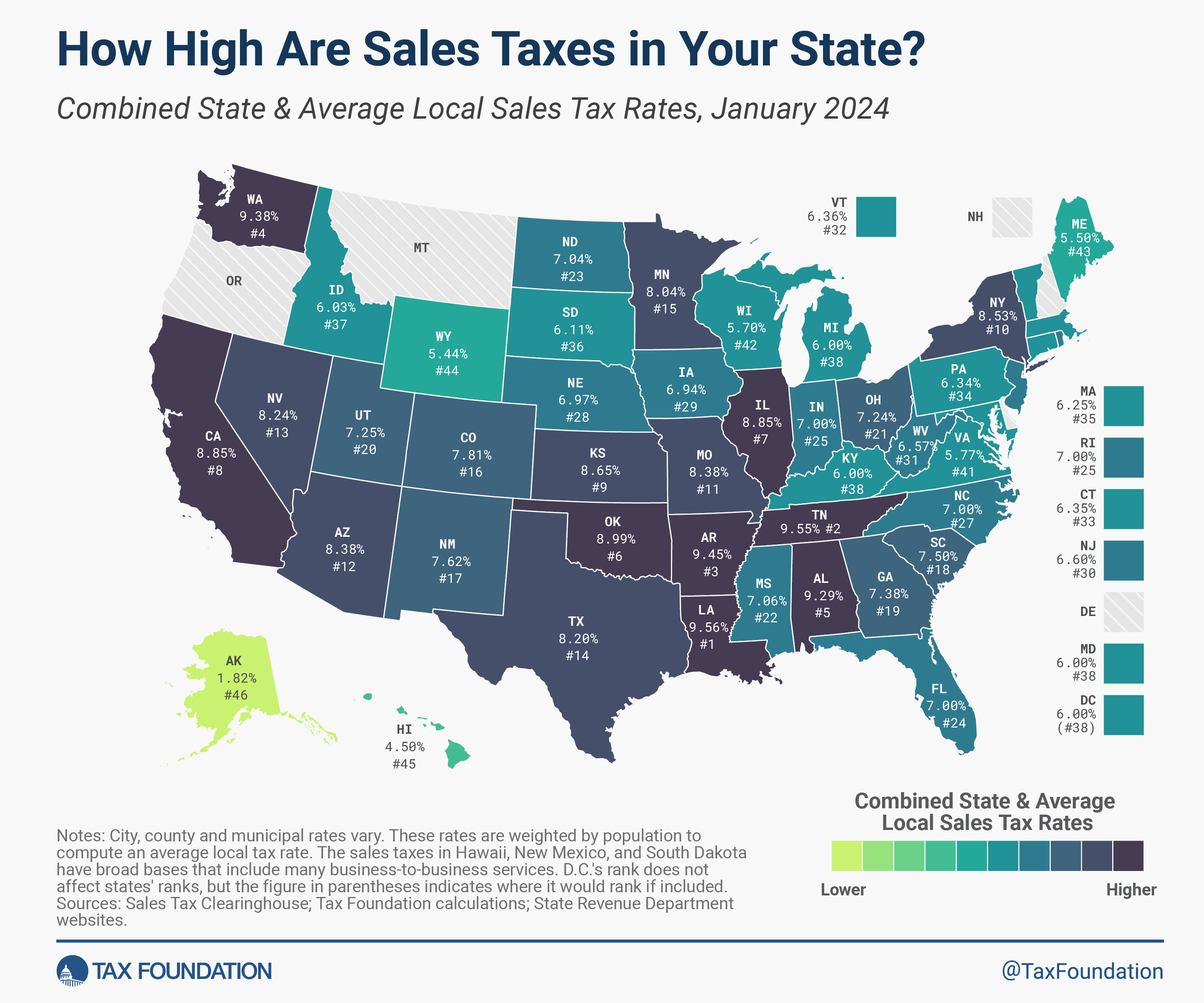
Navigating the tax landscape in New York can be slightly confusing because rates are cumulative. Unlike some jurisdictions where a flat state tax applies, New York utilizes a combination of state and local taxes.
The State and Local Split
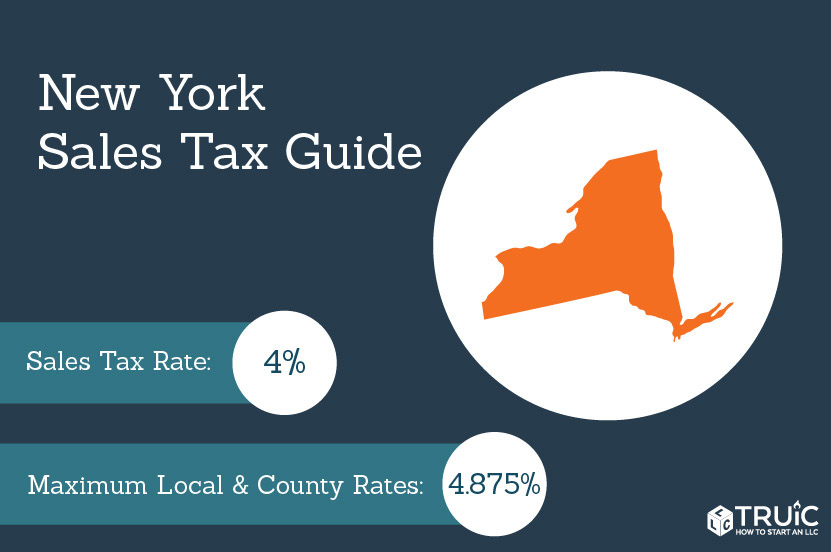
At its core, the New York State sales tax is set at 4%. However, this is merely the baseline. Most counties and cities, including New York City, impose their own additional sales tax on top of the state rate. This means that when you are shopping in iconic locations like Fifth Avenue or grabbing a souvenir near Times Square, the total sales tax rate you pay is the sum of these different layers.
The Current Rate in New York City
For visitors staying within the five boroughs of New York City, the combined sales tax rate is currently 8.875%. This figure is comprised of the 4% state tax, a 4.5% local tax, and a 0.375% surcharge for the Metropolitan Commuter Transportation District. While this might seem like a small percentage, it is vital to account for this addition when calculating the final cost of luxury goods, electronics, or retail purchases during your visit.
Exemptions and Tax-Free Shopping
One of the best-kept secrets for savvy travelers is that not everything is subject to the standard sales tax rate. New York offers specific exemptions that can significantly lower your overall spending if you know what to look for.
Clothing and Footwear Rules
Perhaps the most important rule for tourists to remember involves apparel. In New York City, items of clothing and footwear sold for less than $110 per item are exempt from the 4% New York State sales tax. While local taxes may still apply in some municipalities, this state-level exemption can lead to substantial savings when shopping at major retail hubs like Macy’s Herald Square.
It is important to note that this exemption typically applies to individual items. If you purchase a suit where the jacket and trousers are sold separately, each piece must be under the threshold to qualify for the exemption. If you buy a luxury item that exceeds the $110 threshold, the full state tax usually applies to the entire price.
Essential Grocery Items
If you are staying in an apartment rental and shopping for your own food, you will be pleased to find that most staple grocery items are tax-exempt. Items such as fresh produce, meat, dairy, and basic baking ingredients generally do not attract sales tax. However, be aware that “prepared” foods—such as those found at a deli counter or hot food bars—are subject to tax, as they are considered restaurant-style transactions.
Impact on Dining and Services
Beyond retail, the tax conversation extends into the hospitality sector. When you sit down for a meal at a fine dining restaurant in Manhattan or grab a quick bite near Central Park, the bill you receive will invariably reflect the sales tax.
Restaurant and Prepared Food Taxes
In New York, all restaurant meals, takeout, and prepared foods are subject to the full sales tax rate of 8.875%. This tax applies to the subtotal of your meal, including alcoholic beverages. When you receive your check, you will see the tax line clearly itemized. It is common for travelers to forget that the price listed on the menu is not the final price, which can lead to budgeting errors when trying to keep expenses under control during a multi-day trip.
Hotel and Occupancy Taxes
While standard sales tax applies to retail and dining, accommodation is a different category altogether. New York City imposes a specific hotel room occupancy tax. When booking a room at prestigious properties such as The Plaza Hotel or the St. Regis New York, you should expect to see the standard sales tax plus additional occupancy taxes and fees. These fees are often charged on a per-room, per-night basis, and some luxury hotels may include a “resort fee” or “facility fee” that is also subject to taxation. Always review the “taxes and fees” breakdown provided by your booking platform to ensure your total estimated cost is accurate.
Tips for the Traveling Shopper
Understanding the tax structure is only half the battle. To truly optimize your experience, consider these practical tips for navigating the New York marketplace.
Budgeting for the Extra 8.875%
If you are planning to make large purchases, such as high-end fashion at Bloomingdale’s or high-tech equipment, mentally add approximately 9% to the price tag to get an idea of the true cost. By incorporating this into your initial travel budget, you will avoid the frustration of discovering you have spent more than you intended by the time you reach the register.
Checking Receipts
While New York businesses are highly regulated, it is always a good practice to review your receipts. Ensure that the tax was calculated correctly, especially if you believe an item should be exempt under the $110 clothing rule. If you are shopping in Brooklyn or Queens compared to Manhattan, the rates remain consistent across the five boroughs, but understanding what is being taxed helps you remain an informed consumer.
Digital and Physical Goods
Travelers often wonder if downloading digital content or purchasing services while in New York incurs tax. Generally, tangible personal property is the primary focus of the sales tax. However, New York has modernized its tax laws to include certain digital products and services. If you are purchasing a subscription service or an online pass for a tour, the transaction may be subject to the same tax rates as retail goods.
Ultimately, while the sales tax in New York City is a reality of life in this bustling metropolis, it shouldn’t deter you from enjoying the world-class shopping and dining available. By accounting for the 8.875% rate in your planning and keeping an eye out for the $110 clothing exemption, you can spend your time enjoying the lights of Broadway and the history of the Statue of Liberty rather than worrying about the fine print of your shopping bills. Being prepared is the key to a smooth and enjoyable trip to the United States.
LifeOutOfTheBox is a participant in the Amazon Services LLC Associates Program, an affiliate advertising program designed to provide a means for sites to earn advertising fees by advertising and linking to Amazon.com. Amazon, the Amazon logo, AmazonSupply, and the AmazonSupply logo are trademarks of Amazon.com, Inc. or its affiliates. As an Amazon Associate we earn affiliate commissions from qualifying purchases.