
When planning a trip, whether it’s for leisure, business, or an extended stay, understanding the financial implications is crucial. For many travelers and potential residents, a key question arises: Does New York have state income tax? The answer is a resounding yes, and for visitors and those considering a longer sojourn in the Empire State, this is a vital piece of information to factor into your budgeting and planning.
Navigating the tax landscape can seem daunting, especially when you’re focused on experiencing the vibrant culture, exploring iconic landmarks, or simply finding the perfect accommodation. This article aims to demystify New York’s state income tax for travelers and individuals considering various lengths of stay, touching upon its impact on different types of visitors and explaining how it fits into the broader context of your New York experience.
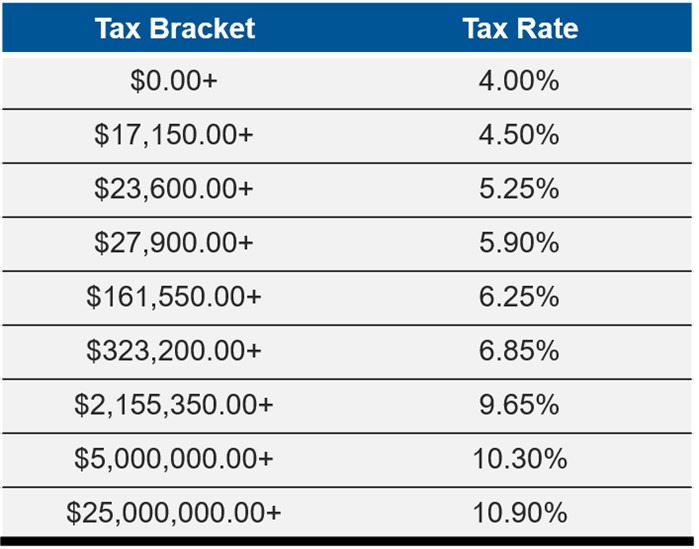
Understanding New York State Income Tax for Travelers
New York’s state income tax is a significant aspect of its financial structure, affecting both residents and, to some extent, non-residents who earn income within the state. For tourists and short-term visitors, the direct impact of state income tax is usually minimal, if not nonexistent, unless you engage in certain income-generating activities. However, for those contemplating longer stays, such as extended vacations, seasonal living, or even relocating for business or lifestyle reasons, understanding these tax obligations becomes paramount.
Who Pays New York State Income Tax?
In general, New York has a progressive income tax system, meaning higher earners pay a larger percentage of their income in taxes. This tax applies to individuals who are considered residents of New York or who earn income within New York as non-residents.
Residency for Tax Purposes
Determining residency for tax purposes is a critical first step. Generally, an individual is considered a resident of New York if:
- They maintain a permanent place of abode in New York and spend 184 days or more in the state during the tax year.
- They are not domiciled in New York, but they spend more time in New York than in any other state or country.
For the vast majority of tourists visiting New York for a week or two, for instance, to see the Statue of Liberty, walk through Central Park, or visit the Metropolitan Museum of Art, they will not meet the residency criteria and therefore will not be subject to New York state income tax on income earned elsewhere. Their focus will likely be on expenses related to travel, accommodation in places like the Grand Hyatt Hotel or a charming boutique hotel in Greenwich Village, dining at renowned restaurants, and enjoying attractions.
Non-Resident Income
However, if you are a non-resident and earn income while physically present in New York, you may be subject to New York state income tax on that specific income. This could include:
- Wages earned from a job performed in New York.
- Income from a business operating in New York.
- Certain types of investment income derived from New York sources.
For example, if you’re a freelance consultant from California who travels to New York City for a week-long project and earns income for that work, that income would likely be taxable by New York State. This is a scenario that requires careful attention for individuals who might have dual residency or travel frequently for work.
Impact on Different Visitor Types
The practical implications of New York state income tax vary significantly depending on the nature and duration of your visit.
-
Short-Term Tourists: Those on a typical vacation, perhaps staying at a resort in the Catskills or a hotel in Times Square, enjoying the Broadway shows and visiting landmarks like the Empire State Building, are unlikely to incur any state income tax liability. Their expenses will be concentrated on travel, accommodation, food, and entertainment. The cost of a luxurious suite at the Ritz-Carlton New York, for instance, will be a primary financial consideration, not state income tax.
-
Business Travelers: Individuals traveling to New York for business meetings, conferences, or short-term work assignments generally do not become New York tax residents. However, as mentioned, any income earned directly from work performed within the state is typically taxable. Companies often handle tax withholdings for their employees in such cases.
-
Seasonal Residents/Long-Term Stays: For individuals who spend significant portions of the year in New York, perhaps renting an apartment in Brooklyn for several months or enjoying extended stays in a villa on Long Island, the residency rules become more complex. If they cross the 184-day threshold or establish New York as their primary domicile, they may be considered residents for tax purposes and be liable for tax on their worldwide income. This is a crucial distinction for digital nomads or those with flexible lifestyles who might consider New York as a temporary base for exploring its diverse offerings, from the art galleries in Chelsea to the natural beauty of Niagara Falls.
-
Property Owners: Owning property in New York, such as a vacation home in the Adirondacks or an apartment in Manhattan, does not automatically make you a tax resident. However, it can be a factor in determining domicile, especially if it’s considered your “permanent place of abode.”
Tax Implications for Accommodation and Tourism
While the direct impact of New York state income tax on short-term visitors is minimal, the costs associated with travel, accommodation, and tourism in New York are significant and are influenced by other taxes. Understanding these broader fiscal elements provides a more complete picture of the financial aspects of visiting the state.
Sales Tax and Other Levies
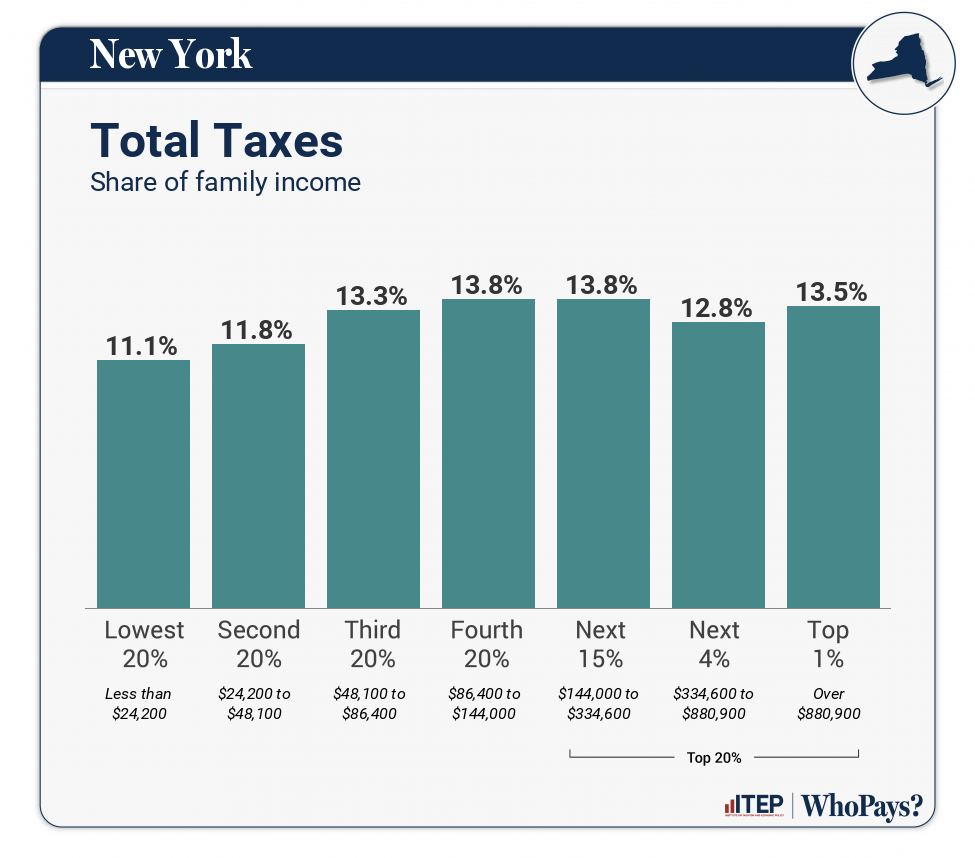
Beyond income tax, New York imposes sales tax on goods and services. This includes:
- State Sales Tax: A general rate applies across the state.
- Local Sales Tax: Additional rates are added by counties and cities, with New York City having one of the highest combined rates in the country.
This means that when you book a hotel, dine at a restaurant in SoHo, purchase souvenirs, or pay for tickets to an attraction like the Top of the Rock Observation Deck, you will be paying sales tax on these transactions. The rates can vary, so it’s always wise to be aware of the local sales tax applicable to your purchases. For example, the cost of a suite at the Four Seasons Hotel New York Downtown will include the base room rate plus applicable state and city sales taxes.
Additionally, specific industries may have other taxes. For instance, hotel occupancy taxes are common, contributing to local tourism promotion funds. These taxes are integrated into the final price you pay for your accommodation.
Budgeting for Your New York Experience
When planning your New York itinerary, whether it involves exploring the historic streets of Albany, enjoying the nightlife in Buffalo, or visiting the natural wonders of the Finger Lakes, factoring in these taxes is essential for accurate budgeting.
-
Accommodation: Whether you’re looking for a luxury resort in the Hamptons, a budget-friendly apartment rental in Queens, or a charming bed and breakfast near Lake Placid, always check the total price including all applicable taxes and fees. Websites that compare accommodation options often provide an estimated total cost, which is a valuable tool.
-
Activities and Dining: Similarly, when budgeting for experiences, such as a guided tour of Ellis Island, a food tour through Arthur Avenue, or a performance at the Lincoln Center, remember to add sales tax to the listed prices. A fine dining experience at a restaurant in Rochester will naturally include these additional charges.
-
Transportation: While New York state income tax doesn’t directly affect the cost of your train ticket from Penn Station to Schenectady, sales tax might apply to certain transportation-related purchases, such as car rentals.
For many travelers, the primary financial considerations will revolve around the cost of flights, accommodation, food, activities, and local transportation. New York state income tax becomes a more pertinent concern only if you establish residency or earn income within the state.
Navigating Lifestyle Choices and Tax Considerations
The concept of New York as a destination spans a wide spectrum of lifestyles, from opulent luxury to budget-conscious exploration. The implications of New York state income tax, while primarily linked to residency and income generation, can indirectly influence broader lifestyle decisions for those contemplating longer stays or relocations.
Luxury Travel vs. Budget Travel
For those indulging in luxury travel, perhaps staying at exclusive hotels like The St. Regis New York or dining at Michelin-starred restaurants, the added cost of New York sales tax on goods and services is a small fraction of their overall expenditure. The allure of New York‘s high-end experiences, from designer shopping on Fifth Avenue to private tours of museums, often overshadows these smaller tax considerations. The primary financial outlay for a luxury traveler is the price of their chosen experiences and accommodations.
Conversely, for budget travel enthusiasts, meticulously planning every expense is crucial. Understanding that New York has state income tax, and more importantly, significant sales and occupancy taxes, helps in setting realistic budgets. Choosing more affordable accommodation options, such as hostels or budget hotels outside the most prime areas, opting for street food or casual eateries, and seeking out free attractions like walking across the Brooklyn Bridge or exploring Governors Island, become strategic choices. While New York state income tax itself doesn’t directly impact these day-to-day spending decisions for tourists, the overall tax environment of the state contributes to the general cost of living and visiting.
Family Trips and Business Stays
Family trips to New York often involve a mix of educational activities, entertainment, and sightseeing. Whether visiting the Bronx Zoo, exploring the American Museum of Natural History, or enjoying a family-friendly show on Broadway, the costs will include admission fees, meals, and accommodation, all subject to sales tax. Parents will be keenly aware of the overall expense of entertaining children in a major metropolitan area.
Business stays, as previously discussed, primarily concern individuals working temporarily in New York. While their employers might cover many expenses, the principle of income earned within the state being taxable remains. For businesses themselves operating in New York, corporate income tax is a significant consideration, but this falls outside the scope of individual traveler concerns. However, the economic activity generated by businesses, including those in the hospitality sector that manage hotels like the Marriott Marquis Times Square, contributes to the state’s tax revenue, which funds public services that benefit everyone, including tourists.

Long-Term Stays and Lifestyle Choices
The question of New York state income tax becomes most relevant for individuals considering long-term stays or a potential relocation. If you’re drawn to the vibrant lifestyle of New York City, perhaps envisioning a life of exploring diverse neighborhoods, enjoying world-class arts and culture, or leveraging business opportunities, the residency rules for taxation are paramount.
A digital nomad who plans to work remotely from New York for an extended period, even if renting a short-term apartment, needs to be aware of the 184-day rule. If they exceed this threshold and maintain a “permanent place of abode,” they could be classified as a resident for tax purposes. This means their income, regardless of where their clients are located, could be subject to New York state income tax. This has significant financial implications, potentially influencing decisions about how long to stay, whether to establish a more permanent residence, or even whether New York is the right long-term base compared to a state with no income tax.
Similarly, those who might retire to New York or take up seasonal residence in a charming town in the Hudson Valley will need to consult with tax professionals to fully understand their obligations. The allure of New York‘s diverse landscapes, from the urban sprawl of Manhattan to the serene beauty of the Thousand Islands, is undeniable, but financial planning, including understanding state income tax, is a crucial component of making informed lifestyle choices.
In conclusion, while the direct question of “Does New York have state income tax?” is a simple yes, its implications are nuanced. For the average tourist embarking on a memorable vacation, the primary financial considerations will be the costs of travel, accommodation, and enjoying the multitude of experiences New York offers, all subject to sales and occupancy taxes. However, for those contemplating longer stays or earning income within the state, a thorough understanding of New York‘s residency and income tax laws is indispensable for responsible financial planning.
LifeOutOfTheBox is a participant in the Amazon Services LLC Associates Program, an affiliate advertising program designed to provide a means for sites to earn advertising fees by advertising and linking to Amazon.com. Amazon, the Amazon logo, AmazonSupply, and the AmazonSupply logo are trademarks of Amazon.com, Inc. or its affiliates. As an Amazon Associate we earn affiliate commissions from qualifying purchases.