
Navigating North Dakota’s Tax Landscape for Smokeless Alternatives
The burgeoning market for nicotine pouches presents a unique challenge for tax authorities and consumers alike. As these products gain popularity as an alternative to traditional tobacco, questions surrounding their taxation become increasingly pertinent, especially for travelers and residents exploring the fiscal intricacies of different states. This exploration delves into the specific tax treatment of nicotine pouches within the borders of North Dakota, aiming to provide clarity for those seeking to understand the financial implications of their consumption in the Peace Garden State. Understanding these regulations is crucial for responsible enjoyment and budgeting, whether you are a resident of Bismarck or a visitor passing through Fargo.

The Classification Conundrum: Tobacco, Nicotine, or Something Else?
At the heart of the tax debate for nicotine pouches lies their classification. Unlike traditional cigarettes or chewing tobacco, nicotine pouches typically do not contain actual tobacco leaf. Instead, they are often composed of plant fibers, nicotine derived from tobacco, flavorings, and other additives, all encased in a small pouch for oral use. This distinction is significant because tax laws are often written with specific definitions of “tobacco products” in mind, which may or may not encompass these newer, tobacco-free formulations.
Traditional Definitions and Evolving Legislation
Historically, tobacco taxes have been levied on products derived directly from the tobacco plant. This includes cigarettes, cigars, chewing tobacco, and snuff. However, as innovation in the nicotine product market has accelerated, legislatures are continuously grappling with how to categorize and tax these new entrants. The question for North Dakota, as for many other states, is whether existing tobacco tax statutes are broad enough to cover nicotine pouches, or if new legislation is required to address them specifically.
The absence of explicit mention of “nicotine pouches” in older tax codes can lead to ambiguity. Some states have opted to interpret their existing laws broadly, applying tobacco taxes to any product containing nicotine intended for consumption. Others have found these products fall into a regulatory gray area, leading to a period of uncertainty or even a lack of taxation until specific laws are enacted. This dynamic legislative environment necessitates a close examination of North Dakota’s specific statutes and any relevant administrative rulings or court decisions.
Unpacking North Dakota’s Tobacco Tax Laws
To ascertain the tax status of nicotine pouches in North Dakota, one must first understand the state’s existing framework for taxing tobacco products. The primary legislation governing this area is typically found within the state’s tax code, often administered by the North Dakota Department of Revenue. These laws generally outline what constitutes a “tobacco product” for tax purposes and specify the tax rates applicable.
Statutory Language and Interpretations
North Dakota statutes, such as those pertaining to excise taxes on tobacco, define what products are subject to taxation. When these statutes were drafted, the prevalence of nicotine pouches as a distinct product category was likely not a primary consideration. Therefore, the interpretation of terms like “tobacco product” or “smokeless tobacco” becomes critical. Does the presence of nicotine, even if not derived from tobacco leaf in its final form, subject the product to tobacco tax? Or does the absence of tobacco leaf itself exempt it?
The North Dakota Century Code, specifically sections related to tobacco products and excise taxes, would be the primary source for this determination. Tax authorities often issue guidance or interpretations to clarify the application of these laws to emerging products. Without explicit inclusion or exclusion of nicotine pouches in the statutes, official guidance from the North Dakota Department of Revenue becomes a key determinant.
The Case for and Against Taxation of Nicotine Pouches
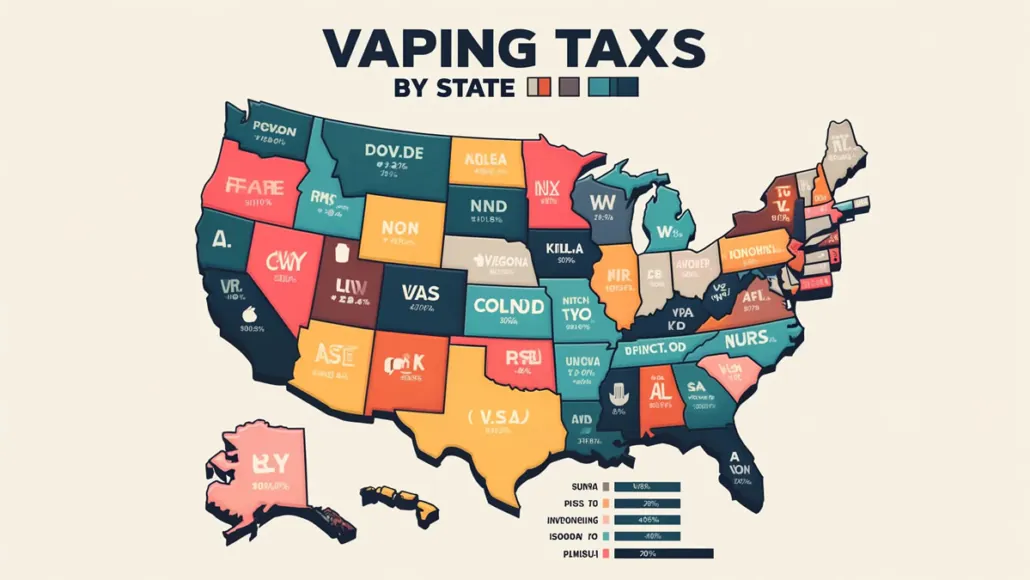
The debate over taxing nicotine pouches often centers on arguments related to public health, revenue generation, and consumer equity.
Public Health Considerations
Proponents of taxing nicotine pouches often point to the public health implications of nicotine consumption. While often marketed as a less harmful alternative to smoking, nicotine itself is addictive and can have adverse health effects. Imposing taxes, similar to those on other nicotine products, can serve as a deterrent to consumption, particularly among younger demographics. Furthermore, tax revenue generated can potentially be allocated to public health initiatives, including cessation programs and education on the risks associated with nicotine use.
Revenue Generation and Economic Impact
For state governments, tobacco taxes represent a significant source of revenue. If nicotine pouches become widely popular, taxing them could offer a new stream of income. However, the economic impact must also consider consumer behavior. Overly aggressive taxation could drive consumers to seek untaxed alternatives, whether through illicit markets or by simply reducing consumption. The goal for policymakers is often to strike a balance that maximizes revenue while minimizing unintended negative consequences.
Consumer Equity and Market Fairness
Another aspect of the discussion involves consumer equity. If other nicotine-containing products are taxed, proponents argue that nicotine pouches should be taxed similarly to ensure a level playing field. Conversely, some argue that if nicotine pouches are demonstrably less harmful than traditional tobacco products, they should not be subjected to the same punitive tax rates. This perspective emphasizes innovation and the availability of reduced-risk alternatives.
Investigating North Dakota’s Specific Stance
To definitively answer whether North Dakota charges tobacco tax on nicotine pouches, one must consult the most current information directly from the state’s tax authority or through recent legislative updates. As of the latest available information, many states are still in the process of clarifying their stance on these products, leading to a varied landscape across the United States.
Researching the North Dakota Department of Revenue
The most reliable source for this information is the official website of the North Dakota Department of Revenue. Tax agencies typically publish guides, fact sheets, and frequently asked questions that address the taxation of various goods and services, including tobacco products. A thorough review of their publications concerning excise taxes or tobacco product regulations would provide the definitive answer.

Legislative Updates and Emerging Trends
The legal and fiscal landscape surrounding nicotine products is constantly evolving. New laws are introduced, and existing ones are amended to keep pace with market changes. Therefore, it is essential to consider any recent legislative sessions in North Dakota that may have addressed the taxation of nicotine pouches or similar products. Staying informed about these developments is key for consumers, retailers, and tax professionals alike. The absence of a clear tax on nicotine pouches in North Dakota could be a temporary situation, subject to change with future legislative action.
In conclusion, the taxation of nicotine pouches in North Dakota is a complex issue that hinges on the precise definitions within the state’s tax code and any official interpretations or legislative amendments. While traditional tobacco taxes apply to established tobacco products, the novel nature of nicotine pouches means their tax status may not be as straightforward. Travelers and residents alike are advised to consult official sources for the most up-to-date information to ensure compliance and informed purchasing decisions when in North Dakota.
LifeOutOfTheBox is a participant in the Amazon Services LLC Associates Program, an affiliate advertising program designed to provide a means for sites to earn advertising fees by advertising and linking to Amazon.com. Amazon, the Amazon logo, AmazonSupply, and the AmazonSupply logo are trademarks of Amazon.com, Inc. or its affiliates. As an Amazon Associate we earn affiliate commissions from qualifying purchases.